How to Fasten Wood to Metal: Ultimate Guide for Strong Bonds
Are you struggling to join wood and metal in your project? Finding the right way to fasten these two different materials can be tricky.
But don’t worry—once you know the right techniques, you’ll save time, avoid mistakes, and create a strong, lasting connection. In this guide, you’ll discover simple, effective methods to fasten wood to metal, even if you’re new to DIY. Keep reading, and soon you’ll be confident in making your wood-and-metal projects sturdy and professional.
Choosing The Right Fasteners
Choosing the right fasteners is key to joining wood and metal securely. The type of fastener affects strength and durability. Different projects need different fasteners. Consider the weight, environment, and materials. Below are common options to help make the right choice.
Types Of Screws And Bolts
Screws and bolts are the most common fasteners for wood to metal. Wood screws have sharp threads for gripping wood fibers. Self-tapping metal screws create their own hole in metal. Bolts need pre-drilled holes and nuts to secure. Choose stainless steel or coated screws to avoid rust. Match screw length to wood thickness for a firm hold.
Using Rivets
Rivets are strong fasteners that hold metal and wood tightly. They work by expanding inside the hole when set. Pop rivets are easy to install with a rivet gun. Solid rivets require hammering or a press. Rivets provide a clean look and resist vibration. Use rivets for thin metal sheets or light wood parts.
Selecting Adhesives
Adhesives join wood and metal without drilling holes. Epoxy and construction glue bond well and fill gaps. Clean surfaces before applying glue for best grip. Some adhesives resist water, heat, and chemicals. Use clamps to hold parts until glue dries. Adhesives work best for light loads and smooth surfaces.
Preparing Wood And Metal Surfaces
Preparing wood and metal surfaces is key to a strong bond. Proper preparation helps screws or bolts hold better. It also stops rust and wood damage. Taking time to clean and treat both surfaces leads to lasting results. Below are simple steps to prepare wood and metal before fastening.
Cleaning And Sanding Metal
Start by removing dirt and grease from the metal. Use a cloth with soap and water or a mild cleaner. Dry the metal well to avoid rust. Sand the metal surface with fine-grit sandpaper. This roughens the metal slightly, helping fasteners grip better. Wipe away any dust after sanding.
Treating Wood For Better Grip
Check the wood for dirt, old paint, or oils. Clean it with a damp cloth and let it dry. Sand the wood surface lightly to smooth rough spots. This also helps glue or screws hold firmly. For outdoor projects, consider applying a wood preservative. It protects wood from moisture and decay.
Drilling Pilot Holes
Mark spots where fasteners will go. Use a drill bit slightly smaller than the screw. Drill pilot holes in both wood and metal. These holes prevent splitting and make screwing easier. Drill slowly to keep holes clean and straight. Remove any dust or debris from the holes before fastening.
Fastening Techniques
Fastening wood to metal requires careful choice of techniques. The right method ensures a strong and lasting bond. It also makes your project safe and stable. Different situations need different fastening methods. The type of metal and wood, as well as the tools you have, affect your choice.
Below are common fastening techniques. Each one suits specific tasks and materials.
Direct Screwing Methods
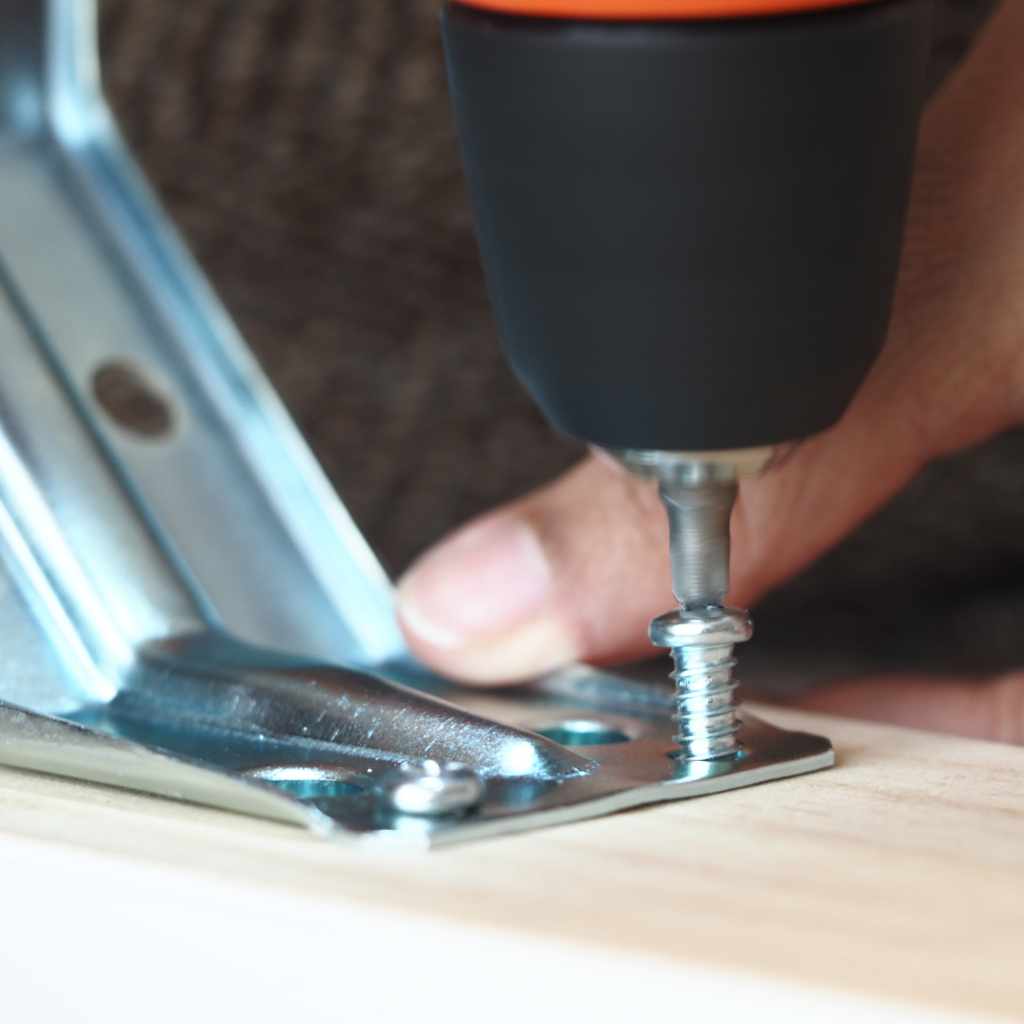
Direct screwing is one of the simplest ways to join wood to metal. Use screws designed for metal, like self-tapping screws. These screws cut their own thread in the metal. Pre-drill holes in the metal to avoid bending or damage. Use a drill with the right bit size. Tighten screws firmly but avoid over-tightening. This method works well for thin metal sheets and soft wood.
Using Brackets And Plates
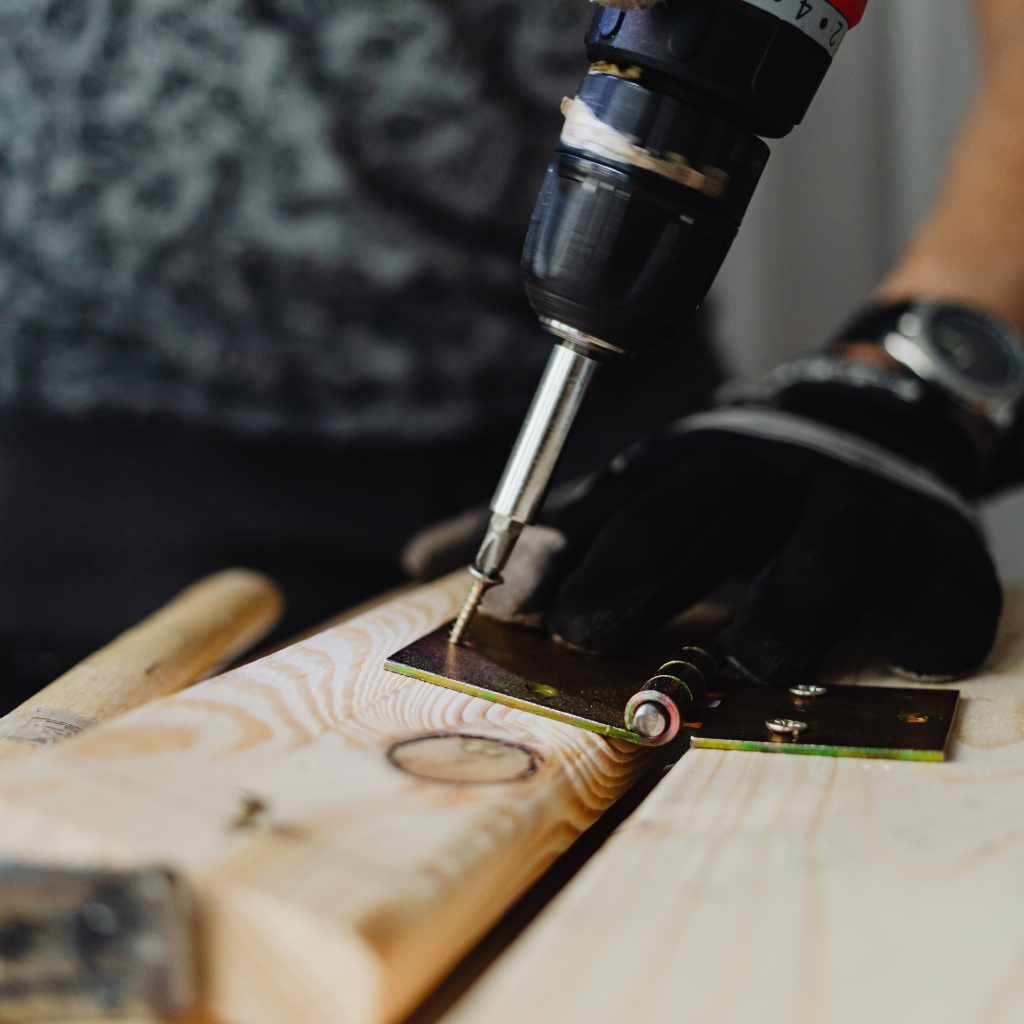
Brackets and plates add extra support between wood and metal. Attach the metal side first using screws or bolts. Then fix the wood to the other side of the bracket. This spreads the load and reduces stress on the materials. Choose brackets made from strong, rust-resistant metal. They are great for heavier wood pieces or when extra strength is needed.
Clamping And Clamping Alternatives
Clamps hold wood and metal together temporarily. This helps during gluing or welding processes. Use metal clamps for strong pressure. Clamping alternatives include magnets or straps. Magnets work with ferrous metals and offer quick hold. Straps wrap around both materials tightly. These methods help keep parts aligned for a perfect fit.
Tools Needed For The Job
Fastening wood to metal requires the right tools. Using proper equipment makes the job easier and safer. It also helps you achieve strong, lasting connections. Below are the essential tools needed for this task.
Drills And Drivers
A drill is a must-have for making holes in metal and wood. Choose a drill with adjustable speed settings. Use metal drill bits for clean, precise holes. A cordless driver helps drive screws quickly and efficiently. Pick screws made for metal and wood to ensure a tight fit.
Measuring And Marking Tools
Accurate measurements are key for a good fit. Use a tape measure to check lengths and distances. Mark spots with a pencil or marker for drilling. A square or straight edge helps keep lines straight. Clear markings prevent mistakes and save time.
Safety Equipment
Protect yourself during the project. Wear safety goggles to guard your eyes from metal shavings. Use gloves to avoid cuts and splinters. Hearing protection is important when using loud tools. A dust mask keeps you safe from dust and debris.
Common Challenges And Solutions
Fastening wood to metal can be tricky. Many face common problems that affect strength and durability. Knowing these issues helps you fix them fast. Here are some common challenges and easy solutions.
Preventing Metal Warping
Metal can warp from too much heat during drilling or fastening. Use sharp drill bits and drill slowly. Let the metal cool between steps. Use a clamp to hold metal steady. This stops bending or twisting. Avoid over-tightening screws to keep metal shape intact.
Avoiding Wood Splitting
Wood splits when screws go in too fast or without a pilot hole. Drill a small guide hole before screwing. Choose screws with sharp tips and coarse threads for wood. Drive screws slowly and straight. A little wood glue on the screw helps hold wood tight without cracks.
Dealing With Rust And Corrosion
Metal rust weakens the joint over time. Use screws and fasteners made from stainless steel or coated with rust protection. Keep the wood dry and sealed to reduce moisture. Apply a rust inhibitor on metal parts before assembly. Check joints regularly and fix any rust spots quickly.
Maintenance Tips For Long-lasting Bonds
Maintaining a strong bond between wood and metal requires care after installation. Proper maintenance keeps the connection secure and lasts longer. Small efforts can prevent damage and save repair costs.
Regular Inspections
Check the wood and metal joints regularly. Look for signs of rust, cracks, or loosening. Early detection helps fix problems before they grow. Inspections every few months work well for most projects.
Tightening And Replacing Fasteners
Fasteners can become loose over time. Tighten screws, bolts, or nails to keep the bond firm. Replace any rusted or damaged fasteners quickly. Use the correct type of fastener for both wood and metal.
Protective Coatings
Apply coatings to protect metal from rust and wood from moisture. Paint, sealants, or varnish create a barrier against weather. Reapply coatings as needed to maintain strong protection. This step extends the life of the bond significantly.
Frequently Asked Questions
What Tools Are Needed To Fasten Wood To Metal?
You need a drill, metal drill bits, screws or bolts, washers, and a screwdriver or wrench. A clamp helps hold materials steady for accurate fastening.
Can Wood Be Fastened Directly To Metal?
Yes, but pre-drilling holes in both materials is essential. Use appropriate screws or bolts designed for metal-to-wood connections to ensure a secure bond.
Which Screws Work Best For Wood To Metal?
Self-tapping metal screws or wood-to-metal screws with sharp threads work best. They provide strong grip and prevent loosening over time.
How To Prevent Wood From Splitting When Fastening?
Pre-drill holes slightly smaller than the screw diameter. Use sharp drill bits and avoid overtightening screws to minimize wood splitting risks.
Conclusion
Securing wood to metal takes the right tools and steps. Choose fasteners that fit both materials well. Drill pilot holes to avoid splitting the wood. Tighten screws carefully to hold pieces firmly. Check your work to ensure strong joints. Small details matter for lasting results.
Practice makes the process easier each time. You can complete projects with confidence and skill. Keep these tips in mind for your next build. Simple methods lead to sturdy and lasting connections.