How to Finish Shiplap Edges: Seamless Style Tips
To finish shiplap edges, use a miter saw for clean cuts and apply wood filler for a smooth finish. Sand the edges to ensure a seamless look before painting or staining.
Shiplap adds charm and character to any space, making it a popular choice for home decor. Finishing the edges properly enhances the overall appearance and durability of your installation. Whether you’re working on a feature wall or furniture, the edges require careful attention to achieve a polished look.
Proper techniques can prevent gaps and ensure a snug fit, which is essential for a professional finish. This guide will walk you through the best methods for finishing shiplap edges effectively, ensuring a stunning result that elevates your interior design. Get ready to transform your space with these simple tips!
Introduction To Shiplap Edges
Shiplap edges offer a unique charm to any space. They enhance the beauty of walls, ceilings, and furniture. Proper finishing of these edges is crucial for a polished look. This section dives into the basics of shiplap and the importance of finished edges.
The Basics Of Shiplap
Shiplap is a type of wooden board. It features a distinctive overlapping design. This design creates a tight seal against moisture and pests. Here are some key points:
- Material: Usually made from pine or cedar.
- Installation: Boards fit together with a groove system.
- Look: Offers a rustic and warm aesthetic.
Shiplap is popular for both interior and exterior applications. It can transform any room into a cozy retreat. Understanding its basic features helps in choosing the right boards.
Importance Of Finished Edges
Finishing shiplap edges is vital for several reasons:
- Appearance: Smooth edges enhance overall aesthetics.
- Durability: Proper finishing protects against damage.
- Moisture Resistance: Sealed edges prevent moisture absorption.
- Safety: Finished edges eliminate sharp points.
Each of these factors contributes to the longevity and beauty of your shiplap. A well-finished edge transforms a good project into a great one.
| Aspect | Benefits of Finishing |
|---|---|
| Appearance | Improves visual appeal and professionalism. |
| Durability | Extends the life of the wood. |
| Moisture Resistance | Helps maintain structural integrity. |
| Safety | Prevents accidents from rough edges. |
Tools And Materials
Finishing shiplap edges requires the right tools and materials. Using quality items ensures a smooth and professional look. Here’s a guide to help you choose wisely.
Essential Tools
- Miter Saw: Cuts edges at precise angles.
- Table Saw: Provides straight cuts for large pieces.
- Level: Ensures the panels are straight and even.
- Stud Finder: Locates studs behind the wall.
- Drill: For making pilot holes and driving screws.
- Sanding Block: Smoothens the edges after cutting.
- Paint or Stain Brushes: For finishing touches.
Choosing The Right Materials
Selecting suitable materials is crucial for durability and appearance. Consider the following options:
| Material Type | Benefits | Drawbacks |
|---|---|---|
| Pine Wood | Affordable, easy to work with | Can warp over time |
| Birch Plywood | Strong, smooth finish | Higher cost |
| Medium Density Fiberboard (MDF) | Very smooth, easy to paint | Not moisture-resistant |
| Reclaimed Wood | Unique look, eco-friendly | May require extra work |
Choose materials based on your project needs and personal style. Quality tools make the process easier and ensure a great finish.
Preparing The Workspace
Preparing your workspace is crucial for finishing shiplap edges. A clean and organized area enhances safety and efficiency. Follow these steps to set up your workspace effectively.
Workspace Setup
Begin by choosing a spacious area. This will help you move around freely. Gather all necessary tools and materials:
- Shiplap boards
- Saw
- Sander
- Measuring tape
- Pencil
- Clamps
- Paint or stain
- Brushes or rollers
Place a sturdy workbench in the center. Make sure it is level and stable. Organize tools within arm’s reach. This saves time and effort.
Safety Measures
Safety is paramount while working. Wear the right protective gear:
- Safety goggles
- Dust mask
- Ear protection
- Work gloves
Keep the area well-ventilated. Dust and fumes can be harmful. Always check your tools for defects. A damaged tool can cause accidents.
Maintain a clutter-free workspace. Avoid leaving tools lying around. This reduces tripping hazards and keeps you focused.
| Item | Purpose |
|---|---|
| Safety Goggles | Protects eyes from debris |
| Dust Mask | Prevents inhalation of dust |
| Ear Protection | Reduces noise from power tools |
| Work Gloves | Protects hands from splinters |
Follow these safety measures closely. They ensure a smooth and safe project.
Measuring And Cutting Shiplap
Proper measuring and cutting are vital for a seamless shiplap installation. Accurate dimensions help create a polished look. Follow these steps to achieve the best results.
Accurate Measurements
Accurate measurements ensure that each shiplap piece fits perfectly. Here are some tips to measure correctly:
- Use a reliable tape measure.
- Measure the wall height and width.
- Record measurements to avoid errors.
- Mark your measurements clearly on the wood.
Consider these factors:
| Factor | Details |
|---|---|
| Wall Irregularities | Check for bumps or dips in the wall. |
| Obstructions | Look for outlets, windows, or doors. |
| Spacing | Consider gaps for expansion and contraction. |
Cutting Techniques
Once you have your measurements, it’s time to cut. Use the right tools for the best results:
- Jigsaw for curved edges.
- Miter saw for straight cuts.
- Table saw for large pieces.
Follow these cutting tips:
- Align your blade with your marked line.
- Cut slowly to maintain control.
- Wear safety gear to protect yourself.
After cutting, check each piece against your measurements. Adjust if necessary for a perfect fit.
Smoothing The Edges
Smoothing the edges of shiplap gives your project a polished look. This step enhances safety and appearance. Proper finishing methods make a significant difference.
Sanding Techniques
Sanding is crucial for a smooth surface. Here are some effective techniques:
- Start with Coarse Grit: Use 80-grit sandpaper for rough edges.
- Move to Medium Grit: Switch to 120-grit for finer smoothing.
- Finish with Fine Grit: Use 220-grit for a silky finish.
Keep the sander moving. Apply even pressure. Check for missed spots frequently. Wear a mask to avoid dust inhalation.
Edge Treatment Options
Choose from various edge treatments for shiplap. Options include:
| Option | Description |
|---|---|
| Beveled Edges | Creates a sharp, clean line for a modern look. |
| Round Edges | Softens the look, making it safer for kids. |
| Chamfered Edges | Adds depth and character to the boards. |
Consider the style of your room. Match the edge treatment to your design theme. Experiment with different options for unique results.
Finishing Touches
Completing shiplap edges gives your project a polished look. Focus on the final details. Proper finishing enhances both beauty and durability.
Painting Or Staining
Choose between paint or stain for your shiplap edges. Each option has unique benefits:
| Option | Benefits |
|---|---|
| Paint | Offers vibrant colors and easy maintenance. |
| Stain | Enhances the natural wood grain and texture. |
Follow these steps for painting or staining:
- Prepare the surface. Sand any rough edges.
- Clean the dust off the surface.
- Apply primer if using paint.
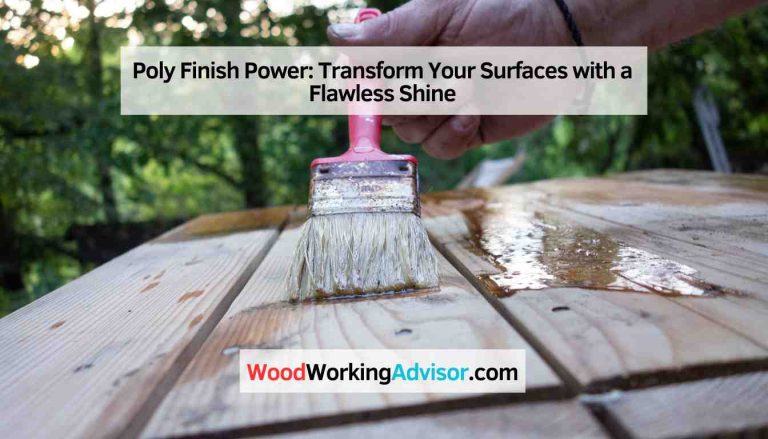
- Use a brush or roller for an even coat.
- Let it dry completely. Apply a second coat if needed.
Sealing The Edges
Sealing shiplap edges protects against moisture and wear. Choose a quality sealant. It helps maintain your finish.
- Use a clear sealant for natural finishes.
- Opt for a colored sealant with painted edges.
Steps to seal edges:
- Ensure the surface is clean and dry.
- Apply sealant with a brush or cloth.
- Focus on edges and joints for full coverage.
- Allow to dry as per the manufacturer’s instructions.
Regularly check the sealant. Reapply as necessary to maintain protection.
Styling Tips For Seamless Edges
Achieving seamless edges on shiplap can elevate your interior design. Use these tips to ensure your edges look polished and professional.
Matching With Interior Design
Consider your overall decor style. Here are some matching ideas:
- Rustic: Use natural wood finishes.
- Modern: Opt for sleek, painted edges.
- Farmhouse: Whitewashed edges create a cozy feel.
- Industrial: Combine with metal accents for contrast.
Choose edge styles that complement your color palette. This creates harmony in your space.
Creative Edge Ideas
Explore unique edge styles to enhance your shiplap. Here are some creative ideas:
- Beveled Edges: Add depth and dimension.
- Rounded Edges: Soften the look for a friendly vibe.
- Contrasting Colors: Use bold colors for a striking effect.
- Decorative Trim: Frame edges with stylish moldings.
Experiment with different textures. A rough finish can add character.
| Edge Style | Best For |
|---|---|
| Beveled Edges | Modern and contemporary settings |
| Rounded Edges | Cozy and casual environments |
| Contrasting Colors | Bold and vibrant spaces |
| Decorative Trim | Elegant and classic styles |
Use these ideas to create a unique look. Don’t hesitate to mix styles for a personal touch.
Maintenance And Care
Keeping your shiplap edges in top shape requires regular attention. Proper maintenance ensures longevity and enhances the beauty of your woodwork. Simple care routines can prevent damage and keep your shiplap looking fresh.
Routine Care Tips
- Dust Regularly: Use a soft cloth to remove dust.
- Clean Spills Quickly: Wipe up any spills immediately.
- Avoid Harsh Chemicals: Use mild soap and water for cleaning.
- Inspect for Damage: Check edges for wear and tear.
- Maintain Humidity: Keep indoor humidity between 30-50%.
Repairing Damaged Edges
Even with good care, edges can suffer damage. Here’s how to fix them:
- Identify the Damage: Look for chips, cracks, or peeling.
- Sand the Area: Use fine-grit sandpaper to smooth edges.
- Fill Cracks: Use wood filler to repair gaps.
- Stain or Paint: Match the color to your existing finish.
- Seal the Edges: Apply a clear sealant for protection.
| Damage Type | Repair Method |
|---|---|
| Chips | Use wood filler and sand |
| Cracks | Fill with wood filler and stain |
| Peeling | Sand, paint, and seal |
Frequently Asked Questions
How Do I Finish Shiplap Edges?
Finishing shiplap edges involves sanding, sealing, and painting or staining. Start by sanding the edges to remove any rough spots. Then, apply a wood filler if needed for a smooth finish. Finally, seal and paint or stain the edges for a polished look that complements your decor.
What Materials Do I Need For Shiplap Edges?
You will need sandpaper, wood filler, primer, paint or stain, and a brush. Additionally, a clean cloth for dusting and a caulk gun may be useful for sealing gaps. Having these materials will help you achieve a professional-looking finish on your shiplap edges.
Can I Use Shiplap In Bathrooms?
Yes, shiplap can be used in bathrooms. It adds texture and warmth to the space. However, ensure you use water-resistant finishes and proper sealing to prevent moisture damage. Regular maintenance will also help keep the shiplap looking great in humid environments.
What Type Of Paint Is Best For Shiplap?
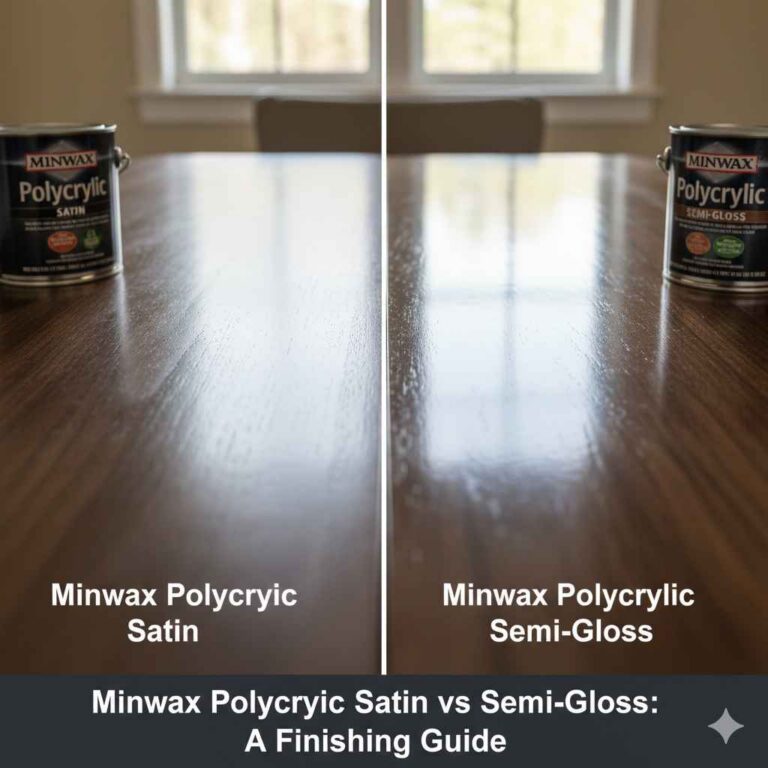
A semi-gloss or satin finish paint is ideal for shiplap. These finishes are durable and easy to clean, making them perfect for high-traffic areas. Choose a high-quality, mildew-resistant paint to enhance longevity, especially in moisture-prone areas like kitchens or bathrooms.
Conclusion
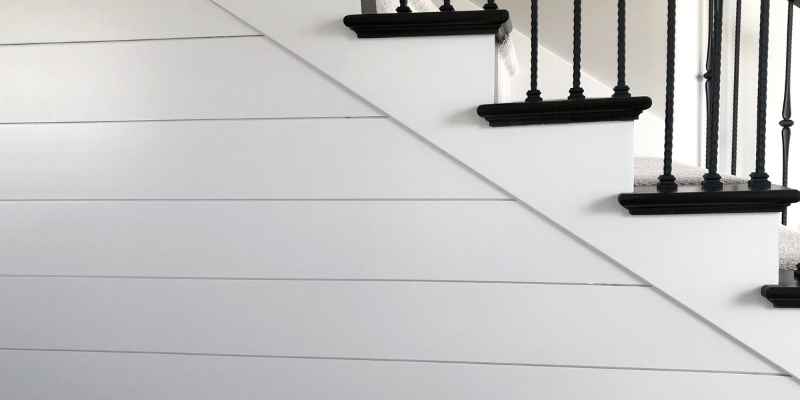
Finishing shiplap edges enhances both aesthetics and durability. Proper techniques, like caulking and painting, ensure a polished look. Investing time in these details pays off with a professional finish. Your space will shine with clean, well-finished edges. Enjoy the transformation that quality craftsmanship brings to your home decor.