How to Fix Cracked Wood: Expert Tips for Seamless Repair
Fixing cracked wood is simpler than you think. Just a few tools and some patience are needed.
Cracked wood can ruin the beauty of your furniture or structures. These cracks might seem troublesome, but they don’t always require professional help. With the right techniques, you can restore the wood’s appearance and strength. Cracks in wood occur due to factors like age, dryness, or impact.
They can be unsightly and may worsen over time. Repairing cracked wood not only improves its look but also extends its lifespan. Whether you are a DIY enthusiast or a beginner, the steps to fix wood are straightforward. Follow along to learn how to mend those cracks and bring your wood items back to life.

Credit: www.instructables.com
Identifying Cracked Wood
Spotting cracks in wood is crucial for proper repair. Small splits can be fixed with glue. Larger cracks might need wood filler or new pieces.
Common Causes
Cracks in wood often occur due to drying. Wood shrinks as it loses moisture. This causes the wood to split. Temperature changes can also cause cracks. Wood expands in heat and contracts in cold. Pressure and stress on wood can lead to cracks. Heavy loads or improper handling are common reasons. Water damage weakens wood fibers, making it prone to cracking.
Types Of Cracks
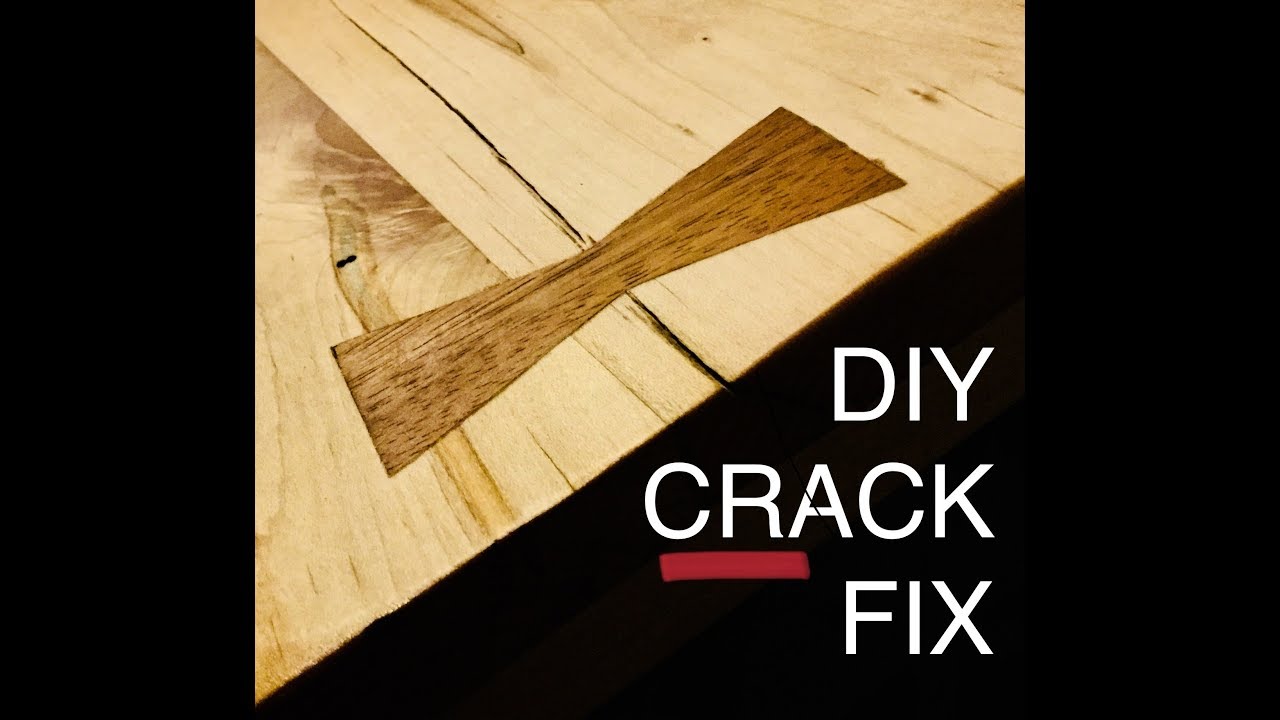
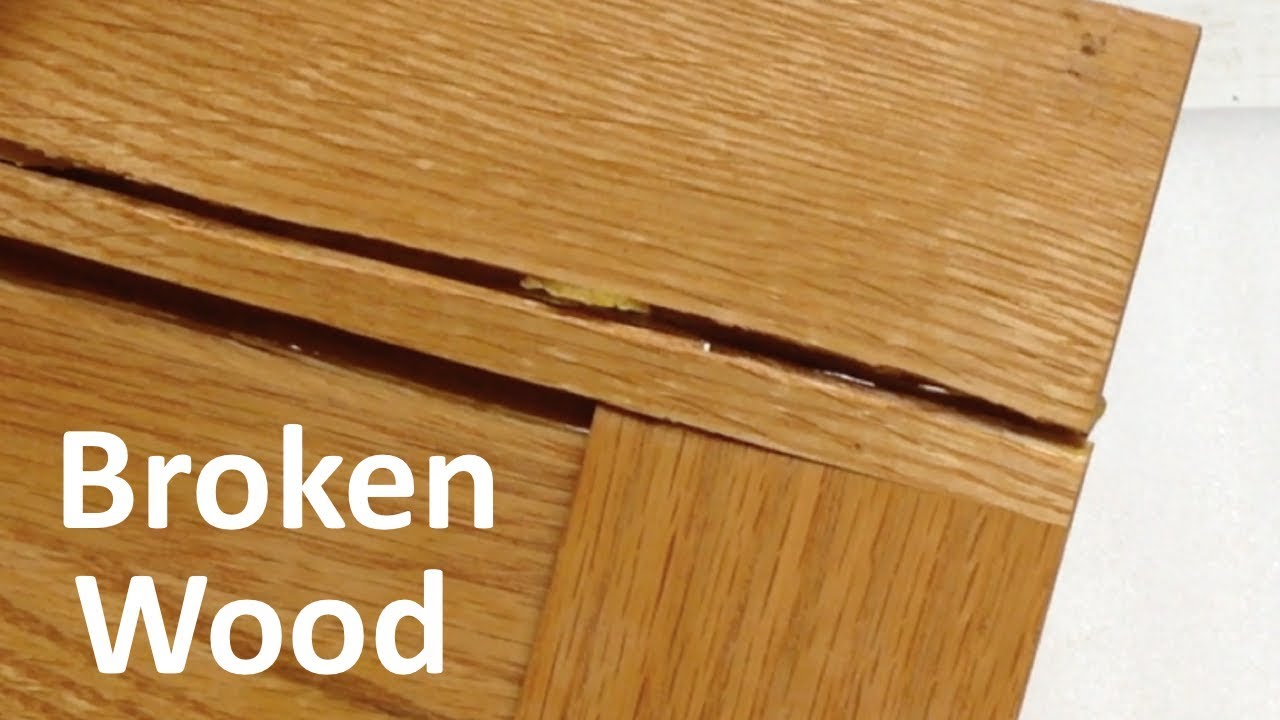
Surface cracks appear on the top layer. They are usually shallow. Deep cracks go through the wood. These are more serious. Fine cracks are thin and small. They often form a web-like pattern. Large cracks are wide and noticeable. They can affect the wood’s strength.
Credit: www.youtube.com
Essential Tools And Materials
Fixing cracked wood needs some tools. You will need a hammer and screwdriver. A chisel helps with tight spots. Use sandpaper for smoothing. Wood glue is vital for repair. Clamps hold pieces tight. Putty knife is useful for applying filler.
Choose quality wood glue. Get wood filler to fill gaps. Use sandpaper to smooth surfaces. Clamps help hold wood in place. Stain or paint may be needed to finish. Protective gear like gloves and goggles are important. Clean cloths are needed for wiping.
Preparing The Wood Surface
Start by removing any dust and debris from the cracked wood. Use a soft brush or cloth to gently wipe the area. If there is dirt or grease, use a mild soap and water solution. Make sure the wood is dry before moving to the next step.
Use sandpaper to smooth the cracked area. Start with coarse sandpaper to remove rough edges. Then, switch to fine sandpaper for a smooth finish. Sand in the direction of the wood grain. This helps to avoid further damage. Wipe away any sawdust after sanding.
Credit: www.youtube.com
Choosing The Right Filler
Wood putty is great for small cracks. It is easy to use. It stays soft and flexible. This makes it good for outdoor wood. Epoxy is strong and durable. It is best for big cracks. It hardens like a rock. This makes it great for indoor wood. Both fillers have their uses. Choose the right one for your project.
Clean the wood before you start. Fill the crack with the putty or epoxy. Use a putty knife for smooth application. Let it dry completely. Sand the area to make it smooth. Paint or stain the wood if needed.
Applying The Filler
Use a wood filler stick for small cracks. Rub it along the crack. Make sure the filler gets into the crack. Smooth the surface with a putty knife. Let the filler dry. Sand the surface to make it even. Paint or stain the wood to match.
Mix wood filler with a hardener. Press the filler into the crack. Use a putty knife to smooth it. Let it dry completely. Sand the surface to make it even. Paint or stain to match the rest of the wood.
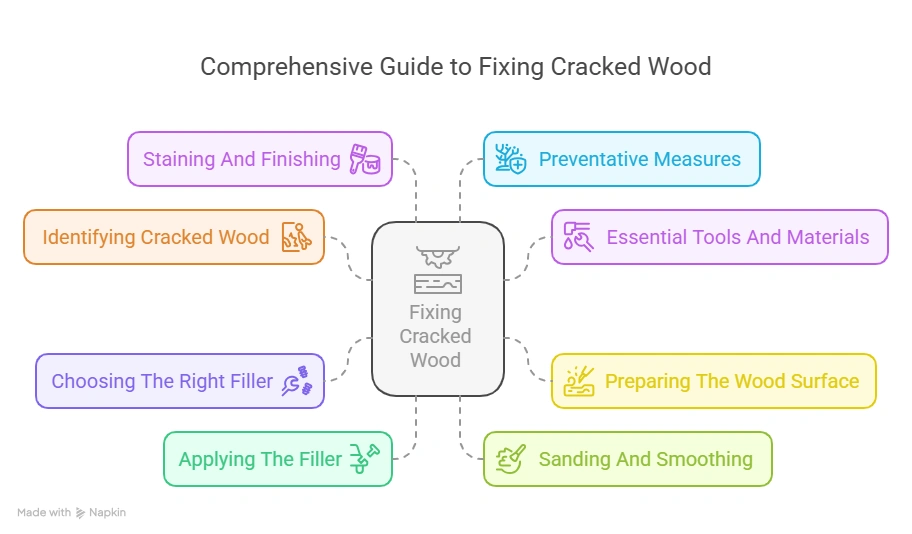
Sanding And Smoothing
Sanding helps remove rough spots and smooths the wood. Start with coarse-grit sandpaper. Move the sandpaper in the direction of the wood grain. This prevents scratches. After using coarse grit, switch to fine-grit sandpaper. This will make the surface smoother. Repeat until the wood feels soft to touch.
Always wipe the wood with a damp cloth before you start. This removes dust and debris. Sand the wood again if needed. Feel the surface with your hand. It should be smooth. Apply a thin layer of wood filler to any deep cracks. Let it dry completely. Sand the filled areas lightly. Your wood should now look and feel smooth.
Staining And Finishing
Choose a stain that matches the wood. Test it on a small piece first. Check the color after it dries. This will show you how it looks. Make sure the stain is the right shade. Some stains are lighter or darker than they seem. Always test before using.
Apply the finish with a brush. Make sure to cover all areas. Use long strokes. This helps the finish go on evenly. Let it dry completely. Some finishes need more coats. Check the instructions for drying times. Sand between coats if needed. This makes the surface smooth.
Preventative Measures
Inspect the wood regularly to catch cracks early. Apply wood filler to small cracks to prevent further damage. Use sealant to protect the wood from moisture and insects.
Regular Maintenance
Wood needs care to stay strong. Clean it often. Dirt and grime can cause damage. Use a soft cloth for dusting. Check for cracks regularly. Fix small cracks quickly. Small cracks can become big problems. Keep wood away from direct sunlight. Sunlight can dry out wood. This causes cracks.
Protective Coatings
Use protective coatings on wood. They help keep moisture out. Moisture can cause wood to crack. Apply coatings once a year. Choose a good quality product. Follow the instructions carefully. This will help the wood last longer.
Frequently Asked Questions
Can Cracked Wood Be Repaired?
Yes, cracked wood can be repaired. Use wood filler or epoxy for small cracks. For larger cracks, consider wood glue and clamps.
What Is The Best Thing To Fill Cracks In Wood?
Wood filler is the best option for filling cracks in wood. It provides a smooth, durable finish.
How To Fix Wood That Splits?
To fix split wood, apply wood glue into the crack. Clamp it tightly until dry. Sand and refinish for a smooth surface.
How Do You Fix A Hairline Crack In Wood?
Apply wood filler into the crack using a putty knife. Let it dry completely. Sand the area smooth, then finish with paint or stain.
Conclusion
Fixing cracked wood is simpler than it seems. With the right tools and techniques, you can restore your wood items. Remember to clean the crack first. Then, apply wood filler or glue. Sand the surface once dry. Finally, finish with paint or varnish.
Regular maintenance prevents future cracks. Your wood looks new again. Try these steps and enjoy your repaired wood.