How to Remove Marker from Wood: Easy and Effective Methods
Removing marker stains from wood can be tricky. But, with the right steps, it’s possible.
Markers can leave stubborn marks on wooden surfaces. Whether it’s a small scribble or a big stain, you want your wood to look clean again. Sometimes, simple soap and water aren’t enough. It’s important to know the right methods to avoid damage.
This guide will show you effective ways to remove marker stains from wood. You’ll learn easy tricks to keep your wood looking great. So, let’s dive in and save your wooden furniture from those unwanted marks.
Finished Vs. Unfinished Wood: Why It Changes Everything
Before trying any method, figure out whether the wood has a protective finish (polyurethane, varnish, lacquer, wax, or paint) or is bare/unfinished. On finished wood, the marker sits mostly on top of the sealed surface, so gentler solvents like rubbing alcohol usually lift it without touching the wood underneath. On unfinished, bare wood, marker ink soaks directly into the open grain, which is much harder to fully remove and far easier to damage further with aggressive scrubbing or solvents – light sanding is often the more reliable fix for bare wood rather than chemical removal.
| Wood Type | Recommended First Try | If That Fails |
|---|---|---|
| Finished/sealed wood | Rubbing alcohol on a cloth | Baking soda paste, then a fresh coat of matching finish if the surface dulls |
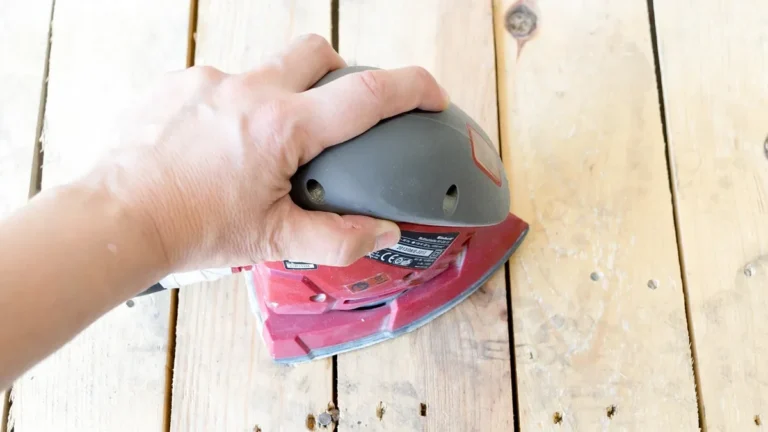
| Unfinished/bare wood | Light sanding with fine-grit sandpaper along the grain | Mineral spirits (only for oil-based marker/ink), then re-sand and refinish |
| Painted wood | Mild soap and water first | Magic eraser-style melamine sponge, tested in a hidden spot first |
Preparation Steps
Gather supplies like rubbing alcohol, cotton balls, and clean cloths. Test a small area first to avoid damage. Gently rub the stain until it fades.
Gather Supplies
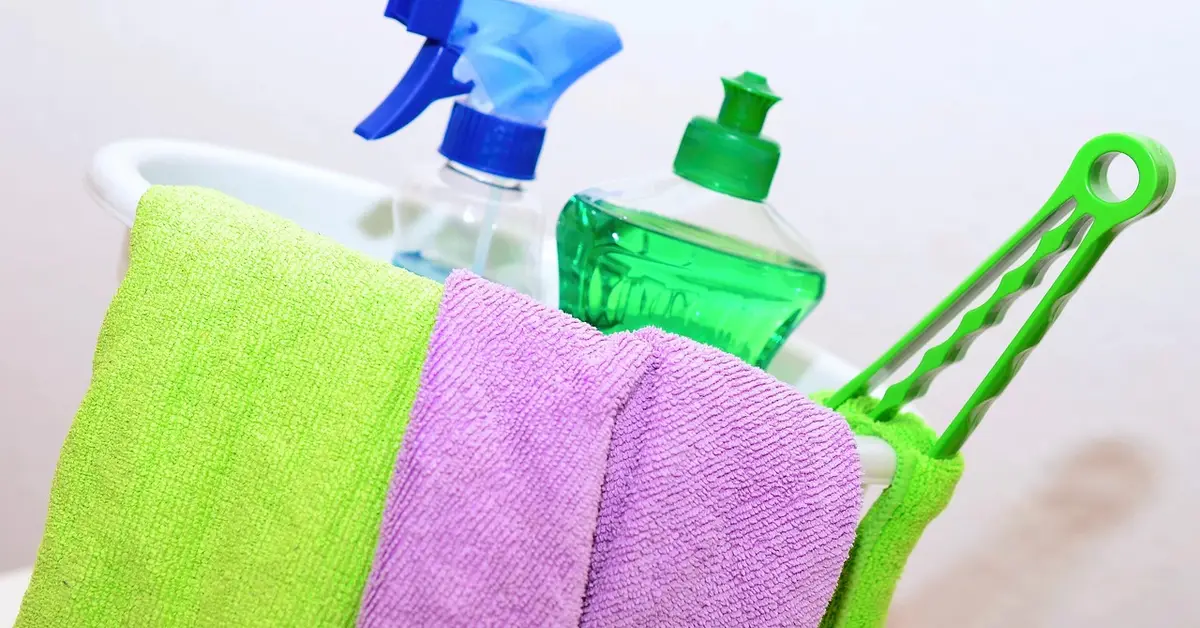
Get a clean cloth, mild soap, and water. Have some rubbing alcohol ready. Also, a soft-bristled brush can be useful. Make sure you have a dry towel nearby. This helps to dry the wood after cleaning. These supplies are easy to find at home.
Test A Small Area
First, pick a hidden spot on the wood. Apply a small amount of cleaner. Wait for a few minutes. Check if the wood reacts badly. This ensures you don’t damage the wood. If safe, proceed to clean the marker stain.
Using Rubbing Alcohol
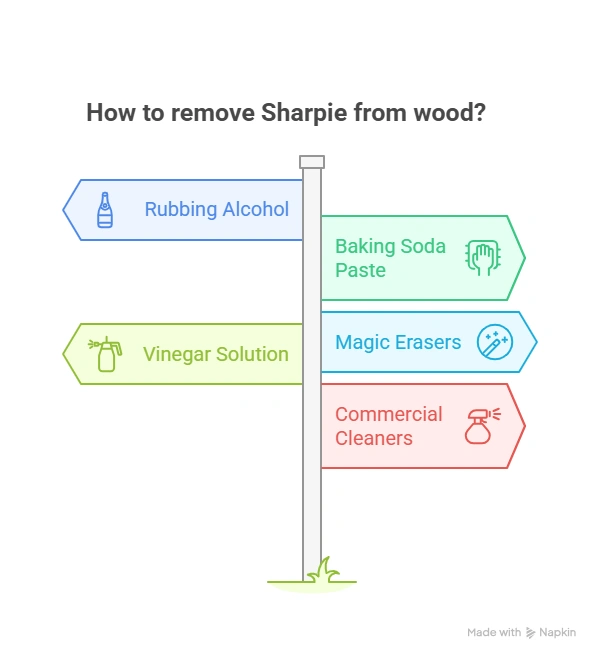
Pour a small amount of rubbing alcohol on a cloth. Gently dab the cloth on the marker stain. Keep dabbing until the marker starts to fade. Be careful not to soak the wood.
Use a clean cloth to wipe away the alcohol. Make sure all the marker and alcohol are gone. If needed, repeat the process. Ensure the wood is dry before you finish. This helps to prevent damage. Rubbing alcohol works well on most finished surfaces because it re-dissolves the alcohol-based dyes used in many permanent markers without being strong enough to dissolve a cured polyurethane or lacquer finish.
Baking Soda Paste
Create Paste: Mix baking soda with a bit of water. The mixture should be thick. Not too runny. You need a paste to work well.
Rub Gently: Use a soft cloth. Apply the paste on the marker stain. Rub gently in circles. Do not press hard. The stain should fade slowly. Wipe off the paste with a clean cloth. Check if the stain is gone. Repeat if needed. Baking soda works by mild abrasion, so it’s a good second choice if alcohol alone doesn’t fully lift the stain.
Toothpaste Method
Get some white toothpaste (not gel). Spread it on the marker stain. Cover the whole stain. Make sure you use enough toothpaste.
Use a soft cloth or an old toothbrush. Scrub the toothpaste gently. Do not scrub too hard. You don’t want to damage the wood.
Keep scrubbing until the stain starts to disappear. If the stain is gone, wipe off the toothpaste. Use a damp cloth to clean the wood.
White Vinegar Solution
Combine one part white vinegar with two parts water. Stir the solution well. Use a container to mix them. The mixture should be even. This is your cleaning solution.
Dip a cloth into the solution. Gently dab the marker stain. Don’t rub too hard. Wipe the area clean. Repeat if needed. Always use a soft cloth. Keep the wood dry after cleaning. This helps keep the wood safe.
Commercial Cleaners
Selecting the right cleaner is important. Many types of commercial cleaners are available. Read the labels carefully. Make sure it is safe for wood. Some cleaners can damage wood surfaces. It is best to choose a cleaner designed for wood. This will ensure the wood stays in good condition.
Test the cleaner on a small area first. This helps to see if it causes any damage. Use a soft cloth to apply the cleaner. Avoid using too much liquid. Excess liquid can soak into the wood and cause harm. Wipe the area gently. Follow the cleaner instructions for best results.
Alternative Household Items
Hair spray can help remove marker stains. Spray the hair spray on the marker spot. Let it sit for a few minutes. Use a cloth to rub the stain gently. Repeat if needed. The marker will start to fade – older hairspray formulas contain a high enough alcohol content to work similarly to rubbing alcohol. Always test on a small area first. Hair spray can damage some finishes. Be careful with delicate wood surfaces.
Nail polish remover is another option. Dab some on a cotton ball. Gently rub the marker stain. Do not soak the wood. The remover can damage the wood if used too much, since acetone can also soften and dull certain lacquer and shellac finishes. Wipe the area with a damp cloth. This will help remove any residue. Always test on a small spot first. Some wood finishes might react badly.
Common Mistakes To Avoid
- Scrubbing bare wood aggressively. This drives ink deeper into open grain instead of lifting it out – light sanding beats scrubbing on unfinished wood.
- Using acetone or strong solvents on shellac, lacquer, or French-polished finishes. These finishes can soften, cloud, or dissolve on contact with acetone-based removers.
- Skipping the spot test. Every wood finish reacts differently. A hidden test spot takes 30 seconds and prevents a much bigger repair.
- Oversaturating the wood with liquid. Excess moisture from any cleaning solution can seep into seams and joints, causing swelling or a white haze under the finish.
- Trying every method at once. Layering multiple chemicals (vinegar, then alcohol, then acetone) on the same spot increases the risk of a reaction that damages the finish. Try one method fully, rinse, and assess before moving to the next.
Preventing Future Stains
Coasters are simple and effective. They protect wood from spills. Many materials are available: cork, metal, and silicone. Always use a coaster under drinks. This can prevent stains and rings.
Clean up spills right away. Use a soft cloth. Gently wipe the area. This helps prevent stains from setting. Water and mild soap are good for most cleanups. Dry the wood quickly. This keeps it safe and clean.
If the wood sees regular use by kids or is a work surface, a coat of polyurethane or polycrylic makes future marker stains dramatically easier to remove, since the marker then sits on the sealed film rather than the wood itself.
Frequently Asked Questions
How Do You Get Dried Marker Off Wood?
Use rubbing alcohol on a cloth to gently wipe the marker stain. Repeat until the stain is gone. On unfinished wood, light sanding along the grain is often more effective than any liquid solvent.
Does Vinegar Remove Sharpie From Wood?
Yes, vinegar can help remove Sharpie from wood. Apply vinegar to a cloth and gently rub the stained area.
How To Remove Pen Marks From A Wood Table?
Use a cloth with rubbing alcohol to gently rub the pen marks. For stubborn stains, try a baking soda and water paste.
How Do You Get Permanent Marker Off Wood With Toothpaste?
Apply a small amount of white toothpaste on the marker stain. Gently rub with a damp cloth in circular motions. Wipe clean with a dry cloth. Repeat if necessary until the stain is gone.
Will Sanding Damage The Wood?
Light sanding with fine-grit sandpaper (220-grit or higher) along the direction of the grain removes only a thin surface layer and is generally safe on bare wood. On finished or veneered surfaces, sanding can cut through the finish or thin veneer, so try a chemical method first on those.
Conclusion
Removing marker from wood doesn’t have to be difficult. Identify whether the wood is finished or bare first, then use the methods shared here. Test a small area first. Choose the solution that works best for you. Always ensure the wood is clean and dry afterward. Regular maintenance prevents future stains.
These tips help keep your wooden surfaces spotless. Happy cleaning!
Sponsored / affiliate links. As an Amazon Associate I earn from qualifying purchases. I may earn additional commission from eligible campaigns.