How to Fix Scuffed Hardwood Floors (Without Damaging the Finish)
The fastest fix for a scuffed hardwood floor is usually a dry microfiber cloth or a tennis ball, not a kitchen-cupboard mixture. A true scuff is rubber, dirt, or another material rubbed onto the surface of the finish; it sits on top of the polyurethane (or wax) coating, not in the wood itself, which is exactly why it usually buffs off with plain friction in under a minute.
A quick note before the steps: a popular DIY recipe for this floats around the internet – equal parts apple cider vinegar and olive oil, rubbed in and left overnight. Flooring manufacturers specifically warn against it. Vinegar is acidic enough to slowly dull and etch a polyurethane finish with repeated use, and oil leaves a residue that attracts dirt and can stop a future recoat from bonding properly. It’s not dangerous, but it can leave you with a duller, tackier floor than you started with. Here’s what actually works instead.
Scuff vs. Scratch: Why It Changes the Fix
Best for Whole-Room Scuff & Shine Restoration
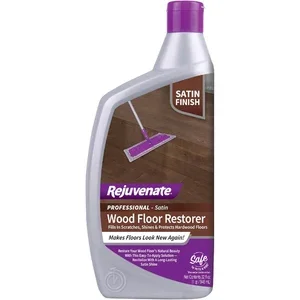 |
Rejuvenate Wood Floor Restorer – $16.61 For scuffs and dulling spread across a whole room rather than a single spot, this fills fine surface scratches and lays down fresh shine in one mopped-on pass.
|
These get lumped together, but they need different treatment:
- Scuff: A mark left ON the finish (rubber shoe soles, moved furniture, dragged boxes). No wood is exposed. Almost always fixable with dry or near-dry methods in a couple of minutes.
- Light scratch: A shallow line that’s gone slightly INTO the finish but hasn’t reached bare wood. Usually needs a matching floor polish or a wax-fill stick, not a full repair.
- Deep scratch or gouge: Cuts through the finish into the bare wood. This needs filler, stain-matching, and a new finish coat over that spot – a real repair, not a buff.
Rubbing a wet vinegar mixture onto a plain surface scuff is treating the easiest category of damage like it’s the hardest one – and it’s the wet, acidic part that can dull the finish other sections of this same kind of article usually tell you to protect two paragraphs later.
Fixing a Fresh Scuff (2-Minute Fix)
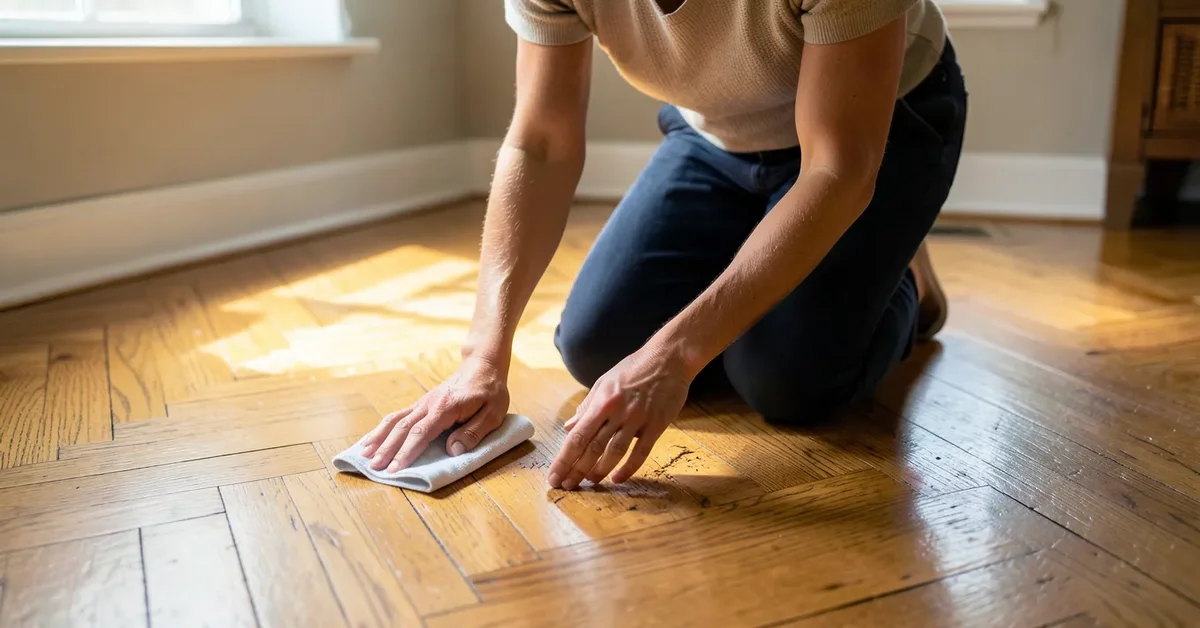
- Try dry friction first. Rub a tennis ball (skewer it on the end of a broom handle for standing marks) or a clean pencil eraser directly over the scuff. Rubber-on-rubber friction lifts most fresh scuffs with zero chemicals and zero risk to the finish.
- Still there? Use a barely-damp microfiber cloth with a floor cleaner made for your floor’s actual finish (check the manufacturer’s site if you’re not sure – polyurethane, wax, and oil finishes all use different cleaners). Wipe, don’t scrub.
- For a stubborn scuff, a melamine “magic eraser” sponge works – but test it in a hidden corner first. It’s a mild abrasive, and on a satin or matte finish it can leave a slightly duller patch if you press hard or use it often.
- Dry the spot with a clean cloth once the mark is gone. Don’t let cleaner sit and air-dry on its own.
Restoring Shine Across a Whole Room
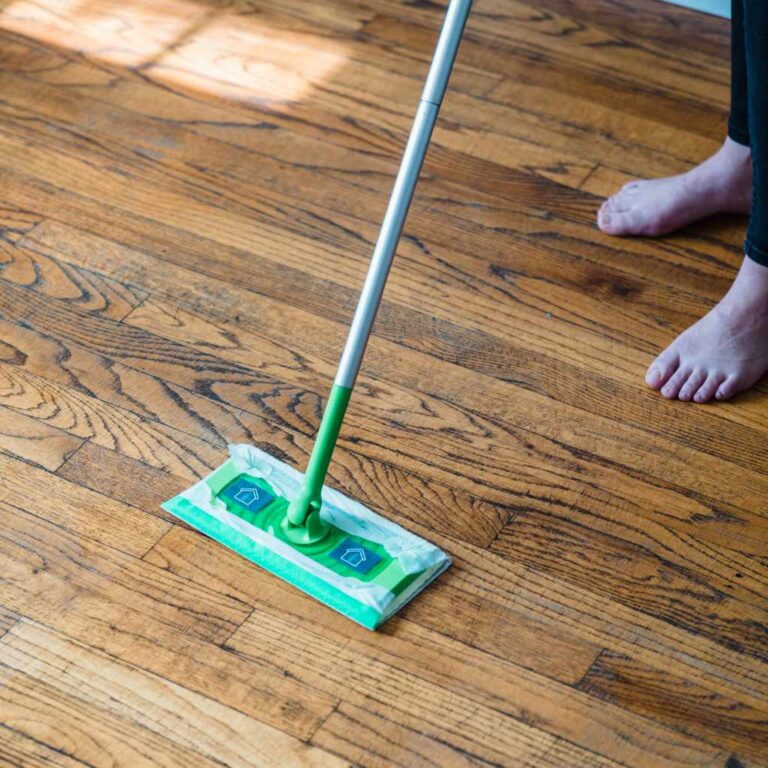
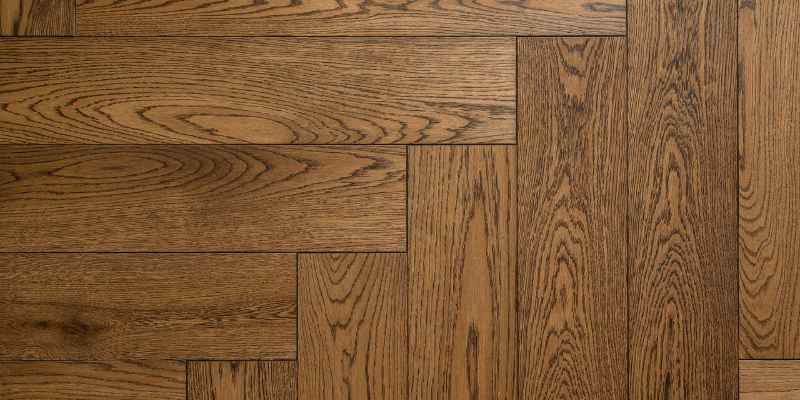
If scuffs and dulling are spread across a larger area rather than one isolated mark, a full scuff-and-shine session with a proper wood floor restorer product does more than any spot-treatment. These products fill fine surface scratches and lay down a fresh protective layer in one pass, without the sanding a full refinish requires.
Repairing a Scratch That’s Reached the Wood
Once a scratch is deep enough to show bare wood instead of just dulled finish, buffing won’t fix it – you need to actually fill and refinish that spot:
- Clean the scratch thoroughly so filler bonds to bare wood, not dust.
- Fill it with a wood filler or wax fill stick close to your floor’s stain color. Overfill slightly – it shrinks a bit as it cures.
- Sand level with 220-grit once the filler is fully dry, sanding with the grain only.
- Match the stain to the surrounding boards, feathering the edges so the repair doesn’t read as a hard-edged patch.
- Seal it with the same type of finish already on the floor (oil-based poly, water-based poly, or wax) – mixing finish types on one floor can cause adhesion or sheen-mismatch problems.
When to Call a Professional
Call in a flooring pro instead of DIYing it when: the damage covers a large section rather than a few spots, the floor has multiple deep gouges close together, you’re not sure what finish is currently on the floor (mixing an incompatible product into an existing finish can cause it to cloud or peel), or the boards themselves are cupping, warping, or separating – all signs of a moisture problem that a surface fix won’t solve.
Preventing the Next Scuff
- Felt pads under every chair and table leg – these cause more day-to-day scuffing than anything else in a house.
- A doormat at every entrance to catch the grit that acts like sandpaper underfoot.
- Keep pet nails trimmed; overgrown nails scratch finish with normal walking.
- Lift furniture to move it instead of dragging – even “furniture sliders” can scuff if grit gets trapped underneath them.
- Use a pH-neutral cleaner made for your floor’s specific finish, not a generic all-purpose or vinegar-based cleaner, for regular mopping.
Frequently Asked Questions
How do you restore scuffed wood floors?
Start with dry friction (a tennis ball or pencil eraser) since most scuffs sit on top of the finish and lift off without any liquid at all. If that doesn’t clear it, use a barely-damp microfiber cloth with a cleaner made for your floor’s specific finish. Skip vinegar-and-oil mixtures; the acid can dull a polyurethane finish over repeated use.
Do scuff marks come out of hardwood floors?
Yes, almost always. Because a scuff sits on the finish rather than in the wood, dry friction or a mild, finish-appropriate cleaner removes the large majority of them without sanding or refinishing.
How do you get scuff marks off hardwood floors without sanding?
Rub the mark with a tennis ball or a clean pencil eraser first. For marks that don’t lift with dry friction, use a barely-damp cloth with a cleaner matched to your floor’s finish, or a melamine sponge tested first in a hidden spot since it’s a mild abrasive.
Can you refinish hand-scraped hardwood floors?
Yes. Hand-scraped floors can be refinished like any other solid hardwood, though the textured surface takes a bit more care during sanding to avoid flattening the scraped texture along with the old finish.
Bottom Line
Most scuffs come off with dry friction or a finish-appropriate cleaner in under five minutes – skip the vinegar-and-oil folk remedy, since it risks dulling the very finish you’re trying to restore. Save fillers, stain-matching, and a fresh finish coat for scratches that have actually broken through to bare wood.
Sponsored / affiliate links. As an Amazon Associate I earn from qualifying purchases. I may earn additional commission from eligible campaigns.