How to Flatten Wood With a Hand Plane: Pro Tips for Smooth Results
Imagine the satisfaction of turning a rough piece of wood into a beautifully smooth surface with just your hands and a trusty hand plane. Whether you’re a seasoned woodworker or a curious beginner, mastering this skill is both rewarding and essential for your projects.
But how do you achieve that perfect finish without the frustration of uneven surfaces or tear-outs? The secret lies in knowing the right techniques and tips to flatten wood with a hand plane effectively. In this guide, we’ll dive into the practical steps and expert advice that will transform your woodworking experience.
You’ll discover how to handle your hand plane like a pro, ensuring every pass leaves your wood flawless and ready for whatever comes next. Get ready to unlock the secrets to achieving smooth results that will leave your friends and family in awe of your handiwork. Keep reading to learn how you can elevate your woodworking skills and tackle any project with confidence.

Credit: www.amazon.com
Choosing The Right Hand Plane
Selecting the right hand plane is crucial for flattening wood efficiently. Achieve smooth results by choosing a plane suited to your project’s needs. Consider the wood type and desired finish for optimal performance.
Types Of Hand Planes
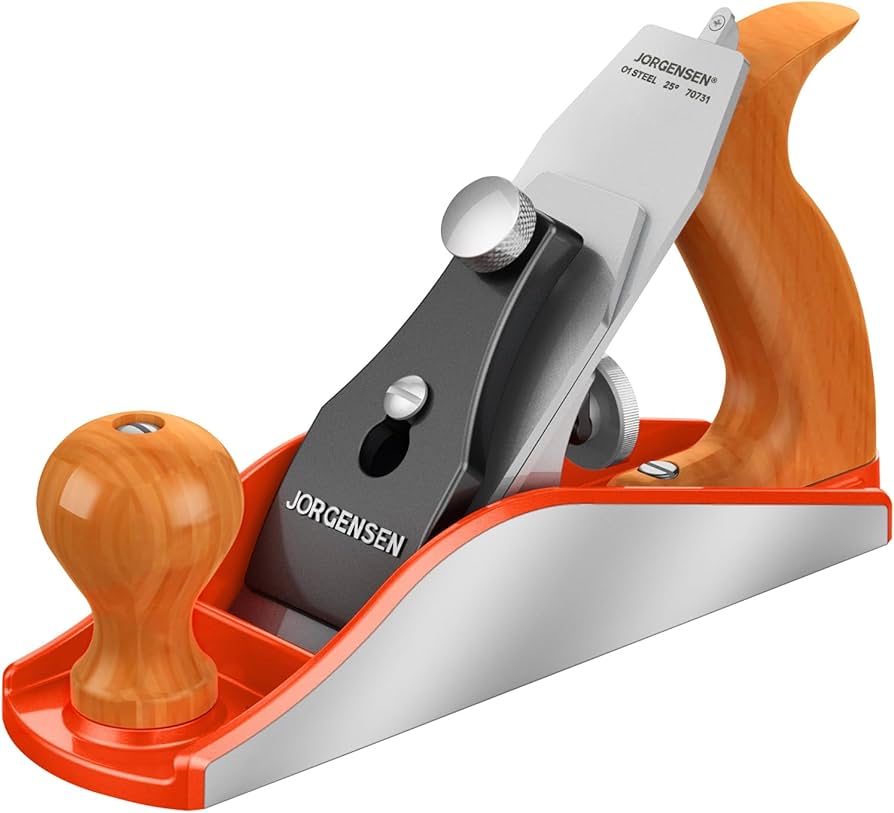
Hand planes come in many types. Each type serves a different purpose. Block planes are small and handy. They work well for trimming edges. Smoothing planes are longer. They help make surfaces smooth. Jack planes are versatile. Use them for general work. Jointer planes are for flattening large boards. Choose based on your task.
Selecting The Proper Size
Size matters in hand planes. Smaller planes are easy to control. Good for small jobs. Larger planes cover more area. Ideal for big pieces of wood. Consider your project size. Choose the right plane size. Proper size ensures efficiency. Makes your work easier.
:max_bytes(150000):strip_icc()/283-Next-Set-of-Hand-PlanesSocial-2000-93e8d6e57e6140588266a6772d537773.jpg)
Credit: www.woodmagazine.com
Preparing Your Workspace
Choose a strong bench for your work. It should not wobble. Stability is key. Secure the bench with clamps if needed.
Keep the bench clear. Remove any clutter. Tools should be easy to reach. Organized tools save time.
Good lighting helps see the wood grain. Use a bright lamp. Natural light is best.
Safety is important. Wear safety glasses. Protect your eyes from wood chips. Gloves can help but should not be too thick.
Preparing The Wood Surface
Start by checking the wood for warps and twists. Place the wood on a flat surface. Look at it from different angles. Watch for any bends or curves. These are warps and twists. Use a straight edge to help spot them. A ruler works well for this. Place it across the wood. Check if there’s a gap between the ruler and wood. That gap shows a warp or twist. Make note of these spots. You will focus on them later.
Use a pencil to mark high and low spots. Rub the pencil over areas that touch the ruler. These are high spots. They need shaving down. Areas with gaps are low spots. These need less work. Marking helps you see the problem areas. It guides your planing process. Your goal is to make the surface flat and even. Pay attention to your marks. They show where to focus your effort.
Adjusting The Hand Plane
Flatten wood effectively by adjusting the hand plane for precision. Ensure the blade is sharp and set correctly. Maintain steady, even strokes for a smooth surface.
Setting The Blade Depth
Setting the blade depth is key for smooth wood. Turn the knob to adjust it. Keep the blade shallow for thin shavings. Deeper settings remove more wood but need care. Test the depth on scrap wood. Adjust until the shaving is right.
Aligning The Blade
Aligning the blade ensures an even cut. Look at the blade’s edge. It should be straight across the mouth. Turn the lateral adjustment lever for side movement. It helps make cuts even. Aligning avoids rough surfaces and uneven wood. Always check the blade’s position before starting.
Planing Technique
Stand with feet apart for balance. Bend your knees slightly. This helps you stay stable. Keep your back straight. Lean your body slightly forward. Your arms should move freely. Use your whole body, not just arms. This makes planing easier and reduces tiredness. Keep your grip firm but not tight. Relax your shoulders. Proper mechanics help you work longer.
Apply even pressure on the plane. Move it smoothly across the wood. Start from one end. Go to the other end without stopping. Keep the pressure light and steady. Heavy pressure can damage the wood. Feel the wood with your hands. Adjust pressure as needed. Consistent pressure helps achieve a smooth surface. Practice makes it easier.
Troubleshooting Common Issues
Tear-out can ruin your wood surface. Use a sharp blade. Always plane with the grain. This reduces tear-out chances. Check the blade angle. A low angle cuts smoother. Try scraping instead of planing. Scrapers help with tricky grains. Adjust pressure on the plane. Light pressure prevents tear-out. Change direction if needed. This helps avoid damage. Practice on scrap wood first. It builds confidence.
Gouges can be a big problem. Keep the plane steady. Use both hands for control. Apply gentle pressure. Too much force causes gouges. Check the blade depth. A shallow cut is safer. Test the plane on scrap wood. It helps adjust settings. Focus on smooth, even strokes. This reduces gouges. Listen to the wood. A different sound might mean a gouge. Slow down if unsure. Careful work gives better results.
Finishing Touches
Achieving smooth wood surfaces involves a hand plane and careful technique. Start with a sharp blade for precise cuts. Practice steady, even strokes to level the wood efficiently.
Smoothing With Sandpaper
Sandpaper makes wood surfaces smooth. Start with coarse sandpaper to remove rough spots. Move to finer grit for a polished look. Always sand in the direction of the grain. This avoids scratches. Check the surface often. Feel it with your hand. Ensure it’s smooth and even. Sandpaper comes in different sizes. Choose the right one. It helps in getting better results.
Applying Protective Coating
A protective coating keeps wood safe. It adds shine and beauty. Choose a good quality wood finish. Follow instructions on the label. Use a soft brush or cloth. Apply evenly over the wood. Let it dry. Check for any missed spots. Add more layers if needed. This makes the wood last longer. Keeps it looking new.
Maintenance And Care
Achieve a smooth finish on wood by using a hand plane with precision. Ensure the blade is sharp for effective cuts. Regularly check your progress to maintain evenness and avoid gouging.
Cleaning Your Hand Plane
Clean your hand plane after each use. Wipe off any dust and debris with a soft cloth. This keeps it in good condition. Remove rust using a rust eraser or fine sandpaper. Apply a thin layer of oil to prevent further rusting. Store in a dry place. Keep away from moisture. This helps your hand plane last longer.
Sharpening The Blade
A sharp blade makes your work easier. Use a sharpening stone for best results. Hold the blade at a 30-degree angle. Move it back and forth on the stone. Check sharpness by cutting a piece of paper. If it cuts cleanly, it is sharp. Always sharpen the blade when it feels dull. This ensures smooth and easy woodwork.
Credit: www.amazon.com
Frequently Asked Questions
How To Smooth A Board With A Hand Plane?
To smooth a board with a hand plane, ensure the blade is sharp and properly adjusted. Hold the plane firmly, applying even pressure as you move it along the wood grain. Start with longer strokes and gradually transition to shorter ones for a fine finish.
Regularly check the surface for smoothness.
How To Make Wood Perfectly Flat?
Sand the wood using coarse grit sandpaper. Use a hand plane to shave high spots. Check flatness with a straightedge. Repeat sanding with finer grits for a smooth finish. Ensure consistent pressure and direction. Use a sanding block for even results.
Seal the wood to prevent warping.
Which Hand Tool Is Used To Make A Flat Smooth Surface On Wood?
A hand plane is used to make a flat, smooth surface on wood. It’s essential for woodworking projects.
What Plane Is Used For Smoothing Wood?
The smoothing plane is ideal for smoothing wood surfaces. It creates a fine finish and removes minor imperfections. This hand tool is essential for woodworkers seeking a smooth, polished look. Its sharp blade efficiently shaves off thin wood layers, providing a flawless surface ready for further finishing.
Conclusion
Flattening wood with a hand plane takes practice and patience. Start by choosing the right plane for your task. Keep your blade sharp for smooth cuts. Always work with the grain to avoid tear-out. Regularly check your progress with a straightedge.
Take light cuts and maintain even pressure. Remember, practice makes perfect. Hand planing can be rewarding and enjoyable. With these tips, you’ll achieve smooth, flat wood surfaces. Enjoy the process and watch your skills grow. Happy woodworking!