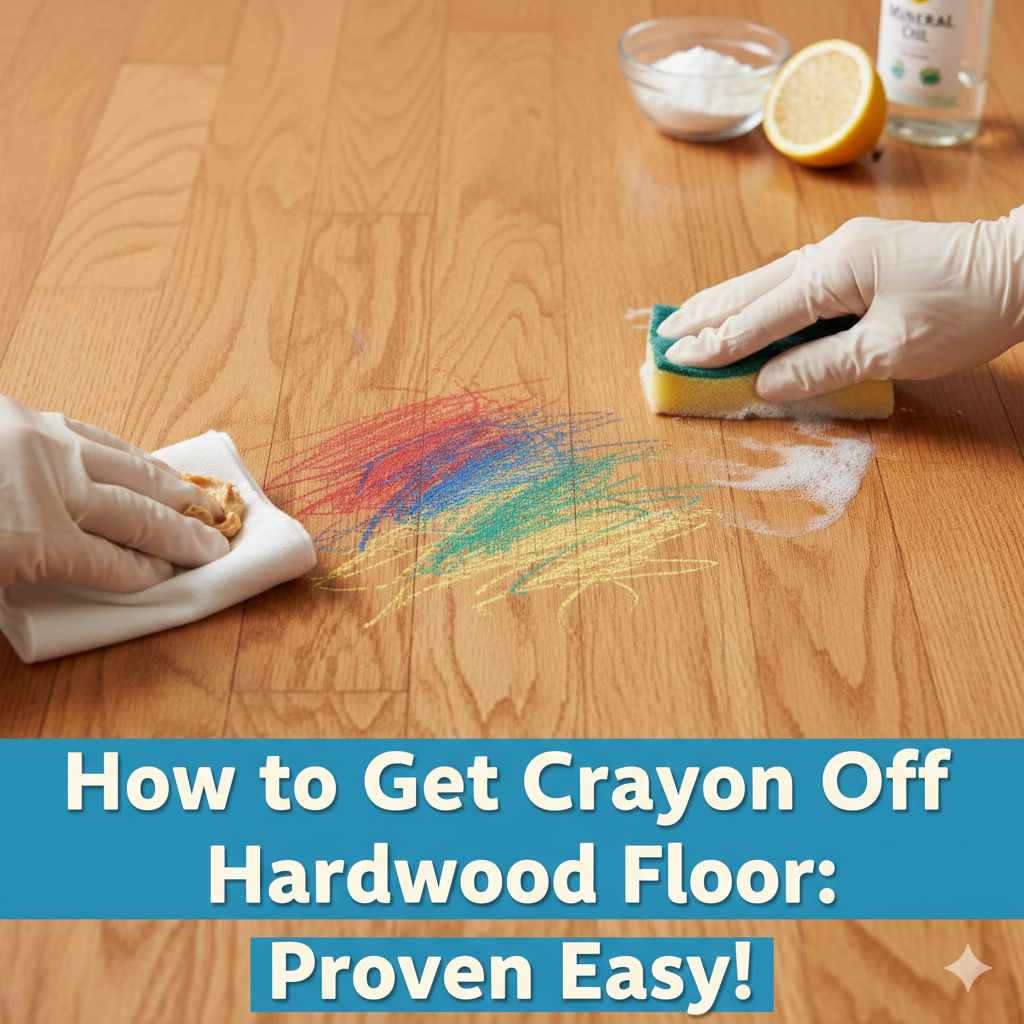
How to Get Crayon Off Hardwood Floor: Proven Easy
Getting crayon off hardwood floors is easy! You can use gentle methods like a hairdryer and cloth, a damp cloth with mild soap, or even a soft eraser. These simple techniques remove crayon marks without damaging your beautiful wood.
Oh no, crayon marks on your lovely hardwood floors! It’s a moment many of us have experienced, especially with little artists around the house. Seeing those colorful streaks can feel like a real headache, but don’t worry! As your woodworking mentor, I’m here to tell you that cleaning crayon off hardwood is totally manageable. We’ll go through a few super simple, safe, and effective ways to bring back the shine to your floors. You don’t need fancy tools or professional help; just a little bit of know-how and common household items. Get ready, because we’re about to tackle this common mess with ease!
Why Crayon on Hardwood is Tricky (But Solvable!)
Crayon is made of wax and pigment. When it melts or gets pressed into your hardwood floor, the wax component can seep slightly into the wood’s finish, while the pigment colors the surface. Regular floor cleaners might just spread the wax around or not be strong enough to lift the color. The key is to break down the wax without harming the wood’s protective coating, like polyurethane or laminate. Using harsh chemicals or rough scrubbing can dull the finish or even scratch the wood. That’s why we need specific, gentle methods that target the crayon itself.
Your Crayon Removal Toolkit
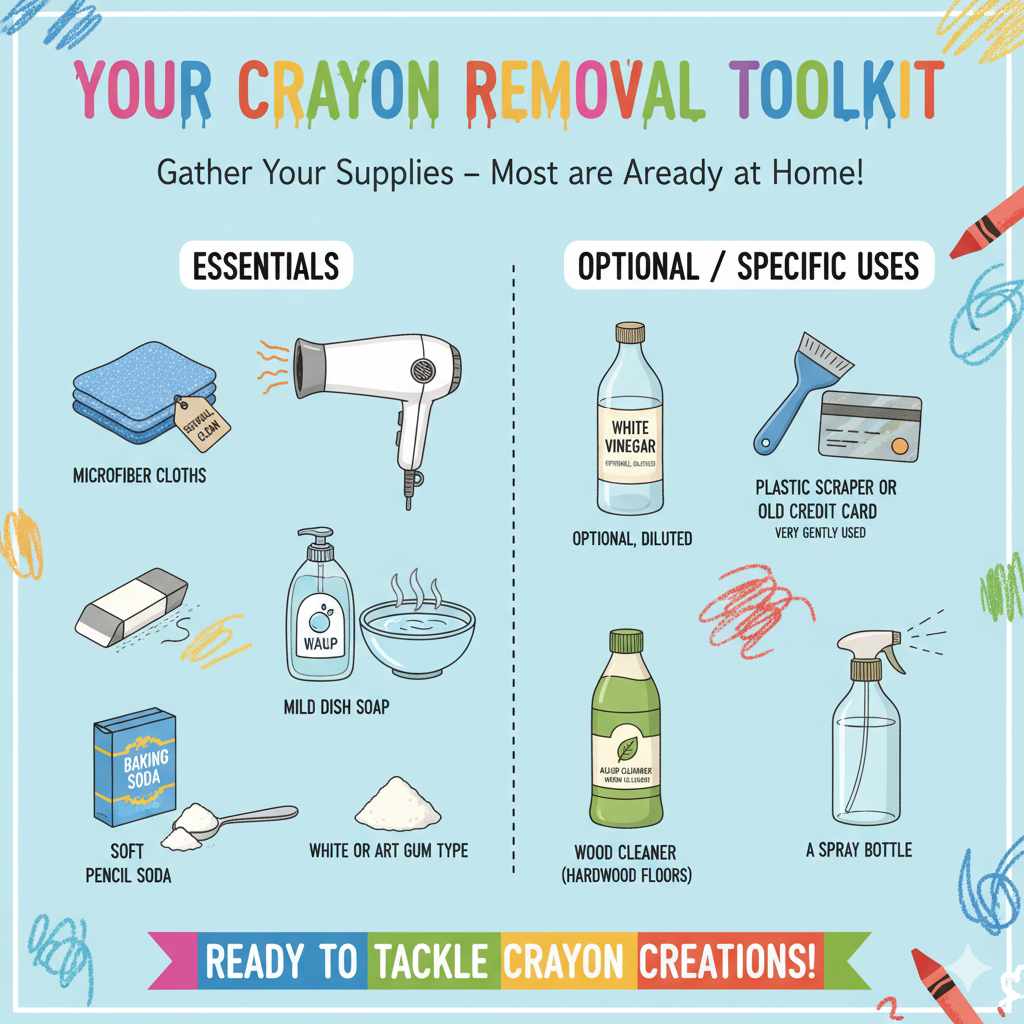
Before we dive into the steps, let’s gather what you might need. The good news is that most of these items are probably already in your home!
- Microfiber cloths (several, clean)
- Hair dryer
- Mild dish soap
- Warm water
- Soft pencil eraser (white or art gum type)
- Baking soda
- White vinegar (optional, and very diluted)
- A plastic scraper or old credit card (very gently used)
- All-purpose wood cleaner (specifically for finished hardwood floors)
- A spray bottle
Proven Easy Methods to Get Crayon Off Hardwood Floor
Let’s get down to business! Here are the best ways to tackle those crayon marks, starting with the gentlest.
Method 1: The Gentle Heat Treatment (Hair Dryer Method)
This is often the first and easiest method to try because it relies on heat to soften the wax, making it easier to wipe away. It’s perfect for fresh marks.
- Prepare the Area: Make sure the floor is free of loose dirt or debris so you don’t grind them into the wood later.
- Apply Gentle Heat: Set your hair dryer to a low or medium heat setting. Hold it about 6-8 inches away from the crayon mark.
- Soften the Crayon: Gently move the hair dryer back and forth over the affected area for about 15-30 seconds. The goal is to slightly melt the crayon wax, not to bake it into the floor.
- Wipe Away: Immediately after warming, take a clean microfiber cloth and gently wipe the softened crayon mark. The wax and pigment should lift onto the cloth.
- Repeat if Necessary: For stubborn marks, you might need to repeat the heating and wiping process a couple of times. Work in small sections.
- Clean Residue: Once the crayon is gone, you can wipe the area with a slightly damp cloth (water only) to remove any remaining residue, then dry with a clean, dry cloth.
Method 2: Mild Soap and Water Wash
This method is excellent for crayon marks that might be a bit more set in or if the hairdryer method didn’t quite get everything. It’s safe for most finished hardwood floors.
- Mix Solution: In a small bowl or bucket, mix a few drops of mild dish soap with warm water. You want a very mild solution – too much soap can leave a residue.
- Dampen Cloth: Dip a clean microfiber cloth into the soapy water and wring it out thoroughly. You want the cloth to be damp, not wet, to avoid introducing too much moisture to your hardwood.
- Gently Scrub: Gently rub the crayon mark with the damp cloth. The soap helps to break down the waxy components of the crayon.
- Rinse: Use a separate clean cloth dampened with plain water to wipe away any soap residue.
- Dry Thoroughly: Immediately dry the area completely with another clean, dry microfiber cloth to prevent water stains.
Method 3: The Eraser Trick
This is surprisingly effective for lighter crayon marks or small smudges. It works because the rubber of the eraser can physically lift the pigment and wax.
- Choose Your Eraser: Use a clean, soft pencil eraser. White or art gum erasers are usually best as they are less likely to leave their own marks.
- Gently Rub: Lightly rub the crayon mark with the eraser. Use gentle, circular motions.
- Check and Repeat: Periodically check the eraser and the floor. You’ll see the crayon pigment transferring to the eraser. Continue until the mark is gone.
- Clean Up: Wipe the area with a dry microfiber cloth to remove any eraser dust.
Method 4: Baking Soda Paste
Baking soda is a mild abrasive and cleaning agent that can help lift stains. Use this method with caution and always test in an inconspicuous area first.
- Make a Paste: Mix baking soda with a small amount of water to create a paste. It should be thick enough to cling to the crayon mark.
- Apply Paste: Gently apply the paste directly onto the crayon mark, covering it.
- Let it Sit: Let the paste sit for about 5-10 minutes.
- Gentle Scrub: Using a damp microfiber cloth, gently rub the paste in a circular motion. The mild abrasiveness of the baking soda will help lift the crayon.
- Wipe Clean: Wipe the area thoroughly with a damp cloth to remove all baking soda residue.
- Dry: Dry the floor immediately and completely with a clean, dry cloth.
Method 5: Wood Cleaner (For Tougher Stains)
If the above methods don’t fully remove the crayon, a dedicated hardwood floor cleaner formulated for finished wood can do the trick. Always choose a cleaner recommended for your specific floor finish. Organizations like the National Wood Flooring Association (NWFA) offer excellent resources on proper wood floor care.
- Choose the Right Cleaner: Select a cleaner specifically designed for finished hardwood floors. Avoid all-purpose cleaners that might contain harsh chemicals or ammonia.
- Test First: Always test the cleaner in a hidden spot (like inside a closet) to ensure it doesn’t damage or discolor your floor finish.
- Apply as Directed: Follow the manufacturer’s instructions precisely. Usually, this involves lightly spraying the cleaner onto a microfiber cloth, not directly onto the floor.
- Wipe the Mark: Gently wipe the crayon mark with the dampened cloth.
- Wipe with Clean Water: If the cleaner requires it, follow up with a cloth dampened with clean water to rinse.
- Buff Dry: Buff the area dry with a clean, dry microfiber cloth.
When to Use a Plastic Scraper (With Extreme Caution!)
For very thick crayon marks, you might be tempted to scrape. If you choose to do this, it’s vital to be extremely careful. A plastic scraper or the edge of an old credit card is less likely to scratch your floor than a metal blade.
- Angle is Key: Hold the scraper at a very low angle to the floor.
- Gentle Pushing: Gently push the scraper under the edge of the crayon mark to lift it. Never dig or force it.
- Work in Sections: Work on tiny sections at a time.
- Follow Up: After scraping away the bulk of the crayon, you’ll likely still need to use one of the cleaning methods above to remove any remaining pigment or wax.
What to AVOID When Cleaning Crayon Off Hardwood
Just as important as knowing what to do is knowing what not to do. These common mistakes can cause more harm than good.
- Harsh Chemicals: Avoid ammonia, bleach, abrasive cleaners, and furniture polish. These can strip the finish or discolor your wood.
- Excessive Water: Never flood your hardwood floors with water. Standing water can warp wood, damage the finish, and lead to costly repairs. Always use a wrung-out damp cloth.
- Abrasive Scrubbers: Steel wool, rough sponges, or abrasive brushes will scratch your floor’s finish. Stick to soft microfiber cloths.
- Scraping with Metal: Never use knives, metal scrapers, or razor blades directly on your wood floor.
- Rubbing Too Hard: Aggressive scrubbing can wear down the protective finish and make the scratches more noticeable than the crayon mark.
Understanding Your Hardwood Floor Finish
The type of finish on your hardwood floor plays a big role in how you should clean it. Most modern hardwood floors have a protective surface finish, such as polyurethane. This finish acts as a barrier. Older floors might have a traditional wax finish, which is more delicate.
Polyurethane/Surface Finishes: These are the most common and durable. They offer good resistance to stains and spills. The methods described above – hairdryer, mild soap, eraser, and gentle wood cleaners – are generally safe for these finishes. The key is to avoid anything that penetrates or scratches the finish itself.
Wax Finishes: If your floor has a wax finish, it’s more susceptible to heat and solvents. For wax-finished floors, stick to gentle wiping with a cloth lightly dampened with water or a cleaner specifically designed for waxed wood floors. Avoid the hairdryer method, as excessive heat can soften the wax finish itself. For deep cleaning waxed floors, a highly diluted solution of white vinegar and water (1 cup vinegar to 10 cups water) can sometimes be used very sparingly, followed by buffing with a clean cloth, but always test first.
To determine your finish, you can try the water drop test in an inconspicuous area: if water beads up, it’s likely a surface finish (like polyurethane). If it soaks in or leaves a dark mark relatively quickly, it might be an older oil or wax finish.
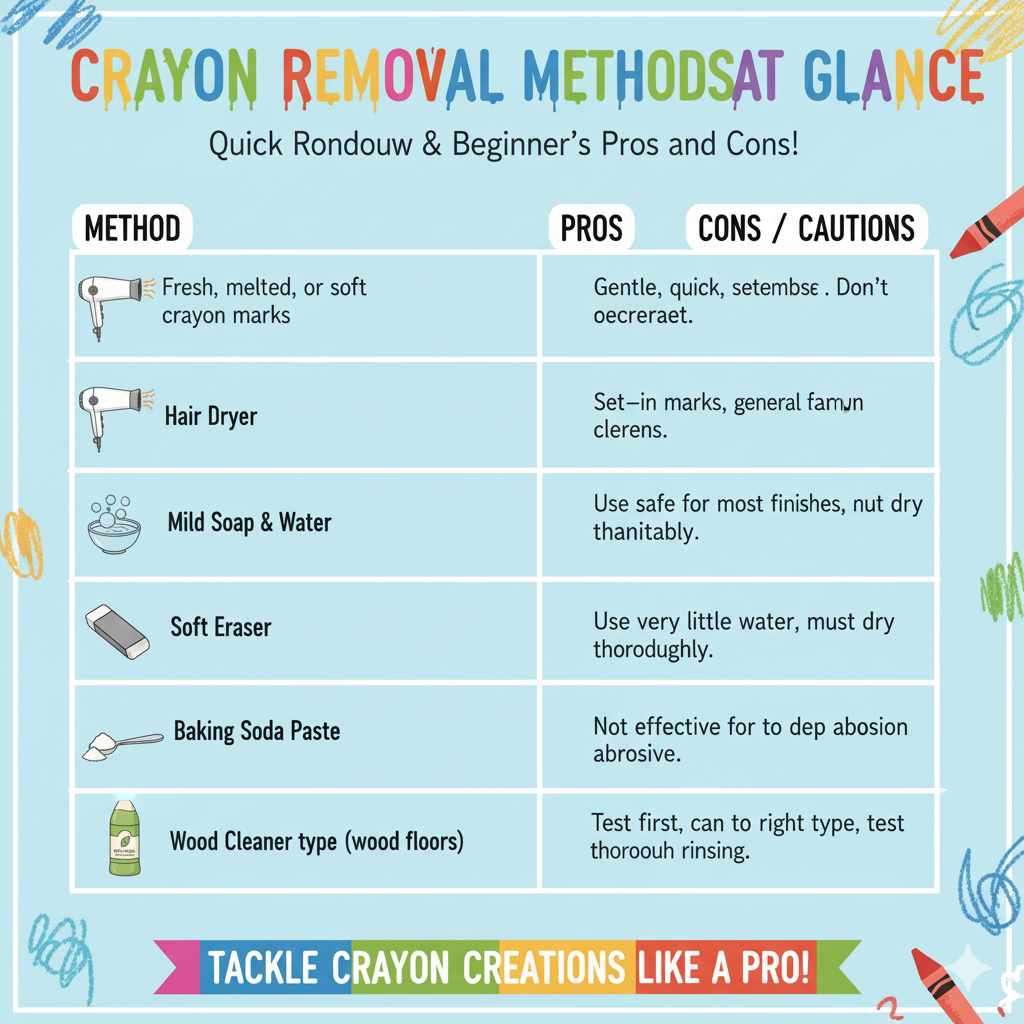
Table: Crayon Removal Methods at a Glance
Here’s a quick rundown of the methods we discussed, along with their pros and cons for beginner use.
| Method | Best For | Pros | Cons/Cautions |
|---|---|---|---|
| Hair Dryer | Fresh, melted, or soft crayon marks | Gentle, quick, uses common item | May require several attempts for tough marks. Don’t overheat. |
| Mild Soap & Water | Set-in marks, general cleaning | Safe for most finishes, readily available ingredients | Use very little water; must dry thoroughly. |
| Eraser | Light marks, pencil-like smudges | Simple, no mess, very gentle | Not effective for deep or waxy marks. |
| Baking Soda Paste | Stubborn pigment, light abrasion needed | Natural cleaner, mildly abrasive | Test first; can be too abrasive for some finishes. Requires thorough rinsing. |
| Wood Cleaner | Tough, old stains | Specifically designed for wood floors | Must use the right type; test carefully. |
Frequently Asked Questions (FAQ)
Q1: Will these methods damage my hardwood floor finish?
The methods described, especially the hairdryer, mild soap and water, and carefully used eraser, are designed to be gentle on most finished hardwood floors. Always avoid harsh chemicals and excessive water. Testing in an inconspicuous area is always a good idea if you’re unsure.
Q2: How do I prevent crayon marks in the future?
Prevention is key! Consider providing designated art areas for kids, using large floor mats or washable rugs under play areas, and keeping crayons out of reach when not supervised. Educating children about respecting the floors can also help over time by explaining why we keep art supplies off of them.
Q3: What if the crayon stain has been there a long time and is really set in?
For long-set, stubborn stains, you might need to repeat a method a few times. Start with the gentlest (hair dryer, mild soap) and move to slightly more intensive methods like a dedicated wood cleaner. If the pigment has deeply penetrated an older or worn finish, professional refinishing might eventually be considered, but try the common methods first.
Q4: Can I use rubbing alcohol to remove crayon?
Rubbing alcohol (isopropyl alcohol) can be very effective at dissolving wax and pigments. However, it can also damage or dull the finish on some hardwood floors, especially if used undiluted or left to sit. If you choose to use it, test it in a very small, hidden area first, use it sparingly on a damp cloth, and rinse and dry immediately. Proceed with extreme caution.
Q5: My crayon mark is greasy. What’s the best way to clean that?
The waxy nature of crayon makes it feel greasy. The mild dish soap method is excellent for cutting through grease. Dish soap is formulated to break down oils and waxes, so using a slightly soapy, damp cloth followed by a clean water rinse and thorough drying should handle greasy crayon marks effectively.
Q6: What is the safest way to clean crayon off a floor with an unknown finish?
If you don’t know your floor’s finish, always start with the absolute gentlest methods: a dry microfiber cloth, then a slightly damp cloth with plain water. If that doesn’t work, try the hairdryer method or a very mild soap and water solution, being careful to wring out your cloth extremely well. Avoid anything that smells harsh or feels abrasive.
Maintaining Your Beautiful Hardwood Floors
Keeping your hardwood floors looking their best involves regular, gentle cleaning. A quick sweep or vacuum (with a soft brush attachment) daily or every other day can prevent grit from scratching the surface. Follow up with a weekly clean using a method approved for your floor’s finish. For those deeper cleaning needs, a good quality hardwood floor cleaner is your friend.
Consider investing in quality microfiber mops and cloths. They are excellent for cleaning without leaving behind streaks or moisture. For high-traffic areas or under furniture, consider using felt pads to prevent scratches, just as the Building Performance Association recommends in their maintenance guides.
Conclusion
See? Getting crayon off your hardwood floors doesn’t have to be a daunting chore. With a few simple household items and these easy-to-follow methods, you can restore your floors to their former glory. Remember to always start with the gentlest approach, work carefully, and dry the area thoroughly. By following these tips, you’ll keep your wood floors looking beautiful and make those colorful mishaps a thing of the past. Happy cleaning, and don’t let the occasional crayon masterpiece on the floor worry you!