How to Get Permanent Marker off Wood Without Alcohol: Tips
A baking soda paste, a melamine sponge (a “magic eraser”), or fine-grit sandpaper as a last resort all lift permanent marker from wood without touching a bottle of rubbing alcohol. Which one to reach for depends on whether the wood is finished (sealed with poly, varnish, or wax) or bare — a sealed surface tolerates more scrubbing, while raw wood absorbs ink directly into the grain and needs a gentler touch.
Why Alcohol Isn’t The Only Answer
Best Alcohol-Free Marker Remover
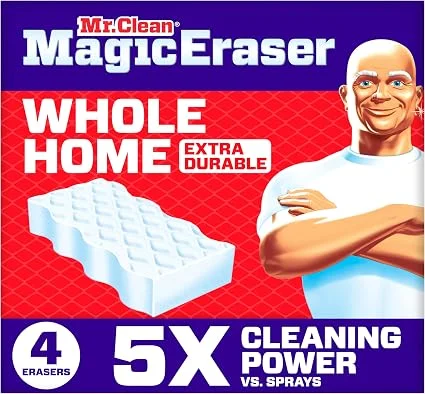 |
Mr. Clean Magic Eraser, 4-Count – $5.39 A melamine foam sponge that lifts ink through fine mechanical abrasion, not solvents — no alcohol, no chemical smell.
|
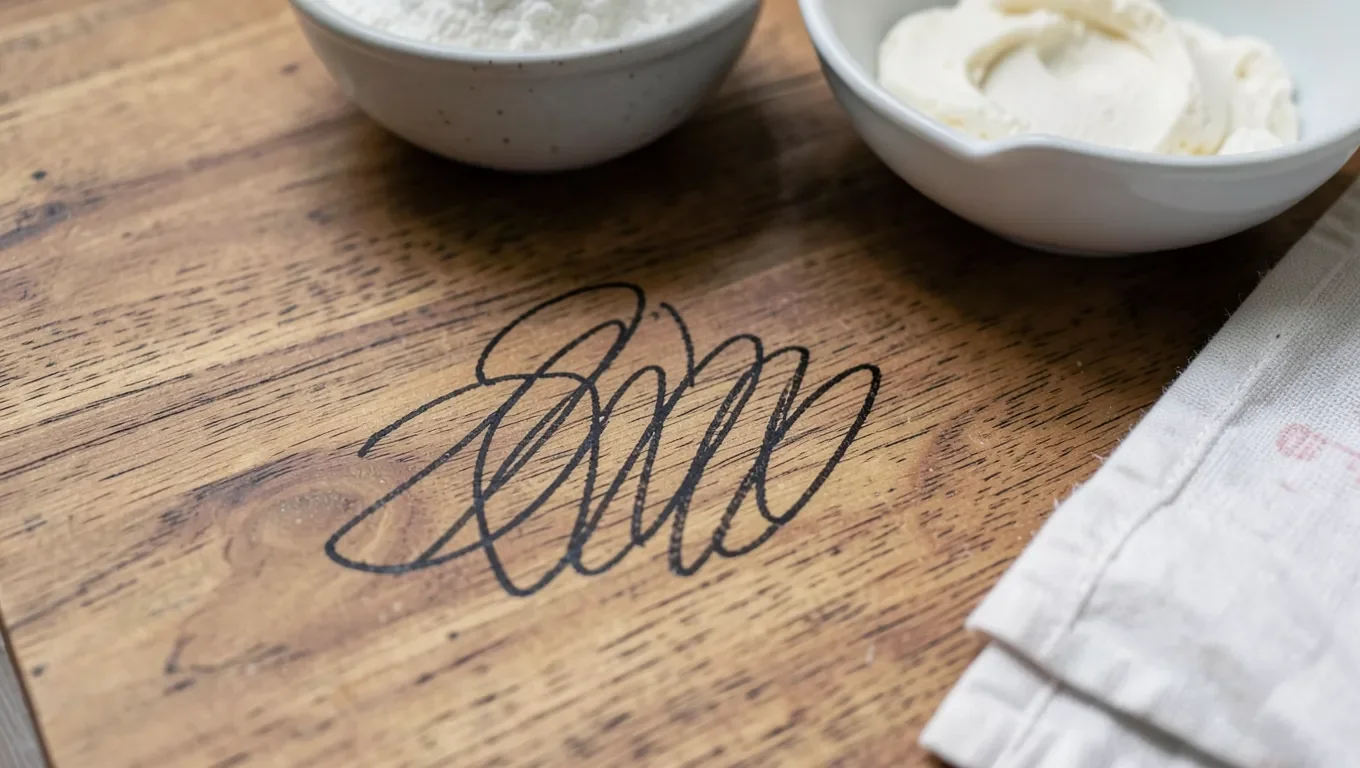
Permanent marker ink is made of pigment suspended in a fast-drying solvent that bonds to whatever it touches. Rubbing alcohol works by dissolving that bond chemically, but it’s not the only way to break it — a melamine sponge lifts ink through extremely fine mechanical abrasion, and mild acids like lemon juice or baking soda’s alkaline paste can loosen the bond on many finishes too. Wood is porous, so how deep the ink has soaked in matters as much as which remover you pick: a fresh mark on a sealed finish sits mostly on the surface, while an old mark on bare wood has worked into the grain itself.
Household Methods That Actually Work
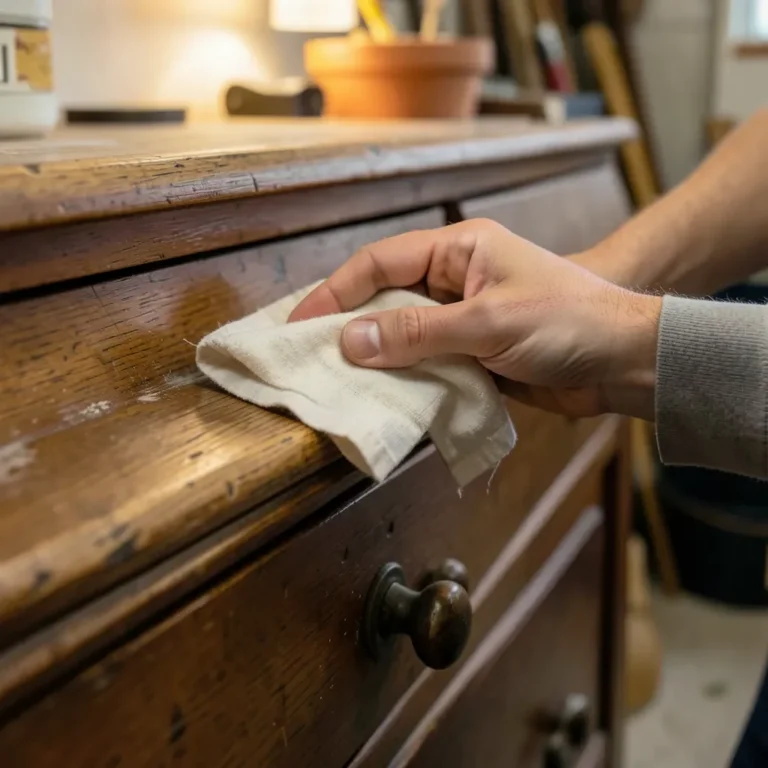
- Baking soda paste: mix baking soda with a small amount of water into a thick paste, spread it over the mark, let it sit a few minutes, then rub gently with a soft cloth. Works on most sealed finishes without noticeable abrasion.
- Non-gel toothpaste: a small amount rubbed in circular motions with a damp cloth. The mild abrasives in toothpaste work similarly to baking soda — test an inconspicuous spot first since some whitening formulas are more abrasive than others.
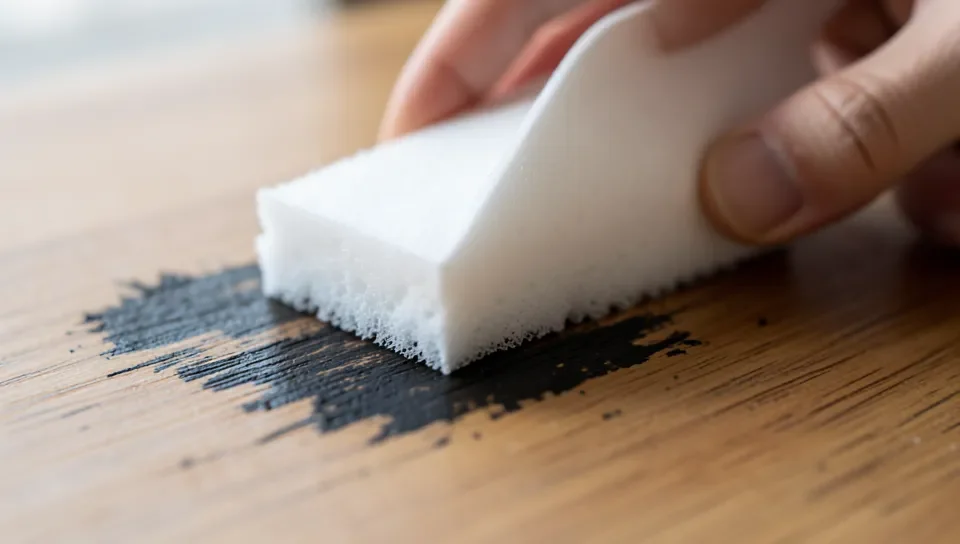
- Melamine sponge (“magic eraser”): dampen and rub gently over the mark. This is the most consistently effective household option for a set-in stain, since it’s actually removing a microscopic layer rather than just loosening ink chemically.
- Lemon juice: mild and pleasant-smelling, but genuinely the weakest option on this list — fine for a very fresh, light mark, unreliable on anything that’s dried and set for more than a day.
Coconut oil and olive oil are commonly recommended too, and they do have some real effect — the oil can soften and partially loosen fresh ink that hasn’t fully cured, especially on a finished surface. Don’t expect oil to fully lift an old, set-in stain the way a melamine sponge or baking soda paste will; it’s a mild option worth trying on a fresh mark, not a first choice for anything that’s been there a while.
When To Sand Instead
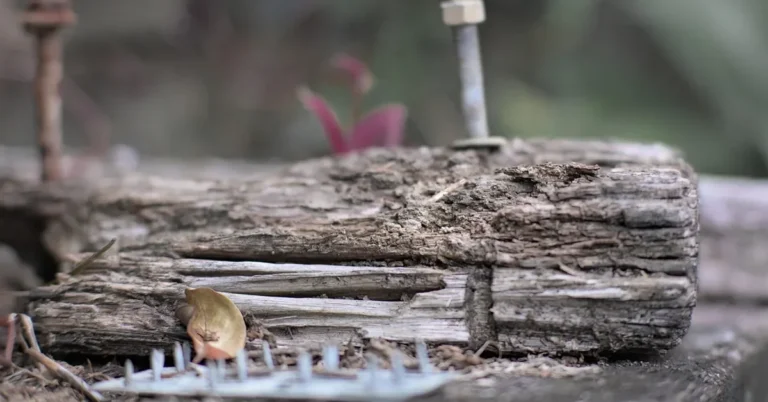
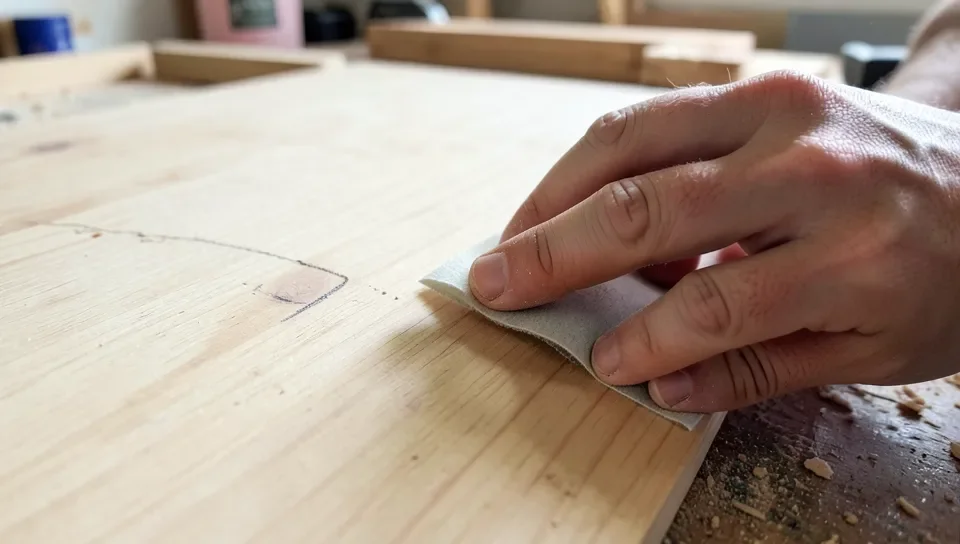
If the mark has soaked into bare, unfinished wood, no surface cleaner will fully lift it — the ink is inside the fibers, not just sitting on top. Fine-grit sandpaper (220-grit or finer) is the real fix at that point: sand gently, check often, and stop as soon as the mark fades to avoid over-sanding a visible low spot. On finished wood, sanding should be the last resort after the gentler methods above, since it removes some of the finish along with the mark and usually needs a matching touch-up afterward.
Commercial Products, If Household Methods Don’t Cut It
Wood-safe cleaners labeled specifically for stain or ink removal exist for a reason — they’re formulated to break down marker pigment without the harshness of straight solvents. Always test a hidden spot first regardless of what the label claims, apply with a soft cloth in a circular motion, and rinse with water afterward. These are worth reaching for on a stain that’s resisted every household method above, not as a first-line option.
Preventing The Next Stain
A protective finish (polyurethane, varnish, or wax) makes future marker marks dramatically easier to remove, since the ink sits on top of a sealed surface instead of soaking into raw fibers. Polyurethane holds up well in high-traffic areas; wax gives a softer glow but needs more frequent reapplication. For markers specifically: use washable markers around wood furniture when possible, keep permanent markers away from work surfaces used by kids, and wipe any fresh mark immediately — ink that hasn’t dried is far easier to remove than ink that’s had time to cure.
Frequently Asked Questions
How Do You Get Sharpie Off Wood Without Alcohol?
Start with a baking soda paste or a melamine sponge, both of which lift ink without any alcohol. For a mark that’s soaked into bare wood, fine-grit sandpaper is the reliable fallback once gentler methods have been tried.
Can Hand Sanitizer Remove Sharpie From Wood?
Most hand sanitizers contain alcohol, so they work the same way rubbing alcohol does — effective, but not an alcohol-free option. If avoiding alcohol specifically is the goal, use baking soda paste or a melamine sponge instead.
What’s The Best Alcohol-Free Method For A Stubborn Stain?
A melamine sponge (a “magic eraser”) is the most consistently effective alcohol-free option for a stain that’s already set in, since it removes ink through fine abrasion rather than relying on a chemical solvent. Baking soda paste is a gentler first attempt before reaching for the sponge.
How Do You Get Permanent Marker Off Wood With Toothpaste?
Apply a small amount of non-gel toothpaste to the mark and scrub gently with a damp cloth, then wipe clean with a dry cloth. Its mild abrasives work similarly to baking soda paste. Test an inconspicuous spot first, since some whitening formulas are more abrasive than others.
Conclusion
Removing permanent marker from wood without alcohol comes down to matching the method to the surface: baking soda or toothpaste for a gentle first try, a melamine sponge for anything that’s set in, and sandpaper as the real fallback for ink absorbed into bare wood. Always test a hidden spot first, and remember that a sealed finish is what actually makes future marks easy to remove.
Sponsored / affiliate links. As an Amazon Associate I earn from qualifying purchases. I may earn additional commission from eligible campaigns.