Wood Rot Repair in 5 Steps (With Real Dry Times and Specs)
Most wet rot on a door frame, sill, or deck board can be repaired without replacing the wood: dig out everything soft, soak what remains with a wood hardener, fill with a two-part filler, then sand, prime, and paint. It only holds if the wood is dry and the leak is fixed first. Below are five steps with the dry times and mixing windows from the Minwax and Abatron data sheets, plus the fume-safety rules.
What Is Wood Rot?
Best Rot Hardener Pick
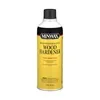 |
Minwax High Performance Wood Hardener, 1 Pint ($18.35) This is the consolidant used in Step 3 below: brush on several coats until the surface turns shiny, then wait 2 to 4 hours before filling.
|
As an Amazon Associate we earn from qualifying purchases.
Wood rot is the decomposition of timber caused by fungi that break down the wood’s structural fibers. Once wood stays wet enough, wood-rotting fungi begin to grow, feeding on the cellulose or lignin inside the timber. Left untreated, rot spreads and destroys structural integrity completely.
There are two main types, and telling them apart matters because they behave differently and require different treatments:
| Type | Fungi | Moisture to Start | Appearance | Spreads? |
|---|---|---|---|---|
| Dry Rot | Serpula lacrymans | 20-30% | Orange/brown, brittle, crumbles into cubes | Yes, through dry wood and masonry |
| Wet Rot | Multiple species | 50-60% | Dark, soft, spongy | No, stays in the damp area |
Dry rot is the more serious of the two because it can spread beyond the original damp area into dry timber and even through masonry. Wet rot is more common and stays confined to wherever the wood is wet.
Identifying Wood Rot
Spotting wood rot early saves money. Check for soft, discolored, or crumbling wood, and probe suspect spots with a screwdriver: sound wood resists the tip, rotted wood lets it sink in. If the probe goes in deep or the piece carries load, use our screwdriver probe test and repair-or-replace guide before you start digging.
Signs Of Wood Rot
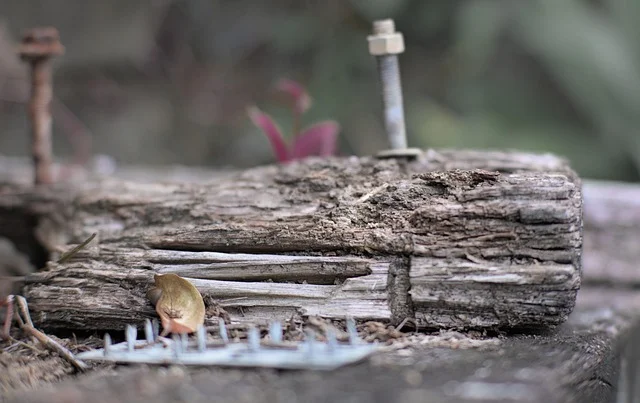
Wood rot appears as soft, discolored, or crumbling wood. Sometimes it smells musty. Spots may feel spongy when touched. Look for peeling paint or dark stains, which can indicate hidden rot. Notice any cracks or splits in the wood, because rot often hides there.
Common Areas Affected
Wood rot often affects areas exposed to moisture. Windowsills, door frames, and decks are common spots, and our guide on repairing an old wood window frame shows a full walkthrough for the frame itself. Check porches, railings, basement beams, and anywhere below a gutter.
Types Of Wood Rot: Dry Rot vs Wet Rot
Not all wood rot is the same. Before you start any repair, you need to know which type you are dealing with, because dry rot and wet rot require different treatments.
| Feature | Dry Rot | Wet Rot |
|---|---|---|
| Moisture needed | 20-30% wood moisture | 50%+ wood moisture |
| Appearance | Dry, cracked, grey/brown; deep cracks across grain | Soft, spongy, darkened, fibrous |
| Fungus type | Serpula lacrymans (one species) | Many different fungi |
| Spread | Spreads beyond original damp area, most serious | Stays localised to damp source |
| Smell | Earthy, mushroom-like | Musty, mouldy |
| Common locations | Structural timbers, floor joists, roof beams | Window frames, door sills, decking, fascia boards |
| Repair approach | Remove all affected wood and treat surrounding area | Dry out source, treat with wood hardener and filler |
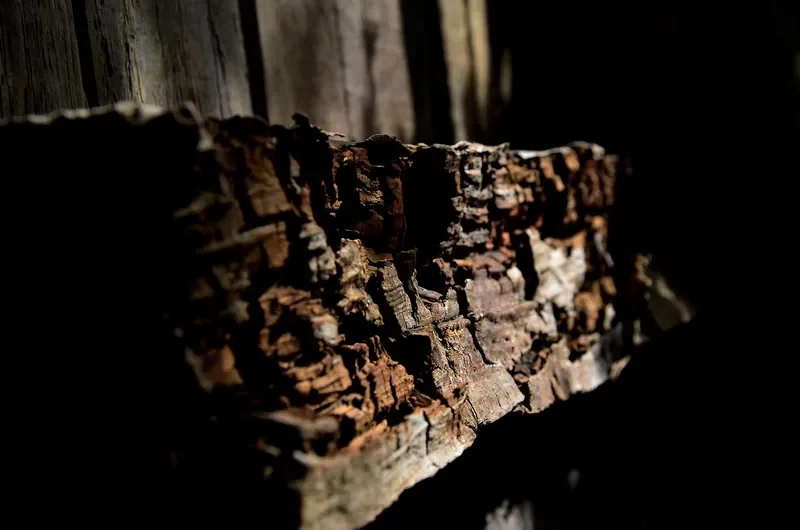
Dry rot is the more serious problem. It can spread through masonry and reach structurally important timbers far from the original damp source. If you see white, cobweb-like mycelium growth or deep cuboidal cracking across the grain, call a specialist before attempting DIY repair. Wet rot, while more common, stays localised, and it is the type most homeowners can repair successfully.
To check moisture levels in your wood before and after drying, see our guide on what moisture level is acceptable in wood.
Causes Of Wood Rot
Wood rot needs moisture, oxygen, and a food source, and the wood supplies the food. Fix the water and the fungi stop; skip that and any repair will rot out again.
Moisture Issues
Wood rot often starts because of excess moisture. Rain, snow, or leaks can make wood wet, and wet wood is a perfect place for fungi to grow. To stop wood rot, keep wood dry. Fix leaks and clean up water spills quickly.
Poor Ventilation
Poor ventilation can also cause wood rot. Good airflow helps keep wood dry; without it, moisture stays on the wood and makes rot more likely. Use fans or vents to improve airflow and keep windows open when possible.
Wood Rot Repair: Step-by-Step Guide
For most wet rot on doors, frames, window sills, and decks, a two-product system works: a liquid hardener (consolidant) that soaks into the soft fibers, then a two-part filler that rebuilds the shape. The numbers below come from the manufacturers’ own data sheets.
Before You Start: Fix the Water Source
No product on the shelf makes up for a leak. Dry rot establishes above roughly 20% wood moisture content, so find the cause first: an overflowing gutter, failed caulk, missing flashing, a sprinkler hitting the wall, or wood sitting in contact with soil. Repair the cause, let the wood dry, and confirm it with a moisture meter before you buy anything.
What You Need: Product Specs Side by Side
Here is how the common repair products compare on the figures printed on their data sheets. One correction worth knowing: Minwax High Performance Wood Filler is a polyester resin with styrene, not an epoxy, and its working time is about 10 minutes, far shorter than most epoxies.
| Product | What it is | Working window | Ready for the next step |
|---|---|---|---|
| Minwax High Performance Wood Hardener | Synthetic resin in acetone and alcohol, 25% solids, thin at 50 cps | Brush on several coats in quick succession until shiny | Wait 2-4 hours before filling; flash point -4 F |
| Minwax High Performance Wood Filler | Two-part polyester resin with styrene, 88% solids | Workable about 10 min at room temperature; mix only what you can use in 15 min | Carve at 20 min, sand at 30 min; prime before painting |
| Abatron WoodEpox | Two-part epoxy filler mixed 1:1 by volume | About 20 min pot life at 75 F | Hardens in 1-2 hours; apply between 50 and 90 F (cold-weather version rated to 35 F) |
| Abatron LiquidWood | Solvent-free two-part epoxy consolidant, 100% solids | Check your kit’s data sheet | Used under WoodEpox as the consolidant |
You will also need a chisel or stiff scraper, a drill, a disposable bristle brush, a putty knife, a plastic lid or scrap board for mixing, 80 and 120 grit sandpaper, primer, paint, and acetone for hardener cleanup, which the Minwax sheet specifies.
Safety: Ventilation, Respirator, and Gloves
- Hardener fumes and fire: the Minwax hardener label reads “Extremely flammable. Contains acetone and methyl alcohol.” It says to open windows and doors during application and drying, and to wear respiratory protection (NIOSH/MSHA TC23C or equivalent) if adequate ventilation cannot be maintained. If your eyes water or you get a headache or dizziness, get fresh air.
- Heat guns and pilot lights: a flash point of -4 F means the vapor can ignite far below freezing. Finish any heat-gun drying before the can is opened, and keep flames, sparks, and heaters away until the wood has fully cured.
- Pick the right respirator: NIOSH states that N95 filtering facepiece respirators do not protect against gases or vapors. For solvent fumes you need a half-mask with organic vapor cartridges; see the NIOSH filtering facepiece guidance. A dust mask only helps with sanding dust.
- Filler and epoxy skin contact: the Minwax filler label calls for safety glasses and rubber gloves, and notes vapor is harmful. The paste hardener tube contains benzoyl peroxide. Abatron’s LiquidWood safety data sheet lists the epoxy resin as a skin sensitizer, so wear gloves and wash up after handling.
- Painted trim in older homes: the EPA says about three-quarters of US homes built before 1978 still contain some lead-based paint, and repair work can create dangerous lead dust. Test the paint before you scrape or sand a pre-1978 frame.
Step 1: Remove All Rotted Wood
Use a chisel, stiff scraper, or old screwdriver to dig out every soft, punky, or crumbling section. Keep probing until you reach firm wood on all sides, because rot left behind keeps spreading under the repair, and clear off dirt, grease, and loose paint. For hollow areas, drill a few 3/8-inch holes so the liquid hardener can reach the interior.
Step 2: Let the Wood Dry
The Minwax data sheet says the wood should be dry before the hardener goes on, and wet wood also keeps the fungi active. If you exposed damp wood, give it a day or two to dry and check it with a meter, aiming well under the 20% level that fungi need.
Step 3: Apply Liquid Wood Hardener
Brush the hardener onto every bare surface of the cavity, including the sides and back. Per the Minwax data sheet, apply it with a disposable brush to completely saturate the area, then apply several coats in quick succession until you see a shiny surface. It is thin (50 cps) and only 25% solids, so it wicks in and needs several coats. Then wait 2 to 4 hours before filling. Our explainer on what wood hardener does covers how it penetrates and bonds.
One limit to keep in mind: the data sheet describes the product as strengthening decayed fibers and sealing against further moisture. It makes no fungicide claim, so hardener does not replace fixing the leak.
Step 4: Mix and Apply the Filler
Mix only as much as you can use in 15 minutes. For the Minwax filler, scoop a golf-ball-size amount onto a plastic lid, add the line of hardener from the tube, and mix thoroughly. Press a thin first layer into the wood, then pack in enough to fill the gap, slightly overfilling to allow for sanding. You get roughly 10 minutes at room temperature, so for a big void work in two or three small batches.
If you prefer epoxy, Abatron’s WoodEpox is mixed 1:1 by volume and gives about 20 minutes of pot life at 75 F, then hardens in one to two hours. For the full epoxy-only routine and product comparison, see our wood rot repair with epoxy guide.
Step 5: Sand, Prime, and Paint
The Minwax filler can be carved with a sharp knife after about 20 minutes and sanded, planed, or filed after about 30 minutes. Shape it with 80 grit, then smooth it with 120 grit and wipe off the dust. Minwax recommends a primer before painting over the filler. Paint is the safer finish for repairs: the data sheet admits that no filler, once stained, matches the original wood exactly. Prime and paint the end grain and edges too, and caulk the joint so water has nowhere to enter.
Common Mistakes That Make Repairs Fail
- Filling over wet wood: the hardener sheet calls for dry wood, and trapped moisture lets rot restart under the fill.
- Treating the filler like epoxy: mixing a large batch of Minwax polyester filler wastes it, because it is workable for about 10 minutes.
- Skipping the wait: adding up the label times, expect roughly 2.5 to 4.5 hours of waiting between the first hardener coat and the first sanding, before drying and paint cure.
- Wearing the wrong mask: a dust mask does nothing against acetone and styrene vapor.
- Skipping the primer: the filler data sheet recommends it, and bare filler can look patchy under paint.
Keep The Repair From Failing
Repairs fail at the joints and the end grain. Keep gutters clear, keep soil and mulch away from wood, seal the repaired edges, and recheck the spot every spring and fall with a screwdriver. For rot-prone decks and outdoor structures, starting with pressure-treated wood is the best prevention.
Frequently Asked Questions
How Do You Fix Rotting Wood Without Replacing It?
Dig out all soft wood until you hit firm wood, let it dry, brush on a wood hardener in several coats, wait the 2 to 4 hours the Minwax data sheet specifies, then pack in a two-part filler, sand, prime, and paint. This works for localized wet rot, not for structural timbers or spreading dry rot.
Can Rotten Wood Be Restored?
Yes, if the rot is localized and firm wood remains around it. Hardener restores strength to the soft fibers and filler rebuilds the missing profile. Wood that is rotted through a beam, post, or load-bearing member should be replaced or assessed by a professional instead.
What Is The Best Thing To Fill Rotted Wood With?
A two-part exterior-grade wood filler. Minwax High Performance Wood Filler is a polyester resin with a 10 minute working time at room temperature, while Abatron WoodEpox is a 1:1 epoxy with about 20 minutes of pot life at 75 degrees F.
What Is The Cheapest Way To Fix Wood Rot?
Remove the soft wood, harden what remains with a pint of wood hardener, and fill it with a small can of two-part filler. That costs far less than replacing a sill or door jamb, provided you stop the moisture source first.
How Long Does Wood Hardener Take To Dry Before You Can Fill?
The Minwax High Performance Wood Hardener data sheet gives a dry time of 2 to 4 hours before you fill the void with wood filler. Apply several coats in quick succession first, until the surface looks shiny and will not absorb more.
Do You Need A Respirator For Wood Hardener?
Minwax’s label says to open windows and doors, and to wear respiratory protection (NIOSH/MSHA TC23C or equivalent) if adequate ventilation cannot be maintained. A paper dust mask or N95 does not stop solvent vapors, so use a half-mask with organic vapor cartridges when you cannot get a strong cross-breeze.
Conclusion
A lasting wood rot repair comes down to order: stop the water, dig out to firm wood, let it dry, harden it, fill it, then prime and paint. For more fixes like this, browse our woodworking tips and fixes guide.
Sponsored / affiliate links. As an Amazon Associate I earn from qualifying purchases. I may earn additional commission from eligible campaigns.