How to Get Rid of MDF: Effective Tips and Tricks
Struggling with MDF? You’re not alone.
This common material, often found in furniture and fixtures, can be a real headache when it’s time for a change. Whether you’re renovating, redecorating, or simply refreshing your space, removing MDF effectively can seem daunting. But what if I told you there’s a way to tackle this task with ease?
Imagine the satisfaction of transforming your space without the hassle of stubborn MDF getting in the way. In this guide, you’ll uncover simple, practical steps to get rid of MDF, ensuring your home improvement project is as smooth as possible. Stay with us, and discover how to reclaim your space with confidence and clarity.

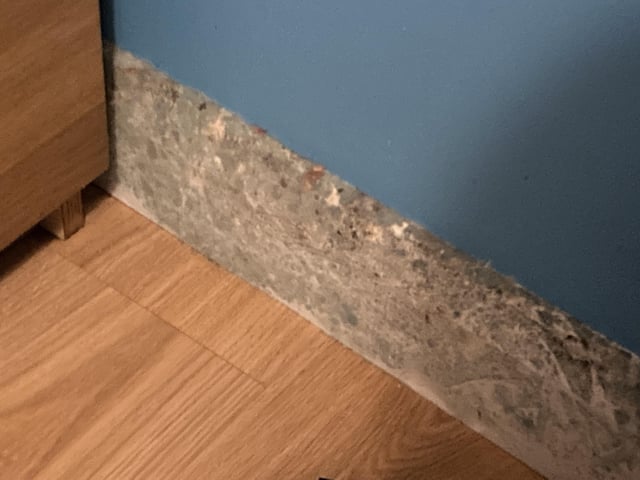
Credit: www.reddit.com
Understanding Mdf And Its Uses
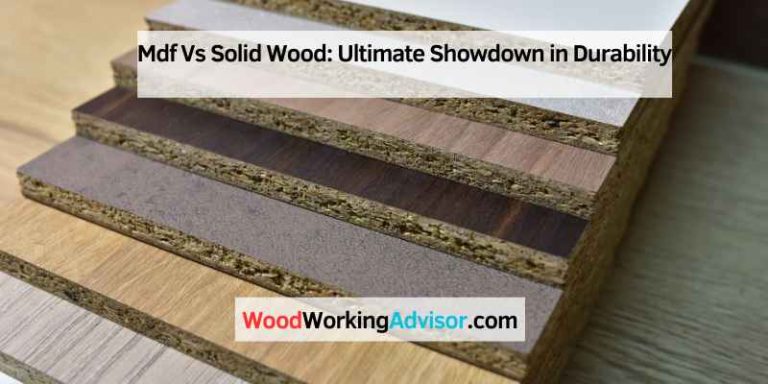
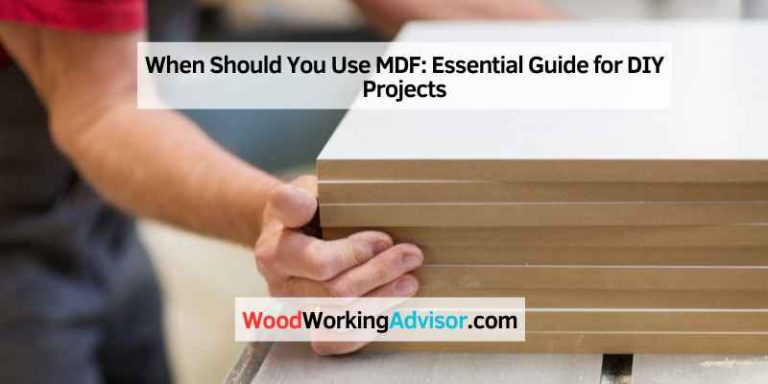
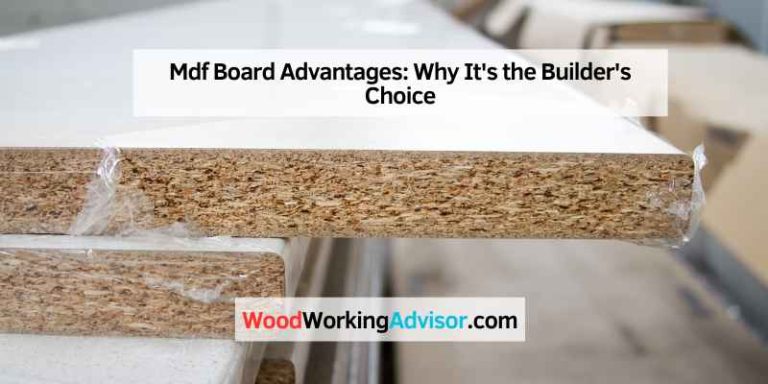
MDF stands for Medium-Density Fiberboard. It’s a popular material in furniture making. MDF is made by breaking down wood fibers. Then, they are glued together. This creates a strong and smooth board. Many people use MDF for building cabinets and shelves. It is cheaper than solid wood. It’s also easy to paint and finish. But, MDF is not good with water. It can swell and damage. MDF is heavy and hard to move. It can also release dust when cut. This dust is not good to breathe in.
MDF is great for indoor projects. It is not used outdoors. Protect it from moisture. Use it where it will stay dry. Always wear a mask when cutting MDF. This keeps you safe from dust. MDF can be useful. But, be careful when using it.
Environmental Impact Of Mdf
MDF is made from wood fibers. It uses chemicals to bind the fibers. These chemicals can be harmful. Formaldehyde is one of them. It can release gases into the air. This is called off-gassing. It can hurt the environment.
Cutting MDF can create dust. MDF dust can be harmful if breathed in. It can affect air quality. Disposing of MDF needs care. It does not break down easily. It can stay in landfills for a long time.
Some people recycle MDF. Recycling helps reduce waste. But it is not easy. Special processes are needed. MDF waste can be used as fuel. This can help reduce its impact. Always follow safety rules when handling MDF.
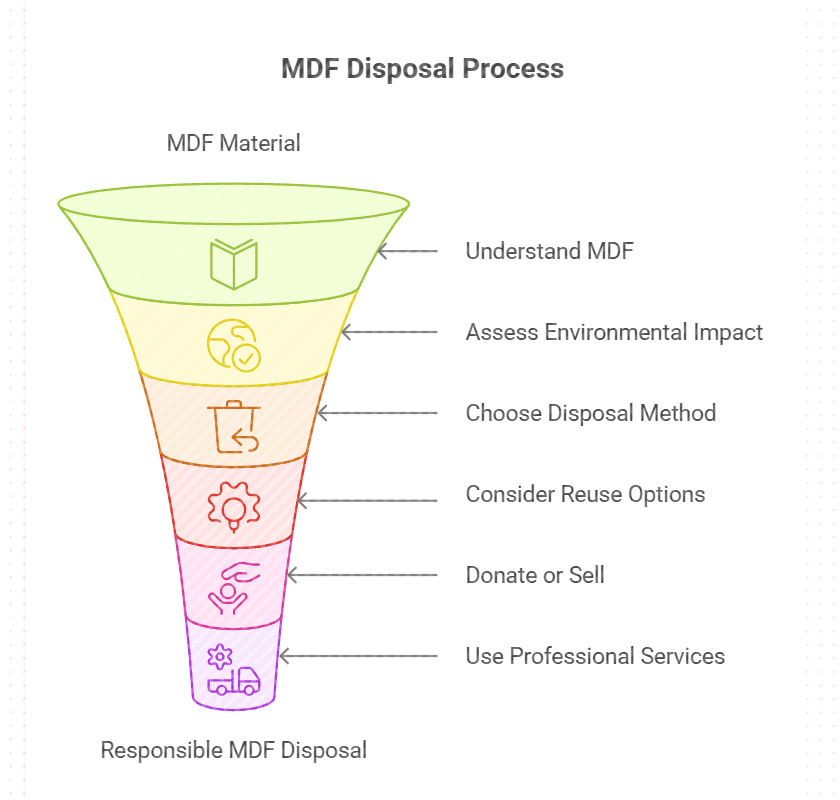
Safe Disposal Methods
MDF, or Medium Density Fiberboard, can be recycled. It helps to protect our environment. Many recycling centers accept MDF. They turn it into new products. Always check with your local centers. They provide specific guidelines. It ensures the MDF is properly handled. Ask if they offer pickup services. It makes the process easier.
Some MDF pieces may end up in landfills. It is not ideal. MDF takes time to break down. It can harm the environment. Always try to recycle first. If not possible, use designated landfill sites. They manage waste better. Proper disposal keeps our planet safe. Avoid illegal dumping. It is harmful and against the law.
Creative Reuse Ideas
Turn old MDF pieces into beautiful wall art. Paint them with bright colors. Use stencils for patterns. Cut them into shapes. Try circles or triangles. Hang them on walls. Create a unique design for your home. Make a small bookshelf with MDF. Cut pieces to size. Glue them together. Paint or stain for a nice finish.
Transform MDF into chic furniture. Sand it smooth. Apply a fresh coat of paint. Add new handles to refresh old cabinets. Use MDF to make a custom coffee table. Cut and assemble the parts. Paint for a stylish look. Add legs for height. Place in your living room for a modern feel.
Donating And Selling Mdf
Local charities often need furniture. MDF items can be donated. Check nearby shelters or community centers. They might accept your MDF. Call them first to confirm. This ensures your item is useful. It also helps others in need.
Selling MDF online is easy. Websites like eBay help you sell. Take clear photos of your items. Write a short description. Set a fair price. This attracts more buyers. Facebook Marketplace is another option. It’s free and popular. You can sell to people nearby. Arrange safe meetings for exchanges. This keeps everyone safe.
Professional Disposal Services
Getting rid of MDF waste can be a big task. Junk removal services make it easy. They come to your home and take away your MDF. No need to worry about the mess. They handle everything. It’s simple and quick. Just call them. They offer fast and reliable service. Your space will be clean in no time.
Waste management companies are another good choice. They know how to deal with MDF. They have special tools and trucks. They make sure the MDF is disposed of properly. This keeps the environment safe. You can trust them with your waste. Give them a call to learn more. Safe disposal is their priority.
Legal Considerations
Understand the rules in your area. Some places have strict laws. They tell you how to get rid of MDF. Breaking these rules can lead to fines. Check with your local government. They can provide the necessary information.
Some projects need permits. This means you get permission from the authorities. Ensure you meet all compliance standards. It’s important to follow these guidelines. This keeps you from getting in trouble. Always stay informed. Check for updates regularly.

Credit: www.reddit.com

Credit: www.reddit.com
Frequently Asked Questions
How Do You Get Rid Of Mdf?
Dispose of MDF at a local recycling center. Ensure it’s accepted by contacting them first. Consider donating usable pieces to schools or community projects. For large amounts, hire a professional waste removal service. Always wear a mask and gloves when handling MDF due to dust.
How Do You Recycle Mdf?
Recycling MDF involves breaking it down into wood fibers. Specialized facilities use mechanical or chemical processes. These fibers are reused in new MDF or alternative products. Always check local recycling guidelines for proper disposal. Avoid burning MDF due to harmful emissions.
How Do You Break Up Mdf?
Use a saw or jigsaw to cut MDF into smaller pieces. Wear a mask to avoid inhaling dust. Dispose of broken MDF responsibly. Ensure you work in a well-ventilated area. Consider using a dust extractor for cleaner cuts.
Is Mdf Dust Harmful?
MDF dust is harmful and can cause respiratory issues. It contains formaldehyde, which is a known carcinogen. Always wear protective gear while cutting or sanding MDF. Ensure proper ventilation to minimize exposure to MDF dust. Taking these precautions helps protect your health.
Conclusion
Eliminating MDF can be simple with the right steps. Start by identifying the areas where MDF is used. Replace it with eco-friendly materials. Always wear a mask when handling MDF to avoid dust. Proper disposal is crucial. Don’t burn MDF; it releases harmful chemicals.
Consider recycling it if possible. Regular cleaning helps maintain air quality. Remember, small changes can protect your health and the environment. With dedication, you can create a safer living space. Stay informed and take proactive steps to reduce MDF usage in your home.
Your efforts will make a difference.