How to Make MDF Harder: Expert Tips & Techniques
MDF can’t be made structurally harder throughout – it’s a fixed-density fiberboard, not solid wood – but its weak points (soft edges, screw-holding, surface durability) can be genuinely reinforced. A penetrating wood hardener on edges and screw points, a quality sealer/primer on faces, and reinforcement hardware for load-bearing joints solve the specific ways MDF actually fails, rather than trying to make the whole panel “harder” in the abstract.
What “Harder” Actually Means For MDF
Best Wood Hardener For MDF Edges
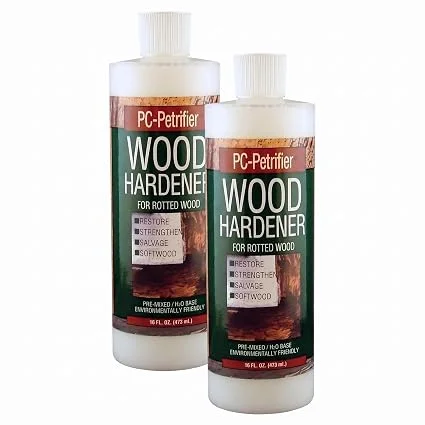 |
PC-Petrifier Water-Based Wood Hardener, 16 Fl Oz – $20.23 Use straight from the bottle (never diluted) on raw edges and screw points – the exact spots where MDF actually fails.
|
- Edges are the real weak point – MDF’s raw cut edges are the most fragile part, prone to chipping and crumbling, especially where screws go in.
- Surface hardness (resisting dents/scratches on the face) is a separate issue from edge strength – a smooth sealed surface still has soft, chip-prone edges underneath if they’re untreated.
- Screw-holding strength is its own distinct weak point – MDF doesn’t grip screw threads as well as plywood or solid wood, especially near an edge.
- Treat these as three separate problems, not one – a single sealant coat addresses surface hardness but does little for a screw that’s about to strip out.
Hardening MDF Edges And Screw Points
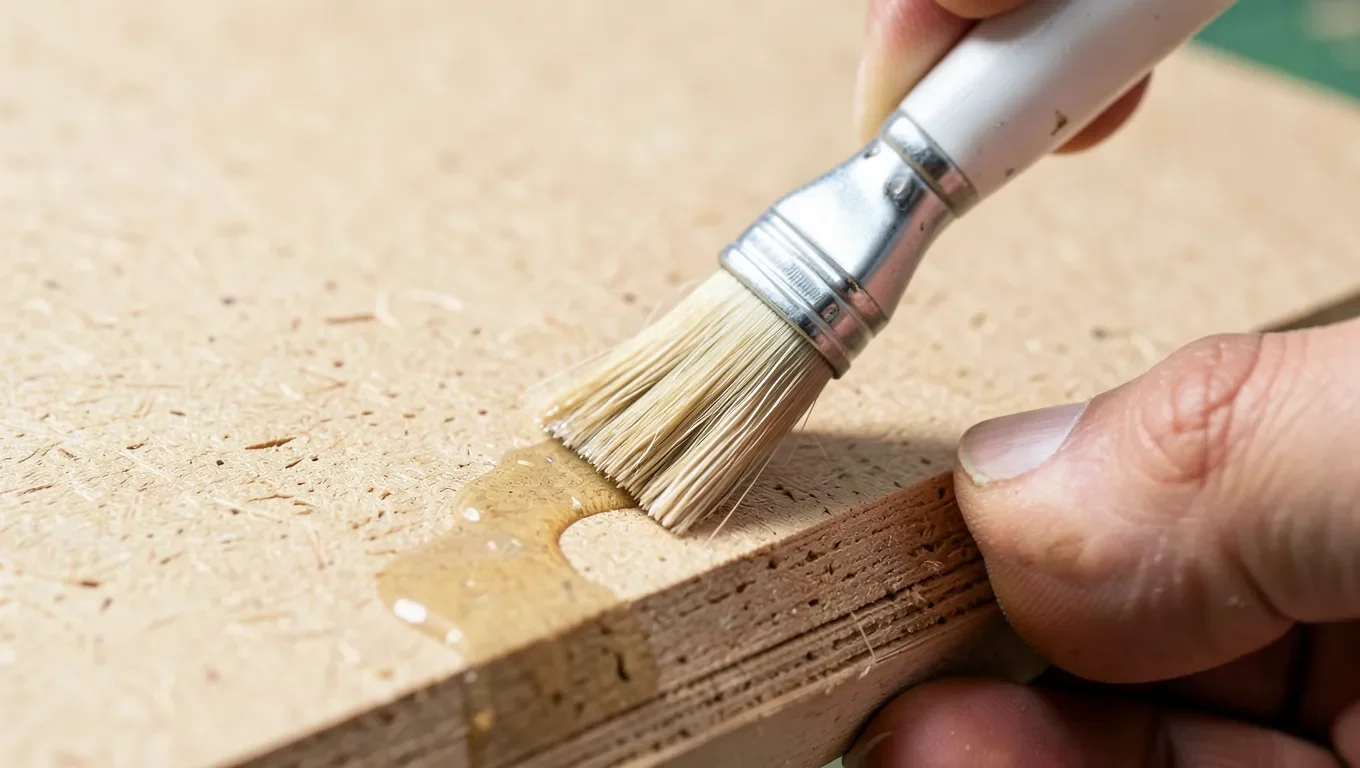
- Apply wood hardener straight from the bottle, undiluted – it’s a penetrating resin designed to soak in and cure hard on its own; mixing it with water defeats the purpose and just weakens the formula.
- Brush it onto raw edges, especially anywhere a screw will go, and let it fully cure per the label before sanding or driving screws.
- For screw-holding specifically, pre-drilling a pilot hole and using coarse-thread MDF-specific screws (not standard wood screws) makes a bigger practical difference than hardener alone.
- For load-bearing joints, cam locks, dowels with glue, or corner brackets hold up better long-term than screws driven straight into an MDF edge, which can work loose over time regardless of hardener.
Sealing And Priming The Faces
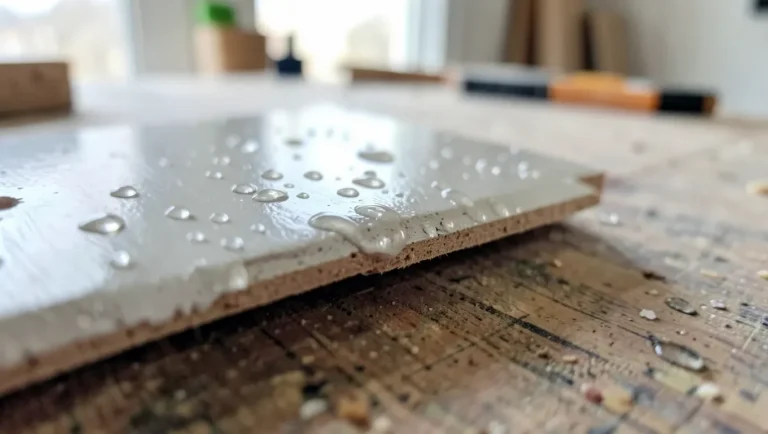
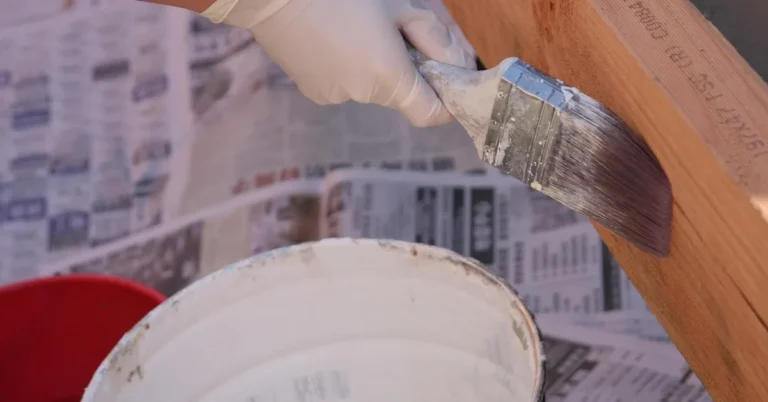
- A sanding sealer or dedicated MDF primer seals the surface, blocks moisture absorption, and gives the smoothest base for paint.
- MDF swells if it absorbs water, so sealing all six sides (including edges and the back, not just the visible face) matters for anything that might see humidity – kitchens, bathrooms, exterior-adjacent builds.
- Skip diluting sealant or primer to stretch coverage – a thin, properly-mixed coat outperforms a diluted one that doesn’t build real film thickness.
Adding A Harder Surface Layer
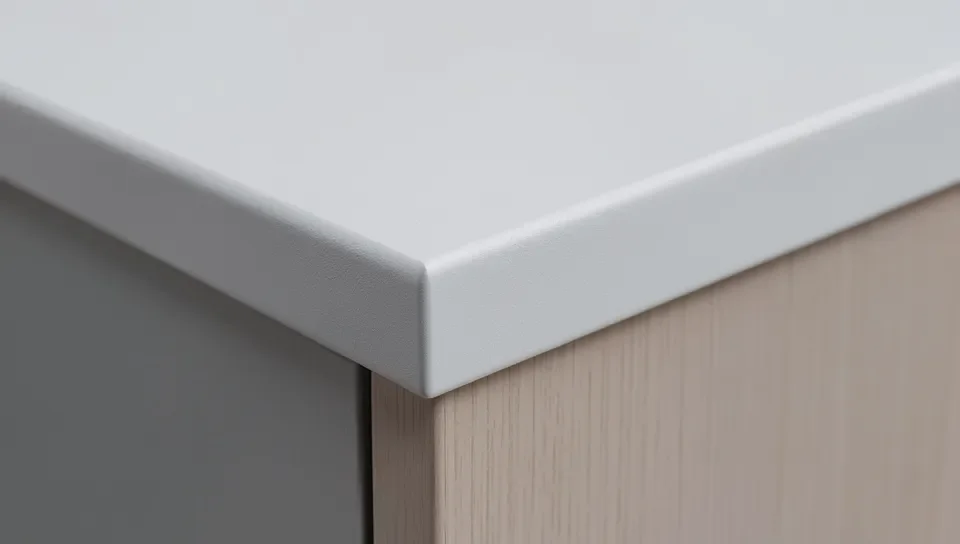
- Laminate, veneer, or a plywood cap glued to an MDF core gives real surface durability that sealant alone can’t match – this is standard practice for MDF countertops and heavy-use surfaces.
- Glue with full, even coverage and clamp while curing – a poorly bonded veneer defeats the purpose and can bubble or lift later.
Working Safely With MDF
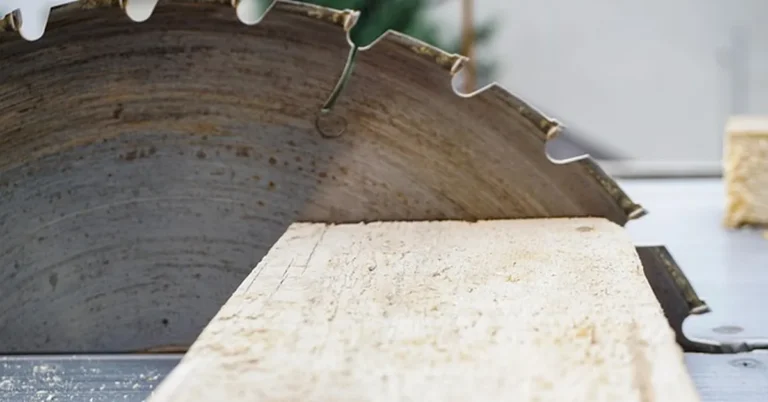
- MDF dust contains fine particles and the resins used in manufacturing – wear a proper dust mask when cutting or sanding, and work in a ventilated space.
- Choose low-VOC sealants and hardeners where possible, and ventilate while they cure – strong fumes from some solvent-based products are a real irritant, not just an inconvenience.
Frequently Asked Questions
How Do You Strengthen MDF?
Target the actual weak points: harden raw edges and screw points with a penetrating wood hardener (used undiluted), seal all six faces to block moisture, and reinforce load-bearing joints with cam locks or brackets rather than relying on screws alone.
What Is The Best Wood Hardener For MDF?
A penetrating water-based wood hardener applied undiluted to edges and screw points works well – it soaks in and cures hard, specifically reinforcing MDF’s most fragile areas rather than treating the whole panel.
Can You Make MDF Structurally Stronger, Not Just Harder On The Surface?
Not throughout the panel – MDF’s density is fixed by manufacturing. You can meaningfully reinforce specific weak points (edges, screw holes, load-bearing joints) or add a harder surface layer like veneer or laminate, but the core material itself doesn’t get denser after the fact.
What Kind Of Glue Is Used To Reinforce MDF Joints?
PVA wood glue works well for MDF joints, especially combined with dowels or biscuits rather than screws alone at an edge – screws driven straight into MDF edge grain can work loose over time even with hardener applied.
Conclusion
MDF can’t be hardened as a whole panel, but its real weak points – raw edges, screw holes, and exposed faces – respond well to the right treatment: undiluted wood hardener on edges and screw points, a proper sealer on all six faces, and mechanical reinforcement (brackets, dowels) at load-bearing joints instead of relying on screws alone.
Sponsored / affiliate links. As an Amazon Associate I earn from qualifying purchases. I may earn additional commission from eligible campaigns.