How to Get Rid of Water Paint After Cleaning Sprayer: Ultimate Guide
Struggling with stubborn water paint residue in your sprayer? You’re not alone.
Many DIY enthusiasts and professional painters face the same challenge. After a satisfying day of painting, dealing with the leftover paint can be frustrating. But don’t worry, there’s a way to tackle this without hassle. Imagine the relief of having your sprayer clean and ready for the next project in no time.
Curious about how to achieve this effortlessly? Keep reading, and you’ll discover simple, effective strategies to get your sprayer spotless, saving you time and headaches. You’ll wonder how you ever managed without these tips. Let’s dive in and transform your cleanup routine today!
Importance Of Proper Cleaning
Cleaning your sprayer is very important. Leftover paint can block the sprayer. This makes it hard to use next time. Clean tools last longer. They work better too. You save money by not buying new tools often.
Water paint can dry fast. Once it dries, it is hard to remove. Cleaning right away helps a lot. Always use the right cleaner for your tool. Some cleaners are made just for sprayers. Proper cleaning keeps your paint fresh and bright. It also makes the sprayer work well. Keep your tools clean for best results.

Credit: mooresautodetail.com
Tools Required
Water paint can be tricky to remove. Soap and water are basic but essential. Rags or paper towels help wipe away paint. Brushes are useful to scrub stubborn spots. Keep a bucket for rinsing tools. Paint thinner can tackle tough stains. A spray bottle with water helps rinse surfaces. Dish soap can break down paint residues. Don’t forget a scraper for dried paint.
Safety is important when cleaning paint. Gloves protect your hands from chemicals. Goggles shield your eyes from splashes. A mask prevents inhalation of fumes. Old clothes can protect your good ones. Use a ventilated area for better airflow. First aid kit should be nearby. Fire extinguisher is handy for emergencies. Stay safe while cleaning.
Initial Cleaning Steps
Remove water paint from a sprayer by rinsing it thoroughly with warm water. Disassemble the sprayer to clean each part. Use a soft brush to scrub away paint residue.
Disassembling The Sprayer
First, make sure the sprayer is off. Carefully take apart the sprayer. Remove all parts slowly. Pay attention to each piece. Be gentle to avoid breaking any parts. Sprayers have many small parts. Keep them safe in a container. This will help you find them later. Remember, each part must be clean.
Removing Excess Paint
Use a soft cloth to wipe the sprayer. Excess paint can stick. It may be hard to remove. Dip the cloth in warm water. Gently rub the sprayer parts. Some areas may need extra care. Use a brush for small spaces. Paint might be stubborn. Use a little soap if needed. Rinse parts well with clean water. Check all parts for leftover paint. Repeat if necessary. Ensure all paint is gone before reassembly.

Credit: www.amazon.com
Effective Cleaning Techniques
Start by filling a bucket with warm water. Add a small amount of mild detergent. Mix until bubbles form. Dip a soft cloth into the soapy water. Gently scrub the paint sprayer. Focus on areas with visible paint. Ensure you remove all traces of paint. Rinse the sprayer with clean water. Dry it with a soft towel. This method is simpleand works well for light paint.
Stubborn paint requires stronger solutions. Use a solvent like mineral spirits. Pour a small amount onto a clean cloth. Rub the cloth on painted areas. Be careful not to damage the sprayer. Solvents dissolve tough paint quickly. Ensure proper ventilation when using solvents. Rinse with water after cleaning. This keeps the sprayer safe and ready for use.
Drying And Reassembly
Make sure each part is completely drybefore putting it back. Wet parts can cause problems later. Use a clean towel to dry the small parts. Let larger parts air dry for a bit longer.
Follow the steps you did when taking the sprayer apart. Start with the smallest parts. Make sure they fit tightly. Double-check each piece as you go. This keeps the sprayer working well. If unsure, look at the manual for help. Proper reassembly means fewer issues later.

Credit: www.amazon.com
Maintenance Tips
Create a cleaning schedulefor your paint sprayer. Do this after every use. Use warm water to rinse out leftover paint. This helps prevent clogs and keeps the sprayer ready. Use a soft brush to clean small parts. This makes sure no paint is stuck. Dry all parts after cleaning. This keeps rust away. Consistent cleaning helps your sprayer last longer.
Store your sprayer in a dry and cool place. Avoid direct sunlight. This protects the sprayer from damage. Cover the sprayer with a cloth to keep dust away. Keep small parts in a box. This ensures nothing gets lost. Follow these tips for better sprayer care.
Troubleshooting Common Issues
Clogged parts in a sprayer can cause trouble. To fix this, remove the nozzle first. Then, clean it with warm water. Use a soft brush to remove stuck paint. Make sure all holes are open. Check the filters too. Sometimes, they get blocked. Rinse them under water until clear.
Residual paint can stay inside the sprayer. To clean it, fill the sprayer with soapy water. Spray it out until clear. Repeat this step if needed. Warm water works best for stubborn paint. Clean every part well. This prevents future clogs and keeps your sprayer working fine.
Frequently Asked Questions
Where To Dump Water After Cleaning Paint Brushes?
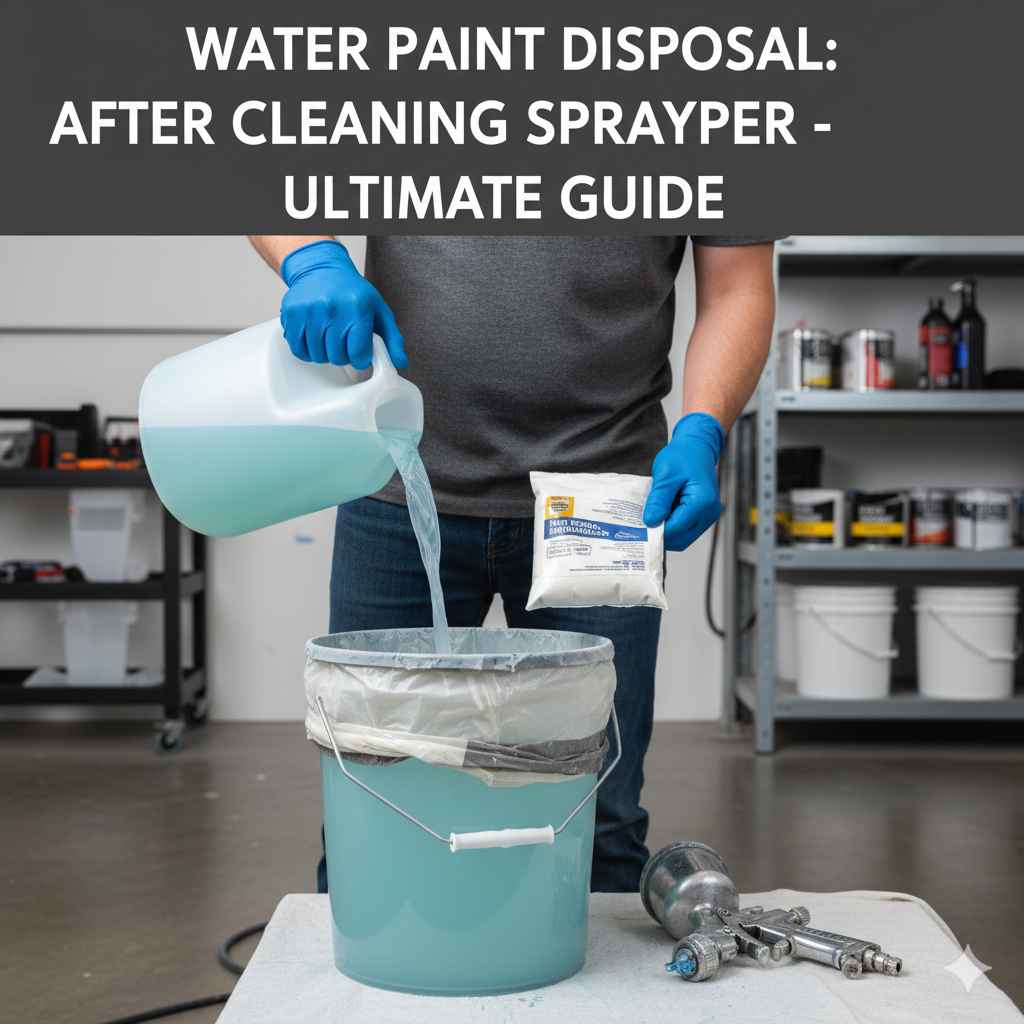
Dispose of the paint brush water in a hazardous waste facility. Avoid pouring it down the drain. This prevents environmental contamination and ensures proper waste management. Check local regulations for specific disposal guidelines. Always prioritize eco-friendly practices to protect water sources and ecosystems.
How To Dispose Of Paint Sprayer Cleaner?
Dispose of paint sprayer cleaner responsibly. Seal it in a container and take it to a hazardous waste facility. Avoid pouring it down drains or into the environment. Follow local regulations for proper disposal methods to ensure safety and compliance.
How Do You Dispose Of Water Based Paint?
To dispose of water-based paint, let it dry out completely. Use cat litter or paint hardener to speed up drying. Once dry, throw it in the trash. For large quantities, check local hazardous waste disposal guidelines. Always avoid pouring paint down drains or into the environment.
How To Clean Paint Sprayer After Water Based Paint?
First, disconnect the sprayer and remove excess paint. Rinse with warm water. Clean the nozzle and filters using a brush. Reassemble the sprayer after drying all parts. Regular maintenance ensures optimal performance.
Conclusion
Cleaning a sprayer can seem daunting. But it’s manageable with the right steps. Always start with safety gear. Protect your eyes and skin. Use a bucket for waste water. Dispose of it responsibly. Clean the sprayer parts thoroughly. Use soap and water.
Rinse well to avoid residue. Dry each part completely. Store your sprayer in a safe place. Regular cleaning extends its life. Avoids future problems too. Follow these tips to keep your sprayer in top shape. Enjoy hassle-free painting every time.