How to Install Wood Flooring on Concrete Stairs: A Step-by-Step Guide
To install wood flooring on concrete stairs, start by preparing the surface and ensuring it’s clean and dry. Use a strong adhesive or construction glue to secure the wood planks in place.
Installing wood flooring on concrete stairs enhances your home’s aesthetic while providing safety and durability. Concrete stairs can be cold and uninviting, but wood adds warmth and character. The process requires careful planning and execution to ensure a secure fit and a polished look.
Properly installed wood flooring not only improves visual appeal but also increases property value. This guide will walk you through the steps to achieve a professional finish, transforming your stairs into a stunning feature of your home. Safety precautions are essential, so gather your tools and materials before starting the project.
Introduction To Wood Flooring On Concrete Stairs
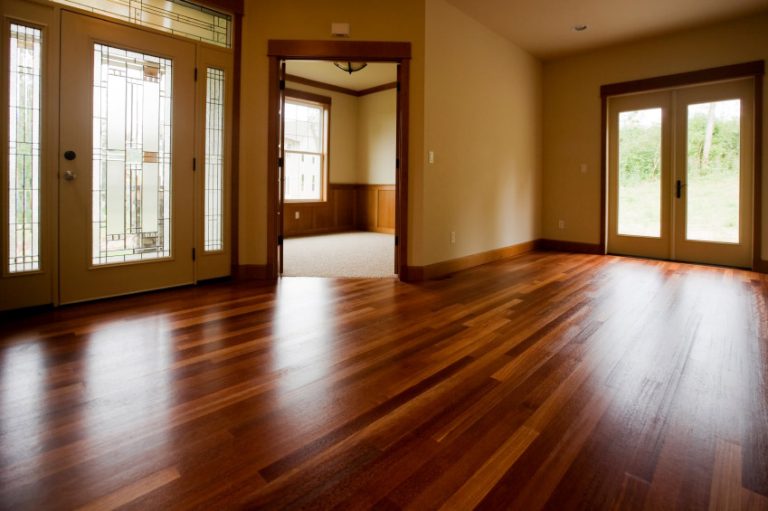
Wood flooring on concrete stairs offers many advantages. Wood creates a warm and inviting feel. It also improves the aesthetic of any space. Wood is generally quieter than concrete. This means less noise when walking up or down stairs.
Wood is also easier to maintain than concrete. Scratches and dents can be fixed easily. It adds value to your home too. Many buyers prefer homes with wood features.
| Tools | Materials |
|---|---|
| Measuring tape | Wood planks |
| Power saw | Adhesive |
| Level | Wood finish |
| Nail gun | Underlayment |

Preparing The Concrete Stairs
Start by removing all debris from the concrete stairs. Use a broom or vacuum to ensure the surface is clean. Check for oil stains or other tough spots. A mild detergent can help remove these stains.
Next, inspect the stairs for any cracks or holes. Fill these with a concrete repair compound. Ensure the surface is level before proceeding. Use a leveling compound if necessary to create a smooth base.
Choosing The Right Wood Flooring
Choosing the right wood flooring is essential for concrete stairs. Different types of wood offer various benefits. Below are some popular options:
| Type of Wood | Durability | Cost |
|---|---|---|
| Oak | Very durable and strong. | Moderate to high price. |
| Maple | Hard and resistant to wear. | Moderate price. |
| Pine | Soft and easy to work with. | Low price. |
Consider the safety of the stairs. Non-slip surfaces are very important. Textured finishes enhance grip and prevent accidents.
Remember to account for moisture. Wood can warp in wet conditions. Choose a sealant to protect the wood.
Measuring And Cutting The Wood
Start by measuring the stair treads and risers carefully. Use a tape measure for precise measurements. Create templates from cardboard for each step. This helps ensure a perfect fit.
Trace the templates onto the wood flooring. Cut the wood using a saw. Always wear safety goggles and gloves. Keep fingers away from the blade to avoid injuries.
Use a straight edge for clean cuts. Make sure to work in a well-lit area. Keep tools organized and within reach. This will make the process smoother and safer.
Installing The Underlayment
Choosing the right underlayment is key for wood flooring on concrete stairs. Several types of underlayment exist, each serving a different purpose. Here are some common options:
- Foam Underlayment – Provides basic cushioning and soundproofing.
- Cork Underlayment – Offers excellent insulation and moisture resistance.
- Rubber Underlayment – Durable and great for sound absorption.
- Felt Underlayment – Good for added comfort and warmth.
Choosing the right type helps prevent moisture issues. It also ensures a smooth installation process. Each type has unique benefits, so consider your needs carefully.
Laying The Wood Planks
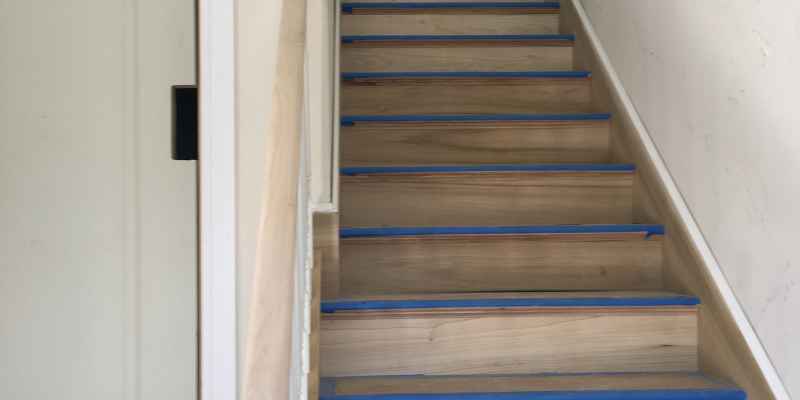
Begin by preparing the stairs for wood planks. Start laying them from the top of the stairs. This method helps in keeping the planks aligned. Measure each step carefully before cutting the wood. Ensure a snug fit for each plank.
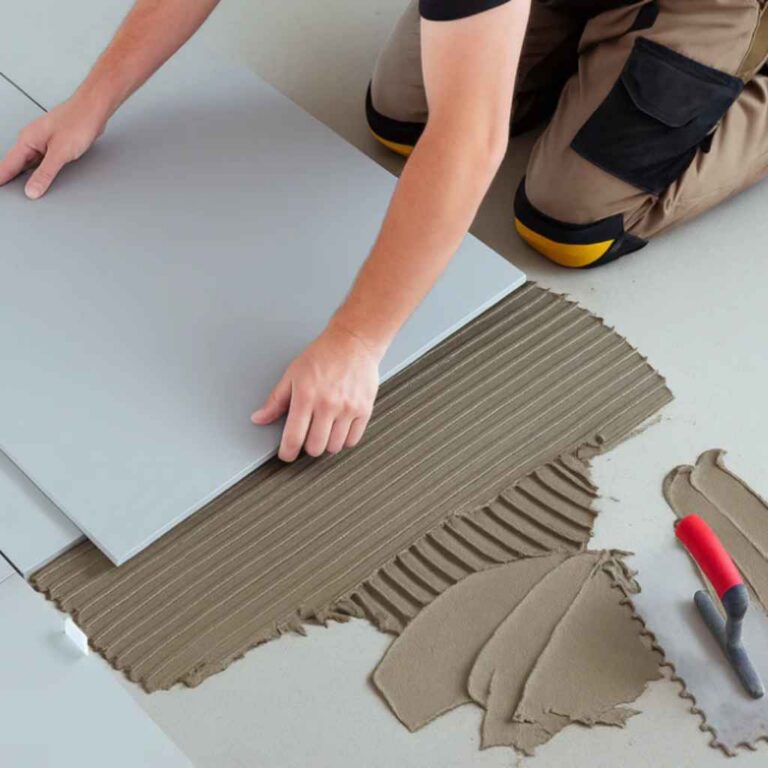
Next, secure the planks using wood glue or nails. Apply glue to the back of each plank. Press it firmly onto the concrete. For extra strength, use nails at both ends of the planks. Make sure every plank is secure before moving to the next step.
Check for any gaps between the planks. Fill gaps with appropriate wood filler for a smooth finish. Sand the edges lightly to avoid splinters. This will create a safe and beautiful staircase.
Finishing Touches
Start by sanding the wood flooring. This helps remove any rough spots. Use medium-grit sandpaper for the best results. After sanding, clean the area to remove dust.
Next, apply a sealant to protect the wood. Choose a water-based sealant for easy application. Follow the manufacturer’s instructions for drying times.
Installing the stair nose is crucial for a finished look. Measure the width of the stairs carefully. Cut the stair nose to fit snugly. Use adhesive to secure it in place.
Finally, ensure everything is level and secure. Check for gaps and fill them as needed. This will enhance the overall appearance of your stairs.
Maintenance And Care
Routine cleaning is important for wood flooring on concrete stairs. Use a soft broom or vacuum to remove dust and dirt. A damp mop can help clean without causing damage. Avoid using harsh cleaners that may harm the finish.
Dealing with wear and tear requires special attention. Inspect the stairs regularly for scratches or dents. Use a wood repair kit to fix minor issues quickly. For deeper scratches, consider sanding the area gently.
Reapply wood finish as needed to protect the surface. This helps maintain the beauty and longevity of your flooring. Always follow the manufacturer’s instructions for the best results.
Frequently Asked Questions
How Do You Prepare Concrete Stairs For Wood Flooring?
Before installing wood flooring on concrete stairs, ensure the surface is clean and dry. Remove any existing coatings or debris. It’s crucial to check for moisture issues. If needed, apply a moisture barrier to prevent damage. Proper preparation ensures a better bond and longer-lasting installation.
What Type Of Wood Flooring Is Best For Stairs?
Engineered hardwood is often the best choice for stairs. It offers durability and resistance to moisture, making it suitable for concrete. Solid hardwood can also work, but it may expand and contract more. Consider your aesthetic preferences and maintenance needs when choosing the right flooring.
Can You Install Wood Flooring Directly On Concrete Stairs?
Installing wood flooring directly on concrete stairs is not recommended. Concrete can retain moisture, which may damage the wood. Instead, use an underlayment or moisture barrier to protect the flooring. This additional layer enhances stability and longevity, ensuring your stairs remain safe and attractive.
How To Secure Wood Flooring On Concrete Stairs?
To secure wood flooring on concrete stairs, use construction adhesive specifically designed for flooring. Apply it evenly on the back of each plank. Additionally, use finishing nails or screws for extra support. This method ensures that the flooring stays firmly in place, enhancing safety and durability.
Conclusion
Installing wood flooring on concrete stairs can elevate your home’s aesthetic. Following the right steps ensures a safe and beautiful finish. Remember to choose quality materials and take your time during installation. With patience and care, you’ll achieve stunning results that enhance both style and functionality in your space.