How to Join Large Slabs of Wood: Seamless Techniques
To join large slabs of wood, use biscuit joints, dowels, or pocket holes for strong connections. Ensure the edges are straight and even for a seamless fit.
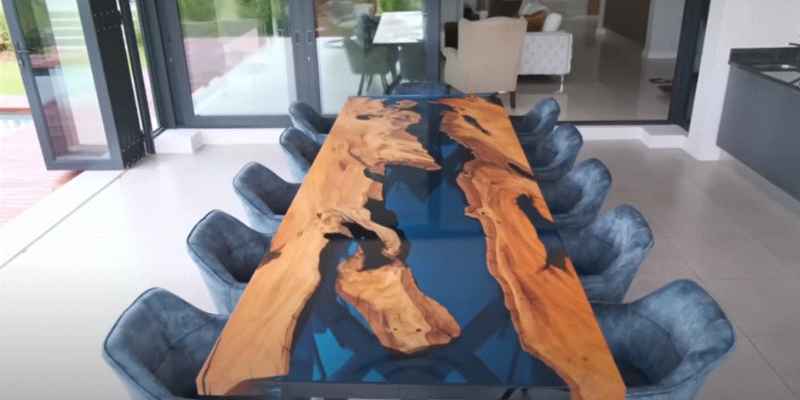
Joining large slabs of wood can transform your woodworking projects, creating stunning tabletops, benches, and more. Understanding the best techniques is essential for achieving a durable and visually appealing result. Various methods exist, each offering unique advantages depending on your specific needs.
Popular options include biscuit joints, dowels, and pocket hole screws, all known for their strength and reliability. Proper preparation, such as ensuring straight edges and using appropriate adhesives, is crucial to success. This guide will explore effective methods to join large wood slabs, enabling you to take your woodworking skills to the next level while creating impressive, functional pieces.
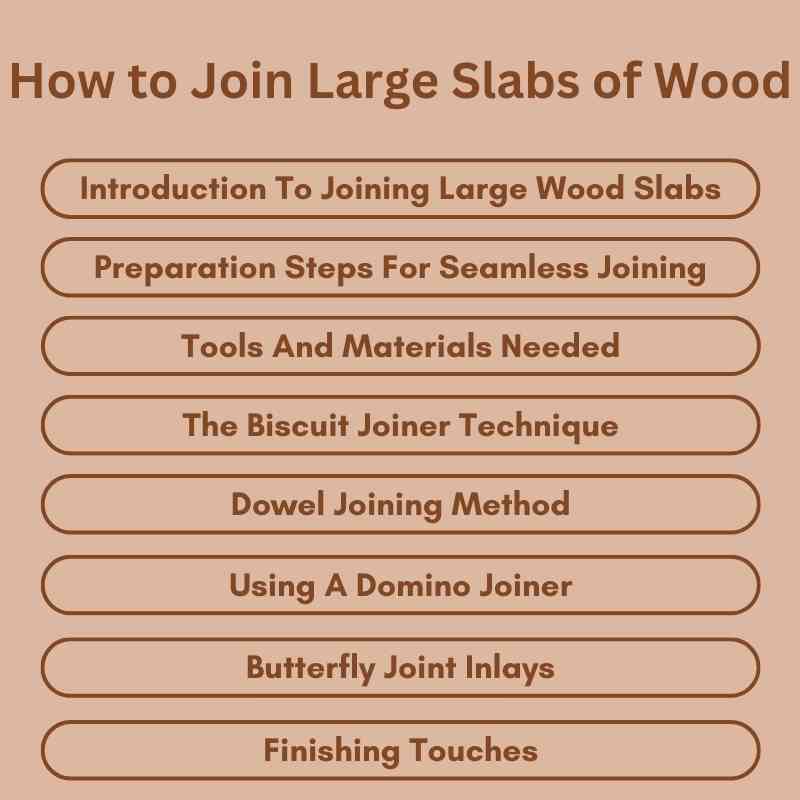
Introduction To Joining Large Wood Slabs
Joining large wood slabs is essential for creating beautiful furniture. It helps achieve a seamless look and increases the surface area. Wood slabs can be used for tables, counters, and shelves. Proper joining techniques ensure strength and durability.
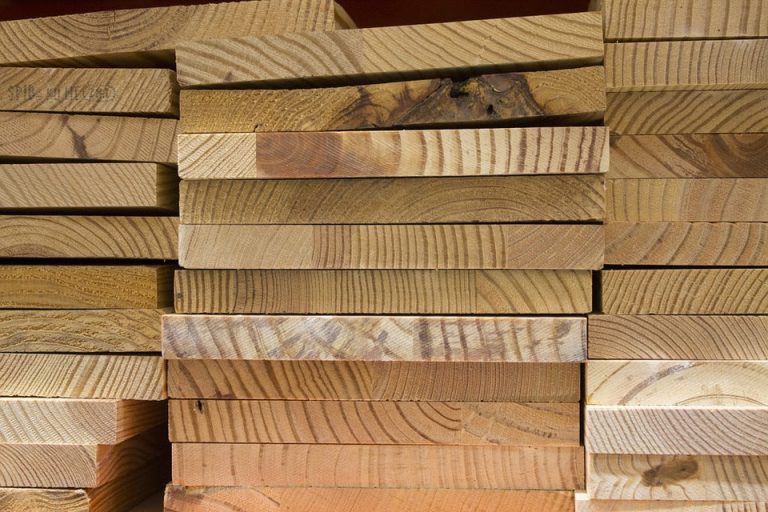
Choosing the right wood is crucial for a successful project. Hardwoods like oak and maple are strong and durable. Softwoods like pine are lighter but less durable. Consider the grain pattern and color when selecting wood. A well-matched grain enhances the overall appearance.
Preparation Steps For Seamless Joining
Measuring the wood accurately is the first step. Use a tape measure for precision. Mark the cutting lines clearly with a pencil. Cut the wood along these lines. A straight cut ensures better joining.
Sanding is essential for smooth surfaces. Use sandpaper to remove any rough spots. Start with a coarse grit and move to a finer one. This process helps the glue bond better.
Ensure both surfaces are clean and free of dust. This will improve adhesion. Check the fit of the slabs before gluing. Adjust as needed for a perfect match.
Tools And Materials Needed
Joining large slabs of wood requires some essential tools. Here is a list of tools to consider:
- Wood Glue: Ideal for strong bonds.
- Clamps: Keep slabs together while drying.
- Saw: For cutting wood to size.
- Sandpaper: Smooths edges for better fit.
- Measuring Tape: Ensures accurate measurements.
Selecting the right adhesive is crucial for durability. Choose a high-quality wood glue. It should be waterproof for outdoor projects. Ensure it dries clear for a neat finish. Always read the instructions for best results.
The Biscuit Joiner Technique
Setting up a biscuit joiner is quite simple. First, choose the right biscuit size for your slabs. The most common sizes are #0, #10, and #20. Adjust the depth settings on the joiner based on the biscuit size.
Next, mark the locations for the biscuits on both slabs. Use a straight edge for accuracy. Align the slabs so they fit tightly together. Make sure to clamp them securely before cutting the slots.
When aligning the slabs, ensure the edges are flush. This helps in creating a smooth surface. Check for gaps between the slabs after joining. Fill any gaps with wood filler for a neat finish.
Dowel Joining Method
To create a strong joint, start by drilling holes for the dowels. Use a drill press for accuracy. Mark the positions on both slabs carefully. The holes should align perfectly to ensure a tight fit.
Next, apply glue into the holes and on the dowels. Insert the dowels into one slab first. Then, align the second slab and push it onto the dowels. Make sure everything fits snugly.
Finally, clamp the slabs together. Use enough pressure to secure the joint. Let the glue dry completely before removing the clamps. This method creates a strong and durable connection.
Using A Domino Joiner
Using a Domino Joiner has many benefits. This tool creates strong, precise joints. It helps align large slabs perfectly. The Domino Joiner is fast and easy to use. You can work on different wood types. It saves time compared to traditional methods.
Steps to use a Domino Joiner:
- Measure the slabs carefully.
- Mark the spots for the dominoes.
- Set the Domino Joiner depth correctly.
- Drill holes in each slab.
- Add glue to the dominoes.
- Insert dominoes and join the slabs.
- Clamp the pieces until dry.
Butterfly Joint Inlays
Creating a butterfly joint inlay adds beauty and strength to wood joints. Start by carefully designing the inlay shape. Use a template for accuracy and trace it onto the wood. Cut the shape using a scroll saw or chisel.
Next, prepare the space for the inlay. Make sure the groove is slightly larger than the inlay. This ensures a snug fit and prevents gaps. Securing the inlay is crucial for durability. Use wood glue to attach the inlay to the joint. Clamp it firmly until the glue dries completely.
After drying, sand the area to create a smooth finish. This will highlight the inlay design. Treat the wood with a protective finish for added longevity.
Finishing Touches
Sanding the joined slabs is very important. Use fine-grit sandpaper for a smooth finish. Start with a coarse grit to remove rough edges. Gradually move to finer grits for best results. Always sand in the direction of the grain. This helps avoid scratches on the surface.
After sanding, it’s time to apply a finish. Choose a suitable finish to protect the wood. Options include oil, varnish, or polyurethane. Use a clean brush or cloth for application. Apply thin layers for even coverage. Allow each layer to dry before adding more.
| Finish Type | Benefits |
|---|---|
| Oil | Enhances natural color, easy to apply |
| Varnish | Durable, water-resistant, adds shine |
| Polyurethane | Very strong, protects against scratches |
Frequently Asked Questions
How Do I Join Two Large Slabs Of Wood?
To join two large slabs, use wood glue and clamps. Apply glue evenly on the edges of each slab. Align them properly and secure with clamps. Allow the glue to cure for at least 24 hours for a strong bond.
This method ensures a seamless and sturdy connection.
What Tools Are Needed For Joining Wood Slabs?
Essential tools include a circular saw, clamps, and a sander. A circular saw helps cut slabs to size. Clamps secure the slabs together while the glue dries. A sander smooths out the surface for a polished finish. These tools make the process efficient and effective.
Can I Join Slabs Without Screws Or Nails?
Yes, you can join slabs without screws or nails. Wood glue is a strong adhesive that bonds the wood effectively. Clamping the slabs together allows for a secure connection. This method maintains the aesthetic appeal without visible hardware. It’s perfect for a clean, natural look.
How Long Does Wood Glue Take To Dry?
Wood glue typically takes about 24 hours to fully cure. However, it sets quickly, often within 30 minutes. For best results, avoid stressing the joint until fully cured. Temperature and humidity can affect drying times, so monitor conditions closely. Patience ensures a strong and durable bond.
Conclusion
Joining large slabs of wood can transform your projects. With the right techniques and tools, you can create stunning pieces that stand out. Remember to choose quality materials and take your time during the process. Embrace your creativity and enjoy the satisfaction of crafting beautiful woodwork.
Happy woodworking!