How to Join Metal to Wood: Easy, Strong, and Lasting Methods
Are you struggling to connect metal to wood in your project? Whether you’re fixing furniture, building something new, or making repairs, joining these two materials can feel tricky.
But it doesn’t have to be complicated. You’ll discover simple, effective methods to join metal to wood securely and easily. By the end, you’ll have the confidence to tackle your project like a pro—no guesswork, no frustration. Ready to make your metal and wood work perfectly together?
Let’s dive in!
Choosing The Right Materials
Choosing the right materials is the first step to join metal to wood effectively. The strength and durability of the joint depend on the materials used. Picking the best metal and wood types ensures a firm connection. Proper surface preparation also improves the bond between metal and wood.
Types Of Metals Suitable For Wood
Steel and aluminum are common metals for wood joints. Steel offers high strength and durability. Aluminum is lighter and resists rust well. Brass and copper add decorative appeal but may need special care. Choose metals that match the wood’s use and environment.
Wood Varieties And Their Strength
Hardwoods like oak, maple, and walnut work well with metal. They offer strong support for screws and bolts. Softwoods such as pine and cedar are easier to work with but less strong. Select wood that fits the project’s weight and weather exposure.
Surface Preparation Tips
Clean both metal and wood surfaces before joining them. Remove dirt, dust, and grease with a cloth. Sand the wood to create a rough texture for better grip. Lightly sand or prime the metal to prevent rust. Dry surfaces help adhesives and fasteners hold tight.
Mechanical Fastening Techniques
Mechanical fastening techniques offer strong and reliable ways to join metal to wood. These methods use physical parts like screws, nails, and brackets. They hold the materials firmly together without needing glue or welding. This makes them easy to use for many projects.
Using Screws And Bolts
Screws and bolts are common fasteners for metal-to-wood joints. Screws cut threads into the wood, creating a tight grip. Bolts pass through both materials and lock with nuts. Choose screws or bolts made of rust-resistant metal. Pre-drill holes to avoid splitting the wood. Tighten firmly but avoid over-tightening, which can damage the wood.
Nails And Brads For Quick Joints
Nails and brads offer fast and simple fastening. They work well for light or temporary joints. Use nails with a smooth or spiral shank for better hold. Brads are thinner and good for delicate wood. These fasteners require a hammer or nail gun. They do not provide as strong a hold as screws or bolts, but they speed up assembly.
Clamps And Brackets
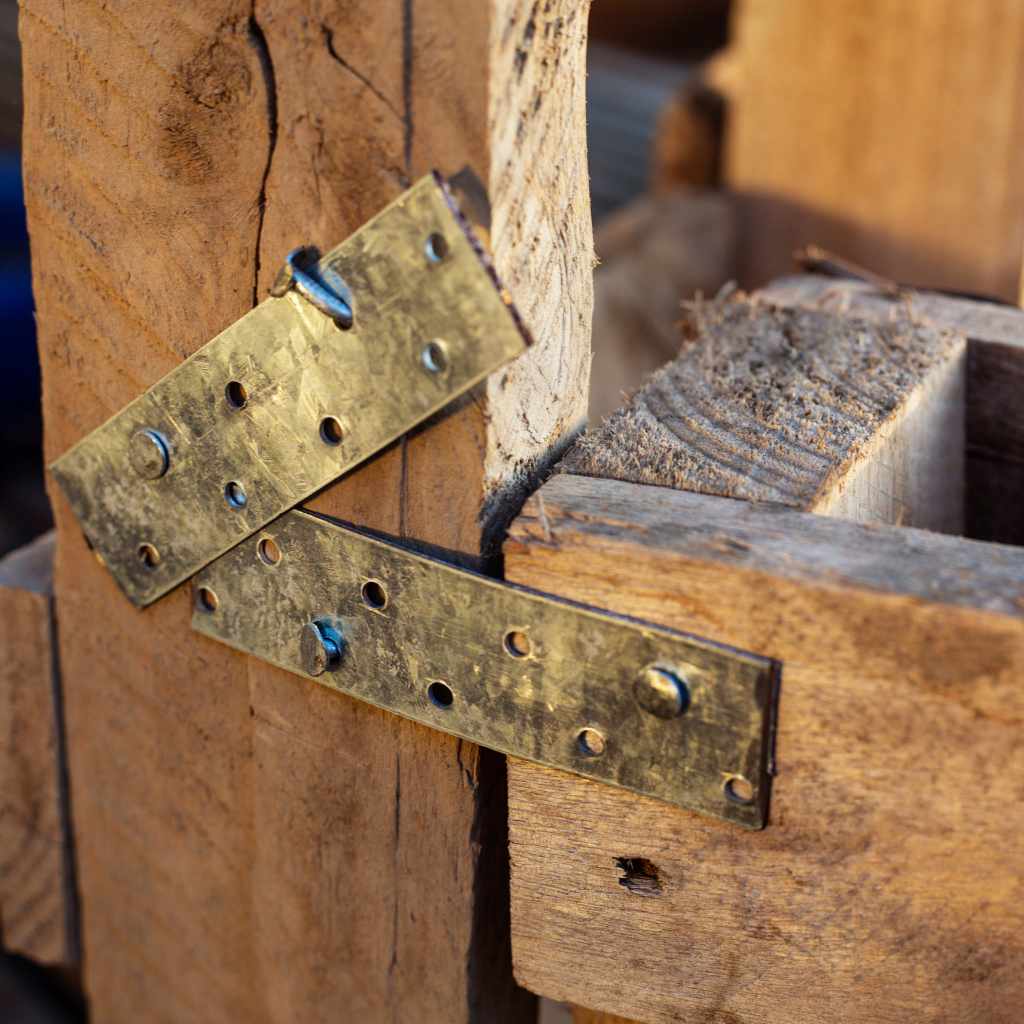
Clamps and brackets add extra support to metal-wood connections. Clamps hold pieces tightly while fastening or drying. Metal brackets provide strong corners or edges. Fix brackets with screws for a sturdy bond. Use clamps to keep parts steady during work. These tools help prevent movement and increase joint strength.
Adhesive Methods
Adhesive methods offer a clean and effective way to join metal to wood. These methods rely on strong glue formulas that bond the two materials tightly. Adhesives can fill gaps and hold uneven surfaces together. Choosing the right glue depends on the project needs and materials involved.
Epoxy Resins For Strong Bonds
Epoxy resins create very strong and durable bonds. They work well with both metal and wood surfaces. Epoxy usually comes in two parts that you mix before use. This mix hardens and sticks the materials firmly. Epoxy resins resist water, heat, and chemicals. This makes them ideal for outdoor or heavy-duty projects.
Polyurethane Glues
Polyurethane glues expand as they dry, filling small gaps. They bond wood and metal tightly and remain flexible. These glues resist moisture and temperature changes well. Polyurethane is good for projects exposed to weather or movement. Clean surfaces before applying for best results.
Contact Adhesives And Their Uses
Contact adhesives stick instantly on both surfaces. Apply glue to metal and wood separately. Let the glue dry a little, then press the parts together. This method works best for flat surfaces. Contact adhesives are great for quick repairs and crafts. They provide a strong but flexible bond.
Welding And Soldering Options
Joining metal to wood requires careful choice of method. Welding and soldering are common techniques to connect these materials. Each method suits different project needs and material types. Understanding their uses helps create strong, lasting bonds.
When Welding Metal Near Wood Is Possible
Welding metal close to wood is tricky but sometimes doable. The key is to keep the heat low and controlled. Thin metals work best since they need less heat. Use clamps or shields to protect the wood from sparks. Small, quick welds reduce heat buildup. Always test on scrap pieces first.
Soldering For Delicate Joints
Soldering uses lower heat than welding. It suits small, delicate joints between metal and wood. This method melts a filler metal to join parts. It avoids burning the wood and keeps the joint neat. Soldering works well for decorative or light-duty projects. Clean surfaces improve solder flow and bond strength.
Safety Measures To Protect Wood
Protecting wood during welding or soldering is crucial. Use fire-resistant blankets or shields around the wood. Keep a fire extinguisher nearby for emergencies. Ventilate the workspace to avoid smoke buildup. Wear protective gear like gloves and goggles. Always monitor the work to stop sparks from landing on wood.
Hybrid Approaches
Hybrid approaches combine different methods to join metal to wood. They increase strength and reliability. These methods mix adhesives and mechanical parts for better results. This way, the joint handles stress and lasts longer. Below are key techniques in hybrid joining.
Combining Adhesives With Mechanical Fasteners
Using glue and screws together offers a strong bond. The adhesive fills gaps and spreads load evenly. Screws hold parts tightly while glue cures. This stops movement and weak spots. Choose adhesives that match metal and wood types. Pre-drill holes to avoid wood splitting.
Using Inserts And Anchors
Inserts and anchors help fix metal parts into wood securely. Metal inserts screw into wood for a firm grip. Anchors expand inside wood to hold screws tightly. These parts reduce wear on wood and prevent loosening. They work well for heavy metal pieces or frequent use.
Reinforcing Joints For Durability
Adding reinforcements strengthens the connection between metal and wood. Plates, brackets, or corner braces support joints under stress. Reinforcements spread force over larger areas to avoid damage. Use corrosion-resistant materials to protect metal parts. Tighten all fasteners regularly for lasting durability.
Finishing And Protection
Finishing and protecting metal-to-wood joints is key to making them last longer. These materials react differently to weather and wear. Without proper care, moisture can cause rust on metal and rot on wood. A good finish keeps both parts strong and safe. It also improves the look of your project. Below are simple steps to seal, paint, and maintain your joint.
Sealing Joints Against Moisture
Seal the joint to stop water from getting inside. Use waterproof sealants like silicone or polyurethane. Apply the sealant along the gap between metal and wood. Make sure to cover all edges and cracks. Let the sealant dry fully before touching or painting. This step prevents rust on metal and wood decay.
Painting And Coating Options
Paint protects the metal and wood from sun and rain. Choose paint made for outdoor use on both surfaces. Use a metal primer before painting metal parts. For wood, apply a wood primer or stain first. Paint in thin, even layers for best coverage. Allow each layer to dry before adding another. This adds color and extra protection to your joint.
Maintenance Tips For Longevity
Check the joint regularly for signs of damage or wear. Look for cracks, peeling paint, or rust spots. Clean the surface gently with a soft brush or cloth. Remove dirt and debris that hold moisture. Reapply sealant or paint if you see any cracks or chips. Proper care keeps your metal-to-wood connection strong and durable.
Frequently Asked Questions
What Tools Are Best For Joining Metal To Wood?
Common tools include drills, screws, bolts, washers, and metal brackets. Use clamps to hold pieces firmly. A power drill with metal and wood drill bits ensures precise holes. Select corrosion-resistant fasteners for outdoor projects to enhance durability and prevent rust.
Which Adhesives Work Well For Metal To Wood Bonding?
Epoxy and polyurethane glues are excellent for metal to wood adhesion. These adhesives offer strong, long-lasting bonds. Clean surfaces thoroughly before application for better grip. Allow proper curing time as per manufacturer instructions to ensure maximum strength and durability.
How Can I Prevent Corrosion When Joining Metal To Wood?
Use stainless steel or galvanized fasteners to prevent rust. Apply a protective coating like paint or sealant on metal parts. Keep the joint dry and avoid prolonged exposure to moisture. Regular maintenance helps extend the lifespan of metal-to-wood connections.
Can I Join Metal To Wood Without Drilling Holes?
Yes, strong adhesives like epoxy can bond metal to wood without drilling. Mechanical fasteners provide extra strength but adhesives are effective for light-duty applications. Surface preparation is critical for a durable bond. Always follow adhesive instructions for best results.
Conclusion
Joining metal to wood takes the right tools and simple steps. Choose the best method for your project needs. Use screws, adhesives, or brackets to create a strong bond. Prepare both surfaces well for better results. Take your time and work carefully.
With patience, your metal-to-wood joint will last long. Keep these tips in mind for future projects. Practice makes perfect, so don’t rush. A solid connection makes your work look neat and professional.