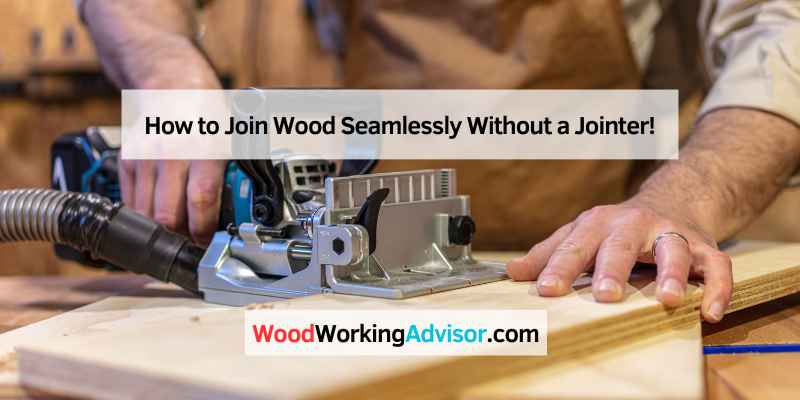
How to Join Wood Seamlessly Without a Jointer!
To join two pieces of wood without a jointer, use a hand plane or a straight edge and saw. You can also employ wood glue and clamps for a strong bond.
Joining wood pieces without a jointer may seem challenging, but it is entirely possible with the right techniques. Many woodworkers face this issue when working on DIY projects or home repairs. A jointer is a helpful tool, but not everyone has access to one.
Luckily, several methods exist that can create a smooth, flat surface for your wood pieces. Techniques like using a hand plane, saw, or even wood glue can yield excellent results. Understanding these methods will enhance your woodworking skills and help you achieve professional-quality joints without specialized equipment. Embrace creativity and resourcefulness in your woodworking journey.
Introduction To Seamless Wood Joining
Joining two pieces of wood without a jointer is possible. Smooth joints are essential for strong construction. They help in creating a seamless appearance. A good joint also enhances the wood’s durability.
To achieve this, several tools are necessary:
| Tool | Purpose |
|---|---|
| Hand Plane | Trims and smooths edges of the wood. |
| Chisel | Sharpens corners and removes excess material. |
| Clamps | Holds pieces tightly together while glue dries. |
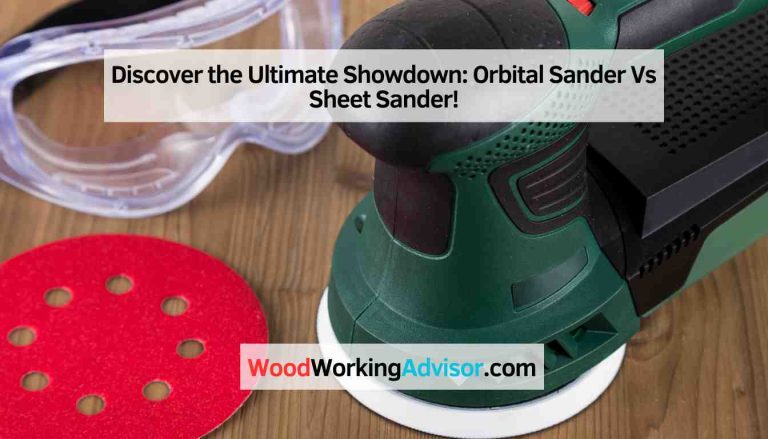
| Sander | Provides a smooth finish on the surface. |
Preparation: The Key To Success
Choosing the right wood pieces is crucial for a strong bond. Look for straight grain and similar thickness. This ensures a better fit and stronger joint.
Start by measuring each piece of wood carefully. Use a tape measure for accuracy. Mark the cutting lines clearly with a pencil. This helps in maintaining precision during assembly.
Double-check all measurements before cutting. Accurate marks lead to better joints. A well-prepared workspace also enhances efficiency.
Alternative Techniques To A Jointer
Using a table saw can help join two pieces of wood effectively. Set the fence for a straight cut. Make sure the wood is flat against the table. This reduces chances of mistakes.
Another great method is hand planing. A hand plane smooths the edges perfectly. Start with the rough side facing up. Apply even pressure while moving the plane. This creates a tight fit between the pieces.
Both methods need practice. With time, skills improve. Soon, joining wood without a jointer becomes easy.
Step-by-step Guide To Using A Table Saw
Start by ensuring your table saw is on a flat surface. This helps with accurate cuts. Make sure the blade is sharp and aligned correctly. A dull blade can lead to poor results.
Next, adjust the fence to the desired width. The fence guides the wood for even cuts. Always double-check measurements before cutting.
Now, secure the wood piece against the fence. Keep your hands away from the blade. Use push sticks for safety if the piece is small.
Finally, turn on the saw and slowly feed the wood through the blade. Let the saw do the work, and avoid rushing. After cutting, check for smooth edges.
Mastering The Hand Plane Method
Choosing the right hand plane is crucial for joining wood pieces. Look for a smooth plane for flat surfaces. A jack plane helps with initial shaping. The block plane is great for trimming edges.
For best results, use a sharp blade. Keep the blade at a proper angle for smooth cuts. Practice on scrap wood before starting your project. This helps build confidence and skill.
Always check the flatness of the wood. Use a straight edge to find any bumps. Adjust your technique based on the wood’s needs. Patience is key for a clean finish.
Achieving Perfectly Flat Surfaces
To check for flatness, use a straightedge. Place the straightedge on the wood. Look for gaps between the wood and the straightedge. Any gap means the surface is not flat.
To fine-tune your work, use a hand plane. Start by removing small amounts of wood. Check the flatness frequently. This helps to avoid removing too much wood.
Another method is to use sandpaper. Sand the high spots gently. This helps create a smoother surface.
For a quick check, use a level. Place it on the surface and adjust as needed. These steps ensure your wood pieces meet well.
Joining The Pieces Together
To achieve a strong bond between two pieces of wood, use high-quality wood glue. Apply a thin layer on one edge. Press the pieces together firmly. Wipe away any excess glue immediately.
Clamping is vital for effective wood joining. Use bar clamps or pipe clamps for even pressure. Ensure the clamps are tight but not overly tight to avoid damage. Check alignment before the glue dries.
Consider using clamping blocks to prevent dents on the wood surface. Allow the glue to cure fully before removing clamps. This ensures the strongest bond possible.
Finishing Touches For A Flawless Joint
Sanding is essential for a smooth joint. Use a fine-grit sandpaper for the best results. Start with coarse sandpaper to remove any imperfections. Gradually move to finer grits to achieve a polished look.
After sanding, apply a finish for protection. Choose a finish that enhances the wood’s beauty. Options include stain, varnish, or oil. Each type offers different levels of protection and sheen.
Ensure the surface is clean before applying the finish. Use a lint-free cloth to wipe away dust. Apply the finish evenly with a brush or rag. Allow it to dry according to the manufacturer’s instructions.
Frequently Asked Questions
How Can I Join Wood Without A Jointer?
You can join wood using techniques like edge gluing, using clamps, or employing wood glue. Ensure the edges are straight and smooth. Clamping the pieces tightly will help create a strong bond. You can also use dowels or biscuits for added strength.
What Tools Do I Need For Wood Joining?
Basic tools for joining wood include a saw, clamps, and sandpaper. A chisel or doweling jigs can enhance precision. You may also use wood glue or biscuits for better stability. These tools will help ensure a strong and seamless joint between the wood pieces.
Can I Use Glue To Join Wood?
Yes, wood glue is effective for joining wood pieces. It creates a strong bond when applied correctly. Make sure to apply an even layer on both surfaces. Clamping the pieces together while the glue dries enhances the strength of the joint significantly.
Is Edge Gluing Effective For Wood Joints?
Edge gluing is a practical method for joining wood. It works well for creating larger surfaces or panels. Make sure the edges are perfectly aligned and smooth. Proper clamping during the drying process is crucial for a strong bond.
Conclusion
Joining two pieces of wood without a jointer is entirely achievable. With techniques like edge gluing and using clamps, you can create strong bonds. Experiment with different methods to find what works best for your project. Mastering these skills will enhance your woodworking capabilities and boost your confidence.
Happy crafting!