How to Remove White Spots From Wood Furniture (Fast Fixes)
White spots on wood furniture are usually moisture trapped inside the finish, not damage to the wood. But a white mark can also be surface residue, a hazy finish, or mold, and each one needs a different fix. Guessing wrong is how people end up sanding through a good finish. This guide helps you identify the mark first, then walks the fixes from least to most aggressive.

Which White Mark Do You Have? Match the Pattern First
Best White Ring Restorer Pick |
|
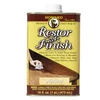 |
Howard Restor-A-Finish, 16 oz, Neutral This is the restorer step (Fix 4) in the guide below, for white rings that oil and heat did not clear. The can is labeled to blend out scratches and remove white heat rings, and the maker says to apply it with steel wool.
|
As an Amazon Associate we earn from qualifying purchases.
Popular Woodworking describes the common light mark as moisture getting into the finish and creating voids that interfere with the finish’s transparency. That explains most white rings and clouds. The table below separates the look-alikes. The dedicated table-top method lives in our white spots on a wood table top guide, so here we focus on telling the causes apart.
| What you see | Likely cause | Quick test | Go to |
|---|---|---|---|
| White ring or cloud under the finish, often under a cup or vase | Moisture trapped in the finish | Wipe with a dry cloth. If it does not budge, it is under the finish | Fixes 1 to 5 below |
| Haze over a whole top or drawer front on an older piece | Blushing on old shellac or lacquer | Look across the whole surface in raking light. Even haze, not one ring, points to blush | Blushing section, or a refinisher |
| White film that wipes off or smears | Surface residue such as polish or cleaner build-up | Dry cloth, then a cloth barely damp with water | Clean the surface, no finish repair |
| White fuzzy, powdery or musty patches, often in a damp room | Mold on the finish or wood | Look closely for fuzzy growth and note any musty smell | Mold section, with protection |
| White mark that turns gray or black at the edge | Water that reached the bare wood or metal contact | Check if the finish is cracked or worn through there | Our dark stain guide |
| A ring with a visibly scorched or raised center | Heat damage to the finish | Feel for a rough or blistered surface | Our heat stain guide |
The residue and mold rows are our own sorting aid for what a dry-cloth wipe or a close look can rule out, not a published test, so treat them as a way to decide where to start.
The Three-Minute Test Before You Touch Anything
- Dry-cloth wipe: Clean the area and rub it with a dry microfiber cloth. If the white lifts, it was residue and you are done.
- Raking-light look: Hold a flashlight low and sideways. A ring in one spot is local moisture. Haze across the whole surface suggests blushing.
- Hidden-spot test: Pick an underside or back edge and try each treatment there first. Howard says to find the pressure you need on an inconspicuous spot, because the hardness of finishes varies.
- Check for mold: If the patch looks fuzzy or the room is damp, skip the finish fixes and go to the mold steps.
How to Remove White Spots From Wood Furniture: Least Risky First
Popular Woodworking orders its treatments by risk, starting with oily substances and ending with abrasives and refinishing. We follow that order, because you cannot undo a dulled finish.
Fix 1: Leave an Oily Substance On Overnight
Apply furniture polish, petroleum jelly or mayonnaise to the mark and leave it overnight. Popular Woodworking says this can restore some transparency. Wipe it clean in the morning. We found no strong evidence that one oil beats another, so use whatever you already own, and do not expect it to work on old, deep marks.
Fix 2: Warm It Gently
A blow dryer, kept moving, can soften the finish enough to let trapped moisture escape. Popular Woodworking warns that too much heat blisters the finish, so stop if the surface feels hot or tacky. For the full cloth-and-iron method on flat table tops, see our table-top guide.

Fix 3: Wipe With a Barely Damp Denatured-Alcohol Cloth (Shellac)
Popular Woodworking says denatured alcohol is most effective on shellac, and that you should dampen a cloth with just enough alcohol to leave the appearance of a comet’s tail of evaporating alcohol as you wipe. Test a hidden spot first. If the finish turns tacky or the cloth picks up color, stop. Use it only in a ventilated room, away from flames.
Fix 4: Use a Finish Restorer
For white rings that survive the first three steps, a restorer works on the finish you already have. Howard’s instructions say to apply Restor-A-Finish with steel wool and rub with the grain hard enough to blend out the white, using super fine 0000 steel wool for severe white rings. Do not pour it directly on the finish. If a high-gloss finish looks dull afterward, Howard says to polish it out with a polishing compound or burnishing cream, and to apply Feed-N-Wax after at least 30 minutes to protect the restored finish.
Fix 5: Mild Abrasives, the Last Step Before Refinishing
Popular Woodworking lists toothpaste, rottenstone mixed with light oil, and 0000 steel wool with mineral oil as mild abrasives. These cut into the finish, so they can dull a gloss sheen. Try them on a hidden patch first, and expect to rebuff the whole panel for an even look.
If the Whole Surface Looks Hazy: Blushing
A white haze over a large area, rather than a single ring, is a common problem with old shellac and lacquer finishes. Ohio Vintage explains that blushing happens when moisture becomes trapped under the lacquer film, scattering light and creating a white, foggy look. Triggers include cold drinks sweating on the surface, leaking planters and hot mugs set directly on the finish.
Their fix is a blush retarder, a product that temporarily reflows the lacquer and lets the trapped moisture escape, followed by drying somewhere warm with low humidity. Popular Woodworking mentions an aerosol blush eliminator based on butyl Cellosolve, mainly for lacquer. Both are solvent products, so follow the label for ventilation and gloves. If the piece is an antique or covered in haze, a professional refinisher is the safer call, and our guide to restoring old wood furniture explains how to decide between restore and refinish.
If the White Looks Fuzzy or Musty: Treat It as Mold
Mold is not a finish problem, and the heat and oil fixes will not help. Bob Vila advises wearing rubber gloves, safety goggles and an air mask, then vacuuming with a HEPA-filter machine, washing with mild soap and water, and spritzing white vinegar and leaving it for an hour. If mold has penetrated the wood, his guide uses a bleach mix of 1 part detergent, 10 parts bleach and 20 parts warm water, and sanding for stubborn spots. Throw away rags that touched the mold, and call a professional if the affected area is larger than roughly 10 square feet. Never mix bleach with vinegar or other cleaners. For more on this, see our guide to removing mold from wood.
What Not to Do
- Do not sand at the first sign of a ring. You can cut through the finish and turn a cosmetic problem into a refinishing job.
- Do not add water to a white ring. The mark is moisture already in the finish.
- Do not use the steam setting on an iron near the mark.
- Do not try every fix on the visible area. Test hidden spots first.
How to Prevent White Spots
Ohio Vintage’s prevention list is simple: coasters for cold drinks, trivets under hot items, saucers under planters, and air circulation in humid rooms. If a finish is already worn or damaged, our furniture finish repair guide covers scratches, rings and haze together.
Frequently Asked Questions
How do you remove white spots from wood furniture?
Start by working out what the mark is. If it is a white ring or cloud inside the finish, try the least risky fix first: an oily substance left overnight, then gentle heat, then a barely damp denatured-alcohol wipe on shellac, then a finish restorer with fine steel wool. If the white is fuzzy, powdery or musty, treat it as mold instead and clean it with protective gear.
What is the white stuff on my wood furniture?
Usually it is moisture trapped in the finish, which scatters light and looks milky or white. It can also be surface residue that wipes off, or mold. A dry-cloth wipe and a hidden-spot test will tell you which one you have.
Will mayonnaise or toothpaste remove white spots from wood?
They are old-shop remedies that Popular Woodworking lists among its low-risk options: oily substances such as petroleum jelly or mayonnaise are left on overnight, and toothpaste is a mild abrasive. Results vary, and abrasives can dull a glossy finish, so test a hidden spot first and treat them as a first attempt, not a guaranteed fix.
Why does a whole table or dresser turn hazy white?
A haze over a large area is often blushing, which shows up on old shellac and lacquer finishes when moisture gets in. It is a finish problem, not a wood problem, and the usual fix is a blush retarder or a pro refinish rather than spot treatment.
Sponsored / affiliate links. As an Amazon Associate I earn from qualifying purchases. I may earn additional commission from eligible campaigns.