Natural Teak Wood Texture: Grain, Color & Real Specs
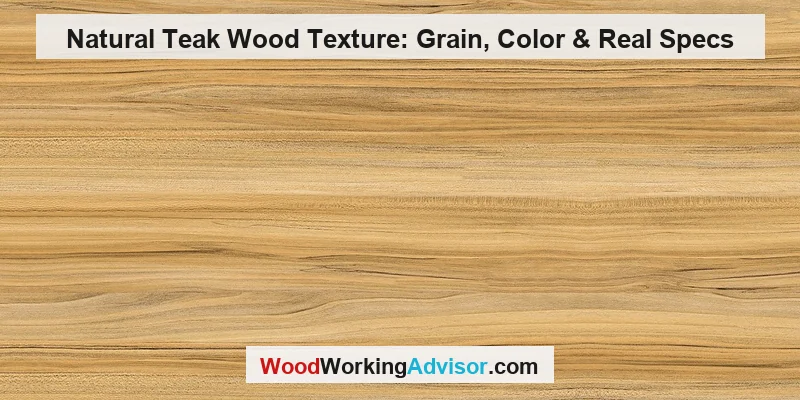
Natural teak wood texture is a coarse, straight-grained surface with a golden-brown color, a faint oily feel, and a Janka hardness of 1,070 lbf. Left unsealed outdoors, that same surface turns silver-gray within 6 to 24 months as UV breaks down surface lignin, though the wood underneath stays structurally sound for decades. This guide covers teak’s real grain and color range, how its texture changes over time, and how to use it in furniture, flooring, and decor.
Insert your Affiliate Disclosure reusable block here.
What Is Teak Wood?
Best Teak Oil Pick

Minwax Helmsman Teak Oil, Clear, 1 Quart
A widely available, budget-friendly teak oil that restores the golden color described above and slows the shift to gray.
- Best for: First-time teak owners who want an easy, low-cost yearly maintenance oil
- Why we picked it: Trusted general finishing brand, easy to find, follows the 5-step application above
- Main drawback: Needs reapplication yearly to keep the golden tone — it won’t stop weathering permanently
Compare more teak oil options
 Option 1 Watco Teak Oil Wood Finish, Quart
|
 Option 2 Star Brite Premium Golden Teak Oil, 16oz
|
 Option 3 Furniture Clinic Teak Care Kit
|
As an Amazon Associate we earn from qualifying purchases.
Teak is a tropical hardwood from the Tectona grandis tree, native to Southeast Asia, that gets its water and pest resistance from natural oils held right in the grain — not from a topical treatment. Those same oils give unfinished teak a faintly oily feel and a golden-brown color that darkens with age. For the cost, cleaning, and refinishing side of owning it, see our full teak wood guide hub.
Benefits Of Teak Wood
Teak wood is a popular choice for home décor because it combines real durability with a distinctive grain. Here’s what that durability is actually built on.
Durability And Strength
Teak withstands harsh weather because its natural oils repel water and resist rot — independent lab testing rates it among the most decay-resistant hardwoods available, which is why it’s the standard for boat decks and outdoor furniture that gets no cover.
Aesthetic Appeal And Versatility
Teak’s golden-brown color and straight grain pattern give each piece its own character, and the wood suits everything from minimalist to rustic styles. It requires little upkeep, and its natural oils make it one of the few hardwoods that performs equally well indoors and outdoors.
Natural Teak Wood Colors
Teak’s color isn’t one shade — it ranges from deep browns to warm golden tones depending on the tree’s age and where it grew. Let’s explore the beautiful color variations of natural teak wood, and see our full teak color guide for how each shade is graded.
Rich Brown Hues
Rich brown teak has a unique grain pattern that adds texture and visual interest, and the deep tones contrast well with lighter decor elements. Common uses:
- A rustic dining table
- Living room flooring
- A bedroom headboard
Golden Tones
Golden teak has a smooth, silky texture and shines under natural light, making it a good fit for spaces that need warmth. Common uses:
- Kitchen cabinets
- Outdoor furniture
- Bathroom vanities
Teak Wood Textures
Teak’s texture varies with how it’s finished, offering distinct looks for different design preferences — from a smooth, polished surface to a rustic, rough one.
Smooth And Polished
Sanded and oiled teak feels soft to the touch and reflects light well, which suits modern and minimalist interiors. This finish is common in furniture, flooring, and wall panels.
Rustic And Rough
Rustic, rough teak wood textures bring the wood’s natural grain and imperfections to the surface, giving it a raw, authentic look suited to farmhouse and industrial styles — think accent walls, beams, and rustic furniture where the rugged texture becomes the focal point.
Teak Wood By The Numbers: Real Grain, Hardness & Density Specs
Most articles describe teak’s texture in adjectives. Here are the actual numbers, compared to the vague descriptions you’ll usually find on decor sites — teak’s combination of hardness, density, and natural oil content is unusual for a single hardwood species.
| Property | Teak Wood | What It Means For You |
|---|---|---|
| Janka hardness | 1,070 lbf | Harder than white oak — resists dents from everyday furniture use |
| Average density | 40.9 lbs/ft³ (655 kg/m³) | Noticeably heavier than pine or cedar; expect solid, substantial furniture |
| Grain | Straight, occasionally wavy or interlocked | Predictable pattern that machines and finishes cleanly |
| Surface texture | Coarse, uneven, low-to-moderate luster | Slightly oily to the touch even unfinished |
| Silica content | Up to 1.4% | Dulls hand-plane and saw blades faster than most hardwoods |
| Volumetric shrinkage | 7.2% | Low movement — stable in humidity swings, good for flooring |
| Rot resistance | Rated very durable | Little to no sealing needed for structural longevity outdoors |
“In our shop, the giveaway that a board is real teak isn’t the color — it’s how fast it dulls a plane iron. That’s the silica in the grain, not resin, and it’s worth a second honing pass before you start a project.”
Incorporating Teak Wood In Living Spaces
Teak’s texture and rich color work with styles from classic to modern, and its durability makes it a practical choice for furniture, floors, and decor — not just an accent piece.
Teak Wood Furniture
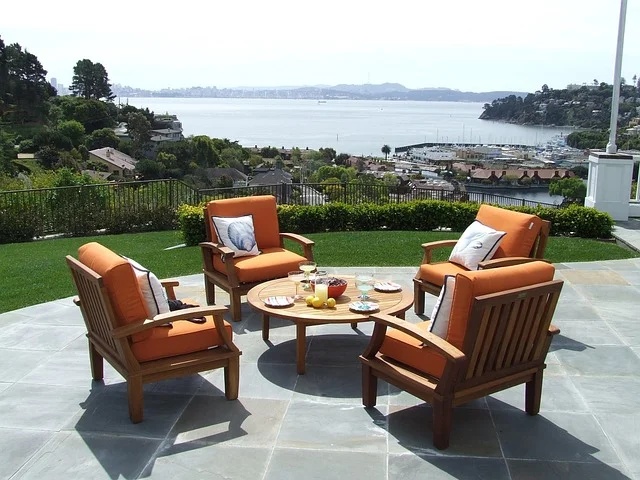
Teak furniture resists moisture and pests thanks to its natural oils, which is why it works equally well indoors and outdoors. A teak coffee table adds a rustic touch to a living room, teak chairs create a cozy seating area, and teak shelving blends into most color schemes without competing for attention.
Teak Wood Flooring
Teak flooring adds warmth through its rich, golden-brown color and natural grain pattern. It withstands heavy foot traffic, resists water, and (per the shrinkage numbers above) stays dimensionally stable through humidity changes — a real advantage in kitchens and bathrooms where other hardwoods can cup or gap.
Teak Wood In Outdoor Areas
Teak’s rot resistance and dense grain make it a top pick for outdoor furniture and decking, from patio sets to poolside decks.
Patio Furniture
Teak wood patio furniture holds up across weather extremes because its natural oils protect it from rot and insects, and it needs nothing more than mild soap and water to clean. Left uncovered, it develops the silver-gray patina covered in the next section.
Decking
Teak decking resists moisture and decay well enough for poolside installs and garden paths, and its natural oils create a non-slip surface even when wet — a genuine safety advantage over smoother-finished hardwoods.
How Teak Wood Texture Changes Over Time (Weathering & Patina Timeline)
According to wood-care research on teak weathering, untreated teak left outdoors shifts from golden-brown to silver-gray over roughly 6 to 24 months, with most of the color change happening in the first 9 to 12 months of sun and rain exposure. UV light breaks down the surface lignin while the wood’s own silica and oil content keep protecting everything beneath it — so the color shift is cosmetic, not decay. Small surface cracks called checking can appear as the wood responds to temperature and moisture swings; they don’t affect structural strength.
Does Teak Wood Texture Change Indoors?
Much more slowly. Indoor teak gets far less UV exposure, so it darkens gradually over years rather than graying within months — which is why indoor furniture is usually left with its original oiled finish rather than allowed to weather.
Caring For Teak Wood
Proper care keeps teak wood looking its best, whether you’re maintaining the golden color or letting it weather naturally.
Cleaning Tips
Dust weekly with a soft, dry cloth to prevent buildup. For a deeper clean, wipe the surface with a mild dish-soap solution on a damp cloth, rinse with clean water, and dry with a soft towel. Skip harsh chemicals and abrasive cleaners — they strip the wood’s natural oils along with the dirt.
Maintaining The Finish: How To Apply Teak Oil
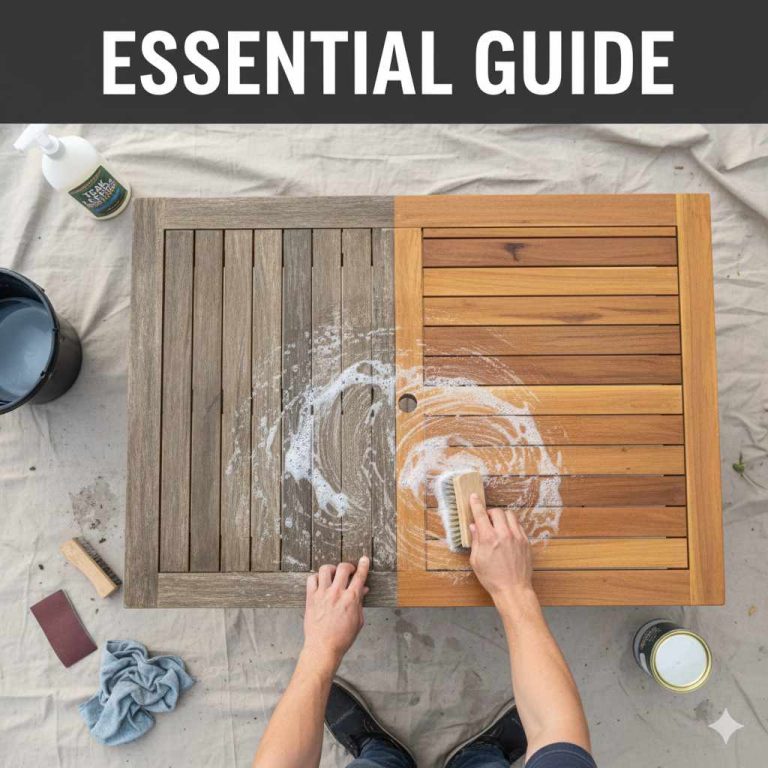
Teak naturally ages to a silver-gray patina (see the timeline above). To keep the original golden color instead, apply teak oil or sealant once a year:
- Choose the oil: Pick a high-quality teak oil or sealant made for the job.
- Clean first: Wash the surface thoroughly and let it dry completely before applying anything.
- Apply thin: Work a thin layer of oil into the wood with a soft cloth, following the grain.
- Let it absorb: Give the oil time to soak in rather than sit on the surface.
- Wipe off excess: Remove any oil that hasn’t absorbed to avoid a sticky, dust-catching finish.
A sealant adds extra protection against moisture and UV rays, extending the life of the finish. For outdoor teak furniture, covering it during harsh weather further slows weathering.
Sustainable Sourcing Of Teak Wood
Teak’s durability and beauty come at an environmental cost if it’s sourced carelessly, so sustainable sourcing matters for protecting forests and the communities that depend on them. Because of its hardness and rot-resistance, teak also commands a premium price — see our teak wood cost guide for current per-board-foot pricing.
Ethical Harvesting
Ethical harvesting means cutting only mature trees so younger ones can keep growing, with forest workers following guidelines that protect the surrounding environment and support local communities through jobs and resources.
Eco-Friendly Choices
Look for certified teak carrying FSC or PEFC certification, which confirms it comes from a well-managed forest. Reclaimed wood is another option — it’s recycled from old structures, reduces demand for newly cut trees, and adds unique character you can’t get from new stock.
Frequently Asked Questions
What Is Natural Teak Wood Texture?
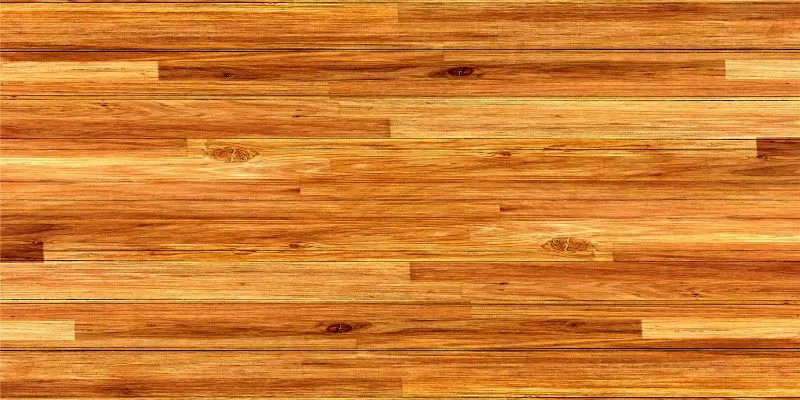
Natural teak wood texture is coarse and uneven with a low-to-moderate natural luster, a straight (occasionally wavy) grain, and a slight oily feel even before any finish is applied. It has a rich golden-brown color that darkens with age.
How To Use Teak Wood In Home Decor?
Teak wood works for furniture, flooring, and wall paneling. Its durability and dimensional stability make it suited to both indoor and outdoor spaces, including humid rooms like kitchens and bathrooms.
Why Choose Teak Wood For Your Home?
Teak is highly durable, resistant to pests, and rated among the most rot-resistant hardwoods available. Its natural oils resist water and decay, which is why it needs little maintenance to keep its appearance for decades.
How To Maintain Teak Wood Texture?
Clean teak regularly with mild soap and water, and apply teak oil about once a year if you want to preserve the golden color rather than let it weather to gray. See the 5-step oiling process above.
How Long Does It Take For Teak Wood To Turn Gray?
Untreated teak left outdoors typically turns from golden-brown to silver-gray within 6 to 24 months, depending on sun and rainfall exposure, with most of the shift happening in the first 9 to 12 months. The change is cosmetic — the wood’s natural oils keep the structure sound underneath.
Is Teak Wood Texture Rough Or Smooth?
Both, depending on the finish. Unfinished teak has a coarse, slightly oily texture with visible open grain, while sanded and oiled teak feels smooth and silky — which is why indoor furniture is usually finished while outdoor pieces are often left raw to weather naturally.
Conclusion
Natural teak wood texture comes down to real, measurable properties — a 1,070 lbf hardness, a coarse oily grain, and a color that either stays golden with yearly oiling or shifts to silver-gray on its own timeline. Both looks are legitimate design choices, not maintenance failures. Whichever you pick, the wood underneath stays sound for decades either way.
Sponsored / affiliate links. As an Amazon Associate I earn from qualifying purchases. I may earn additional commission from eligible campaigns.