How to Make Cornhole Boards Slippery: Ultimate Guide
To make cornhole boards slippery, apply a coat of polyurethane or use a specialized cornhole board spray. Allow the surface to dry completely before use for optimal performance.
Cornhole, a beloved backyard game, thrives on smooth playing surfaces. Slippery boards enhance gameplay, allowing bags to slide seamlessly toward the hole. Achieving this involves careful preparation and the right materials. Many players opt for polyurethane finishes or specialized sprays, which provide that desired slickness.
Regular maintenance ensures the boards remain in top condition, making every game enjoyable. Whether you’re a casual player or a competitive enthusiast, knowing how to make your cornhole boards slippery can elevate your experience. This guide will help you achieve the perfect balance of slickness and control, ensuring memorable game nights with friends and family.
Introduction To Cornhole Boards
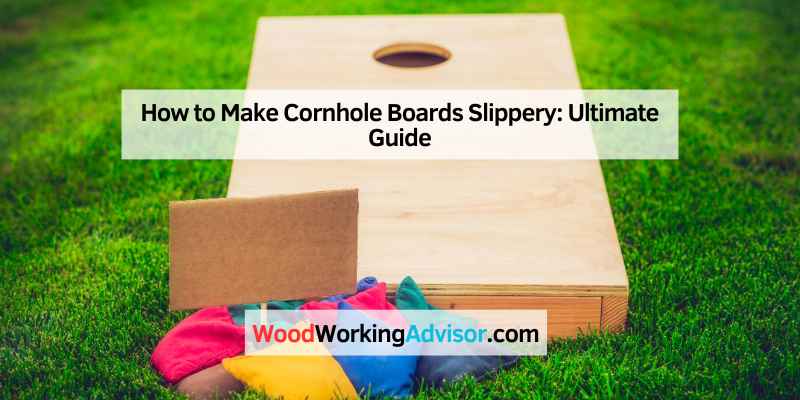
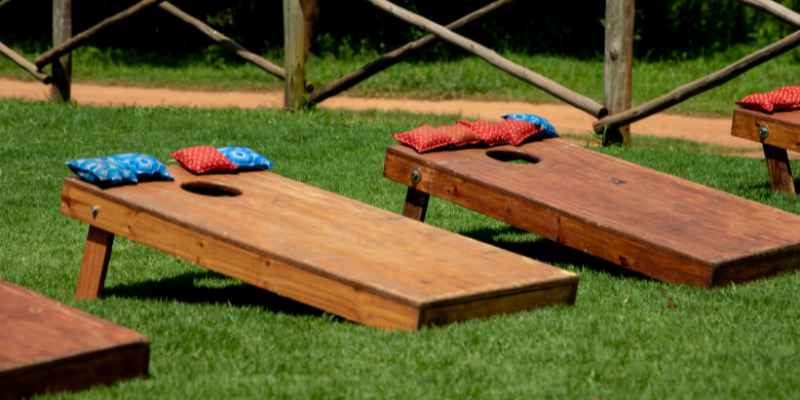
Cornhole is a popular outdoor game enjoyed by many. Players toss bean bags at a raised board with a hole. The aim is to score points by landing bags on the board or in the hole. Making the boards slippery can enhance gameplay and add excitement.
Popularity And Basics Of Cornhole
Cornhole has gained immense popularity at tailgates, barbecues, and family gatherings. Its simple rules attract players of all ages. Here are some basic details:
- Players: Typically played in teams of two or four.
- Scoring: 3 points for bags in the hole, 1 point for bags on the board.
- Setup: Boards are placed 27 feet apart for official play.
| Item | Description |
|---|---|
| Boards | Made from wood, 24 inches wide and 48 inches long. |
| Bean Bags | Weigh 15-16 ounces, filled with corn or synthetic material. |
Importance Of Slippery Surface
A slippery surface can change the dynamics of the game. It affects how the bags slide and land on the board. Here are key reasons why a slippery surface is important:
- Enhanced Gameplay: Players can make more strategic throws.
- Increased Fun: A slippery board can create unexpected outcomes.
- Better Skill Development: Players learn to adjust their techniques.
In summary, a slippery cornhole board adds excitement and challenge. Understanding how to achieve this surface is essential for the best experience.
Materials And Tools Required
Creating slippery cornhole boards requires the right materials and tools. Choosing the right items ensures a smooth surface for better gameplay. Below are essential components for making your boards.
Selecting The Right Wood
The wood type impacts the board’s performance. Plywood is a popular choice. It is strong and lightweight. Consider the following options:
- Birch Plywood: Durable and smooth finish.
- Maple Plywood: Ideal for a sturdy board.
- Birch or Maple Hardwoods: Provides excellent slide.
List Of Essential Supplies
Gather these supplies for your cornhole boards:
| Item | Description |
|---|---|
| Plywood Sheets | Use for the board surface. |
| Wood Glue | For strong joints. |
| Sandpaper | To smooth the edges and surface. |
| Paint or Stain | To finish the boards. |
| Clear Sealant | For a slippery finish. |
| Measuring Tape | To ensure accurate dimensions. |
| Jigsaw | To cut the wood pieces. |
| Drill | For making holes if needed. |
Having the right tools ensures a smooth building process. Prepare your workspace for a successful project.
Preparation Of The Boards
Preparing your cornhole boards is essential for optimal gameplay. A smooth surface enhances the sliding of the bags. Follow these steps to ensure your boards are ready.
Sanding For Smoothness
Sanding is the first step in preparing cornhole boards. It removes rough spots and imperfections.
- Use 120-grit sandpaper for the initial sanding.
- Sand in the direction of the wood grain.
- Check for any rough edges after sanding.
Repeat the process with 220-grit sandpaper for a finer finish. This creates a silky smooth surface. Always wear a mask to protect yourself from dust.
Cleaning The Surface
After sanding, cleaning the surface is crucial. Dust and debris can affect the finish.
- Use a damp cloth to wipe down the boards.
- Ensure no dust particles remain.
- Let the boards dry completely before applying any finish.
For a thorough clean, consider using a vacuum. A clean surface helps finishes adhere better.
Applying The Base Coat
Applying the base coat is essential for making cornhole boards slippery. It creates a smooth surface for the top coat. Follow these steps for the best results.
Choosing The Right Paint
Selecting the right paint is crucial. Use high-quality, outdoor paint. Look for paints that dry to a hard finish.
- Acrylic paints are water-based and easy to work with.
- Oil-based paints provide a durable finish.
- Choose a paint designed for wood surfaces.
Techniques For Even Application
Applying paint evenly ensures a smooth finish. Follow these techniques:
- Start with a clean and dry board surface.
- Use a roller for large areas. This helps cover more space quickly.
- Use a brush for corners and edges. This ensures no spots are missed.
Apply thin layers of paint. Thick layers can lead to drips.
Let each coat dry completely before applying the next one. This prevents smudging.
| Paint Type | Durability | Finish Type |
|---|---|---|
| Acrylic | Moderate | Matte |
| Oil-based | High | Glossy |
Sealing The Surface
Sealing the surface of your cornhole boards is essential. A smooth finish enhances gameplay. It helps the bags slide easily. This section covers types of sealants and application tips.
Types Of Sealants
Choosing the right sealant is crucial. Here are some popular options:
- Polyurethane Sealant: Durable and waterproof.
- Marine Varnish: Great for outdoor use.
- Shellac: Fast-drying and easy to apply.
Each sealant has its benefits:
| Sealant Type | Durability | Drying Time | Best Use |
|---|---|---|---|
| Polyurethane | High | 2-4 hours | Indoor/Outdoor |
| Marine Varnish | Very High | 4-6 hours | Outdoor |
| Shellac | Medium | 30 minutes | Indoor |
Application Tips For Durability
Proper application ensures lasting results. Follow these steps:
- Sand the board surface smooth.
- Clean the dust off the board.
- Use a brush or roller for even application.
- Apply multiple thin coats, not one thick coat.
- Allow each coat to dry completely.
- Lightly sand between coats for better adhesion.
For best results, choose a dry day for application. This helps the sealant cure properly. Keep the boards in a well-ventilated area. Avoid moisture during drying.
Creating The Perfect Slip
Making cornhole boards slippery enhances gameplay. A slick surface allows bags to glide smoothly. This section explores effective ways to achieve the ideal slip.
Polishing For Enhanced Smoothness
Polishing your cornhole boards is key. Use the right materials for the best results.
- Sandpaper: Start with a fine grit, around 220.
- Polishing compound: Use a compound designed for wood.
- Cloth: A soft cloth helps apply the compound evenly.
Follow these steps:
- Sand the board surface lightly.
- Wipe off dust with a cloth.
- Apply polishing compound in circular motions.
- Buff the surface until glossy.
This process improves the board’s slickness. A polished surface reduces friction significantly.
Homemade Solutions Vs. Commercial Products
Choosing between homemade and commercial products matters. Each option has its benefits.
| Feature | Homemade Solutions | Commercial Products |
|---|---|---|
| Cost | Usually cheaper | More expensive |
| Effectiveness | May vary | Consistent results |
| Ease of Use | Simple to mix | Ready-to-use |
| Availability | Common household items | Purchase required |
Homemade solutions might include:
- Baby powder
- Cornstarch
- Furniture polish
Commercial products often offer specialized sprays. They provide a quicker and easier application.
Evaluate your needs. Choose the best option for your cornhole boards.
Maintenance For Longevity
Proper maintenance keeps your cornhole boards in great shape. Regular care helps maintain their slipperiness and durability. Follow these tips to extend the life of your boards.
Regular Cleaning Routine
Cleaning your cornhole boards is essential. Dust and dirt can affect their performance. Here’s how to keep them clean:
- Dust the surface: Use a soft cloth.
- Wipe spills: Clean any liquid spills immediately.
- Use mild soap: Mix soap with water for deeper cleaning.
Follow this cleaning routine:
- Dust the board before and after each use.
- Wipe any stains right away.
- Deep clean every few months.
Reapplication Of Slip Agents
Slip agents keep your cornhole boards smooth. Reapply them regularly for the best results. Here’s a simple process:
| Slip Agent | Application Frequency | Instructions |
|---|---|---|
| Beeswax | Every 6 weeks | Rub evenly across the surface. |
| Silicone Spray | Monthly | Spray lightly and wipe off excess. |
| Polyurethane Finish | Annually | Apply a thin layer and let dry. |
Follow these steps for the best outcome:
- Choose the right slip agent.
- Apply according to instructions.
- Inspect the boards after application.
Troubleshooting Common Issues
Maintaining a slippery surface on your cornhole boards can be tricky. Sometimes, rough patches or weathering can affect performance. Here are some solutions to common problems.
Dealing With Rough Patches
Rough patches can cause uneven play. Follow these steps to fix them:
- Inspect the Surface: Look for any visible damage.
- Sanding: Use fine-grit sandpaper to smooth rough areas.
- Cleaning: Wipe down the board with a damp cloth to remove dust.
- Apply a Sealant: Use a polyurethane sealant for a smooth finish.
Be sure to let the sealant dry completely before using the boards again.
Restoring Slip After Weathering
Weather can wear down your cornhole boards. Follow these tips to restore their slip:
- Clean the Surface: Remove dirt and debris with a mild cleaner.
- Reapply Sealant: A fresh coat can enhance smoothness.
- Test for Slipperiness: Toss a few bags to check performance.
| Action | Frequency | Notes |
|---|---|---|
| Inspect Boards | Monthly | Identify damage early |
| Clean Boards | After Every Use | Prevents buildup |
| Reapply Sealant | Annually | Maintain smoothness |
With these steps, your cornhole boards will stay smooth and fun to play on.
Advanced Techniques
Enhancing the slipperiness of cornhole boards can elevate your game. Advanced techniques improve the slide, making it easier to score. Here are some effective methods to achieve this.
Improving Slide With Techniques
Various techniques can significantly improve the slide of cornhole boards.
- Board Sealing: Use a high-quality sealant. This creates a smooth surface.
- Finishing Coats: Apply multiple coats of varnish. More coats enhance the slickness.
- Sanding: Start with coarse sandpaper. Finish with fine sandpaper for a smoother finish.
- Waxing: Apply a thin layer of car wax. Buff it for a shiny and slippery surface.
Adjustments For Competitive Play
In competitive settings, small adjustments can make a big difference.
- Temperature Control: Keep boards in a cool area. Heat can affect the board’s surface.
- Humidity Levels: Monitor humidity. High moisture can make boards less slippery.
- Player Technique: Adjust your throwing style. A flatter throw can increase slide.
- Regular Maintenance: Check boards frequently. Clean and reapply treatments as needed.
| Technique | Benefit |
|---|---|
| Board Sealing | Smooth surface for better slide |
| Finishing Coats | Increased slickness |
| Sanding | Enhanced finish quality |
| Waxing | Shiny surface |
Implement these advanced techniques to improve your cornhole game. Mastering the slide can lead to more wins.
Safety Precautions
Making cornhole boards slippery involves using chemicals and materials. Always prioritize safety when handling these substances. Follow these guidelines to ensure a safe experience for everyone.
Proper Handling Of Chemicals
Using chemicals can be dangerous. Always take precautions to protect yourself. Follow these steps:
- Wear gloves to protect your hands.
- Use goggles to shield your eyes.
- Work in a well-ventilated area.
- Read labels and follow instructions carefully.
Store chemicals in a secure place. Keep them away from children and pets. Dispose of empty containers properly.
Ensuring A Safe Play Area
Before playing cornhole, check the environment. A safe play area minimizes accidents. Follow these tips:
- Clear the area of obstacles.
- Avoid playing on wet surfaces.
- Mark boundaries to prevent injury.
- Ensure proper lighting for evening games.
Regularly inspect the boards for damages. Repair any issues before use. Safety ensures everyone enjoys the game.
Frequently Asked Questions
How Do I Make Cornhole Boards Slippery?
To make cornhole boards slippery, apply a layer of varnish or polyurethane finish. This creates a smooth surface for the bags to slide easily. Ensure the boards are clean and dry before application. Multiple coats may enhance slickness, but allow adequate drying time between each layer for best results.
What Materials Are Best For Slippery Cornhole Boards?
The best materials for slippery cornhole boards include plywood and MDF. These materials provide a smooth surface when properly sanded and finished. Consider using high-quality sealants to enhance the slickness. Experimenting with different finishes can also help achieve the desired level of slickness for gameplay.
How Long Does It Take For Cornhole Board Finish To Dry?
The drying time for cornhole board finishes varies by product. Typically, varnishes and polyurethanes take 24 hours to dry to the touch. However, full curing may take up to a week. Always follow the manufacturer’s instructions for the best results and to ensure a durable finish.
Can I Use Spray Paint For Cornhole Board Slickness?
Yes, you can use spray paint, but it’s not ideal for slickness. While some spray paints can create a smooth surface, they may not provide the durability needed for gameplay. For better results, consider using varnish or polyurethane, which are specifically designed to enhance smoothness and longevity.
Conclusion
Achieving the perfect slippery surface for your cornhole boards enhances gameplay. By following the methods outlined, you can elevate your game experience. Remember to maintain the boards regularly for optimal performance. Enjoy hours of fun while impressing your friends with your expertly crafted cornhole setup.
Happy tossing!