Why Some Pots and Pans Have Wooden Handles (The Real Science)
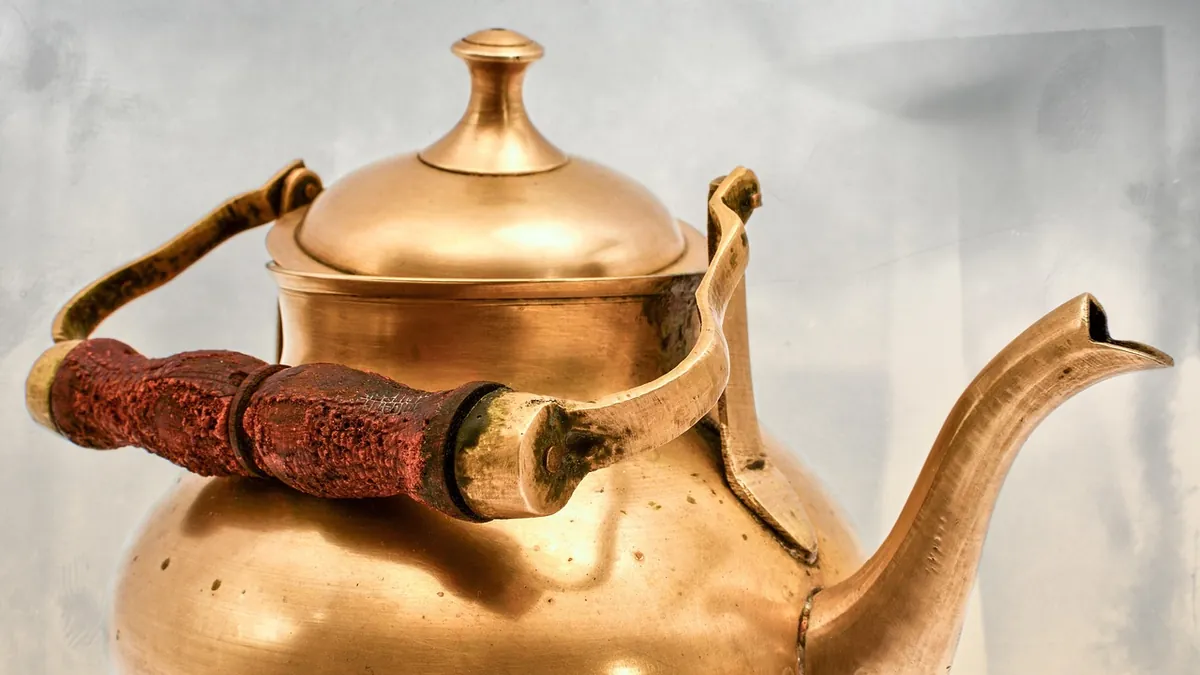
Pots and pans have wooden handles because wood conducts heat far more slowly than metal. Oak is listed at about 0.17 W/m-K, against 14.4 for stainless steel and 52 for cast iron, so the grip stays cool during normal stovetop cooking. But cool is not heatproof. Wood handles are generally kept out of ovens and away from flames. This guide covers the numbers, the oven limits, care, and what to do when a handle loosens.
Why Wooden Handles Stay Cool on a Hot Pan
Best Wood Handle Care Pick | |
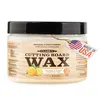 |
CLARK’S Cutting Board Wax, 6 oz: $14.45 when checked A wood butter that blends food-grade mineral oil with beeswax, made for cutting boards and wooden utensils. A dry wooden pan handle is the same kind of wood surface, and the care section below covers how to condition one.
|
As an Amazon Associate we earn from qualifying purchases. | |
Heat moves through a solid by conduction, and materials differ enormously in how fast they pass it along. The Engineering ToolBox lists oak at 0.17 W/m-K, pine at 0.12, and hardwoods such as oak and maple at 0.16, all at 25 °C. On its metals table, stainless steel (type 304) is 14.4 at 20 °C, cast iron is 52, carbon steel is 54, aluminum is 236, and copper is 401 (the last two at 0 °C).
Divide one by the other and the gap is striking. Heat moves through a stainless steel handle roughly 85 times faster than through an oak one, through cast iron roughly 300 times faster, and through copper more than 2,000 times faster. That ratio, not any special heat resistance, is why you can hold a wood handle while the pan beside it is searing.
| Material | Thermal conductivity, W/m-K | Heat flows about this many times faster than through oak (0.17) |
|---|---|---|
| Air (gas, 25 °C) | 0.0262 | 0.15x (slower) |
| Pine (softwood, 25 °C) | 0.12 | 0.7x (slower) |
| Oak (25 °C) | 0.17 | 1x (baseline) |
| Phenolic cast resin | 0.15 | 0.9x |
| Nylon 6 and 6/6 | 0.25 | 1.5x |
| Stainless steel, type 304 (20 °C) | 14.4 | about 85x |
| Cast iron (20 °C) | 52 | about 300x |
| Carbon steel, 0.5% C (20 °C) | 54 | about 320x |
| Aluminum (0 °C) | 236 | about 1,400x |
| Copper (0 °C) | 401 | about 2,400x |
Values are from the Engineering ToolBox nonmetal table and metals table; the multiples are our own division of those listed values, so treat them as rounded comparisons rather than measured pan temperatures. Dry wood is a cellular material full of tiny air-filled cavities, and air itself is a poor conductor, which is part of the reason. For how species and moisture shift wood’s numbers, see our guide to whether wood is a good insulator.
Why Metal Handles Get So Hot
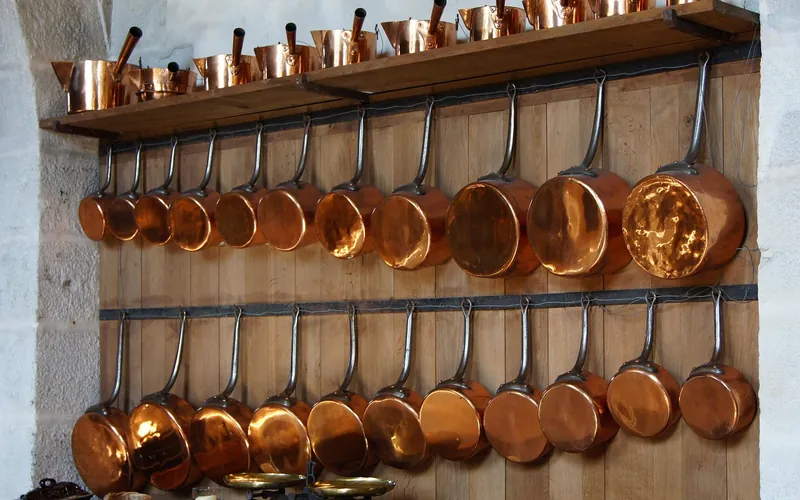
A pan handle is a rod that heat has to climb. With an all-metal pan, the heat that enters the base travels up the wall and straight out along the handle, and the more conductive the metal, the shorter the wait before your hand feels it. Cast iron, aluminum, and copper carry heat so well that a long handle can get uncomfortable on a long cook.
Stainless steel is the slowest conductor among the metals in the table above, which is one reason it is a common choice for all-metal handles. But 85 times faster than oak is still fast. GreenPan’s care guide says lids and handles may become hot during prolonged cooking and advises dry oven gloves or cold holders when needed. Wood does not eliminate that effect. It only slows it, so a short sear leaves the grip cool and a long braise can still warm it.
Cool Is Not Heatproof: The Wooden Handle Myth
The most common misunderstanding is that a handle that stays cool must be heat resistant. Those are two separate properties. Conductivity is how fast heat arrives. Thermal tolerance is how much heat the material can survive. Wood is excellent at the first and weak at the second.
On a stovetop, heat reaches the handle only by crawling through the pan, so the grip end stays far from the burner. In an oven, hot air surrounds the entire handle at once. Slow conduction no longer protects anything, because the whole handle is heating toward oven temperature from every side.
Tasting Table reports that exposure to high oven heat can cause wood to transform, warp, and split, and that wood can ignite at higher broiling temperatures. The USDA Forest Products Laboratory’s review of wood thermal degradation notes that permanent reductions in strength can occur above 65 °C (149 °F). That threshold is about long exposure of structural wood, not a pan handle, but a 350 °F oven is about 177 °C, far above it.
Maker statement: GreenPan’s care guide chart marks its wooden handle as “NOT oven safe, NOT dishwasher safe.” Source: GreenPan Care and Use Instructions
That is one maker’s chart, not a universal rule, but it matches the general advice: treat a wooden handle as stovetop only unless the pan’s own manual prints a temperature limit for it.
Flames are the other hazard. GreenPan’s guide says to make sure handles do not extend over the edge of a hot burner or flame, and that on gas you should adjust the flame so it does not flare up the sides of the pan. A wood handle that sits over a burner or catches a flare-up can be damaged or ignite, so turn the pan so the handle points away from the heat and lower the flame to fit the pan base.
Wood vs Other Handle Materials: Oven Limits Compared
If you cook stove to oven, the handle material matters more than how cool it feels. This table pairs the conductivity values above with the oven rules printed in one maker’s handle chart.
| Handle type | Conductivity, W/m-K | Oven rule on GreenPan’s chart | Notes |
|---|---|---|---|
| Wood (oak shown) | 0.17 | NOT oven safe | Chart also marks it NOT dishwasher safe |
| Phenolic (Bakelite-type) | 0.15 (phenolic cast resin) | Oven safe up to 160 °C (320 °F) | Maker says to check instructions before using Bakelite handles in an oven |
| Stainless steel wrapped in silicone | 14.4 (stainless core, type 304) | Oven safe up to 200 °C (392 °F) | Maker says to check instructions for silicone-wrapped handles in an oven |
| Bare stainless steel | 14.4 | Oven safe | Handles can discolour in the oven without affecting safety |
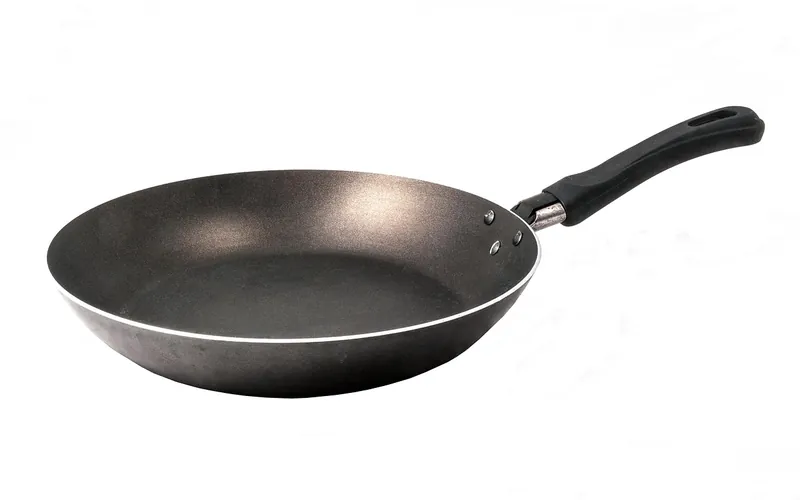
Phenolic resin and oak sit almost on top of each other for conductivity, so both feel similarly cool in the hand. The difference is tolerance: the maker rates the resin handle for the oven and does not rate the wooden one. These limits are for one brand’s products, so use them as a pattern, not a promise. Your pan’s manual is the only number that counts for your pan.
- Stovetop sauces, eggs, and searing: a wood handle is comfortable and stays cool for short cooks.
- Stove to oven finishing: choose a handle the maker rates for the temperature you need, usually metal or a rated resin.
- Dishwasher cleaning: avoid wood; the handle is the part that fails.
- High gas flames or oversized burners: favor a handle that can tolerate the occasional flare-up, or keep the flame small.
How to Care for a Wooden Pan Handle
- Wash by hand and dry right away. GreenPan marks its wooden handle as not dishwasher safe, and long soaking is what swells and cracks wood.
- Keep it off the flame and out of the oven. Point the handle away from the burner and follow the maker’s temperature rule.
- Condition it when it looks dry. Let the pan cool, then rub a thin coat of food-safe wax or mineral oil onto the handle only, wipe off the excess, and keep it off the cooking surface. Our guides to tung oil vs mineral oil and caring for wood spoons cover the same routine for other kitchen wood.
- Know your finish. If you want a deeper sealed finish on boards or bowls, see how to seal a wooden chopping board, but do not seal a pan handle with anything that is not marked food-safe.
- Check the screw. Heat and washing cycles can loosen the fastener over time, so give it a gentle check every few weeks.
If you are choosing wood for spoons and spatulas to use with your pans, our comparison of the best woods for cooking utensils covers hardness, pores, and food safety.
Loose, Cracked, or Burnt Handle: Tighten, Repair, or Replace
A loose handle on a pan full of hot food is a spill and scald risk, so stop using the pan until it is fixed.
- Cool the pan completely. Never work on a hot pan.
- Check the screw. If it has backed out, tighten it gently with a correctly sized screwdriver. Over-tightening can split the wood.
- If the screw spins freely, the wood or thread is stripped. Look up the pan maker’s replacement handle or fastener instead of forcing it.
- Look for cracks and char. Deep splits near the screw, or darkened and scorched areas, mean the handle is weakened. Replace it rather than trusting it.
- Match the replacement. The new handle must fit the same hole pattern and screw size. If you want oven use, choose a replacement rated for it instead of another wooden handle.
Frequently Asked Questions
Why do saucepans have a wooden handle?
Because wood conducts heat very slowly. The Engineering ToolBox lists oak at 0.17 W/m-K against 14.4 for stainless steel and 52 for cast iron, so the grip end of a wood handle stays far cooler than a metal one during normal stovetop cooking. It is still not heatproof, so keep it out of the oven and off the flame.
Why not use a metal handle on a pot?
A metal handle would move heat from the pot to your hand much faster. Wood has low thermal conductivity and metal has high thermal conductivity, so a metal handle on a hot stove would feel hot quickly, while wood stays comfortable far longer. Many all-metal pans use stainless steel handles and rely on oven gloves.
Are wooden handles good on pots and pans?
Yes for stovetop cooking, if you accept the limits. They stay cool, feel comfortable, and look good. The trade-offs are that they are generally not oven safe, should be hand washed, and need care to avoid drying and cracking. If a recipe moves from stove to oven, choose a handle rated for it.
Can a pan with a wooden handle go in the oven?
Assume no unless the maker prints an oven limit for that exact pan. GreenPan’s chart marks its wooden handle as not oven safe, and Tasting Table notes that oven heat can warp or split wood and that wood can ignite at broiling temperatures. Check the manual, and never put a wood handle under a broiler.
Can you replace a wooden handle on a pan?
Often yes. Look up the pan maker’s replacement parts first, because the handle must match the pan’s fastening and screw size. A universal replacement works only if it fits the same hole pattern. If you want to use the pan in the oven, choose a replacement handle rated for oven heat rather than another wooden one.
The Bottom Line
Wood stays cool on a hot pan because it conducts heat roughly 85 to 2,400 times more slowly than the metals in the table, depending on the metal. That makes it a comfortable stovetop handle. It does not make wood heatproof, so keep it out of the oven unless the maker says otherwise, keep it off the flame, and wash it by hand.
Sponsored / affiliate links. As an Amazon Associate I earn from qualifying purchases. I may earn additional commission from eligible campaigns.