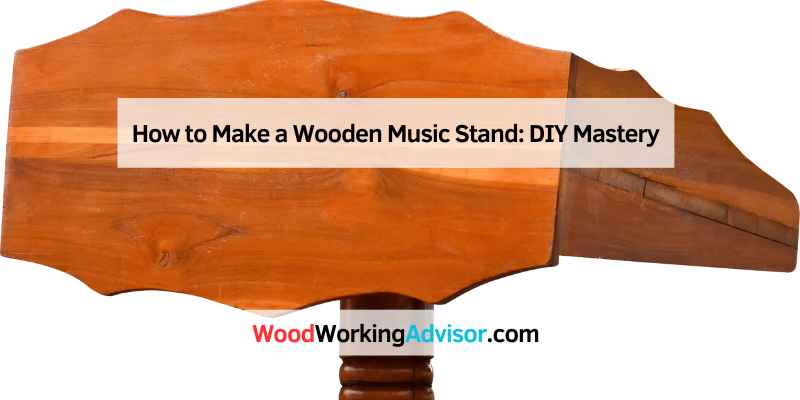
How to Make a Wooden Music Stand: DIY Mastery
To make a wooden music stand, gather materials like plywood, screws, and wood glue. Follow a simple design plan, cut the pieces, and assemble them carefully.
Creating a wooden music stand is a rewarding project for musicians and woodworking enthusiasts alike. Not only does it enhance your playing experience, but it also adds a personal touch to your space. A custom stand allows for adjustments in height and angle, ensuring comfort during practice or performances.
This guide will walk you through the essential steps of crafting a sturdy and functional music stand. With basic tools and materials, you can create a beautiful piece that reflects your style. Embrace your creativity and enjoy the satisfaction of building something useful and unique.
Crafting Your Own Wooden Music Stand
Crafting your own wooden music stand is a fun project. DIY music accessories offer unique charm and personal style. You can customize the design to fit your needs.
Essential tools and materials include:
| Tools | Materials |
|---|---|
| Wood saw | Wood (like pine or oak) |
| Screwdriver | Screws |
| Sandpaper | Wood glue |
| Drill | Finish (varnish or paint) |
Gathering these tools and materials makes the process easier. Enjoy the satisfaction of creating something special!
Designing The Stand
Choosing the right wood type is essential for a sturdy music stand. Popular options include pine, oak, and maple. Each wood has unique qualities. Pine is lightweight and easy to work with. Oak offers durability and strength. Maple provides a beautiful finish and excellent sound quality.
Sketching the blueprint helps visualize the design. Start with basic shapes and measurements. Include areas for the music sheet holder and base. Make sure the stand is adjustable for height. Ensure the design supports stability while in use. A well-planned blueprint leads to a successful build.
Cutting And Shaping The Wood
Start by measuring the wood carefully. Use a tape measure for accuracy. Mark the wood with a pencil. This helps in cutting the right size.
Use a square to ensure your lines are straight. Check your measurements twice before cutting. This avoids mistakes.
Always wear safety goggles while sawing. Protect your eyes from flying wood pieces. Use ear protection too, as saws can be loud.
Keep your work area clean and well-lit. This helps prevent accidents. Never rush while using power tools. Take your time to work safely.
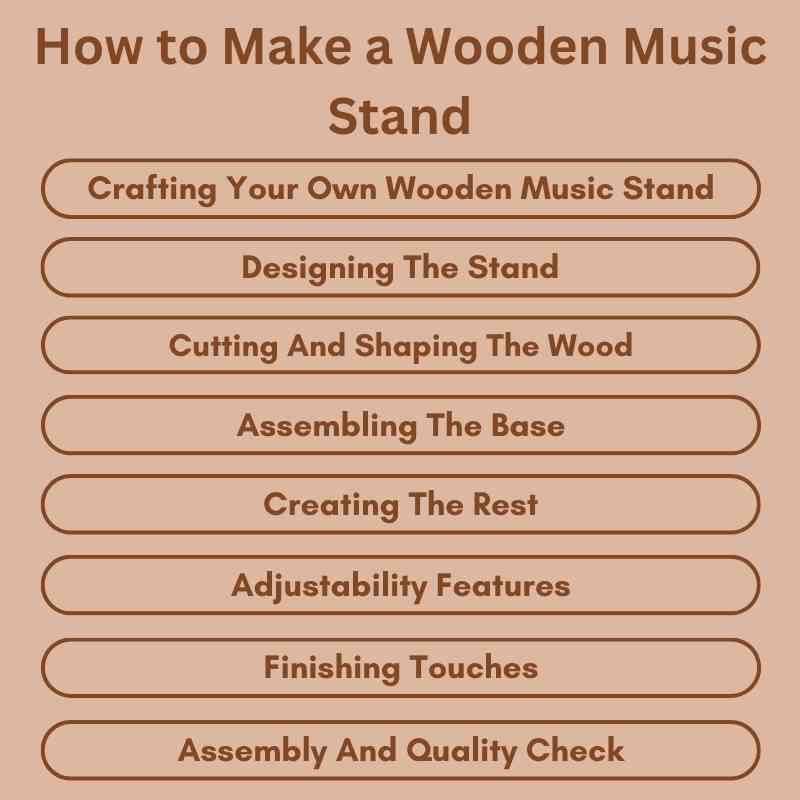
Assembling The Base
Start by choosing strong wood for the base. Cut the wood to the desired size. Ensure the pieces fit together nicely for stability.
Drill holes for the screws. This step helps to keep everything tight. Use wood glue for extra support. Let it dry properly before moving on.
Next, attach the legs to the base. Make sure they are at the right angle. Use screws to secure them firmly. Check that the stand does not wobble.
Finally, sand the edges to prevent splinters. This makes the stand safe and smooth to touch.
Creating The Rest
Creating a wooden music stand requires careful attention to detail. The dimensions for the sheet music support are essential for proper use. A width of 20 inches and a height of 12 inches is ideal. This size holds various sheet music securely.
For securing the backrest, use sturdy wood. Cut the backrest to a height of 10 inches. This height ensures comfort while playing. Use screws to attach the backrest to the stand. Ensure everything is tightly secured for safety. A strong, stable backrest will support the music sheets well.
Adjustability Features
Adding a height adjustment mechanism to a wooden music stand is essential. This feature allows users to find their perfect playing height easily. It can be achieved using a simple pulley system or a telescoping rod.
The tilt functionality enhances user comfort. This allows the sheet music to be at a better angle. Users can see their notes clearly without straining their necks. A good tilt feature can be adjusted smoothly. It helps in reducing glare from lights too.
Finishing Touches
Sanding is key for a smooth finish. Use fine-grit sandpaper for the best results. Start with a coarse grit and move to a finer grit. This method helps remove any rough edges.
Choosing a finish can enhance the wood’s beauty. Stain adds color while showing the wood grain. Sealants protect the wood from moisture and damage. Think about the look you want for your music stand.
| Finish Type | Pros | Cons |
|---|---|---|
| Stain | Enhances appearance, highlights grain | Needs sealing, can fade |
| Sealant | Protects wood, easy to apply | Can change color, may yellow over time |
Assembly And Quality Check
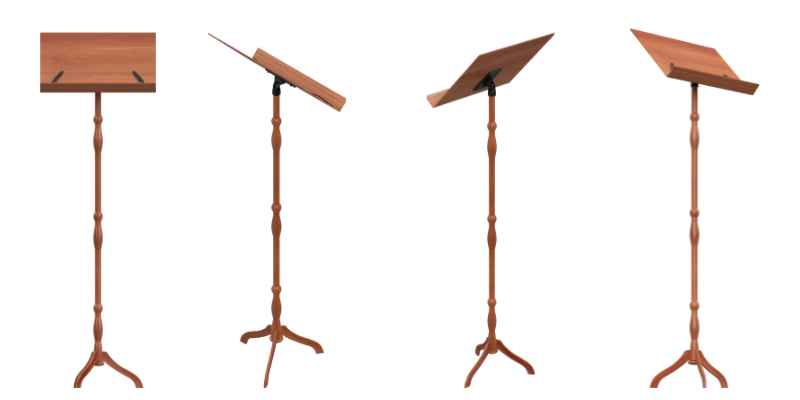
Start by gathering all the parts of the wooden music stand. Make sure you have the base, legs, and platform. Follow the instructions carefully to put everything together.
Use screws to secure the legs to the base. Tighten them well so the stand is sturdy. Next, attach the platform to the top of the legs. This part holds the music sheets.
Check the balance of the stand. It should not wobble when you place it on the ground. Adjust the legs if necessary to ensure stability.
After assembly, test the strength of the stand. Place a few books on it. Make sure it can hold weight without tipping over.
Care And Maintenance
Regular cleaning helps keep your wooden music stand in great shape. Use a soft, dry cloth to remove dust. Avoid using water or harsh chemicals, as they can damage the wood.
For upkeep, apply a small amount of wood polish. This adds shine and protects the surface. Make sure to follow the product instructions for best results.
Minor repairs can fix small issues. For loose joints, use wood glue. Clamp the joint until the glue dries. Tighten screws if they become loose over time.
Adjustments may be needed for height or angle. Loosen the adjustment knobs slightly. Set the desired position and tighten the knobs securely.
Frequently Asked Questions
How Do I Start Making A Wooden Music Stand?
Begin by gathering your materials, including wood, screws, and tools. Choose a design that suits your style and needs. Sketch out your plan, ensuring you have all dimensions. Measure carefully and cut the wood pieces accordingly. Follow the assembly steps methodically for best results.
What Type Of Wood Is Best For A Music Stand?
Hardwoods like oak, maple, or cherry are ideal for durability. They provide excellent stability and a polished look. Softwoods like pine can be used but may not last as long. Consider your budget and desired finish when choosing the wood type for your music stand.
How Long Does It Take To Build A Music Stand?
Building a wooden music stand typically takes 2 to 5 hours. This depends on your skill level and the complexity of the design. Preparation, cutting, and assembly time can vary. Allow extra time for finishing touches like sanding and painting for the best results.
What Tools Do I Need For This Project?
Essential tools include a saw, drill, screws, and sandpaper. A measuring tape and square will help ensure accuracy. You may also need clamps for holding pieces together while assembling. A finishing tool, like a paintbrush, is useful for applying your chosen finish.
Conclusion
Building a wooden music stand is a rewarding project. It combines creativity with practicality. You can customize it to fit your style and needs. By following the steps outlined, you’ll create a functional piece that enhances your musical experience. Enjoy the process and take pride in your craftsmanship.
Happy building!