How to Remove JB Weld: Mechanical, Chemical and Heat Methods That Work
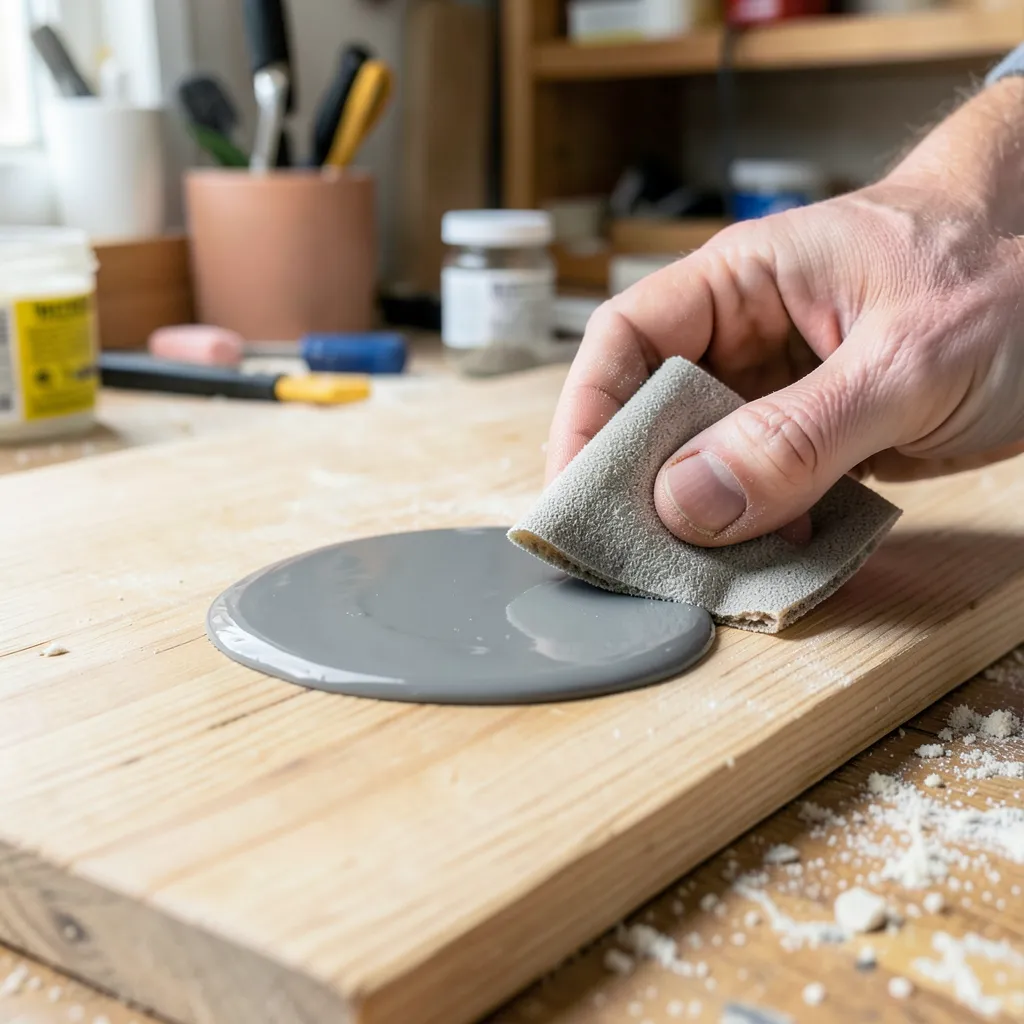
Cured JB Weld is not just tough glue — it cures into a steel-reinforced epoxy that approaches the hardness of the metal it is meant to repair, usually within 15 to 24 hours. That is why solvent-only advice (just soak it in acetone) often disappoints: a chemical soak can soften the surface and edges, but on fully cured JB Weld, mechanical sanding is almost always still needed to finish the job.
The most reliable approach combines both: a solvent soak to soften what it can, followed by controlled sanding or scraping for the rest. Which order and which tools depend on the surface underneath — wood, metal, or skin all call for different caution levels. Here is the full breakdown by method.
Introduction To Jb Weld
Best Solvent for Cured Epoxy
 |
Goof Off Professional Strength Remover – $9 Stronger than citrus-based removers — built to soften tough adhesive residue like cured JB Weld before you sand.
|
JB Weld is a strong adhesive. It binds metal, plastic, and other materials. It is popular for repairs. It comes in two parts. You mix them before use. It hardens quickly and is very strong. People trust it for tough jobs.
JB Weld fixes broken car parts. It repairs pipes and leaks. It is useful for household fixes. It mends broken tools and equipment. Many people use it for DIY projects. It is handy for hobbyists and professionals alike.