
How to Making Wooden Weapons: A Step-by-Step Guide
To make wooden weapons, choose a suitable type of wood and gather necessary tools. Start by sketching your design and cutting the wood accordingly.
Creating wooden weapons combines craftsmanship and creativity. Whether for decoration, cosplay, or historical reenactments, crafting these items can be a rewarding experience. Choose high-quality wood, like oak or maple, for durability. Essential tools include a saw, chisel, and sandpaper. Safety should be a priority; always wear protective gear.
Engaging in this project not only hones woodworking skills but also connects you with traditional crafting methods. As you progress, explore various designs, such as swords, shields, or axes. The end result can serve as a unique display piece or a functional item for your next adventure. Enjoy the process and let your imagination guide you.
The Art Of Crafting Wooden Weapons
The crafting of wooden weapons has a rich history. Many cultures used these weapons for protection and hunting. They were often made from local woods. Skills in making these weapons were passed down through generations.
Today, wooden weapons serve various purposes. Many people enjoy them as decorative pieces. Some use them for training in martial arts. Others create them for historical reenactments. Crafting wooden weapons can also be a fun hobby. It encourages creativity and skill development.
Selecting The Right Wood
Choosing the right wood is key for making strong wooden weapons. Different types of wood have unique properties. Here are some common types:
| Type of Wood | Properties |
|---|---|
| Oak | Strong and durable; great for impact. |
| Maple | Hard and dense; resists wear and tear. |
| Pine | Lightweight; easy to shape but less durable. |
| Birch | Good flexibility; offers a balance of strength. |
Each wood type has its own benefits. Select wood based on the weapon’s intended use.
For optimal performance, consider the wood’s density and flexibility. Denser wood offers more strength. Flexible wood can absorb impacts better.
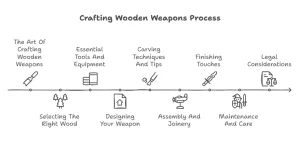
Essential Tools And Equipment
Creating wooden weapons requires basic carpentry tools. Essential items include a saw, chisel, and a hammer. A measuring tape helps ensure accurate dimensions. Use sandpaper for smooth surfaces.
Safety is crucial during this process. Always wear safety goggles to protect your eyes. Gloves should be worn to avoid splinters. A dust mask can help prevent inhalation of wood particles. Keep your workspace tidy to avoid accidents.
Designing Your Weapon
Creating blueprints and schematics is essential for making wooden weapons. Start by sketching your design on paper. Use measurements to ensure accuracy. This helps in building the weapon correctly.
Focus on aesthetics and functionality. Choose shapes that look good and work well. Consider how the weapon will be used. Make sure it feels comfortable in your hands.
Using strong materials is crucial. Select wood that is both durable and lightweight. This choice impacts the weapon’s strength and ease of use.
Lastly, don’t forget about safety. Ensure your design has no sharp edges. A well-designed weapon is both beautiful and safe to handle.
Carving Techniques And Tips
Carving wooden weapons requires patience and practice. Start with sharp tools for precise cuts. Use a whittling knife for detailed work. A saw helps shape larger pieces quickly.
For cutting, hold the wood firmly. Make small, controlled strokes to avoid mistakes. Sandpaper is essential for smooth surfaces. It helps remove rough edges and splinters.
Personalizing your weapon adds character. Consider burning designs into the wood for unique patterns. Paint can also enhance your creation’s look. Choose colors that represent your style.
| Method | Tool | Purpose |
|---|---|---|
| Cutting | Saw | Shape larger pieces |
| Detailing | Whittling Knife | Fine details |
| Smoothing | Sandpaper | Remove rough edges |
Assembly And Joinery
Securing components is crucial for wooden weapons. Use wood glue for strong bonds. Clamps help hold pieces together while drying.
For added strength, consider using dowels or screws. Drill holes carefully to ensure a snug fit. This prevents any wobbling or movement.
Creating a tight joint enhances structural integrity. Ensure all surfaces are smooth before joining. Sanding edges makes connections stronger.
Check for any gaps after assembly. Fill gaps with wood filler for a clean look. A well-fitted joint boosts the durability of your weapon.
Finishing Touches
Start with sanding your wooden weapon. Use fine-grit sandpaper for a smooth finish. Focus on edges and corners. This step helps remove splinters and rough spots. Make sure to sand in the direction of the grain.
Next, consider staining your wooden weapon. Choose a color that highlights the wood’s natural beauty. Apply the stain evenly with a cloth or brush. Allow it to dry completely before adding more coats.
Finally, use a sealer to protect your weapon. A good sealer prevents damage from moisture and wear. Apply a thin layer and let it dry. This will keep your weapon looking great for years.
Maintenance And Care
Regular upkeep is essential for the longevity of your wooden weapons. Clean them after each use. Use a soft cloth to remove dirt and moisture. This prevents damage and keeps the wood strong.
Check for any signs of wear. Look for cracks or splinters. If you find any, repair them promptly. Use wood glue to fix small cracks. Sand the area gently to smooth it out.
Storing your wooden weapon properly is just as important. Keep it in a cool, dry place. Avoid areas with high humidity. A case or sheath can protect it from dust and scratches.
Always store the weapon away from direct sunlight. Sunlight can warp the wood over time. Regular maintenance will ensure your weapon lasts for years.
Legal Considerations
Understanding local regulations is very important. Each area has different laws. Some places may ban wooden weapons completely. Others may have strict rules about size and type. Always check with local authorities before starting.
Responsible usage and display should be a priority. Wooden weapons can be seen as toys or art. Keep them away from children to prevent accidents. Show them in safe places. Ensure they are not used for harm.
Respecting laws and safety will help everyone enjoy wooden weapons. Make sure to follow guidelines and stay informed.
Frequently Asked Questions
How Do You Start Making Wooden Weapons?
Begin by selecting the right type of wood. Popular choices include oak, maple, or pine. Gather essential tools like a saw, chisel, and sandpaper. Sketch your weapon design for guidance. Ensure to prioritize safety while working. Start with simple projects to build your skills.
What Tools Are Needed For Wooden Weapon Crafting?
Essential tools include a saw, chisel, and drill. A sander helps smooth surfaces for a polished finish. Clamps are useful for holding pieces together. Additionally, a measuring tape ensures accurate dimensions. Safety gear, like goggles and gloves, is crucial during crafting.
Is It Safe To Make Wooden Weapons At Home?
Yes, making wooden weapons at home can be safe. Follow safety guidelines and use protective gear. Always work in a well-ventilated area. Keep your workspace organized to prevent accidents. Understanding your tools and techniques is vital to ensuring a safe crafting experience.
Can Kids Help In Making Wooden Weapons?
Kids can assist with supervision and simple tasks. They can help sand or paint the finished pieces. Always ensure adult supervision during the crafting process. Choose beginner-friendly projects to engage their interest. Prioritize safety and explain tool usage to foster learning.
Conclusion
Creating wooden weapons can be a rewarding and enjoyable hobby. With the right tools and techniques, anyone can craft unique pieces. Always prioritize safety and take your time to perfect each step. Whether for decoration or play, wooden weapons offer endless creative possibilities.
Embrace your craftsmanship and let your imagination soar!