How to Reduce Echo in a Room With Hardwood Floors: Effective Tips
Do you ever notice how sounds in your home seem to bounce around endlessly, creating a distracting echo? If you’re living with hardwood floors, this might be a familiar issue.
Echoes can make conversations difficult, disrupt your favorite shows, or even impact your work-from-home productivity. But don’t worry, there’s good news. You can reduce that echo and transform your living space into a more serene environment. Imagine a room where conversations are clear, your music sounds just right, and your home office is peaceful.
We’ll explore practical, easy-to-apply strategies that can help you achieve exactly that. So if you’re ready to enjoy a more comfortable and acoustically pleasant home, keep reading.

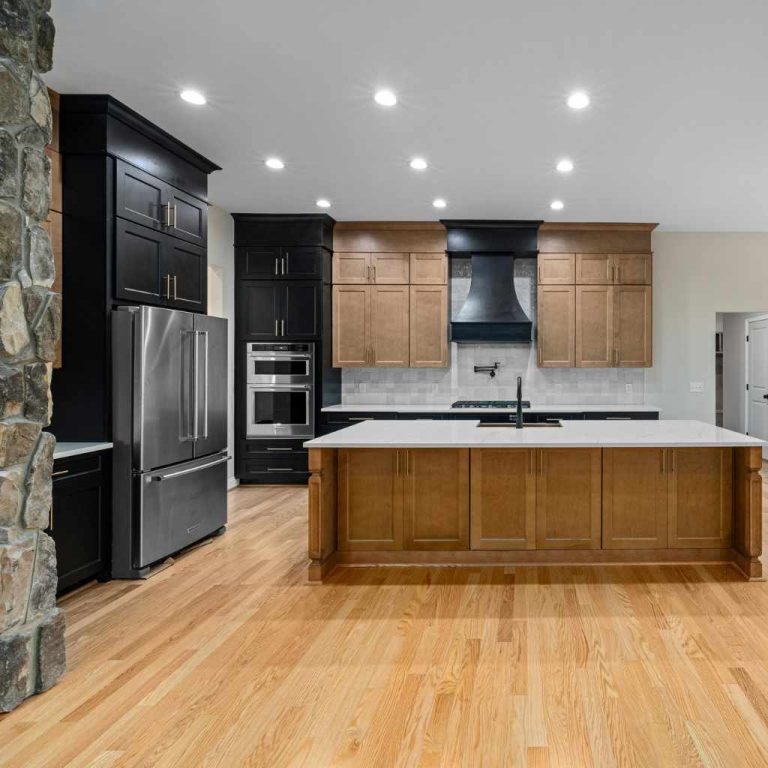
Credit: www.kylieminteriors.ca
Causes Of Echo In Hardwood-floored Rooms
Hardwood floors can make rooms sound echoey. Hard surfaces like wood reflect sound. This causes sound waves to bounce around. Rooms with bare walls and floors have more echo. Soft items like rugs and curtains absorb sound. Without them, echoes increase. High ceilings also add to the echo problem. The sound travels farther before it hits a surface. Large empty spaces make the echo worse too. Filling the room with furniture can help. Softer materials reduce echo. Even small changes can make a big difference.
Sound Absorption Techniques
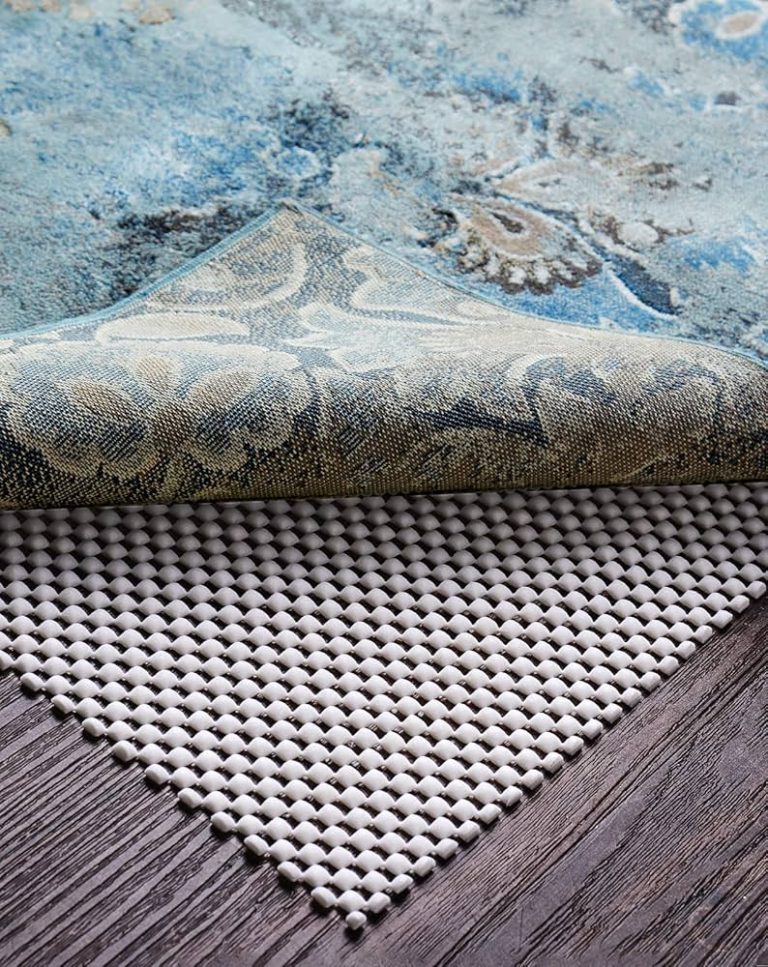
Rugs and carpets can make a room quieter. They absorb sound and reduce echo. Thick rugs are best for this. Place them in the center of the room. You can also use them under tables. They catch sound waves and stop them bouncing.
Soft furnishings are great sound absorbers. Use cushions and curtains to help. These items soften noise in the room. Hang curtains over windows and walls. Cover chairs with soft fabrics. The room will be more peaceful.
Wall And Ceiling Treatments
Acoustic panels help make rooms quieter. They are great for reducing echo. You can place them on the walls. Some people use them on ceilings too. Panels come in different colors. They can match your room decor. They are easy to install. You can do it yourself. Just follow the instructions. Use the right tools. A drill might be needed. Panels should cover large areas. This will absorb more sound. It helps rooms feel cozy and quiet.
Heavy curtains are good for sound. They absorb noise well. Thick drapes stop sound from bouncing. You can hang them on windows. They work on walls too. Curtains are easy to move. You can open and close them. Choose ones that match your room. They make spaces look nice. They also help with light. They can keep rooms dark or bright. It’s up to you.
Furniture Arrangement Strategies
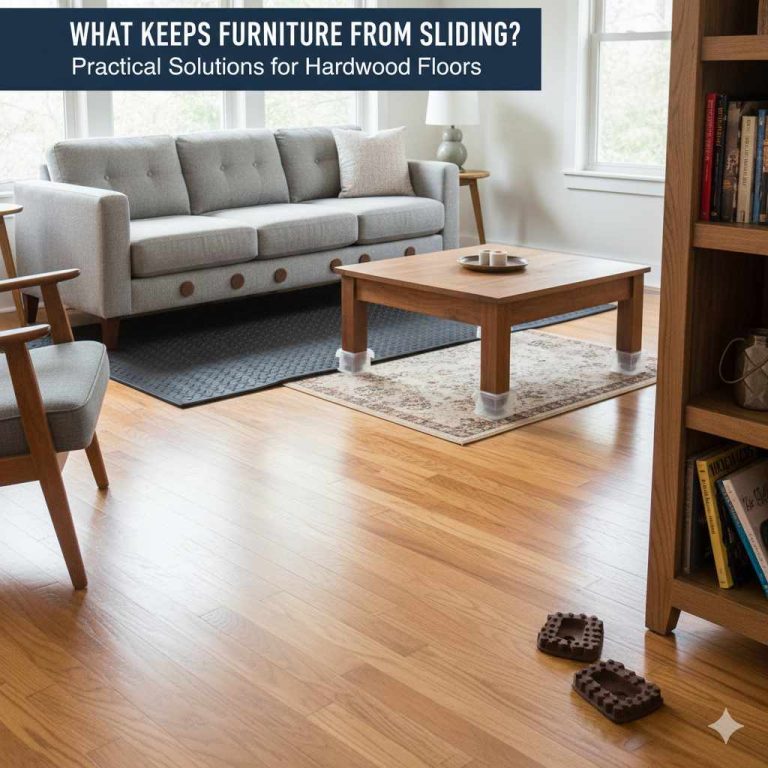
Arranging furniture can help reduce echo in rooms. Place sofas and chairs against walls. This can absorb sound. Use thick, soft furniture. It acts like a sound sponge. Rugs under furniture also help. They reduce sound bouncing off hardwood floors. A large rug is best. It covers more floor space.
Bookshelves are great for reducing echoes. Fill them with books. Books absorb sound well. Place cabinets in corners. They help break sound waves. Use cabinets with doors. This traps sound inside. More furniture means less space for sound to travel. So, less echo in the room.
Innovative Soundproofing Solutions
Soundproofing paints help reduce noise. These paints absorb sound waves. They contain special materials. You can apply them on walls and ceilings. The paint dries fast and looks normal. It’s a simple way to lessen echo. No need for heavy tools or complex tasks. Just a brush or roller works. Choose a color you like. Enjoy a quieter room with ease.
Gaps in doors and windows let sound in. Use weatherstrips to seal these gaps. They are easy to install. You just peel and stick. This reduces noise coming from outside. It also helps keep room temperature stable. Draft stoppers can block sound too. Place them at the bottom of doors. This helps reduce echo inside rooms. Simple steps make a big difference.
Using Technology For Echo Reduction
Sound masking devicescan help reduce echo in rooms. These devices produce sounds that cover unwanted noise. They are small and easy to set up. Some come with volume controls. You can adjust them to fit your space. They work best in areas with hard floors.
Acoustic apps and toolsare useful for echo reduction. They analyze sound patterns. Some apps suggest changes to improve sound. Others offer tips on placing furniture. Some tools measure sound levels. They help find the best spots to reduce echo. Many of them are free to use. They can be a good start for anyone.
DIY Projects For Echo Control
Hardwood floors often create echo in rooms. DIY projects can help reduce this. Consider adding area rugs or curtains. Try wall hangings or acoustic panels for better sound control. Simple changes make a big difference in echo reduction.
Creating Homemade Sound Absorbers
Blankets can absorb sound. Hang them on walls. Use old pillows as sound absorbers. Place them around the room. Curtains help too. Choose thick ones. They will reduce the echo. Carpets are great for hardwood floors. Lay them down. They soften the sound.
Upcycling Materials For Sound Reduction
Egg cartons can be used. Attach them to walls. They break up sound waves. Cardboard boxes work well too. Fill them with old clothes. Stack them in corners. Old rugs can be helpful. Hang them on walls. They absorb sound. Bookshelves filled with books can reduce echo. Arrange them neatly.

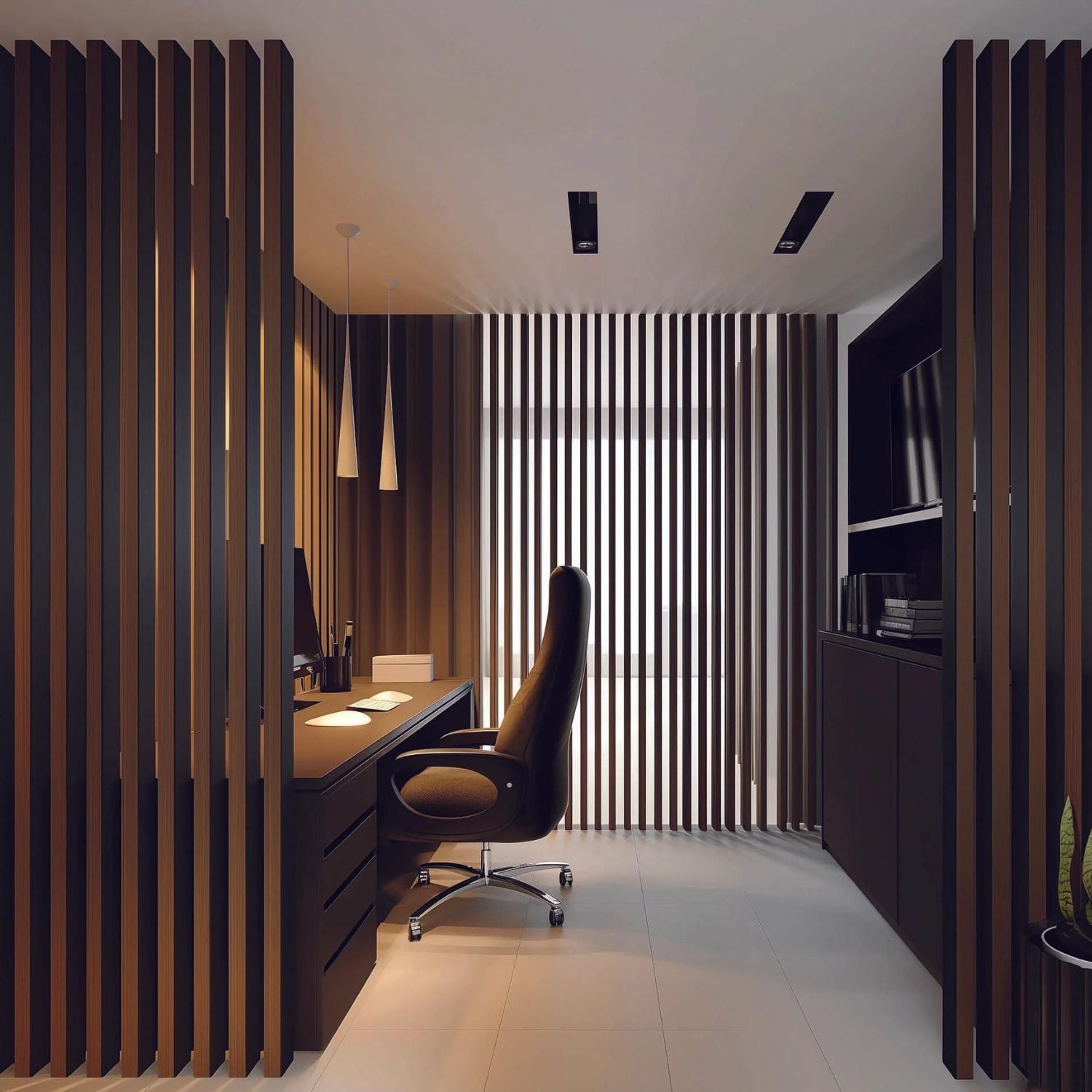
Credit: andorwillow.com
Frequently Asked Questions
How To Make A Room Feel Less Echoey?
To reduce echoes, add soft furnishings like rugs, curtains, and cushions. Use bookcases and wall art for sound absorption. Incorporate fabric-covered furniture and acoustic panels. Rearrange furniture to disrupt sound paths.
How To Soundproof A Room With Hardwood Floors?
Use area rugs to absorb sound. Add thick curtains to block noise. Install acoustic panels for better soundproofing. Seal gaps with weatherstripping to prevent sound leaks. Consider underlayments to reduce floor vibrations effectively.
How To Stop Echo In High Ceiling Room?
Reduce echo in high ceiling rooms by using acoustic panels. Install thick rugs and curtains to absorb sound. Arrange furniture strategically to minimize echo. Add bookshelves and plants for additional sound absorption. Ensure surfaces are covered to prevent sound reflection.
How To Soundproof A Room That Echoes?
Use thick curtains to absorb sound. Add rugs or carpets on floors. Install acoustic panels on walls. Use bookcases and furniture to break sound waves. Seal gaps in doors and windows.
Conclusion
Echo in rooms can be annoying, especially with hardwood floors. Simple changes help reduce it. Rugs and curtains absorb sound. Furniture placement matters too. Try adding bookshelves or plants. Use soft materials wherever possible. Soundproofing panels are effective. Even small adjustments make a difference.
Experiment with different solutions. Each room is unique. Finding the right balance is key. Enjoy a quieter, more comfortable space. Listen to the difference. Appreciate the calm. Adjustments don’t need to be expensive. Creativity matters. Every room can be improved.
Start today. Feel the peaceful environment. Enjoy your space more.