Can You Use Bona Hardwood Cleaner on Tile? Only If It’s Sealed
Bona Hardwood Floor Cleaner is safe on tile only when the tile and grout are sealed, unwaxed, and unoiled — its pH-neutral, co-solvent formula can leave a dull haze on porcelain and won’t break down heavy grout grime. Use it on the wrong surface and you end up re-mopping the same haze twice. This guide covers which tile types tolerate it, what Bona’s own Stone, Tile & Laminate Cleaner does better, and the exact steps for a streak-free floor.
What Makes Bona Hardwood Cleaner Different From a Tile Cleaner?
Best Tile Cleaner Pick
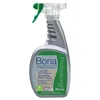
Bona Pro Series Stone, Tile and Laminate Cleaner – $15.99
The exact cleaner Bona itself recommends over its hardwood formula for tile — same pH-neutral safety, stronger degreasing for grout and grease.
- Best for: sealed ceramic, porcelain, and laminate needing a no-residue clean
- Why we picked it: it’s the manufacturer’s own fix for the exact haze problem this guide covers
- Main drawback: ready-to-use spray costs more per ounce than a concentrate
Compare more tile-cleaning options
 Option 1 Miracle Sealants Tile & Stone Cleaner Concentrate – $19.49
|
 Option 2 O-Cedar EasyWring Microfiber Spin Mop & Bucket – $34.96
|
 Option 3 MR.SIGA Heavy Duty Grout Scrub Brush – $19.98
|
As an Amazon Associate we earn from qualifying purchases.
Bona Hardwood Floor Cleaner is a water-based, pH-neutral spray built around a specific set of co-solvents (PPG-2 methyl ether and butoxypropanol) and a chelator (trisodium dicarboxymethyl alaninate) that lift dust and light grime from a polyurethane-finished hardwood floor without dulling the coating or leaving standing water on the wood. Tile and grout need something different: a formula strong enough to cut grease, soap scum, and mineral deposits that hardwood never sees.
Bona’s own hardwood cleaner lineup is formulated for sealed wood first — tile and stone are only an afterthought, which is why the company sells a separate Stone, Tile & Laminate Cleaner with stronger degreasers for those surfaces.
📊 Bona’s original hardwood formula is GREENGUARD Gold certified for low VOC emissions and lists water, two glycol-ether co-solvents, a chelator, and a preservative as its main ingredients — none of which are formulated to dissolve soap scum or grout haze. — Source: Bona US, Earth-Friendly Products
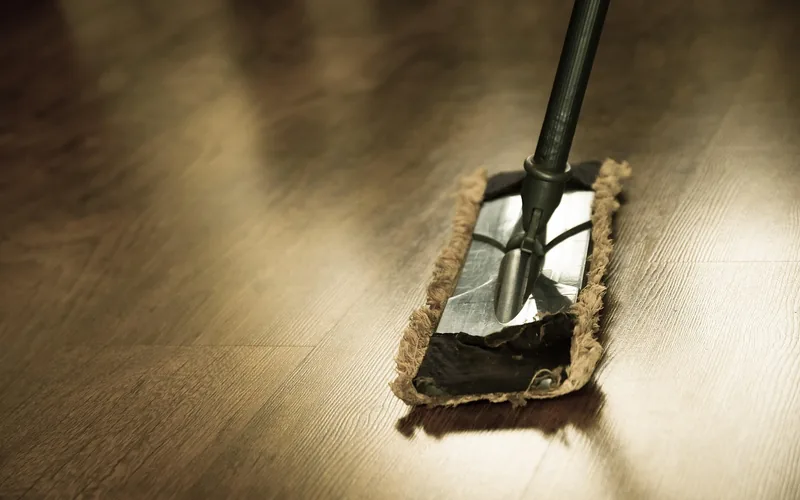
Can You Use Bona Hardwood Cleaner on Ceramic, Porcelain, or Natural Stone Tile?
Bona Hardwood Cleaner is a pH-neutral cleaner that will not etch or damage most sealed tile on contact, but it is not built to clean tile well. On sealed, unwaxed ceramic or porcelain, it usually will not harm the surface — it just leaves grease and soap scum behind because the formula was never designed to break those down. On unsealed grout or natural stone, the risk is higher: the surfactants can soak in and leave a residue that is harder to rinse out than on a sealed, non-porous tile.
Ceramic and Porcelain Tile
These are the most forgiving tile types. Bona Hardwood Cleaner won’t etch a sealed ceramic or porcelain surface, but multiple users report it leaving a faint haze that takes a second pass with an actual tile cleaner to remove — the pH-neutral formula simply isn’t strong enough to fully rinse itself off a non-porous, glossy surface the way it does on absorbent wood.
Natural Stone (Marble, Granite, Travertine, Slate)
Natural stone is more sensitive than manufactured tile. Bona Hardwood Cleaner won’t etch it the way an acidic cleaner (vinegar, citrus) would, but it also isn’t formulated to protect a stone sealer or restore shine the way a dedicated stone cleaner is. If your stone is sealed and you just need a quick wipe-down, it’s low-risk — but skip it entirely on unsealed or honed stone.
Grout
Grout is the weak point. It’s porous, and a cleaner not designed for it can leave a film that traps dirt in the recessed lines, making grout look dingy faster than the tile around it. Sealed grout tolerates an occasional pass; unsealed or already-stained grout needs a cleaner built for deep penetration, not a wood-floor spray.
What Should You Use Instead of Bona Hardwood Cleaner on Tile?
Bona itself sells the fix: Bona Pro Series Stone, Tile and Laminate Cleaner uses a stronger, pH-neutral degreaser formula built specifically for grout, ceramic, porcelain, and sealed natural stone — it dries without the dulling residue that the hardwood formula can leave behind. A pH-neutral stone/tile cleaner from any brand, a reliable microfiber mop system, and a long-handled grout brush cover the rest of a typical tile-cleaning routine.
How to Clean Tile Floors Without Streaks or Residue
Whether you’re using a dedicated tile cleaner or a DIY mix, this sequence keeps streaks and cloudy residue off ceramic, porcelain, and sealed stone.
Tools and Supplies
- A tile-specific or pH-neutral stone cleaner
- Two buckets (one for cleaner, one for rinse water)
- A microfiber mop, ideally one with a spin wringer
- A grout brush or old toothbrush
- A soft cloth for spot-drying
The Cleaning Process
- Sweep or vacuum first: clear loose dirt and grit so it doesn’t scratch the tile while you mop.
- Mix the cleaning solution: dilute a tile or stone cleaner per its label — concentrates like Miracle Sealants need water added, ready-to-use sprays like Bona Pro don’t.
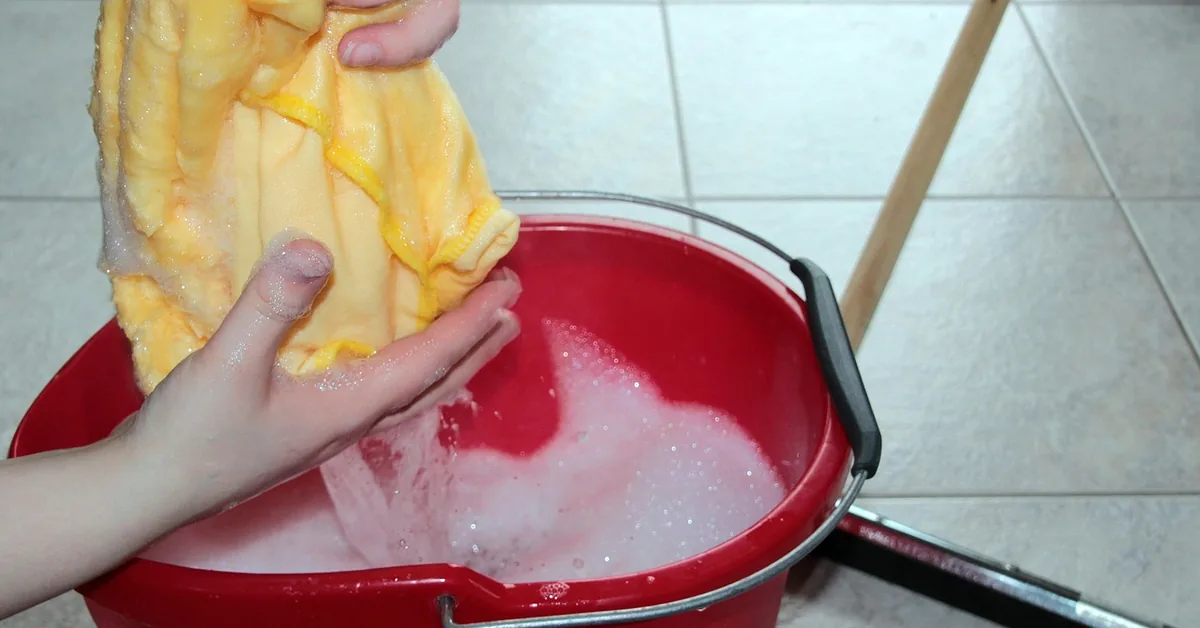
- Fill a second bucket with plain water for rinsing the mop head as you go.
- Mop in small sections, wringing the mop so it’s damp, not soaked — oversaturating grout is the single most common mistake below.
- Rinse the mop head after every section so you aren’t redepositing dirty water on clean tile.
- Scrub grout separately with a stiff grout brush, working in small circles, then wipe with a damp cloth.
- Do a final plain-water pass if you used a lot of product or suspect any residue, especially on natural stone.
- Air dry, then spot-check for haze or streaks and touch up with a dry microfiber cloth if needed.
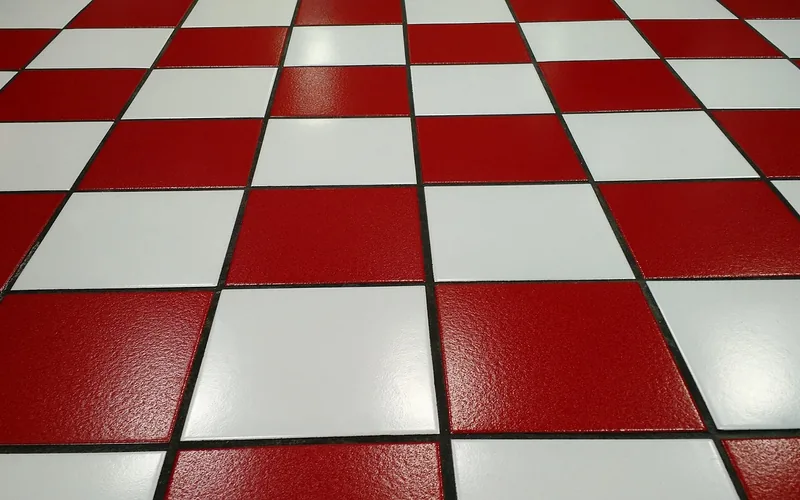
Bona Hardwood Cleaner vs. Dedicated Tile Cleaners
Here’s how the hardwood formula actually stacks up against cleaners built for tile and stone.
| Feature | Bona Hardwood Cleaner | Bona Stone, Tile & Laminate Cleaner | Miracle Sealants pH-Neutral Concentrate |
|---|---|---|---|
| Primary use | Sealed hardwood | Ceramic, porcelain, sealed stone, laminate | Ceramic, porcelain, natural stone, grout |
| pH level | Neutral | Neutral | Neutral |
| Grease/soap-scum removal | Weak — not formulated for it | Strong degreaser | Strong, safe on sealed stone |
| Residue on porcelain | Can leave a hazy film | Designed to rinse clean | Designed to rinse clean |
| Grout-safe | Only if already sealed | Yes | Yes, will not strip sealer |
| Price (32 oz, as of Aug 2026) | ~$24 | $15.99 | $19.49 |
Common Mistakes When Cleaning Tile With the Wrong Product
- Soaking the grout: unsealed grout absorbs excess water and cleaner, which can encourage mold or mildew over time — damp, not wet, is the target.
- Skipping the rinse pass: any cleaner not designed for tile can leave a film if you don’t follow with plain water, especially on natural stone.
- Using vinegar on natural stone: acidic solutions etch marble, travertine, and other calcium-based stone — safe for sealed ceramic in moderation, never for stone.
- Ignoring the grout sealer: if grout sealer has worn off, it absorbs stains faster and no cleaner will keep it looking clean between resealings.
- Never testing a new cleaner first: a hidden spot (inside a closet, behind a door) shows discoloration or etching before it happens on the whole floor.
“Professional strength, waterborne cleaner is formulated for all types of stone, tile, and laminate floors. Dries fast and leaves no dulling residue… provides a thorough clean, with no oily residue.”
Frequently Asked Questions
Does Bona Hardwood Cleaner leave a haze on tile?
It can, especially on porcelain. The pH-neutral, wood-optimized formula doesn’t rinse off a non-porous glossy surface as completely as it does off wood, and several users report a dull film that needs a second cleaning with an actual tile cleaner to fully remove.
What cleaner does Bona recommend for tile floors?
Bona sells a separate product, Bona Pro Series Stone, Tile and Laminate Cleaner, specifically because its hardwood formula isn’t strong enough for tile. It uses a stronger degreaser while staying pH-neutral and safe on sealed surfaces.
Can you use Bona Hardwood Cleaner on natural stone tile?
Only if the stone is sealed. Bona Hardwood Cleaner won’t etch stone the way an acidic cleaner would, but it also won’t protect a stone sealer or restore shine. Unsealed marble, travertine, or slate should use a cleaner made for natural stone instead.
Is Bona Hardwood Cleaner safe for grout?
It’s safe on already-sealed grout for occasional use, but it isn’t formulated to penetrate porous, unsealed grout. Grout traps dirt more than tile does, so a cleaner or brush built for grout will do a noticeably better job.
How often should tile and grout be professionally deep cleaned?
Most homes benefit from a professional tile and grout cleaning every 12 to 18 months, on top of regular at-home mopping and grout brushing — deep, embedded grime in grout lines usually needs more than a spray cleaner and a mop can lift on its own.
Bona Hardwood Cleaner won’t ruin sealed tile, but it won’t clean it well either — grease, soap scum, and grout grime need a cleaner built for the job. Keep the hardwood formula on your wood floors, reach for Bona’s own Stone, Tile & Laminate Cleaner (or an equivalent pH-neutral tile cleaner) for everything else, and your tile and grout will actually come out streak-free.
For more on caring for the wood side of your home, browse our full hardwood flooring guide, or see our vacuum picks for mixed floors if your home has both wood and tile.
Sponsored / affiliate links. As an Amazon Associate I earn from qualifying purchases. I may earn additional commission from eligible campaigns.