How to Wax Hardwood Floors (Without Ruining a Poly Finish)
Paste wax works beautifully on hardwood floors – but only on the right kind of floor. If your floors have a polyurethane finish (the shiny factory coating on almost every hardwood floor installed since the 1970s), wax is the wrong move: it sits on top of a finish that’s already sealed, turns slippery, and has to be stripped off with mineral spirits before the floor can ever be recoated. Wax is for older, unfinished, oiled, shellacked, or already-waxed floors – the traditional “hand-rubbed” look.
This guide covers both halves of that: how to tell which floor you actually have, and the full step-by-step process for waxing it correctly once you know wax is the right call.
Should You Wax Your Hardwood Floors? Check This First
Best Wax For Unfinished & Antique Floors
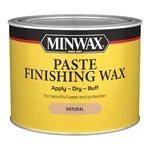 |
Minwax Paste Finishing Wax, Natural, 1 lb – $13.79 The standard paste wax for the exact floors this guide covers: unfinished, oiled, shellacked, or already-waxed hardwood – not for polyurethane.
|
Before you open a can of wax, find out what’s actually on your floor. Waxing the wrong finish is one of the most common (and most expensive) hardwood floor mistakes homeowners make.
Do the water-drop test. Drop a few drops of water on an inconspicuous spot. If the water beads up and sits on the surface, your floor has a film finish – almost always polyurethane – and should never be waxed. If the water soaks in and darkens the wood within a couple of minutes, you likely have an oiled, waxed, or unfinished floor, and wax is appropriate. If the water beaded up and you’ve got a polyurethane finish, skip wax entirely — see our guide on how to deep clean wood floors for the pH-neutral cleaning process that finish actually needs.
Why Wax Ruins a Polyurethane Floor
Polyurethane already forms a hard, sealed plastic-like layer over the wood. Wax has nothing porous to bond to, so it just sits on top as a separate film. Three things go wrong from there: the floor gets noticeably slicker underfoot (a real fall hazard, especially for kids and pets), the wax yellows and dulls the poly’s natural shine within months, and – the expensive part – a waxed poly floor can’t be screened and recoated. Every trace of wax has to be stripped with mineral spirits first, or the new poly coat will fish-eye and peel. If your floor was refinished any time in the last 40-50 years, assume it’s polyurethane unless you’ve confirmed otherwise.
When Wax Is the Right Choice
Paste wax is the traditional, correct finish for floors that were never sealed with a film-forming product: bare/unfinished wood, oil-finished floors (tung oil, linseed oil, Danish oil), shellacked floors, and floors that have already been waxed in the past. These are common in pre-1960s houses, historic homes, and reclaimed or antique-style flooring. On these surfaces, wax soaks in slightly and builds a soft, repairable, hand-rubbed sheen that film finishes can’t replicate – and touch-ups only need a rag, not a full refinish.
Paste Wax vs. Liquid Wax
Once you’ve confirmed wax is appropriate for your floor, the next decision is which type to use.
Paste wax (like Minwax Paste Finishing Wax) is a thicker, higher-solids formula applied with a cloth in a circular motion and buffed by hand or with a weighted buffer. It takes more elbow grease but builds a deeper, longer-lasting shine – typically 1-3 years between coats in a normal-traffic room – and does a better job filling tiny surface scratches. Most cans recommend two thin coats, each dry to the touch in 10-15 minutes before buffing.
Liquid wax spreads faster over large areas and needs less physical buffing, which makes it a reasonable choice for a whole-house floor on a deadline. The tradeoff is a thinner film that wears through faster, often needing a refresh every 6-12 months in busy hallways or entryways.
Tools and Supplies You’ll Need
Gather everything before you start – stopping mid-coat to hunt for a rag leaves visible lap marks once the wax sets.
- Paste or liquid wax rated for wood floors
- Soft, lint-free cotton or microfiber applicator cloths (buy a few – you’ll go through them)
- A separate clean cloth or lambswool buffing pad for polishing
- A soft-bristle broom or vacuum with a bare-floor setting (no beater bar)
- A pH-neutral hardwood floor cleaner for the pre-wax cleaning pass
- Wood filler that matches your floor tone, for any gouges or gaps
- Fine sandpaper (220-grit) for spot-leveling filler
- Mineral spirits, for cleanup and for fixing wax buildup
- Optional: an electric floor polisher for rooms larger than about 150 sq ft
How to Wax Hardwood Floors, Step by Step
1. Clear the Room and Clean the Floor
Move out furniture and rugs so you’re not waxing around obstacles. Sweep or vacuum thoroughly, then damp-mop with a pH-neutral hardwood cleaner – skip anything oil-soap based, since residue left behind will make new wax bond unevenly. Let the floor dry completely; any trapped moisture gets sealed in under the wax and can cloud the finish or promote mold in the gaps.
2. Repair Gouges and Deep Scratches
Inspect the floor in raking light (a flashlight held low and angled across the boards shows every dent). Fill deep gouges with a color-matched wood filler, let it cure per the label, then sand it flush with 220-grit paper. Wipe away all dust – a tack cloth works well here – before moving on. Wax hides fine scratches on its own; it won’t hide a filled repair that’s still proud of the surface.
3. Apply the Wax in Small Sections
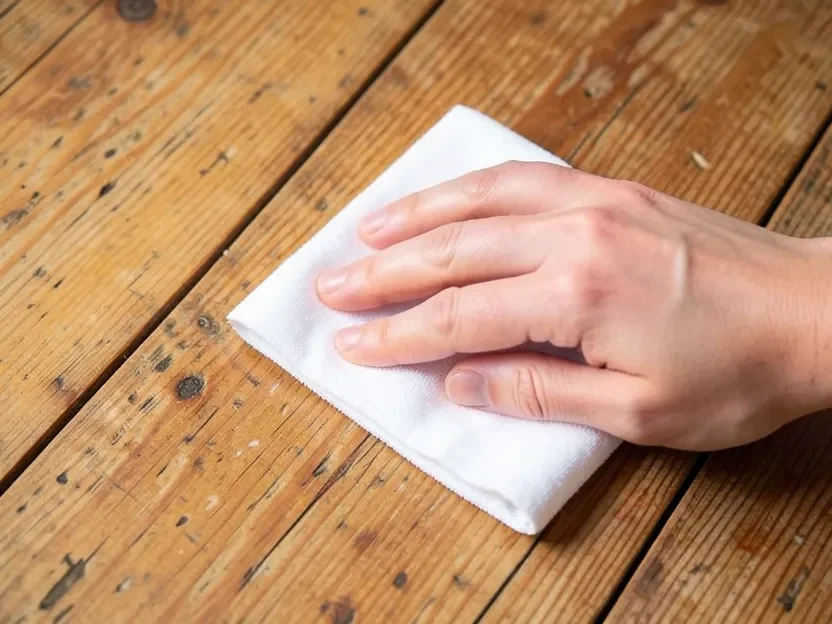
Work in roughly 3-foot-square sections so the wax doesn’t start to haze over before you buff it. Dip your cloth and apply a thin, even coat with the grain – a heavier coat doesn’t mean better protection, it just means more buffing later and a higher chance of streaking. Let each section flash dry for 10-15 minutes (check the specific product label; some liquid waxes want closer to 30) before moving to buffing.
4. Buff to Bring Up the Shine
Switch to a clean, dry cloth and buff in the direction of the grain using firm, overlapping circular strokes. On a large room, a weighted buffer or a floor polisher with a lambswool pad saves your knees and gives a more even sheen than hand-buffing alone. The floor should go from a hazy, slightly cloudy look to a clear, soft glow – that transition is your buffing being done correctly.
5. Apply a Second Coat If Needed
Most paste wax manufacturers recommend two coats on bare or heavily worn wood for even coverage, buffing between each one. A single coat is usually enough on a floor that’s simply due for a maintenance rewax.
How Often to Rewax, and the Signs You’re Overdue
In a low-traffic room like a formal dining room, a wax job can hold up for 2-3 years. In a hallway, kitchen, or entryway, plan on rewaxing every 6-12 months. Watch for the finish going matte or gray in traffic lanes, water no longer beading slightly on the surface, or scuffs that a damp cloth won’t lift – all three mean the wax layer has worn thin and it’s time for a fresh coat rather than waiting for bare wood to show.
Fixing Common Wax Mistakes
Wax Buildup or a Cloudy, Streaky Finish
This almost always means too much wax was applied without enough buffing between coats. Dampen a cloth with mineral spirits and work it into the cloudy area in small sections, wiping away the softened wax as you go, then buff dry with a clean cloth. For a whole floor gone cloudy, a full strip-and-rewax with mineral spirits is faster than trying to spot-fix it board by board.
Uneven Sheen Between Sections
Usually caused by letting one section dry too long before buffing while another was buffed while still tacky. Re-wax the dull sections lightly, buff immediately at the same interval you used elsewhere, and the sheen will even out within that pass.
Does This Apply to Engineered or Bamboo Floors Too?
The same finish-first rule applies. Most engineered hardwood and bamboo flooring sold today ships with a factory-applied polyurethane or aluminum-oxide wear layer, which means the same water-drop test and the same answer: don’t wax it. If you’re working on engineered flooring specifically, our engineered hardwood floor care guide covers the daily and deep-clean routine that’s actually appropriate for that wear layer. Solid wood floors that have been sanded down to bare wood and left unsealed, or finished the traditional way with oil and wax, are really the only common case where waxing is the right call.
Safety Note: Dispose of Wax Rags Properly
Cloths soaked in paste wax or mineral spirits can heat up and ignite on their own as the solvent oxidizes and evaporates – this is a real, documented cause of house fires, not a theoretical risk. Never leave used wax rags balled up in a trash can or laundry hamper. Lay them flat outside to fully dry before disposal, or submerge them in a sealed metal container filled with water, and check your local waste rules for solvent-soaked material.
Hardwood Floor Wax FAQ
Can I Wax a Polyurethane Hardwood Floor?
No. Wax sits on top of a polyurethane finish instead of bonding to it, making the floor slippery and yellowing over time, and it has to be completely stripped with mineral spirits before the floor can be screened and recoated. Clean a polyurethane floor with a pH-neutral hardwood cleaner instead of wax.
How Do I Know If My Floor Is Waxed or Polyurethane?
Do a water-drop test on a hidden spot. Water that beads on the surface indicates a sealed polyurethane finish; water that soaks in and darkens the wood within a minute or two indicates an oiled, waxed, or unfinished floor safe for waxing.
What’s the Best Wax for Hardwood Floors?
Minwax Paste Finishing Wax is a widely available, reliable choice for unfinished, oiled, or previously waxed hardwood. It builds a deeper, longer-lasting shine than liquid wax and typically needs reapplication only every 1-3 years in normal-traffic rooms.
How Long Does Floor Wax Take to Dry?
Most paste waxes are dry to the touch and ready to buff in 10-15 minutes per coat; liquid waxes can take closer to 30 minutes. Always check the specific product label, since formulas vary.
Sponsored / affiliate links. As an Amazon Associate I earn from qualifying purchases. I may earn additional commission from eligible campaigns.