How to Glue Deck Trim Boards Outdoors: Exterior Tips
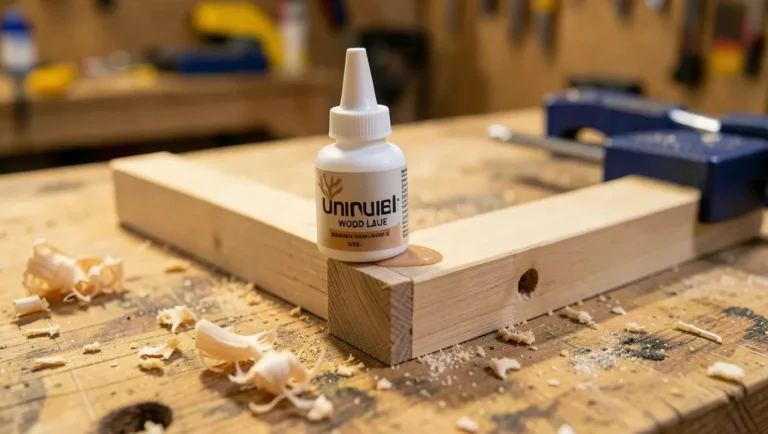
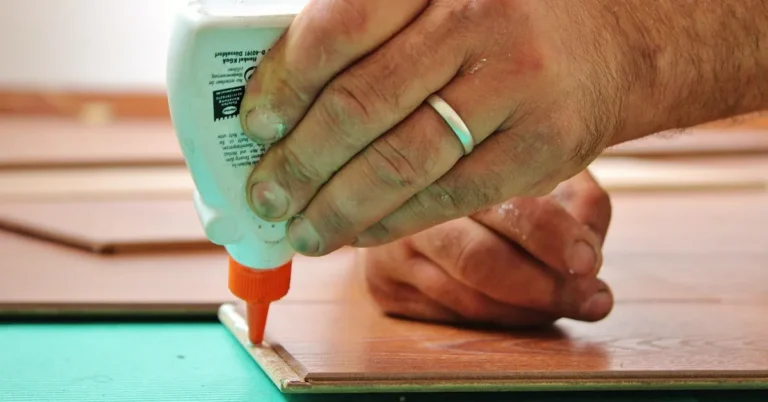
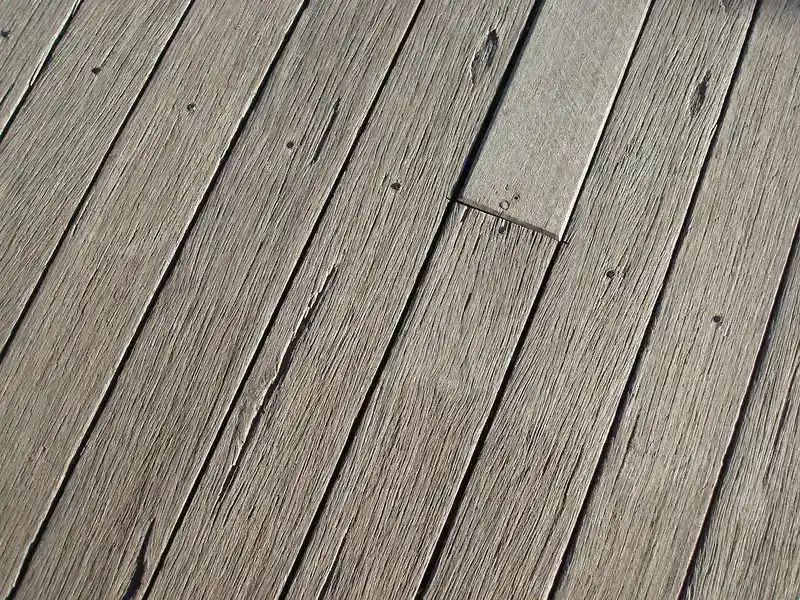
Glue deck trim boards outdoors only when the wood is dry, the joint fits tightly, and screws or nails still share the load; use a true exterior polyurethane or epoxy adhesive, not ordinary interior wood glue. Skip that, and the trim often opens, cups, or loosens after the first wet season, then traps water and speeds rot. I learned that on trim I fixed after one rainy spring. This guide covers adhesive choice, surface prep, joint design, and backup fastening for damp, moving deck trim.
What you’ll need


- Exterior-rated adhesive: waterproof PVA, polyurethane glue, or epoxy for wood-to-wood trim joints
- Screws or nails for backup fastening
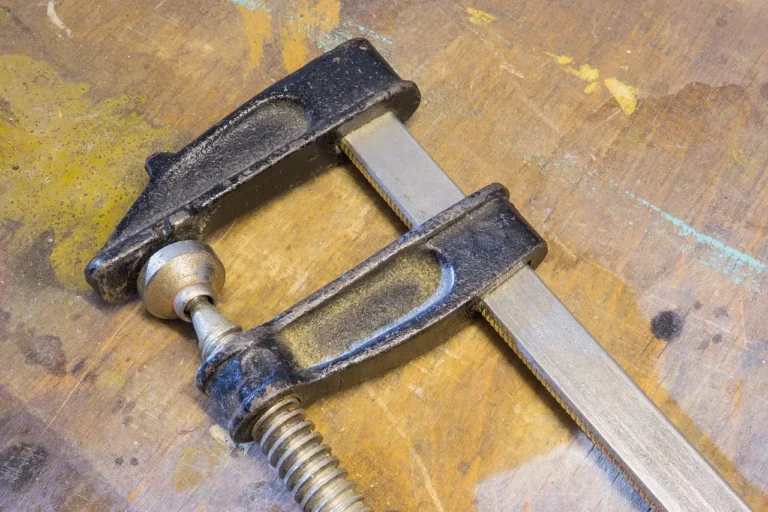
- Clamps or temporary pinning tools
- Putty knife, scraper, and stiff brush
- Sandpaper or a sanding block
- Rags and a solvent or water for the adhesive you choose
- Caulk knife or utility knife for removing failed finish and loose material
- Moisture meter if the boards look damp or have been weathered
- Dry cloths and plastic sheeting to keep the repair out of rain
What fails first on deck trim?
On deck trim, the joint usually fails before the label on the bottle matters. Moisture gets in through end grain, nail holes, or a thin finish line, then movement opens the bond and finish damage lets water stay in longer. The wood, finish, and glue fail in that order when the joint is wrong.
Moisture gets into the joint
Exterior wood glue is an adhesive, a non-metallic material used to bond separate items together. That bond can spread stress across the joint, but it still needs sound wood. If the trim is damp, dirty, or sealed with peeling paint, the adhesive bonds to weak material instead of the board.
Movement opens the glue line
Deck trim boards move with temperature swings and seasonal moisture changes. A tight joint can tolerate some movement. A gap-filled joint under sun and rain cannot. Polyvinyl acetate, or PVA, wood glue works mainly on wood and other porous materials, and some formulas suit wet conditions, but movement still breaks weak joints.
Paint and finish break before the bond
On exterior trim, a failed finish often shows first. Once the coating cracks or lifts, water reaches the glue line. The joint then loses support. A waterproof rating does not stop that chain of failure; it only means the cured adhesive resists water better than a water-resistant one.
How do you choose the right glue?
Choose adhesive by joint fit, moisture, and whether the trim is decorative or part of the edge seal. For tight, dry wood-to-wood joints, a waterproof PVA is often a good fit. For damp conditions or mixed materials, polyurethane or epoxy is often the better choice. If the trim moves, fasteners still need to carry part of the load.
Use a yes/no path for painted trim, wet lumber, and gaps
If the answer is yes to any of these, do not rely on standard interior wood glue: the boards are damp, the faces are painted or chalky, or the joint has more than a hairline gap. If the answer is no to all three, a waterproof wood glue may fit a tight decorative repair.
Match adhesive to the joint type and exposure
ANSI/HPVA Type I is generally treated as a waterproof-rated standard for cured PVA adhesives. It does not mean the board can be wet at assembly, sit in standing water, or move freely under sun and rain. Polyurethane glue needs moisture to cure, forms a flexible, waterproof bond, and expands as it dries. That expansion helps in small voids but can push a poor joint open. (familyhandyman.com)
Decide when screws or nails must back up the bond
On deck trim, screws or nails are usually kept in the joint as backup. Screws or nails hold alignment, resist peel forces, and keep the board in place while the adhesive cures. Glue alone is a bad bet on exposed trim, on edges that help seal the deck, or anywhere the board can vibrate or flex.
What glue should I use for deck trim boards outdoors?
For tight, dry wood-to-wood trim repairs, waterproof PVA can work; polyurethane is often used for damp or slightly irregular joints; and epoxy is often chosen when the fit is poor or a gap needs bridging. Construction adhesive is a different tool; it can work well on some non-wood substrates and framing gaps, but it is not the same as wood glue.
Exterior glue decision table
| Scenario | Adhesive type | Fastener backup | Clamp need | Surface condition | Failure risk |
|---|---|---|---|---|---|
| Painted trim on a tight joint | Epoxy or polyurethane after paint removal at the bond line | Yes, screws or nails | Yes | Scraped to bare wood | High if paint stays in the joint |
| Bare wood with small gaps | Polyurethane or epoxy | Yes | Yes, light to moderate pressure | Clean and dry | Moderate if gap is too large |
| Damp boards after weather exposure | Polyurethane only if the surface is clean and within the product limits | Yes | Yes, to hold alignment | Surface dry to the touch, not soaked | High if the board is wet through |
| Decorative trim only | Waterproof PVA on dry wood | Recommended | Yes | Clean bare wood | Moderate |
| Trim that helps seal an edge | Epoxy or polyurethane | Yes, always | Yes | Dry, sound substrate | High if fasteners are omitted |
How do you prep wet or weathered deck boards before gluing?
Prep matters more outdoors because dirt, chalky finish, mildew, and surface moisture can wreck a bond fast. I see it again and again. Clean wood can hold a waterproof adhesive. Wet, dirty, or peeling surfaces usually cannot. If the board is soaked through, wait. If it is only damp on the surface, dry, clean, and test-fit before any glue goes on.
- Dry-fit the boards and confirm the joint is tight enough for the adhesive.
- Scrape away loose paint, soft fibers, mildew, and failed caulk from the bond area.
- Sand to bare wood where the glue line will sit.
- Wipe dust off and let the wood dry before spreading adhesive.
- Apply adhesive to both faces if the product directions call for it, then assemble right away.
- Clamp or pin the joint so the parts do not slide as the adhesive cures.
- Shield the repair from rain until the cure is complete.
Clamps and pressure
Clamps are needed when the joint must stay flat, aligned, or squeezed into contact while the glue sets. For wood-to-wood trim, enough pressure means the faces close fully without starving the joint. If squeeze-out is absent and the parts still touch tightly, pressure is usually too low; if the board bows, it is too high.
Is waterproof wood glue enough for exterior trim repairs?
Waterproof wood glue can be enough for a small decorative repair on dry, clean, tight-fitting trim. It is not enough when the board is damp, the joint is open, or the trim is part of the edge seal. A Type I rating tells you about water resistance after cure, not about joint design or movement.
What ANSI/HPVA Type I does and does not guarantee
The ANSI/HPVA Type I waterproof standard tells you the cured PVA formula can meet a waterproof rating. It does not guarantee success on dirty paint, wet lumber, or wide gaps. It also does not protect a bond from seasonal movement, UV exposure, or fastener failure next to the glue line.
What to use instead when the joint is imperfect
Polyurethane glue and epoxy are better choices when the joint is less than perfect. Polyurethane glue can bond wood, stone, metal, plastic and other materials. It forms a flexible, waterproof bond, needs moisture to cure, and expands as it dries. That expansion is useful in small irregularities and risky in sloppy joints.
Will polyurethane glue hold up better than PVA outside?
Polyurethane usually holds up better than PVA when the wood is slightly damp, the joint is irregular, or the repair needs some gap tolerance. PVA is cleaner and easier on tight wood joints, but it is less forgiving if moisture reaches the bond line or if the boards keep moving after cure.
Moisture-cure behavior and open time
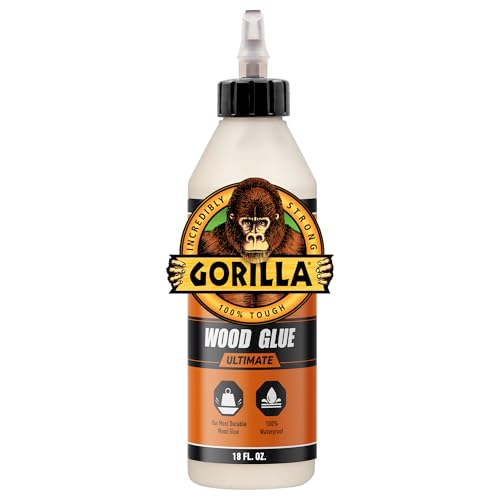
Polyurethane glue needs moisture to cure, so a lightly damp substrate can help it set. It also has an open time that limits how long the parts can sit before assembly. One Gorilla waterproof wood glue formula meets ANSI/HPVA Type I waterproof standards and lists a 15-minute open time. That does not mean every polyurethane behaves the same.
Foam expansion and cleanup
Polyurethane expands as it dries. That can help fill tiny irregularities, but the foam is not a structural filler for a real gap. Excess squeeze-out must be scraped or cut away after it cures. Cleanup is harder than with PVA, which usually cleans with water while wet and is easier to trim before it hardens.
Where polyurethane helps and where it hurts
Use polyurethane when the boards are sound but not perfect, or when a damp repair needs a stronger exterior bond. Avoid it on painted faces, large gaps, and joints that must look crisp right away. Once foamed, the excess can telegraph through the finish and create extra cleanup work.
Can I glue deck trim boards without mechanical fasteners?
Usually no. On exposed deck trim, glue alone is too risky because the joint must resist movement, vibration, and weather. Screws or nails keep alignment, add redundancy, and carry load while the adhesive cures. For decorative interior-style trim in a protected spot, glue alone may work; on a deck, backup fasteners are the safer choice.
Where glue is a supplement, not the whole repair
Glue works best as part of a joint system. On exterior trim, that system usually includes sound wood, a fitting joint, a suitable adhesive, and mechanical fasteners. If the trim helps seal an edge or prevent rattling, omitting screws or nails leaves the repair exposed to peel forces and seasonal movement.
Protection before rain
Do not expose the repair to rain until the adhesive has cured enough to resist water. The cure requirement depends on the product, temperature, and thickness of the bond line. A heavy bead buried under a cold trim board will usually take longer to cure than a thin bond in warm, dry weather.
Prevention: Before future repairs, seal end grain and keep the trim paint or finish intact at the joint line. Once finish breaks, water reaches the bond faster than most people expect.
How long should exterior wood glue cure before exposure to rain?
Exterior wood glue should cure long enough that the joint can resist washout and early movement before rain hits it. The safe answer is to follow the product cure schedule, but in practice the repair should stay dry until the adhesive is fully set and the fasteners are carrying the load.
If that didn’t work, try this next
- Move the repair under cover or tape plastic sheeting above it so wind-driven rain cannot reach the joint.
- Keep the board clamped or fastened until the adhesive has reached full cure for the product and temperature.
- If rain already got on the uncured bond, open the joint, clean it, dry it, and reassemble with fresh adhesive.
Common mistakes
Most exterior glue failures come from joint prep and joint design, not from the adhesive name alone. Wet lumber, painted faces, oversized gaps, and skipped fasteners turn a decent product into a weak repair. The fix is to treat the bond as part of the whole trim system.
- Gluing over dirt, mildew, or peeling finish: scrape back to sound wood first.
- Using glue across oversized gaps: switch to epoxy or rebuild the joint.
- Skipping mechanical fasteners on exposed trim: add screws or nails for backup.
- Exposing the joint to rain too soon: keep it dry until full cure.
- Using construction adhesive as if it were wood glue: choose the right product for wood-to-wood bonding.
Frequently asked questions
Can wood glue work in exterior conditions?
Yes, but only in the right joint. Wood glue, also called polyvinyl acetate adhesive, mainly works on wood, paper, and other porous materials. Some formulas suit wet conditions, but the wood still needs to be sound and the bond line tight. It is not a fix for sloppy trim repairs.
Do I need clamps when gluing trim boards on a deck?
Yes, if the trim must stay flat and fully seated while the adhesive cures. Clamp pressure should close the joint without crushing the fibers or squeezing out all the adhesive. On small repairs, temporary pinning can help, but the board still needs mechanical fasteners for exterior durability.
Sponsored / affiliate links. As an Amazon Associate I earn from qualifying purchases. I may earn additional commission from eligible campaigns.