How to Remove Citristrip: A Step-by-Step Guide for Easy Cleanup
Removing Citristrip fully from a surface takes scraping off the bulk, then a mineral spirits or soap-and-water wipe-down for the residue left behind. Citristrip is an effective citrus-based paint and varnish stripper, but its gel residue is sticky and easy to leave behind if you rush the cleanup.
Knowing the right cleanup sequence saves time and avoids trapping residue under your next coat of finish. This guide covers the full removal process, the safest way to dispose of used rags and waste, the most common mistakes, and how Citristrip compares to other stripper cleanup methods.
Gather Supplies
Start by gathering supplies like gloves, a plastic scraper, and mineral spirits. These items let you remove Citristrip from surfaces efficiently and safely.
Necessary Tools
You’ll need a plastic scraper (a putty knife works too), a wire brush for stubborn spots, rags, a bucket of warm water, a sponge, and a small brush for detail areas.
Protective Gear
Always wear gloves, safety goggles, and a mask to avoid fumes. Wear old clothes since Citristrip can stain fabric. Cover your workspace with a drop cloth and ventilate the area well before starting.
Prepare The Area
Cover floors and furniture with plastic sheets or drop cloths to protect them from spills and splatters, and make sure everything is covered before you start. Ensure good ventilation by opening windows and running fans pointed toward the outside airflow — Citristrip’s citrus solvent smell is milder than traditional strippers, but the fumes still need somewhere to go.
Apply Citristrip
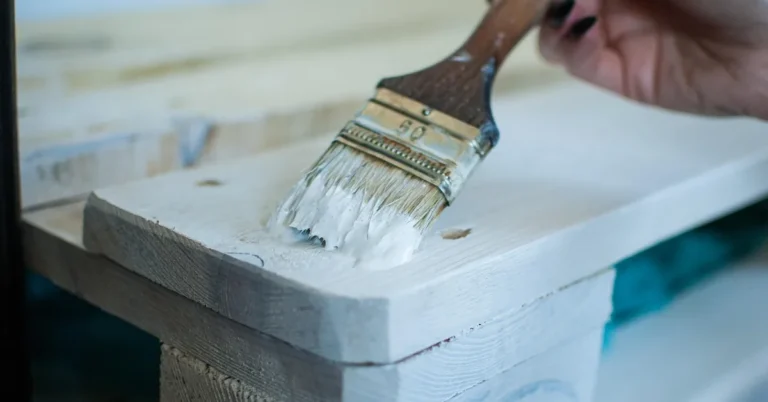
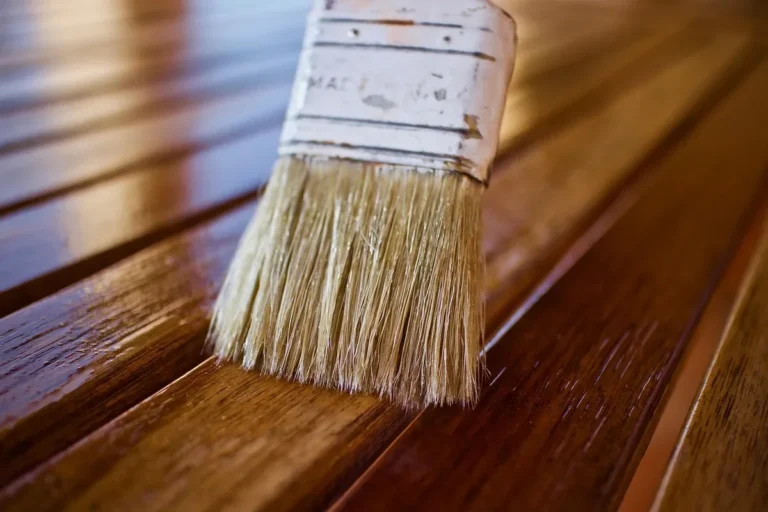
Use a brush to apply a thick, even layer over the entire surface — a thin coat dries out too fast to work properly. Let it sit for at least 30 minutes; tough, multi-layer finishes may need longer. Check the surface periodically and don’t let it dry out completely, since dried Citristrip is much harder to remove cleanly.
Scrape Off Citristrip
Use a scraper tool: Hold it at a low angle and scrape off the bulk of the softened finish. Be gentle to avoid gouging the surface underneath.
Remove residue: Some gel residue will remain after scraping. Wipe it with a clean cloth, dipping it in warm soapy water for sticky residue. Repeat until the surface feels clean rather than tacky.
Clean The Surface
Wipe the surface with a clean cloth, using a little pressure and paying attention to corners and edges where residue likes to hide.
Dip a cloth in mineral spirits and rub the surface to lift any leftover gel — dampen the cloth, don’t soak the wood. Mineral spirits cut through the remaining residue thoroughly. Let the surface dry completely before moving to the next step.
Removal Method Comparison
Different final-wipe methods work better for different situations — here’s how the common ones compare.
| Method | Best for | Notes |
|---|---|---|
| Warm soapy water | Light residue, final cleanup pass | Gentlest option; may need several wipes |
| Mineral spirits | Sticky gel residue, oily film | Fast and thorough; needs ventilation |
| Denatured alcohol | Final wipe before staining | Evaporates fast, leaves minimal film |
| Fine steel wool + mineral spirits | Stubborn residue in grain/detail | Effective on carvings and moldings; go with the grain |
Common Mistakes When Removing Citristrip
- Letting it dry out before scraping: Dried Citristrip hardens and becomes far harder to remove, often needing a second application.
- Skipping the final solvent wipe: Scraping alone leaves an oily gel film that can prevent new stain or finish from bonding properly.
- Scraping too aggressively: Pressing hard with a metal scraper can gouge softwoods or veneer underneath the softened finish.
- Working without ventilation: Citristrip is gentler than methylene-chloride strippers, but its fumes still need airflow, especially indoors.
- Balling up used rags and tossing them in a bin: See the safety note below — this is a real fire risk, not just a tidiness issue.
Dispose Of Waste
Bag and seal solid waste (scraped-off finish, used scraper material) properly in heavy-duty bags, and label the bags with their contents. Keep them away from children and pets.
Follow your local regulations for chemical waste disposal — many areas have a household hazardous waste drop-off rather than allowing it in regular trash. Check before you start the project so you’re not stuck storing waste longer than necessary.
Final Inspection
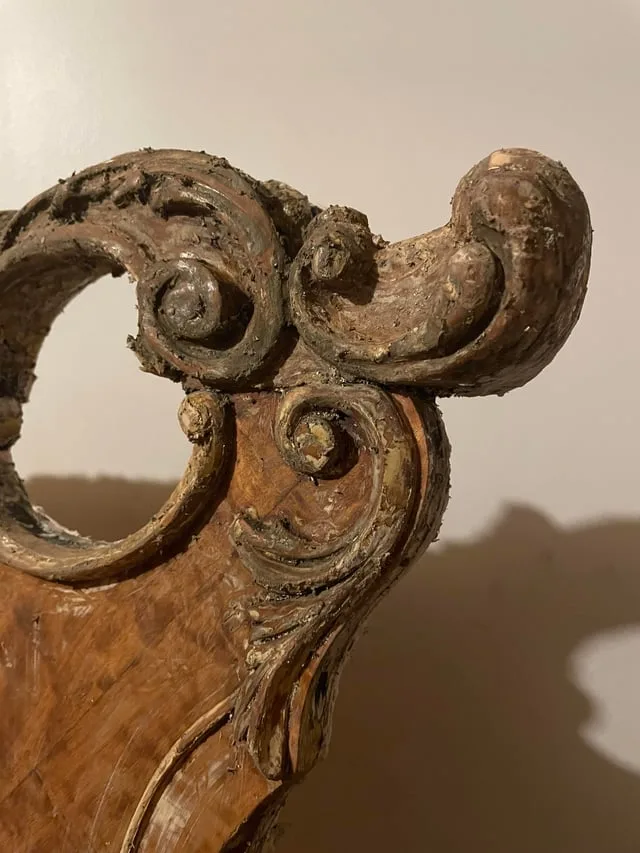
Inspect the surface closely for any spots where Citristrip residue remains, paying extra attention to corners, edges, and carved detail where it likes to hide. Don’t rush this step — any leftover residue can prevent new stain or finish from bonding evenly.
Give the surface one more wipe with a clean, damp cloth to catch any last chemical film, then let it dry completely. The surface should look clean and feel smooth, not tacky, before you move on to sanding or refinishing.
Maintenance Tips
Store unused Citristrip in a cool, dry place with the container tightly sealed, away from heat sources — this extends its shelf life and keeps the gel from thickening prematurely. Keep it away from children and pets, and label the container clearly.
After any project, clean your tools thoroughly so dried residue doesn’t build up on scrapers and brushes. Periodically check previously stripped surfaces for any residue you may have missed, and address it before applying a new finish.
Frequently Asked Questions
What Dissolves Citristrip?
Mineral spirits or paint thinner effectively dissolve leftover Citristrip residue. Apply with a cloth or brush and always work in a well-ventilated area.
Can You Rinse Off Citristrip?
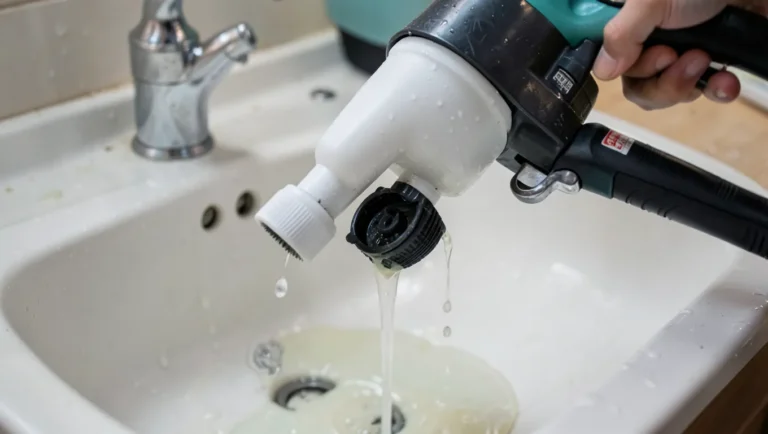
Yes. Use water and a scrubbing pad to remove residue after scraping, and rinse thoroughly to make sure no gel film remains before the surface dries.
What Can I Use To Scrape Off Citristrip?
A plastic scraper or putty knife works for most surfaces; fine steel wool helps in carved detail or tight grain where a flat scraper can’t reach.
What Is The After Wash After Citristrip?
After scraping off Citristrip, clean the surface with mineral spirits or denatured alcohol to remove the remaining gel film, then rinse and let it dry completely before refinishing.
How Long Can You Leave Citristrip On Before It Stops Working?
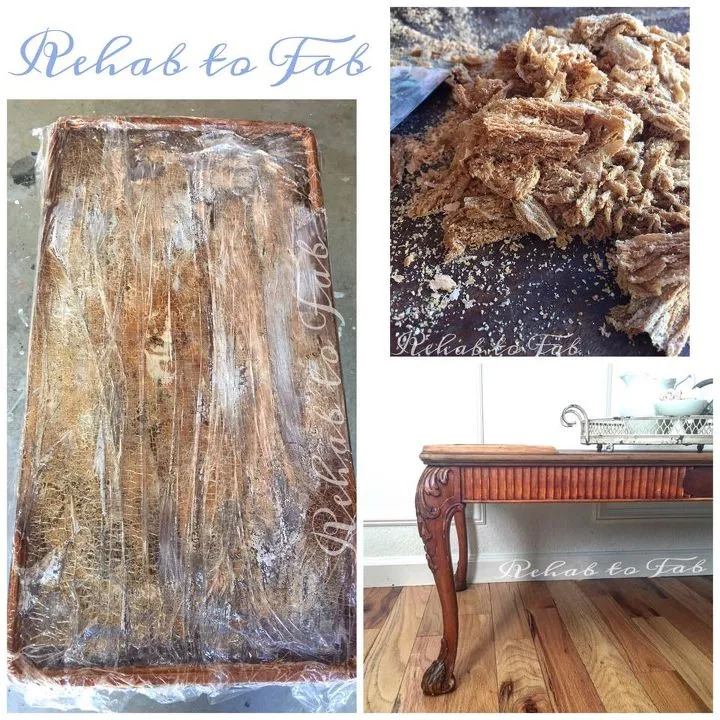
Citristrip is formulated to stay active far longer than traditional strippers — often several hours to overnight under plastic wrap — but once it visibly dries out and hardens on the surface, it has stopped working and needs to be reapplied.
Conclusion
Removing Citristrip cleanly comes down to the right sequence: apply a thick coat, let it work fully, scrape off the bulk, then finish with a mineral spirits or soapy water wipe to clear the residue. Skipping the final wipe is the most common reason a new stain or finish doesn’t bond properly afterward.
Follow the safety steps — ventilation, protective gear, and safe rag disposal — and Citristrip cleans up as easily as it strips.
Sponsored / affiliate links. As an Amazon Associate I earn from qualifying purchases. I may earn additional commission from eligible campaigns.