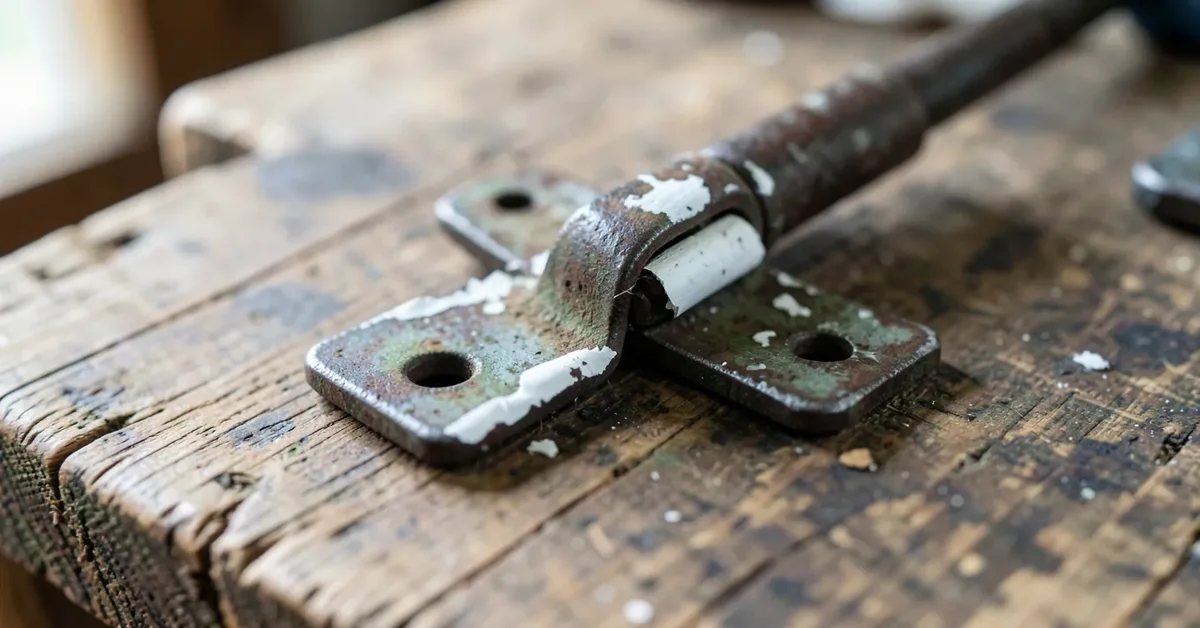
How to Remove Paint From Metal Without Scratching It
The safest way to remove paint from metal without scratching it depends on the metal itself. Soft metals like brass, aluminum, tin, and pewter mark easily under anything abrasive, so boiling water or a citrus-based stripping gel and a plastic scraper are the better choices. Harder metals like steel and cast iron tolerate a bit more pressure, but wire brushes, metal scrapers, and coarse sandpaper still leave marks that show up the moment the paint is gone. The breakdown below covers which method fits your metal, what to test first, and which common tools do the damage you’re trying to avoid.
Test Your Metal Before You Pick a Method
Before touching the whole piece, find a hidden spot — the underside of a hinge, the back of a plate, the inside of a leg — and press a fingernail or a plastic scraper edge into the bare metal once the paint is gone from that small area. If it dents or marks under light pressure, you’re dealing with a soft metal (brass, copper, aluminum, tin, or pewter), and every method below should stay on the gentle end: boiling water, citrus gel, and a plastic or wooden scraper only. If the same test leaves no mark, you’re working with a harder metal like mild steel or cast iron, which has more room for a heat gun or a slightly firmer scraper, though wire brushes and coarse abrasives are still a bad idea on either type. If the piece might have been painted before 1978, treat it as possible lead paint until you know otherwise — a cheap home test swab confirms it in under a minute, and lead paint calls for a respirator and wet-scraping regardless of which method you use, to keep dust out of the air.
What You’ll Need
- A plastic or wooden scraper (never metal, on any method below)
- A large pot, if the piece is small enough to submerge for the boiling-water method
- A citrus-based stripping gel and a natural-bristle brush, for larger flat pieces
- Chemical-resistant gloves and a well-ventilated space or outdoor work area
- Mineral spirits and a lint-free cloth for the cleanup pass afterward
Best For Soft Metals & Hardware
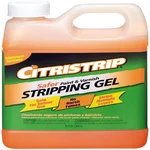 |
Citristrip Paint & Varnish Stripping Gel, 1-Quart – $26.99 A citrus-based gel that lifts multiple paint layers off metal without any scraping pressure — the gentlest chemical option for hardware, hinges, and soft metals.
|
Method 1: Boiling Water for Hardware, Hinges, and Small Parts
For small pieces — door hinges, drawer pulls, knobs, brackets — boiling water is the gentlest method that still works fast. Submerge the piece fully in a pot of water at a rolling boil for 15 to 20 minutes. The heat softens the bond between the paint and the metal without any chemical or abrasive contact. Lift the piece out with tongs (it will be hot) and, while it’s still warm, scrape the loosened paint away with a wooden craft stick or a plastic scraper. Most coats lift off in ribbons at this point. If a stubborn patch remains, drop the piece back in for another five to ten minutes rather than reaching for a metal tool.
Method 2: Citrus-Based Stripping Gel for Larger Flat Surfaces
For pieces too large to boil — railings, panels, filing cabinets, sheet metal — a citrus-based stripping gel does the same job as boiling water without submersion. Apply a thick, even coat with a natural-bristle brush, then cover it with plastic wrap or a plastic bag to slow evaporation; a good gel stays active for up to 24 hours under cover. Once the paint has bubbled and softened, a plastic scraper (never metal) pushes it off in sheets. If you’re dealing with fresh spray paint overspray rather than old cured layers, our guide to removing spray paint from metal covers faster solvent options that work well on thin, recent coats.
Method 3: Low-Heat Gun When Gel Alone Isn’t Enough
On larger, flatter pieces of harder metal, a heat gun set to its lowest setting (roughly 500 to 750 degrees Fahrenheit) loosens paint in seconds instead of hours. Hold the gun a few inches from the surface and keep it moving constantly — lingering in one spot can discolor or warp thin steel. As the paint starts to bubble, follow behind with a plastic scraper. This method isn’t a good fit for anything with fine detail or trapped seams, since heat concentrates in corners and can distort them, and it’s not suitable for suspected lead paint without proper testing and respiratory protection first.
3 Tools That Cause the Scratches You’re Trying to Avoid
- Wire brushes and wire wheels — the bristles are harder than most decorative metals and leave a fine cross-hatch of scratches that only shows up once the finish is gone and the light hits it at an angle.
- Metal putty knives and razor scrapers — effective on paint, but the beveled steel edge digs into brass, aluminum, and tin long before it’s dulled enough to feel dangerous.
- Coarse sandpaper and steel wool — both remove paint and a thin layer of the metal underneath at the same time, which is why sanded soft metal often looks dull and hazy instead of restored.
Match the Caution Level to Your Specific Metal
Not every metal needs the same level of care. Brass, copper, aluminum, tin, and pewter sit around 2.5 to 4 on the Mohs hardness scale, soft enough to mark under a fingernail if you press hard, so they should only ever see boiling water, citrus gel, and plastic tools. Mild steel and cast iron run closer to 4 to 4.5, noticeably harder, and can handle a heat gun and a firmer (still non-metal) scraper without much risk. Galvanized steel is its own case: the zinc coating underneath the paint is thinner and softer than the steel itself, so aggressive stripping can wear through it and expose bare steel to rust — stick to the gentler methods here even though the base metal is hard. Chrome and stainless steel finishes scratch visibly under anything abrasive, so treat them like soft metals regardless of what’s underneath. Cast aluminum outdoor furniture is a common trouble spot for exactly this reason: it looks tough, but a wire wheel leaves permanent swirl marks in a few seconds.
After the Paint Is Off: Protecting the Bare Metal
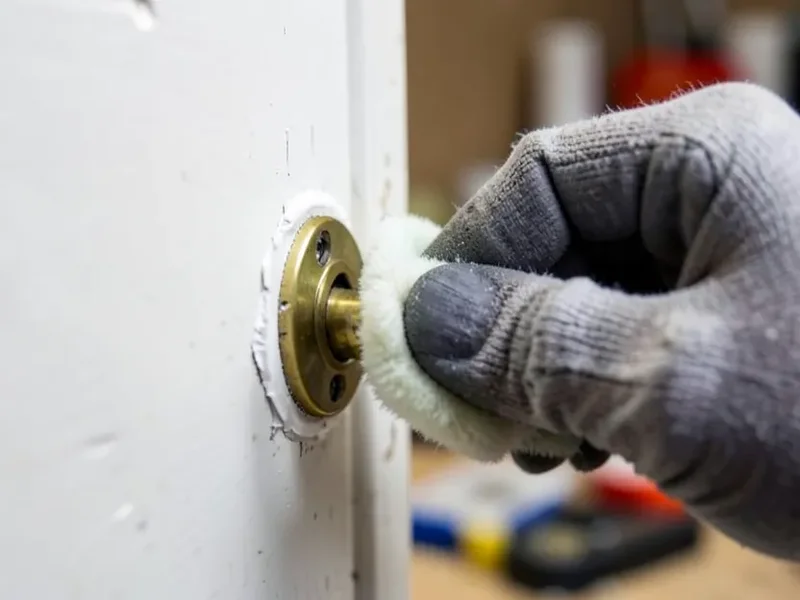
Once the paint is gone, wipe the surface down with mineral spirits to dissolve any leftover stripper residue, then dry it immediately and thoroughly — bare steel and cast iron can start flash rusting within an hour of sitting wet. If you’re not repainting right away, a light coat of paste wax or a rust-inhibiting oil protects the exposed metal in the meantime. When you are ready to repaint, our guide on using latex paint on metal covers which primer pairs it needs, and if any rust showed up under the old paint, removing rust from painted metal walks through clearing it without stripping the surrounding finish.
Frequently Asked Questions
Will vinegar remove paint from metal without damaging it?
Plain vinegar softens some water-based paints on metal after a long soak (an hour or more), but it is slow and unreliable on oil-based or multi-layer paint. It will not scratch the metal itself, so it is safe to try first on delicate pieces, but do not expect it to match the speed of a citrus-based stripping gel or boiling water.
Is a heat gun safe on painted metal hardware?
Yes, on a low setting (roughly 500 to 750 degrees Fahrenheit), kept moving and held a few inches away. Heat guns work best on larger flat pieces like railings or panels. Avoid them on cast pieces with fine detail, since trapped heat can warp thin sections, and never use one near old paint that might contain lead without proper testing and ventilation first.
How do I remove paint from metal without scratching chrome or stainless steel?
Skip anything abrasive, including steel wool and scouring pads, since both leave visible scratch patterns on a polished finish. A citrus-based stripping gel followed by a soft microfiber cloth removes paint from chrome and stainless without dulling the shine, and a final wipe with mineral spirits clears any leftover residue.
Matching the method to the metal is really the whole trick: boiling water and citrus gel for anything soft or detailed, a bit more heat and pressure for plain steel and cast iron, and plastic tools instead of metal ones no matter which method you use. Test a hidden spot first, and the paint comes off without leaving new damage behind.
Sponsored / affiliate links. As an Amazon Associate I earn from qualifying purchases. I may earn additional commission from eligible campaigns.