How to Remove Subfloor: A Step-by-Step DIY Guide
Removing a subfloor can seem daunting. But it’s manageable with the right steps.
Subfloors are crucial to your home’s structure. They support your flooring and ensure stability. Sometimes, you may need to remove them. Maybe for repairs, replacements, or upgrades. This task requires careful planning and execution. Whether you’re dealing with water damage or upgrading your flooring, understanding how to remove a subfloor is essential.
This guide will walk you through the process, making it simpler and more approachable. With the right tools and a bit of patience, you’ll have your subfloor removed in no time. Let’s dive into the steps to make this project straightforward and stress-free.
Credit: www.aconcordcarpenter.com
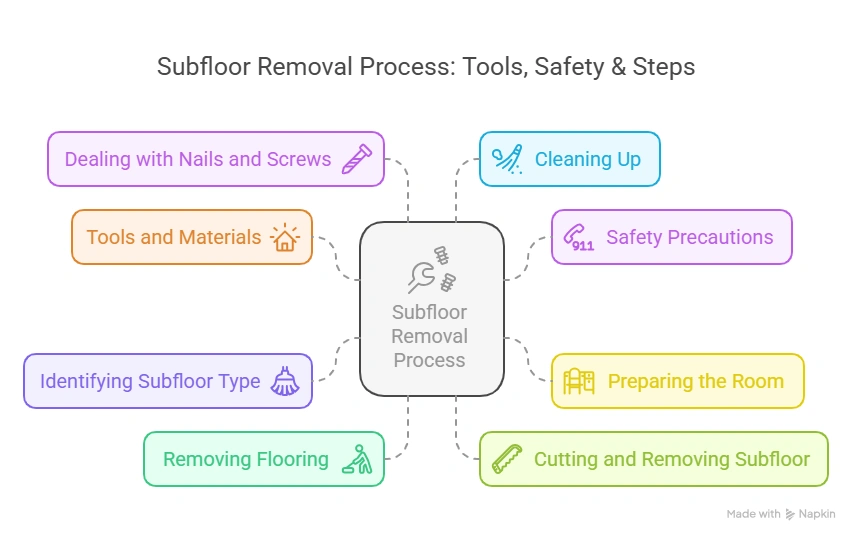
Tools And Materials
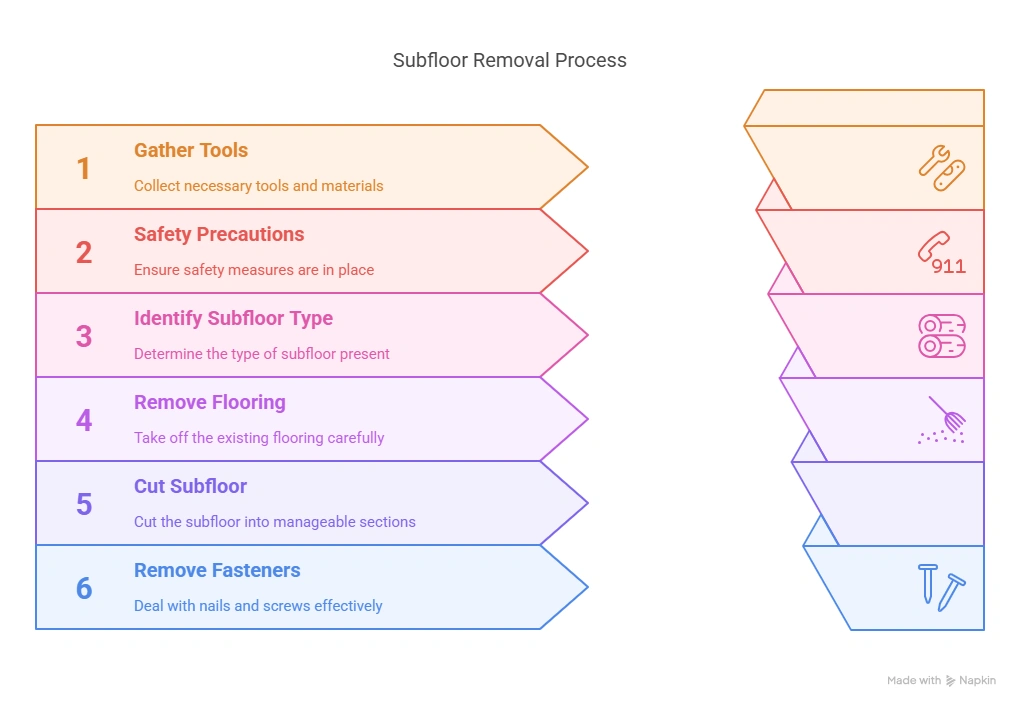
Removing a subfloor needs a few basic tools. Use a hammer to loosen nails. A crowbar helps lift the subfloor. Safety goggles protect your eyes. A dust mask keeps you safe from dust. Gloves protect your hands. A reciprocating saw cuts through tough spots.
Gather the right materials for the job. You will need nails or screws to secure the new subfloor. Wood glue helps with bonding. Replacement boards are essential to have on hand. Plastic sheeting can protect other areas from dust.
Safety Precautions
Wearing protective gear is crucial. Always wear gloves to protect your hands. Use safety goggles to shield your eyes. Dust masks help you breathe clean air. Knee pads protect your knees when working on the floor.
Keep your work area clean to avoid accidents. Ensure your tools are in good condition. Proper lighting helps you see clearly. Always lift heavy objects with your legs, not your back. Don’t rush the job; take breaks when needed.
Preparing The Room
Remove all furniture from the room. Take out rugs and mats. Clear shelves and tables. Make sure the floor is empty. This helps prevent accidents. You need space to work. Clear space means a safer job.
Use a utility knife to cut the caulk. Gently pry the baseboards with a crowbar. Do this slowly to avoid damage. Label each piece to remember where it goes. This will help later. Place baseboards in a safe spot. Keep them in good condition for reuse.

Credit: www.condoblues.com
Identifying The Subfloor Type
Subfloors are usually made of wood, concrete, or plywood. Wood subfloors are often found in older homes. Concrete subfloors are common in basements. Plywood is lightweight and used in many modern homes. Each type needs different removal methods.
Check the material under the floor covering. Wood subfloors have a grainy look. Concrete feels hard and cold. Plywood has a smooth surface and is light in color. Knowing the type helps you plan the removal.
Removing Flooring
Begin by moving all furniture out of the room. Next, use pliers to pull up one corner of the carpet. Once lifted, you can start pulling the carpet away from the tack strip. Cut the carpet into manageable sections with a utility knife. Roll each section up and dispose of it. Finally, remove the tack strips and any remaining staples from the floor.
First, remove any baseboards and trim around the room. Use a pry bar to lift each plank of hardwood. If the wood is glued, you might need a heat gun to soften the adhesive. For nailed-down hardwood, pull up the nails carefully. Continue this process until all planks are removed. Sweep up any debris and nails from the floor.

Credit: www.youtube.com
Cutting And Removing The Subfloor
Start by marking the lines where you will cut. Use a pencil or chalk. Make sure the lines are straight. Measure carefully. Double-check your measurements. This helps avoid mistakes.
Adjust the saw blade to the right depth. The blade should not go too deep. Hold the saw firmly. Follow the marked lines slowly. Keep your hands away from the blade. Safety first!
Dealing With Nails And Screws
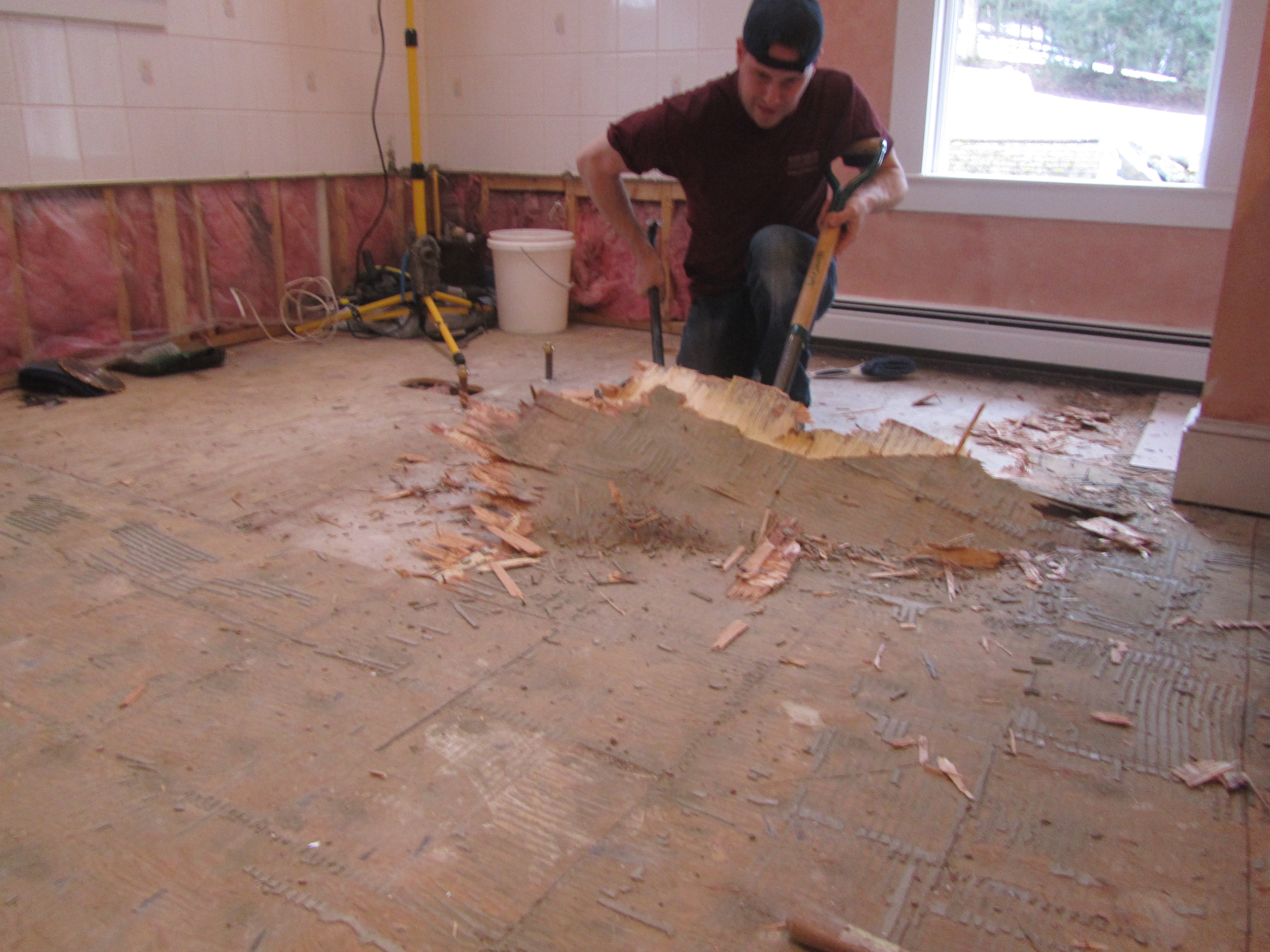
First, locate all the nails or screws on the subfloor. Place the pry bar under the edge of the subfloor. Press down on the bar to lift the subfloor slightly. Move the pry bar along the edge, prying up small sections. Be careful not to damage the floor joists.
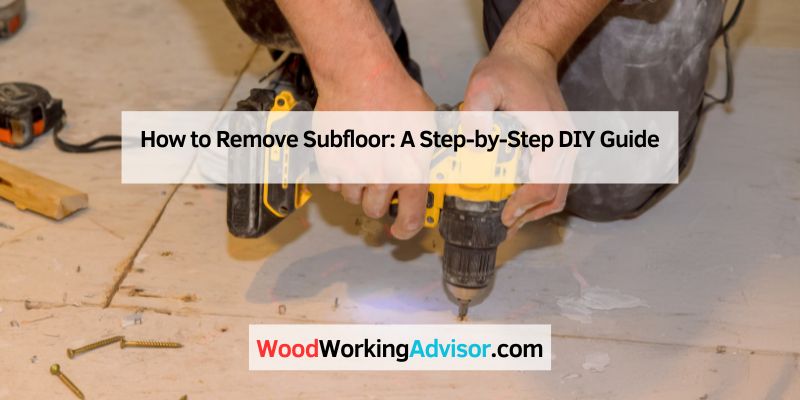
Find the screws holding the subfloor in place. Use a drill to remove the screws. If the screws are tight, apply a bit of pressure. Save the screws for later use. Once all screws are out, lift the subfloor. Dispose of it properly.
Cleaning Up
Collect all big pieces of debris first. Use a shovel to pick them up. Place them in a trash bag or bin. For sharp items, use gloves to avoid cuts. Dispose of hazardous materials properly. Check local rules for this. Keep small children and pets away during cleanup.
Use a broom to sweep the floor. Start from one corner. Move to another corner. Sweep all dirt into a dustpan. Use a vacuum for small particles. Ensure all areas are clean. Clean the vacuum filter after use. This keeps it working well.
Frequently Asked Questions
What Is The Best Tool To Remove A Subfloor?
The best tool to remove a subfloor is a pry bar. It efficiently lifts and removes subfloor panels. Use a circular saw to cut sections for easier removal.
How To Remove Subfloor Quickly?
Remove subfloor quickly by cutting it into sections with a circular saw. Pry up pieces using a crowbar. Dispose of debris efficiently. Wear protective gear for safety.
How Hard Is It To Replace Subfloors?
Replacing subfloors can be challenging. It involves removing flooring, inspecting joists, and installing new subflooring. Skilled DIYers might manage.
Can You Replace A Subfloor Without Removing Walls?
Yes, you can replace a subfloor without removing walls. Cut the subflooring along the wall edges carefully. This allows for new subfloor installation.
Conclusion
Removing a subfloor can seem challenging. Follow the steps patiently. Gather all necessary tools beforehand. Wear protective gear for safety. Carefully remove the old subfloor. Clean up debris immediately. Prepare the area for the new floor. Take your time for the best results.
This process ensures a solid foundation. Now, you are ready to install a new floor. Your effort will pay off. Enjoy your renewed space. Happy renovating!