How to Make Cornhole Boards Slippery: 3 Methods That Actually Work
A cured polyurethane or varnish topcoat gives cornhole boards the most lasting slide, while silicone spray or baby powder work faster — but the American Cornhole Organization’s official rules actually ban applying silicone spray, talc, or baby powder to the board during sanctioned play. This guide covers the durable finish method plus the faster options, and which ones are backyard-only versus tournament-legal.
Method 1: Polyurethane or Varnish Finish (Most Durable)
Best Quick-Slide Spray Pick
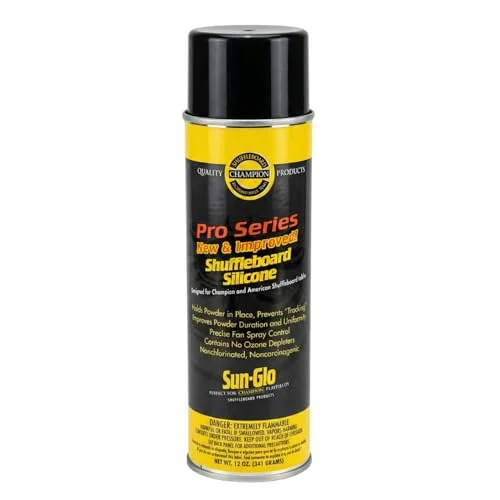 |
Sun-Glo Silicone Shuffleboard & Game Board Spray – $22.11 A silicone-based glide spray built for smooth game-board surfaces is the fast, backyard-game option this guide covers – just note it’s banned from sanctioned ACO/ACL tournament play (see the rule callout above).
|
A cured polyurethane topcoat is the standard finish for tournament and regularly-used boards — it lasts seasons rather than games, and it’s the finish official cornhole board specs assume when they call for a “smooth playing surface.”
- Sand progressively: 120-grit first, then 220-grit, sanding with the wood grain each pass.
- Clean thoroughly: wipe or vacuum off all sanding dust before finishing — trapped dust shows as gritty bumps under the topcoat.
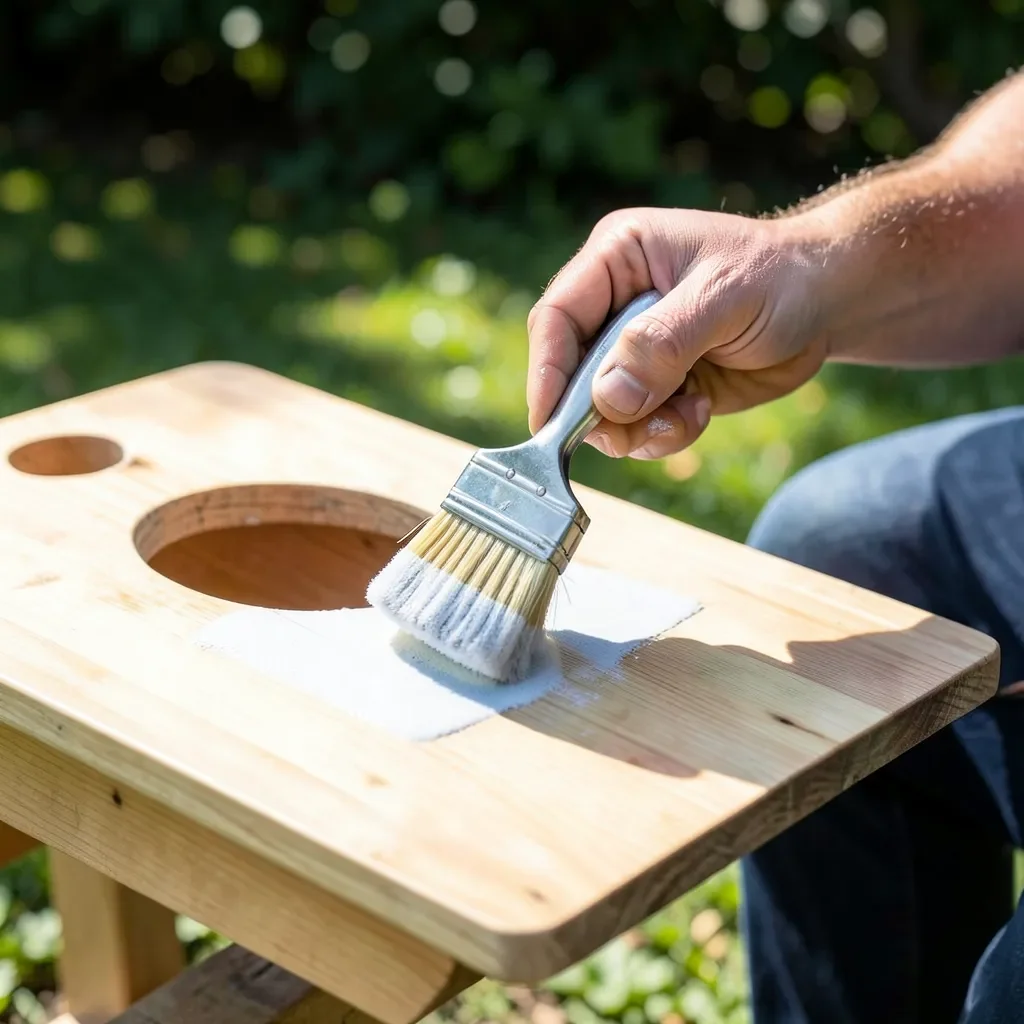
- Apply thin, even coats: use a foam brush or roller; thick coats drip and cure unevenly.
- Let each coat dry fully: 2 to 4 hours between coats is typical for polyurethane, longer for marine varnish.
- Lightly sand between coats: fine-grit sandpaper (320+) between coats improves adhesion and final smoothness.
- Apply 2 to 3 coats minimum: more coats build a smoother, more durable slide surface.
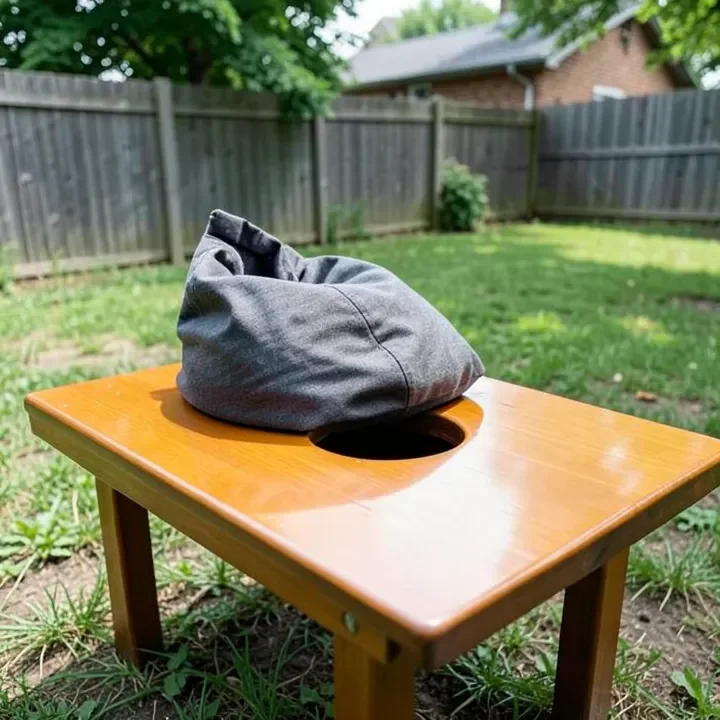
📊 Official ACO/ACL rules explicitly ban applying silicone spray, talc, or baby powder to the playing surface during sanctioned play — only a permanently applied finish (like polyurethane) is tournament-legal. — Source: American Cornhole Organization, Official Rules
For casual backyard games, a silicone-based game-board spray is the fast, no-drying-time option covered next — just keep in mind it’s for casual play only, not sanctioned tournaments.
Method 2: Silicone Spray or Board Wax (Fast, Backyard-Only)
For casual backyard games, a silicone-based game-board spray or a light coat of car wax adds temporary glide fast. Spray or apply lightly, then buff with a clean cloth — excess product left un-buffed creates a tacky surface rather than a slick one. Keep this method for casual play only; a league or tournament board needs to earn its slide from the finish itself.
Method 3: Household Powders (Cheapest, Backyard-Only)
Baby powder or cornstarch dusted lightly across the board adds slide in a pinch, without any drying time — but like silicone spray, it’s a banned substance under official ACO/ACL rules, so it’s strictly a casual-game fix. It’s also the least durable option, brushing off within a few throws, and it can leave a residue that affects paint or a fresh finish later.
Comparing the Three Methods
| Method | How Long It Lasts | Best For |
|---|---|---|
| Polyurethane/varnish | Seasons, with normal care | Boards used regularly or in tournament play |
| Silicone spray/wax | 1–2 games | A quick boost before playing, or reviving an older finish |
| Baby powder/cornstarch | A few throws | Backyard games, no finish on hand |
When a Board Is Too Slippery (or Not Slippery Enough)
Tournament and league play calls for a consistent, moderate slide — not maximum slickness. A board so slick that bags slide straight through the hole or off the far edge is over-treated; wipe down excess wax or silicone spray with a clean cloth and test again. A board that’s gone tacky or grippy after weathering usually needs a light sanding and a fresh thin topcoat rather than more wax layered on top of a degraded finish.
Maintenance for Long-Term Slide
- Wipe down after every use: dirt and moisture buildup dulls the slide over time.
- Store boards flat and covered: sun exposure breaks down finish faster than regular play does.
- Reapply silicone spray or wax every few games if you’re relying on it between refinishing.
- Plan a full refinish annually for boards that see regular outdoor use.
Frequently Asked Questions
How do I make cornhole boards slippery?
Sand the surface smooth, then apply 2 to 3 thin coats of polyurethane or varnish, sanding lightly between coats. For a quick, temporary boost, a silicone-based game-board spray or a light coat of car wax also works, but wears off within a game or two.
What materials are best for slippery cornhole boards?
Smooth-grain plywood (birch or maple) sands and finishes more evenly than rougher construction-grade sheets. Whatever the base material, a cured polyurethane or varnish topcoat is what actually creates the lasting slide, not the wood species itself.
How long does it take for cornhole board finish to dry?
Polyurethane and varnish typically dry to the touch in 2 to 4 hours between coats, but full curing — when the finish reaches its final hardness and slide — can take up to a week. Let boards cure fully before regular tournament-level play.
Can you make a cornhole board too slippery?
Yes. Over-applying wax or silicone spray can make bags slide straight through the hole or off the board entirely, which isn’t an advantage in regulation play. Wipe off excess product with a clean cloth and test with a few throws before adding more.
A properly cured polyurethane or varnish finish gives cornhole boards the most consistent, longest-lasting slide — silicone spray and household powders are useful stopgaps, not substitutes for a real topcoat. Sand smooth, finish in thin coats, and maintain the surface between games to keep the slide predictable all season.
Sponsored / affiliate links. As an Amazon Associate I earn from qualifying purchases. I may earn additional commission from eligible campaigns.