How to Repair Inlay Wood: Quick Fixes & Tips
To repair inlay wood, first clean the damaged area and remove any loose pieces. Then, fill gaps with matching wood glue or filler, ensuring a smooth finish.
Inlay wood adds elegance to furniture and décor, but it can suffer from wear and damage over time. Small cracks or missing pieces can detract from its beauty. Repairing inlay wood requires attention to detail and the right tools. A successful repair restores the original charm and functionality of your piece.
Whether you’re dealing with a cherished heirloom or a recent find, knowing how to fix inlay wood can extend its life. This guide provides essential steps to help you achieve professional-looking results at home, ensuring your inlay wood remains a stunning focal point for years to come.
Introduction To Inlay Wood Repair
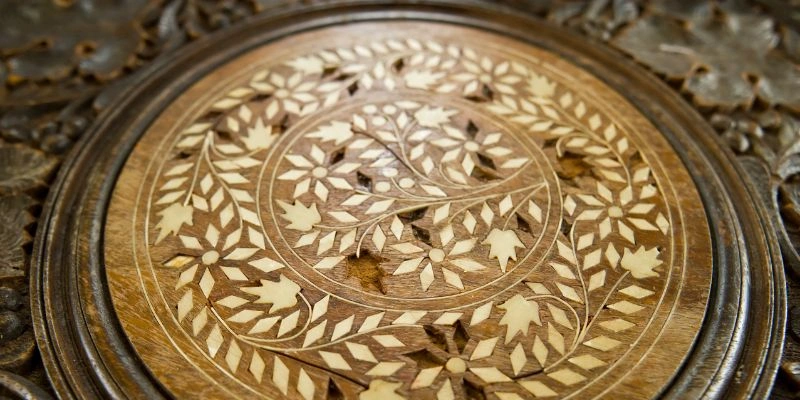
Inlay wood brings a unique charm to furniture and decor. Its intricate designs add beauty and character. Repairing inlay wood requires careful attention.
Common issues include cracks, gaps, and loose pieces. Water damage can also affect the wood. Regular maintenance helps prevent these problems.
For small cracks, use wood glue to fill them. Ensure the glue matches the wood color. For larger gaps, consider using wood filler or replacing the inlay piece.
Always sand the area gently after repairs. This helps achieve a smooth finish. Finally, applying a protective sealant will keep your inlay wood looking great.
Assessing The Damage
To repair inlay wood, start by assessing the damage. Check for cracks, chips, or missing pieces. This helps in planning the repair.
Next, identify the type of wood used in your inlay. Common types include oak, maple, and walnut. Knowing the wood type helps in matching colors and grain.
Determine the extent of damage. Is it a small chip or a large area? Small chips can be filled easily. Larger areas may need replacement pieces.
Gather materials like wood glue, filler, and sandpaper. Clean the area before beginning repairs. This ensures a strong bond for the fix.
Gathering The Right Tools
Gathering the right tools is crucial for repairing inlay wood. Here are the essential repair tools:
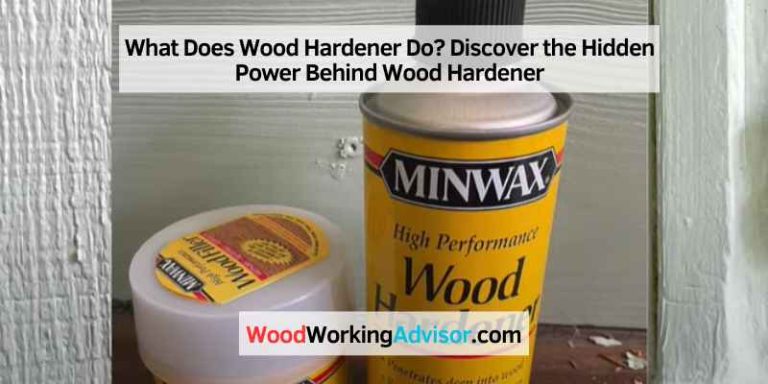
- Wood Glue: A strong adhesive for fixing loose pieces.
- Clamps: Help hold parts together while drying.
- Chisels: Useful for removing damaged wood.
- Sandpaper: Smooths the surface after repairs.
- Wood Filler: Fills gaps and cracks in the wood.
Safety should come first during repairs. Use the following safety equipment:
- Safety Glasses: Protect your eyes from dust and debris.
- Dust Mask: Prevent inhaling wood particles.
- Gloves: Protect your hands from sharp tools.
Preparation For Repair
Start by cleaning the inlay area. Use a soft cloth to remove dust and dirt. For tough stains, use a mild soap and water solution. Be gentle to avoid damaging the wood.
After cleaning, dry the area with a clean cloth. This ensures no moisture remains. Inspect the inlay carefully for any loose pieces. If you find any, apply wood glue underneath. Press the pieces down firmly.
Wipe away any excess glue with a damp cloth. Allow the glue to dry completely before moving on. This will help secure the inlay properly.
Quick Fixes For Minor Issues
Scratches on inlay wood can be annoying. To fix them, use a soft cloth and wood polish. Gently rub the scratched area until it shines. For deeper scratches, try filling them with a matching wood filler. Apply it carefully and let it dry.
Small gaps between inlays can also be fixed easily. Use wood glue to fill these gaps. Apply a small amount and press the inlay down. Clean any excess glue with a damp cloth. Once dry, sand the area lightly for a smooth finish.
Advanced Repair Techniques
Replacing inlay pieces can be tricky. First, remove the damaged inlay carefully. Use a small chisel to lift it out. Clean the area to ensure a good bond.
Choose a suitable replacement inlay that matches your furniture. Cut it to size and shape. Test the fit before gluing it in place. Use wood glue for a strong hold.
Color matching is important for a seamless look. Start by selecting the right stain color. Test the stain on a scrap piece of wood. Adjust the color until it matches your furniture.
Apply the stain evenly, using a soft cloth or brush. Allow it to dry completely. A clear finish can help protect your repair and enhance the appearance.
Finishing Touches
Sanding is crucial for a smooth finish. Use fine-grit sandpaper to gently smooth the surface. Start with a coarser grit, then move to finer grits. This helps remove imperfections and prepares the wood for polishing.
Polishing brings out the beauty of the wood. Use a soft cloth and a quality wood polish. Apply it in small amounts and buff the wood in circular motions. This enhances the shine and protects the wood.
Sealing is important for protection. Choose a good sealant suitable for inlay wood. Apply it evenly and let it dry completely. A proper seal prevents moisture damage and maintains the wood’s appearance.
Regular maintenance is essential. Wipe the wood with a soft, dry cloth. Avoid harsh chemicals that can damage the finish.
Preventive Measures And Maintenance
To keep inlay wood looking great, regular care is key. Dust it often using a soft cloth. This helps avoid scratches and keeps it clean.
Use a gentle cleaner designed for wood. Harsh chemicals can damage the finish. Always test a small area first.
Make sure to apply a protective wax every few months. This will help maintain its shine and protect against spills.
Keep the wood away from direct sunlight. Sunlight can fade colors and weaken the material over time.
Control the humidity in the room. Too much moisture can cause warping or cracking. A stable environment is best for wood.
When To Call A Professional
Some repairs are too complex for a DIY approach. Professional help is needed for intricate inlay work. These tasks require special tools and skills.
Restoring antique inlays can be particularly challenging. Experts understand the historical value of these pieces. They know how to match colors and materials precisely. This ensures a seamless restoration.
Consider hiring a professional if:
- The damage is extensive.
- Inlays are missing or broken.
- You lack the right tools.
- You feel unsure about the process.
Frequently Asked Questions
How Do I Fix Damaged Inlay Wood?
To repair damaged inlay wood, start by cleaning the area with a soft cloth. Use wood glue to reattach any loose pieces. For deeper damage, consider filling gaps with wood filler. Once dried, sand the area smooth and apply a matching finish to blend seamlessly with the surrounding wood.
What Tools Are Needed For Inlay Wood Repair?
Essential tools for inlay wood repair include a small chisel, wood glue, clamps, and sandpaper. A putty knife can help apply wood filler, while a fine brush is useful for touch-up finishes. Having a precision knife can aid in cutting any damaged sections accurately.
Can I Replace Inlay Wood Myself?
Yes, you can replace inlay wood yourself. First, assess the damage to determine if replacement is necessary. Carefully remove the damaged inlay with a chisel. Then, cut a new piece to fit and secure it with wood glue. Finish by sanding and applying the appropriate stain or varnish.
How Do I Prevent Future Inlay Wood Damage?
To prevent future inlay wood damage, maintain humidity levels in your home. Avoid placing heavy objects on delicate inlays. Regularly dust and clean the surface to prevent buildup. Finally, consider using coasters and placemats to protect against scratches and stains.
Conclusion
Repairing inlay wood can restore its beauty and extend its life. Following the steps outlined in this guide ensures a successful repair. Remember, patience and attention to detail are key. With practice, you’ll become skilled at this craft. Enjoy the process and take pride in your finished project.