How to Sand Small Grooves: Quick & Easy Techniques
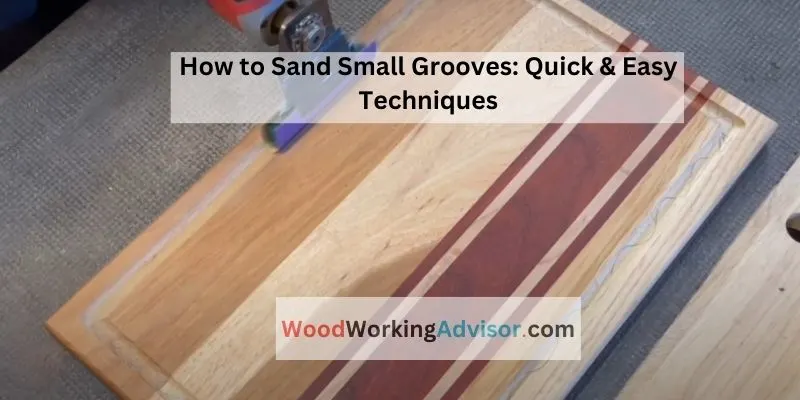
To sand small grooves, use a sanding block or detail sander with fine-grit sandpaper. Work carefully along the groove’s length to ensure an even finish.
Sanding small grooves can enhance the appearance of furniture, cabinetry, and other wooden projects. These tight spaces often collect dust and debris, which can affect the overall look. A smooth finish not only improves aesthetics but also prepares the surface for painting or staining.
Many DIY enthusiasts struggle with getting into these narrow areas. Knowing how to effectively sand these grooves can save time and effort. This guide will provide step-by-step instructions to achieve a clean, polished result. Whether you are a beginner or an experienced woodworker, mastering this technique can elevate your craftsmanship.
Introduction To Sanding Small Grooves
Precision in sanding small grooves is very important. It helps achieve a smooth finish. Small grooves can be found in many projects, from furniture to crafts. A precise sanding technique ensures that all surfaces are even.
Challenges arise with small grooves. They are often difficult to reach. Using the wrong tools can lead to uneven surfaces. A steady hand is needed to avoid damaging the surrounding areas. Choosing the right sandpaper grit is also crucial.
| Challenge | Solution |
|---|---|
| Difficult to reach | Use small sanding tools or attachments. |
| Uneven surfaces | Sand carefully and check frequently. |
| Wrong grit | Select the appropriate sandpaper for the task. |
Selecting The Right Sandpaper
Selecting the right sandpaper is crucial for achieving smooth surfaces. Grit sizes range from coarse to fine. Coarse grits remove material quickly, while fine grits polish surfaces. Use coarse grit for deep grooves and fine grit for finishing touches.
Here’s a quick overview of grit sizes:
| Grit Size | Use Case |
|---|---|
| 60-80 | Deep grooves and rough surfaces |
| 120-150 | Medium smoothing and shaping |
| 220-400 | Final sanding and polishing |
For fine detail work, wet/dry sandpaper is ideal. It helps reduce dust and improves finish quality. Choose flexible sandpaper to reach small grooves easily. A sanding sponge can also help in tight spots.
Tools For Sanding Grooves
Choosing the right tools for sanding grooves is essential. Manual tools include sandpaper and sanding blocks. These tools allow for precision and control. They are perfect for small tasks.
Power tools speed up the sanding process. Examples include orbital sanders and rotary tools. They are great for larger projects. However, they may be less precise.
Specialized sanding tools can make the job easier. Groove sanders are designed for tight spaces. Detail sanders help reach corners and curves effectively.
| Type of Tool | Advantages |
|---|---|
| Manual Tools | Precision, Control |
| Power Tools | Speed, Efficiency |
| Specialized Tools | Access to Tight Spaces |
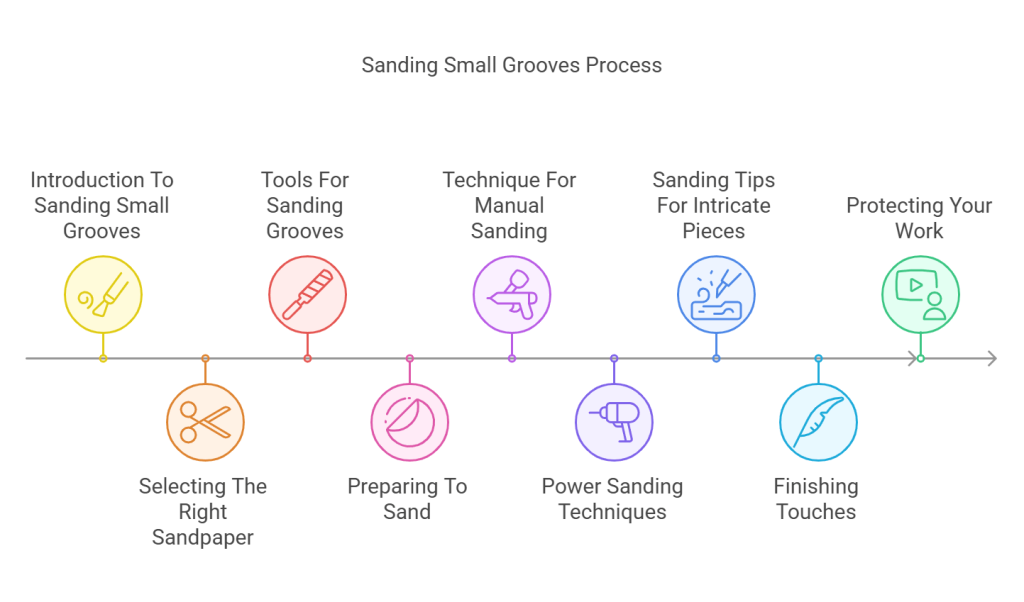
Preparing To Sand
Always wear protective gear when sanding. This includes safety goggles, a dust mask, and ear protection. These items help keep you safe from dust and noise.
Set up your workspace in a well-ventilated area. Good airflow helps reduce dust buildup. Use a drop cloth to keep the area clean. This makes cleanup easier after sanding.
Make sure to have proper lighting to see the grooves clearly. A bright light will help you spot any areas that need more attention.
Gather all your tools before starting. This includes sandpaper, a sanding block, or power sander. Having everything ready will save time and keep you focused.
Technique For Manual Sanding
For manual sanding, wrapping sandpaper on dowels is very effective. Choose a dowel that fits the groove size. Cut a piece of sandpaper, then wrap it tightly around the dowel. This method helps to reach deep grooves easily.
Using needle files is another great option for precision work. These files come in various shapes and sizes. They allow for careful sanding in small areas. Hold the file steady and apply light pressure. This ensures a smooth finish without damaging surrounding areas.
Power Sanding Techniques
Power sanding helps in reaching small grooves easily. Dremel and rotary tools are perfect for this task. They offer precision and control. Use the right attachments for different groove sizes.
Detail sanders are also great for efficient work. They fit into tight spaces well. Select sandpaper with the right grit for smooth results. Start with coarse grit, then switch to finer grit.
Use a light touch to avoid damaging the surface. Always wear safety glasses and a mask. This protects your eyes and lungs from dust. Clean the area often for better visibility.
Sanding Tips For Intricate Pieces
Sanding small grooves requires patience and precision. Use a fine-grit sandpaper for smooth results. For curved surfaces, choose a flexible sanding tool. This will help reach tight spots easily.
When working near adjacent areas, take care to avoid damage. Use painter’s tape to protect nearby surfaces. This simple step can save time and effort. Always sand gently to minimize the risk of scratches.
Finishing Touches
To achieve smoothness, start by using fine-grit sandpaper. Sand in the direction of the grooves. This helps remove any rough spots. Always check your progress often. Use a soft cloth to wipe away dust as you go.
After sanding, clean up any residual dust. A vacuum or a damp cloth works well. Make sure the surface is completely clean before applying any finish. Residual dust can ruin the final look.
Follow these simple steps for a professional finish:
- Choose the right sandpaper grit.
- Sand evenly along the grooves.
- Use a vacuum to remove dust.
- Wipe with a damp cloth.
Protecting Your Work
To protect your work, choose the right sealing and finishing options. A good sealant helps keep moisture out. This prevents damage and extends the life of your project.
Popular options include oil-based and water-based sealants. Oil-based options provide a rich finish. Water-based choices dry faster and have less odor.
For maintenance, regularly check for wear. Clean surfaces with a soft cloth. Reapply sealant every few years for best results.
Consider using a matte or glossy finish based on your style. Glossy finishes enhance color but show fingerprints. Matte finishes hide imperfections but may require more upkeep.
Frequently Asked Questions
How Do I Choose Sandpaper For Grooves?
Choosing the right sandpaper depends on the groove’s material and depth. For small grooves, use fine-grit sandpaper, typically between 120 to 220 grit. This range effectively smooths surfaces without damaging them. Always test a small area first to ensure the chosen grit suits your project.
What Tools Do I Need For Sanding Grooves?
To sand small grooves, you’ll need sandpaper, a sanding block, or a sanding sponge. A detail sander can also be useful for tight spaces. If the grooves are very narrow, consider using a specialized sanding tool. These tools help achieve a smooth finish and are easy to handle.
How Can I Sand Intricate Grooves?
For intricate grooves, use fine-grit sandpaper wrapped around a small dowel or finger sander. This allows you to reach tight spaces without damaging surrounding areas. Work slowly and apply even pressure. Regularly check your progress to ensure uniform sanding and avoid oversanding any section.
Is Sanding Grooves Necessary Before Painting?
Yes, sanding grooves is essential before painting. It helps create a smooth surface, ensuring better paint adhesion. Sanding also removes any imperfections that could show through the paint. After sanding, clean the area thoroughly to remove dust before applying your paint for the best results.
Conclusion
Sanding small grooves can enhance the appearance of your projects. Proper techniques ensure a smooth finish and prevent damage. Always choose the right tools and take your time for the best results. With practice, you’ll master this skill and achieve professional-looking surfaces.
Start sanding and elevate your craftsmanship today!