How Many Coats of Lacquer Do You Actually Need?
Two to three thin coats of lacquer are enough for most furniture and small woodworking projects; countertops and high-wear surfaces do better with four to six coats for a thicker, more durable film. Thin, even coats sanded lightly between applications always beat fewer thick coats, which are prone to drips, runs, and uneven drying.
The right number depends more on your application method and desired sheen than a fixed rule — a sprayed coat lays down thinner than a brushed one, so spraying typically needs one or two more passes to reach the same film thickness a brush achieves in fewer coats.
What Lacquer Is And How It Works
Lacquer is a fast-drying, film-forming wood finish that dries almost entirely through solvent evaporation rather than a chemical curing reaction, which is why each coat sets up so quickly (often within 20-30 minutes) compared to oil-based finishes. It creates a hard, glossy, durable surface that’s a common choice for furniture, cabinetry, and musical instruments.
Water-based lacquer has lower odor and cleans up with water, making it a common choice for indoor and smaller projects. Solvent-based (nitrocellulose) lacquer dries even faster and gives a glossier, more traditional finish, but needs real ventilation and solvent-based cleanup — it’s the type most commonly used on furniture and instruments professionally.
Best Spray Lacquer For Small Projects
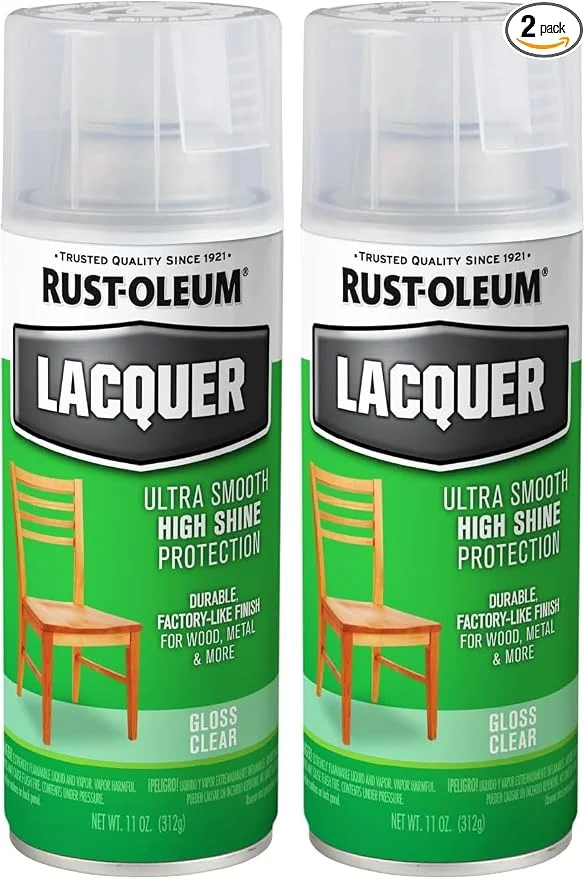 |
Rust-Oleum Lacquer Spray, Gloss Clear – $13.96 Dries to the touch in 20 minutes — a real time-saver when you’re applying multiple coats in one session.
|
Preparing The Surface
Clean the surface thoroughly with a soft cloth and mild soap, rinse, and let it dry completely — any dust or oil residue left on the wood will telegraph through the finish. Sand with progressively finer grits, working in the direction of the grain, then wipe away all sanding dust with a tack cloth before the first coat goes on.
A properly prepped, sanded surface is what actually determines how smooth the finished lacquer looks — skipping this step is a more common cause of a rough or uneven final finish than the number of coats applied.
Application Method And Tools
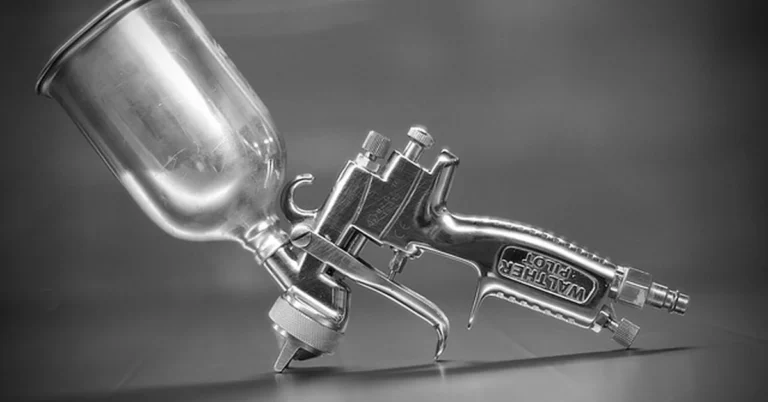
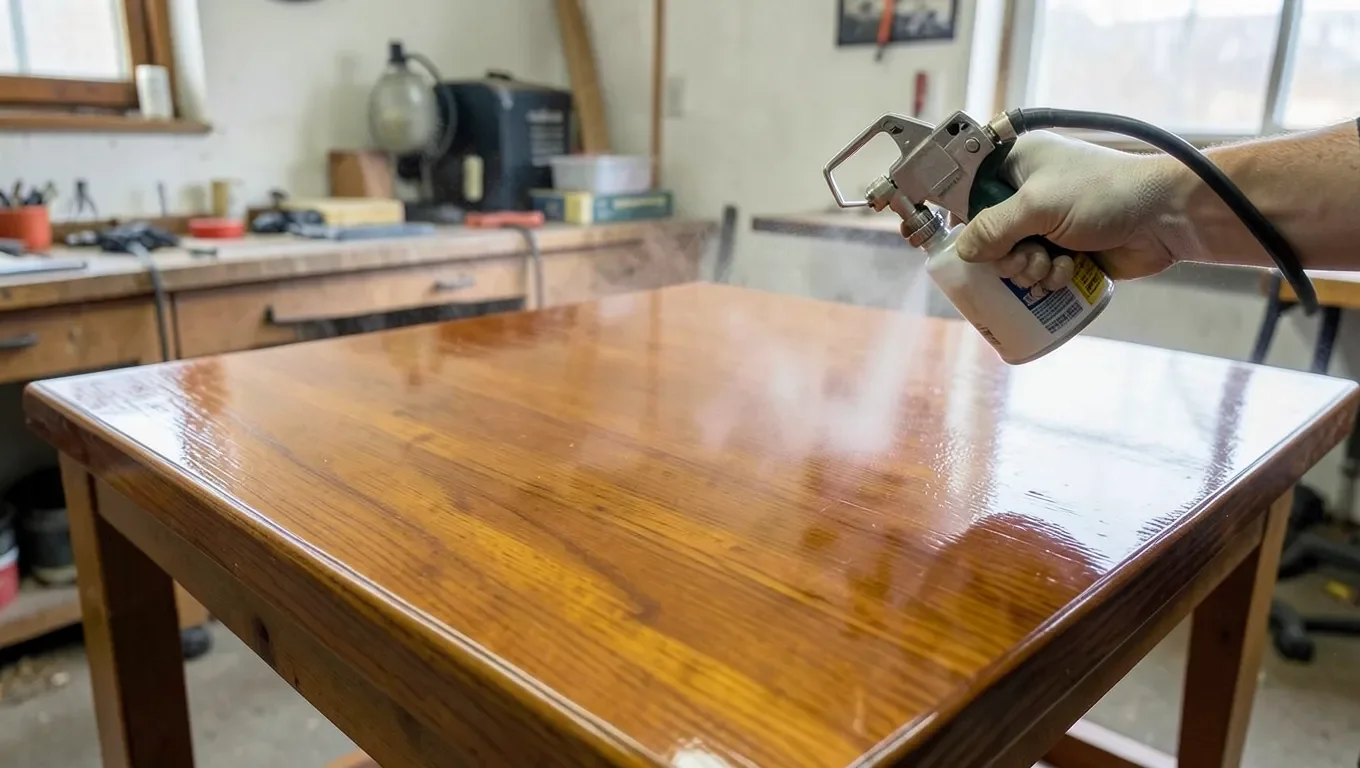
Brushes give more control for detail work and small pieces; spray guns cover large, flat surfaces faster and lay down a more even, professional-looking coat. Whichever method you use, start with a light, thin first coat rather than trying to build full thickness immediately — a thin first coat gives the lacquer something even to bond to for the coats that follow.
If brushing, use a high-quality natural-bristle brush for solvent-based lacquer (synthetic bristles can react with some solvents) and clean it immediately after use. If spraying, thin the lacquer according to the manufacturer’s instructions and test your spray pattern on scrap before working on the actual piece. For step-by-step brush and aerosol directions drawn from the Deft, Minwax and Watco data sheets, see our guide to applying lacquer to wood.
Drying And Sanding Between Coats
Most lacquers dry to the touch in 20-30 minutes, though full cure (hard enough to sand without gumming up the paper) can take longer, especially in humid conditions. Always check the specific product’s label rather than assuming a universal drying time — formulas vary.
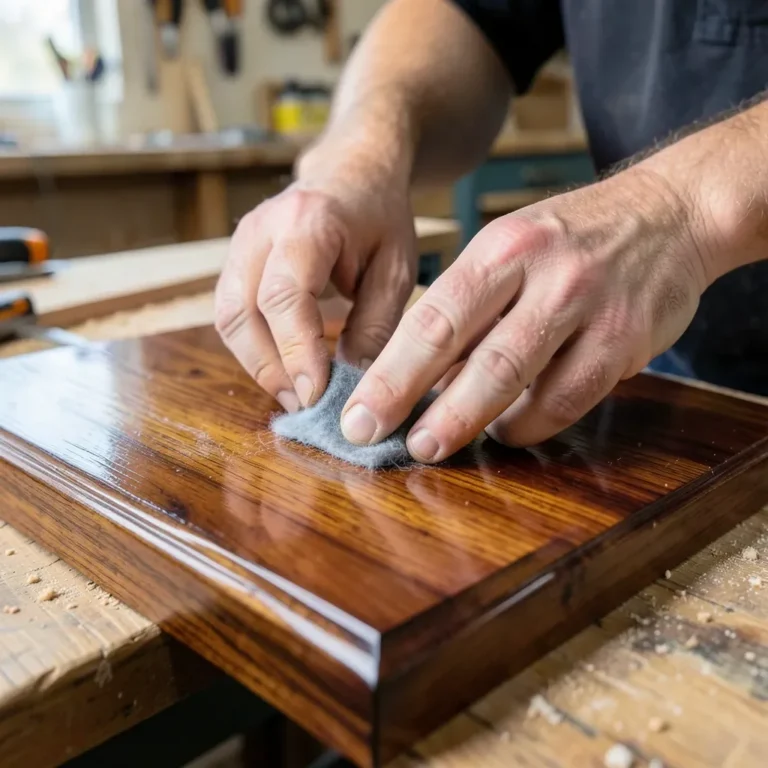
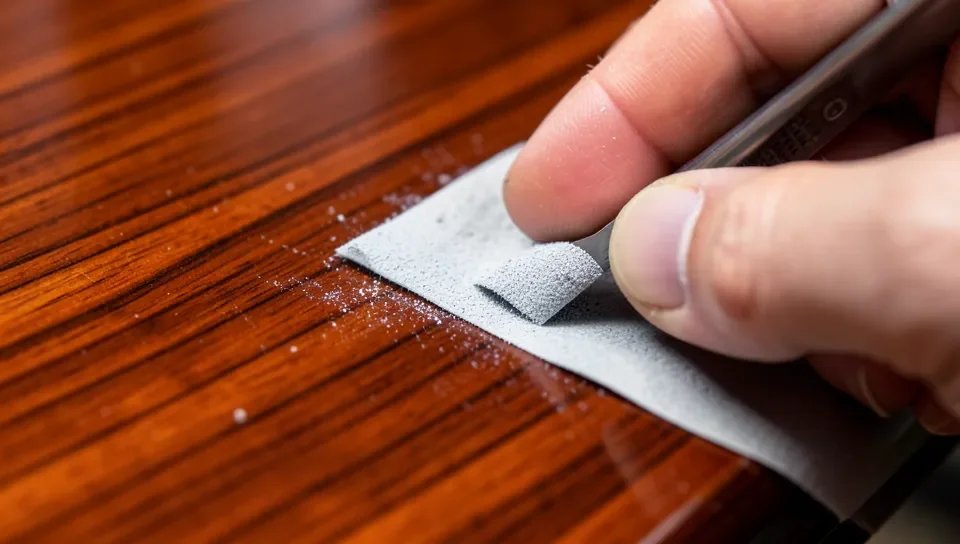
Sand lightly between coats with fine-grit sandpaper (320-grit or finer), just enough to knock down dust nibs and give the next coat something to grip — you’re not trying to remove material, just smooth the surface. Wipe away sanding dust with a tack cloth before applying the next coat.
How Many Coats You Actually Need
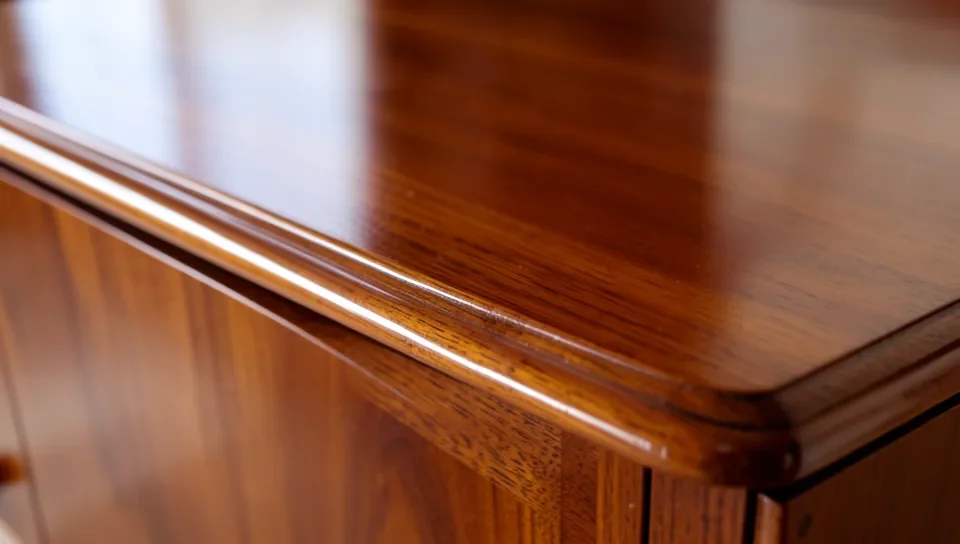
Two to three thin coats give a smooth, durable finish for most furniture and small projects. High-wear surfaces — countertops, tabletops, floors — benefit from four to six coats for a thicker protective film that holds up to daily use. More coats also deepen the gloss and shine, which is a real reason to add extras purely for appearance, not just protection.
Adding more coats than needed doesn’t just waste material — it also increases dry time and the risk of an uneven, cloudy, or overly thick film if each layer isn’t given proper time and sanding between applications. There’s a real point of diminishing returns past 5-6 coats for typical furniture use.
Common Mistakes To Avoid
Overlapping strokes unevenly is a common cause of a streaky, uneven finish — apply lacquer in straight, consistent passes rather than random back-and-forth strokes. Skipping sanding between coats is the other frequent mistake; it leaves a rougher final texture and can cause later coats to bond less securely to the ones underneath.
Applying coats too thick, too fast is the most common cause of drips, runs, and a cloudy or hazy finish (solvent trapped under a skinned-over surface). When in doubt, thinner and more coats beats fewer, heavier ones.
Frequently Asked Questions
How Many Coats Of Lacquer Is Ideal?
Two to three coats are ideal for most furniture and small projects. High-wear surfaces like countertops and tabletops benefit from four to six coats for extra durability. Always allow proper drying time between coats.
Can You Apply Lacquer Over Paint?
Yes, you can apply lacquer over paint. Ensure the paint is fully dry and lightly sanded for best adhesion, and test on an inconspicuous spot first since some lacquer solvents can react with certain paint types.
How Long Should Lacquer Dry Between Coats?
Most lacquer dries to the touch in 20-30 minutes, though this varies by product and humidity. Check the specific product’s label for its recommended recoat time rather than assuming a universal number.
Do You Need To Sand Between Lacquer Coats?
Yes, lightly sanding between coats with fine-grit sandpaper removes dust nibs and small imperfections and improves how well the next coat adheres, resulting in a smoother final finish.
Conclusion
Two to three thin, sanded coats cover most furniture and woodworking projects; countertops and high-wear surfaces do better with four to six. Surface prep and even application technique matter more to the final look than the exact coat count.
When in doubt, add one more thin coat rather than trying to stretch coverage from a single thick one — it’s the more reliable path to a smooth, durable finish.
Sponsored / affiliate links. As an Amazon Associate I earn from qualifying purchases. I may earn additional commission from eligible campaigns.
![12.25 Oz Clear Brushing Lacquer Spray Gloss [Set of 6]](https://m.media-amazon.com/images/I/41y-ntITa2L._SL500_.jpg)