How to Seal Marine Plywood: Durable Finishing Tips
To seal marine plywood, apply a high-quality marine varnish or epoxy resin evenly across all surfaces. Allow sufficient drying time between coats for maximum protection.
Marine plywood is designed to withstand moisture, making it ideal for boats and outdoor projects. However, without proper sealing, it can still suffer from water damage and rot. Sealing marine plywood enhances its durability and longevity, ensuring it performs well in harsh conditions.
The sealing process involves selecting the right materials, preparing the surface, and applying protective coatings. Understanding these steps is crucial for anyone working with marine plywood, whether for DIY projects or professional applications. This guide will walk you through effective sealing techniques to protect your marine plywood investment.
Introduction To Marine Plywood
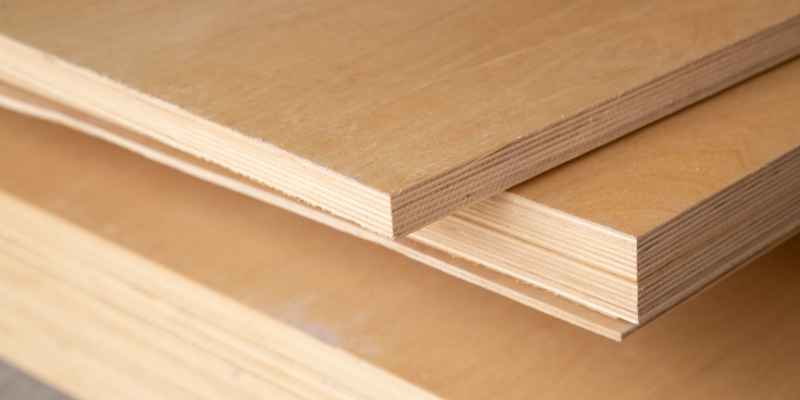
Marine plywood is specially designed for wet environments. It resists moisture, rot, and warping. This makes it ideal for boats and outdoor projects. Understanding its unique properties helps in making informed choices.
Sealing marine plywood is very important. It adds an extra layer of protection. Sealing prevents water from penetrating the wood. This helps maintain the wood’s strength and durability. Without sealing, marine plywood can deteriorate quickly.
Common sealants include:
- Epoxy – Provides a strong, waterproof barrier.
- Polyurethane – Offers flexibility and UV protection.
- Varnish – Enhances appearance while protecting.
Types Of Sealants Suitable For Marine Plywood
Epoxy sealants are great for marine plywood. They create a strong barrier against water. This sealant is resistant to rot and mold. It works well for both interior and exterior uses.
Polyurethane coatings offer excellent protection too. They are flexible and durable. These coatings resist UV rays and can withstand harsh weather. Applying them creates a shiny finish that looks good.
Both options help extend the life of marine plywood. Choosing the right sealant is important for durability.
Preparing The Plywood For Sealing
Begin by cleaning the surface of the marine plywood. Use a damp cloth to remove dust and debris. A clean surface helps the sealant stick better.
Next, sand the plywood for smoothness. Use medium-grit sandpaper to remove any rough spots. This step ensures an even application of the sealant.
After sanding, wipe away any sawdust. This prepares the plywood for the next steps in sealing. Follow these steps for the best results.
Step-by-step Sealing Process
Start by preparing the surface of the marine plywood. Clean it well to remove dust. Apply the first coat of sealer evenly. Use a brush or roller for best results. Ensure to cover all edges and corners.
After the first coat dries, sand the surface lightly. This step helps the next coat stick better. Use fine-grit sandpaper for a smooth finish. Wipe away the dust after sanding to keep it clean.
Apply the final coat of sealer. Ensure even coverage and avoid drips. Let it dry completely before using the plywood. Proper sealing protects the wood from moisture.
Tips For Even Sealant Application
Choosing the right tools is key for sealing marine plywood. Use a high-quality brush or roller for even application. A spray gun can also work well for large areas.
Make sure to have a putty knife handy. It helps smooth out any excess sealant. Sandpaper can prepare the surface for better adhesion.
Maintaining a consistent thickness is essential. Apply a thin coat, allowing it to dry before adding more. This prevents runs and drips, ensuring a smooth finish.
Check the manufacturer’s instructions for the best drying times. Use a measuring tool to keep track of the thickness. Aim for an even layer across the entire surface.
Curing Time And Conditions
Marine plywood needs proper curing time for the best results. Ideal temperature for curing is between 70°F and 90°F. Humidity levels should stay around 40% to 60%. High humidity can slow down the curing process.
After sealing, allow the plywood to cure for at least 24 to 48 hours. This ensures the sealant bonds well. Avoid using the plywood before it is completely cured. Testing the surface can help check if it is ready.
| Condition | Ideal Range |
|---|---|
| Temperature | 70°F – 90°F |
| Humidity | 40% – 60% |
| Curing Duration | 24 – 48 hours |
Maintenance Of Sealed Marine Plywood
Regular inspections of sealed marine plywood are essential. Look for signs of damage or wear. Check for cracks, peeling, or discoloration. Early detection helps prevent major issues.
Reapplication of sealant is important for longevity. It protects against moisture and UV rays. Apply sealant every 1-2 years. Follow the manufacturer’s instructions for best results. Clean the surface before applying new sealant.
Common Mistakes To Avoid
Ignoring edge sealing is a common mistake. Edges of marine plywood absorb water easily. Always seal these edges to prevent damage.
Rushing the sealing process can lead to problems. Take your time for proper application. Ensure each coat dries completely before adding another. This will provide a strong, durable finish.
Skipping these steps may result in water damage and decay. Protect your plywood by following these simple tips.
Frequently Asked Questions
How Do You Seal Marine Plywood Effectively?
To seal marine plywood effectively, start by cleaning the surface thoroughly. Apply a high-quality marine varnish or epoxy resin for waterproofing. Use a brush or roller for even coverage. Allow ample drying time between coats, typically 24 hours. This ensures maximum protection against moisture and rot.
What Is The Best Finish For Marine Plywood?
The best finish for marine plywood is a marine-grade varnish or epoxy. These finishes provide superior protection against water and UV rays. They enhance the wood’s natural beauty while ensuring durability. Choose a product specifically designed for marine applications for optimal results and longevity.
How Often Should You Reseal Marine Plywood?
You should reseal marine plywood every 1 to 3 years. Factors like exposure to moisture and sunlight can affect the sealing. Regular inspections help identify any wear or damage. Resealing ensures continuous protection against water damage and prolongs the life of the plywood.
Can I Use Regular Paint On Marine Plywood?
Using regular paint on marine plywood is not recommended. Standard paint lacks the water resistance needed for marine applications. It may peel or crack when exposed to moisture. For best results, opt for marine-specific paints or finishes designed for high humidity environments.
Conclusion
Sealing marine plywood is essential for durability and longevity. Proper sealing protects against moisture and rot. Always choose high-quality sealants for the best results. Regular maintenance will further enhance the lifespan of your plywood. By following these steps, you ensure your projects remain in top condition for years to come.