How to Straighten Warped Plywood: 5 Fixes That Work (24-48 Hrs)
Warped plywood usually straightens by wetting the concave side and pressing it flat under weight for 24–48 hours — unless the panel is painted, which needs a light mist instead of soaking. Fixing it wrong can crack the finish or split the veneer core. This guide covers water-and-weight flattening, the sun/heat method, mechanical clamping, and how to stop it from warping again.
📊 APA – The Engineered Wood Association caps shipped plywood moisture content at 16% of oven-dry weight, and recommends a 1/8-inch expansion gap at panel ends and edges. Skipping that gap is one of the most common causes of buckling and warp in sheathing and subfloor installs. — Source: Performance Panels (APA), 2026
What Causes Plywood to Warp?
Best Wood Moisture Meter Pick

General Tools MMD4E Moisture Meter – $37.70
Confirms the panel is actually dry before you cut or install it — useful right after the water-and-weight fix above, since APA caps shipped plywood at 16% moisture and re-wetting a panel that’s already flattened can bring the warp right back.
- Best for: checking a flattened sheet is dry before you reuse it
- Why we picked it: pin-type reading covers the 5–50% range this article’s warp method works within
- Main drawback: pins leave small marks — test on an offcut or hidden edge
Compare more moisture meter options
 Option 1 Klein Tools ET140 Pinless Moisture Meter – $49.97
|
 Option 2 TopTes TS-630 Digital Moisture Meter – $29.99
|
 Option 3 Mecurate Digital Pin-Type Moisture Meter – $26.58
|
As an Amazon Associate we earn from qualifying purchases.
Warp is a shape distortion that happens when moisture content differs between the two faces of a sheet, or between the veneer layers and the core. One side absorbs or loses moisture faster than the other, that side expands or shrinks, and the panel bows toward the drier face. Uneven stacking, storing plywood flat on a damp garage floor, and leaving one edge exposed to sun while the rest sits in shade all trigger the same imbalance.
- Moisture imbalance – the most common cause; one face dries or absorbs water faster than the other.
- Unbalanced construction – panels with more plies running one direction than the other resist flattening less well.
- Improper storage – sheets stored flat without support underneath, or leaned at an angle for months, sag or bow under their own weight.
- No expansion gap – installing sheets edge-to-edge with no 1/8-inch gap forces buckling as the panel picks up humidity.
Identify the Type of Warp Before You Fix It
The fix depends on the shape of the distortion. Lay the sheet on a flat floor and check which way it rocks.
- Cupping – the edges curl up (or down) across the width, so the panel rocks side to side. Almost always a moisture-imbalance warp — responds well to the water method below.
- Bowing – the curve runs along the length of the sheet. Same cause as cupping but along the long axis; the water and weight method still works.
- Twisting (winding) – one corner lifts off a flat surface while the diagonal corner stays down. This is the hardest to correct with moisture alone and often needs mechanical clamping.
- Kinks – a sharp, localized bend rather than a smooth curve, usually from being stored bent over an edge. Kinks are the most likely to need replacement if the bend doesn’t relax under weight within 48 hours.
How to Straighten Warped Plywood (Water and Weight Method)
This is the standard fix for cupping and bowing, and it works on most 1/2″ to 3/4″ sheets. Skip it on painted or finished plywood — soaking can crack the coating or delaminate the veneer; mist that side lightly instead.
- Wet the concave side: Use a sponge or garden sprayer to thoroughly wet the inward-curving face with warm water. Don’t soak the opposite (convex) side.
- Lay it flat: Set the panel concave-side-up on a flat surface — a driveway, garage floor, or two sawhorses with a flat board across them.
- Distribute even pressure: Place a flat board or sheet of MDF over the full panel so weight doesn’t concentrate on one spot.
- Add weight: Stack cinder blocks, sandbags, or heavy tools evenly across the board on top.
- Wait 24–48 hours: Check it once a day. Re-wet the concave side if it dries out before the panel has flattened.
- Let it acclimate: Once flat, let the sheet sit indoors at room humidity for a day before cutting or installing it, so both faces equalize.
If the panel doesn’t noticeably flatten within 48 hours, or the warp is severe enough that the core feels soft or delaminated, replacing the sheet is safer than continuing to force it — a deep warp can mean the internal plies have already separated.
Alternative Methods When Water Isn’t an Option
Sun or Heat Gun Method
Lay the panel concave-side-down in direct sun for 20–30 minutes, checking often — heat softens the fibers on the exposed face enough for it to relax flat. Indoors, a heat gun on low, kept moving 6–8 inches above the surface, does the same job faster but burns or scorches the veneer if it lingers in one spot.
Mechanical Clamping
For twisted panels that won’t respond to moisture alone, sandwich the sheet between two flat, rigid boards (MDF or another straight sheet of plywood works) and apply bar or pipe clamps around the perimeter. Leave it clamped for several days to a week — mechanical correction takes longer than the water method but holds up better on twisted or long-standing warps.
Kerf Cuts for Persistent Warps
On thicker stock or when the panel will be hidden (subfloor, backing, shed sheathing), cutting a series of shallow parallel kerfs across the convex side relieves internal tension and lets the sheet lay flatter under weight. This is a last resort for cosmetic surfaces since the kerfs stay visible.
Preventing Plywood From Warping Again
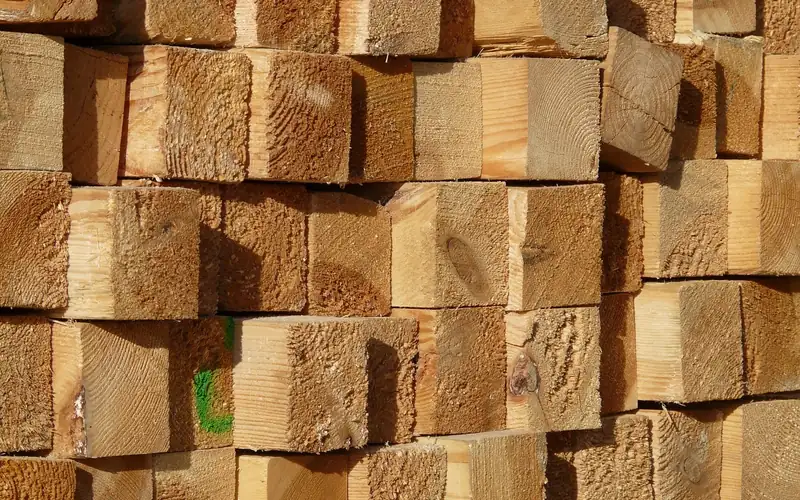
- Store it flat and supported – stack sheets horizontally on a flat rack with full-surface support, not leaned against a wall for months.
- Leave a 1/8-inch expansion gap at panel ends and edges when installing — APA’s own spacing standard, and skipping it is a leading cause of buckling.
- Match humidity on both faces – don’t seal or paint one side and leave the other bare; that imbalance is what starts most warps.
- Buy balanced-ply sheets for anything that needs to stay flat — panels with roughly equal plies running each direction resist warping better than cheaper, unbalanced constructions.
When to Replace Instead of Repair
Replace the sheet if the warp doesn’t visibly improve after 48 hours under weight, if you feel sponginess or separation between plies when you press the surface, or if it’s a kink rather than a smooth bow — kinks rarely fully relax. A panel that still won’t sit flat after a real attempt has likely delaminated internally, and forcing it into place with fasteners just telegraphs the warp back through whatever you attach it to.
Frequently Asked Questions
How can I straighten warped plywood?
Wet the concave side with warm water, lay the sheet flat, cover it with a rigid board, and stack even weight on top for 24–48 hours. For twisted panels that don’t respond to moisture, clamp the sheet between two flat boards for several days instead.
Can I use water to straighten warped plywood?
Yes, on bare or unfinished plywood. Wetting the concave side and weighting it flat while it dries gradually pulls the panel back to shape. Don’t use this method on painted or finished plywood — soaking can crack the coating or cause the veneer to delaminate; mist lightly instead.
How long does it take to straighten warped plywood?
Most cupped or bowed sheets flatten within 24–48 hours under the water-and-weight method. Twisted panels under mechanical clamps typically need several days to a week. If a sheet shows no improvement after 48 hours, the warp is likely too severe to fully correct.
Is it possible to straighten plywood without using water?
Yes. A heat gun on low, kept moving over the convex side, softens the fibers enough to relax the warp under weight. Direct sun for 20–30 minutes with the concave side down works the same way outdoors. Both are gentler options for finished plywood than soaking.
Can I straighten plywood by clamping it?
Yes. Sandwich the warped sheet between two flat, rigid boards and tighten bar or pipe clamps evenly around the edges. This method works well on twisted panels that resist the water method, though it takes longer — plan on several days to a week under clamp pressure.
Conclusion
Most warped plywood straightens with nothing more than water, weight, and 24–48 hours of patience. Save clamping for twisted panels the water method won’t touch, skip soaking anything painted, and replace sheets that show no improvement after two days — that’s usually a sign the plies have already separated. Store future sheets flat and supported, and you likely won’t need this fix again.
For the tools this process relies on, see our guide to how long to leave wood clamped, and if the edges need work after flattening, check how to straighten wood edges and how to cut plywood without splintering. If it’s a cabinet door specifically, see how to straighten a warped cabinet door. For background on the material itself, start with how plywood is made.
Sponsored / affiliate links. As an Amazon Associate I earn from qualifying purchases. I may earn additional commission from eligible campaigns.