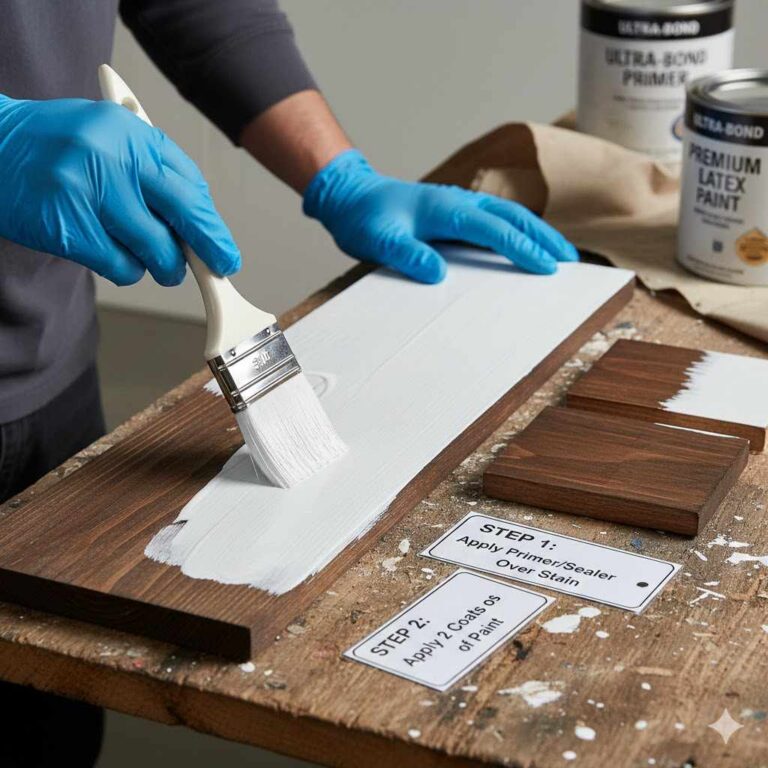
How To Stain Wood Darker: Expert Tips To Achieve a Rich and Intense Look
To stain wood darker, thoroughly clean and sand the surface, apply a dark wood stain with a brush or rag, and wipe off any excess stain. As a result, the wood will have a darker, richer color.
In contemporary interior design, darker wood finishes have become increasingly popular due to their ability to add depth and elegance to furniture, flooring, and cabinetry. Whether you want to rejuvenate an old piece of furniture or create a dramatic look in your home, staining wood darker is a relatively simple and cost-effective way to transform its appearance.
By following a few basic steps, you can achieve a beautifully stained finish that enhances the natural beauty of the wood.
Preparation
Looking to darken the stain on your wood? Follow our simple step-by-step guide for achieving a deeper, richer color. With careful preparation and attention to detail, you’ll have your wood looking beautifully dark in no time.
Preparing the wood surface is a crucial step for achieving a darker stain. By taking the time to prepare the wood correctly, you can ensure an even and professional-looking result. This section will guide you through the necessary preparation steps to follow before applying the stain.
Choosing The Right Type Of Stain
Before diving into the preparation process, it’s essential to choose the right type of stain for your project. Different stains have varying levels of opacity and colors, so consider the desired shade and the type of wood you’re working with.
When selecting a stain for a darker finish, look for those labeled as “dark” or “espresso,” as they tend to provide richer and deeper tones. Additionally, consider the stain’s base (oil-based or water-based) and whether it suits the wood type you are staining.
Preparing The Wood Surface
Now that you have chosen the appropriate stain, it’s time to prepare the wood surface to enhance the stain’s adherence and absorption. Follow these simple steps:
- Inspect the Wood: First, thoroughly examine the wood for any cracks, dents, or imperfections. Sand these areas gently to create a smooth and even surface for the stain.
- Clean the Wood: Remove any dust, debris, or previous finishes from the wood. Use a clean cloth or a brush along with a gentle wood cleaner or mineral spirits to ensure a clean and dust-free surface.
- Sand the Wood: The key to achieving an even and professional-looking stain is proper sanding. Start with a coarse-grit sandpaper to remove any roughness or old finish. Gradually work your way up to finer grits to smooth out the surface.
- Remove Sanding Residue: After sanding, clean the wood again to eliminate any sanding residue. Use a vacuum cleaner or a damp cloth to wipe away the dust, ensuring a clean and smooth surface for the stain to adhere to.
- Apply Pre-Stain Conditioner (Optional): Depending on the type of wood you are staining, you may need to apply a pre-stain conditioner. This helps promote an even stain color and prevents blotching. Follow the manufacturer’s instructions for application and drying times.
By meticulously following these preparation steps, you can ensure that your wood surface is ready for the staining process. The next section will guide you through the staining process itself, applying the darker stain to achieve the desired result.

Applying The Stain
When it comes to staining wood, applying the stain is a crucial step in achieving the desired dark and rich color. It is important to properly test the stain on a scrap piece of wood before applying it to your project to ensure the color and finish meet your expectations. Once you are satisfied with the color, you can proceed to apply the stain in coats, allowing each coat to dry before applying the next one. This ensures an even and consistent finish that brings out the natural beauty of the wood.
Testing The Stain On A Scrap Piece
Before applying the stain to your wood project, it is recommended to test it on a scrap piece of wood. This allows you to see how the stain reacts with the wood and how it will ultimately look when applied. To perform the test, simply apply a small amount of stain on the scrap piece and let it dry according to the instructions provided on the stain can. Once dry, assess whether the color is to your liking and if it matches the desired shade you want to achieve for your project. If necessary, you can make adjustments by adding more coats or choosing a different stain.
Applying The First Coat
Once you have tested the stain and are satisfied with the color, it’s time to start applying the stain to your wood project. Begin by thoroughly stirring the stain to ensure a consistent color throughout. Using a high-quality brush or cloth, apply a thin and even coat of stain in the direction of the wood grain. Make sure to spread the stain evenly to avoid any blotches or streaks. Allow the first coat to dry completely before proceeding to the next step.
Applying Additional Coats
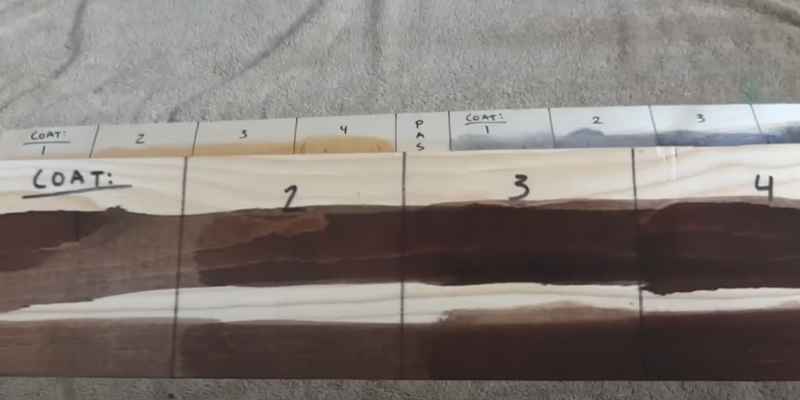
After the first coat has dried, you can apply additional coats of stain to achieve a darker shade. Apply each subsequent coat following the same method used for the first coat, making sure to cover the entire surface of the wood. Take your time and apply the stain evenly, paying close attention to any areas that may have absorbed more stain than others. This will help you achieve a uniform and professional-looking finish. Remember to let each coat dry completely before applying the next one, allowing the wood to absorb the stain effectively.
In conclusion, when staining wood darker, the application of the stain is crucial to achieve the desired outcome. By testing the stain on a scrap piece, applying the first coat evenly, and applying additional coats in a meticulous manner, you can ensure a beautiful and rich stain that brings out the best in your wood project.
Techniques For Darkening The Stain
When it comes to staining wood, there are various techniques you can use to achieve a darker, more intense color. These techniques allow you to customize the shade of the stain and create a beautifully rich finish. In this post, we will explore some effective methods for darkening the stain, including using multiple layers of stain, allowing the stain to sit for a longer duration, and sanding between coats.
Using Multiple Layers Of Stain
If you want to achieve a darker stain color, one effective technique is to apply multiple layers of stain. This allows you to build up the color gradually, achieving the desired depth. Start by applying a thin coat of stain and let it dry completely. Then, apply additional layers, making sure to let each coat dry completely before adding another. This layering technique helps to deepen the color, giving your wood a more intense and darker look.
Allowing The Stain To Sit For A Longer Duration
Another technique to darken the stain is to allow it to sit on the wood for a longer duration. After applying the stain, let it sit for the recommended time mentioned on the product label. This extra time allows the stain to penetrate deeper into the wood, resulting in a darker color. The longer you let the stain sit, the darker the final result will be. Patience is key when using this technique, but the end result is well worth it.
Sanding Between Coats
Sanding between coats is a crucial step when darkening the stain. After each coat of stain has dried, take a fine-grit sandpaper and gently sand the surface. This removes any imperfections and smoothens the wood, ensuring better adhesion and a more even application for the next coat. Sanding between coats also helps to create a consistent and deep color throughout the stained wood, enhancing the overall appearance.
By using these techniques – applying multiple layers of stain, allowing the stain to sit for a longer duration, and sanding between coats – you can achieve a darker, more intense stain on your wood. Play around with different methods to find the perfect shade for your project. With a little patience and attention to detail, you can create a beautifully dark and rich finish that enhances the natural beauty of the wood.
Finishing Touches
After successfully staining your wood to the desired darkness, it’s time to add the finishing touches to your project. These final steps will not only protect the stained wood but also enhance its overall appearance. Follow these simple yet crucial steps to achieve a professional and long-lasting finish.
Applying A Clear Finish
Once the stain has fully dried, it’s essential to apply a clear finish to seal and protect the wood. Applying a clear finish not only adds a protective layer but also enhances the richness and depth of the stain. Here’s how to apply a clear finish:
- Choose a clear finish that suits your project, such as polyurethane, lacquer, or varnish.
- Prepare the surface by lightly sanding it with fine-grit sandpaper to ensure a smooth finish.
- Apply the clear finish using a high-quality brush or sprayer, following the manufacturer’s instructions.
- Ensure even coverage by applying thin and even coats. Allow each coat to dry completely before applying the next one.
- Once you’ve achieved the desired level of protection and sheen, let the final coat dry thoroughly.
Buffing And Polishing
To elevate the appearance of your stained wood to a professional level, buffing and polishing are the final steps you should consider. These steps will help achieve a smooth and glossy finish. Follow these guidelines to achieve a showroom-worthy result:
- Use a soft, lint-free cloth or a buffing pad to gently buff the clear finish once it’s fully cured.
- Apply a small amount of wood polish onto the cloth or pad. Alternatively, you can use a polishing compound.
- In circular motions, buff the surface of the wood using light pressure. This will help remove any remaining imperfections or blemishes.
- Continue buffing until you achieve the desired level of shine and smoothness.
- Finally, wipe off any excess polish or compound, leaving behind a flawless and beautiful finish.
Congratulations! By following these steps, you’ve successfully stained your wood darker and added the necessary finishing touches. Your stained wood now boasts a deep, rich color and a protective layer that will keep it looking stunning for years to come.
Tips And Tricks
Discover effective tips and tricks for staining wood darker. Learn the best techniques and products to achieve a rich, deep color that enhances the beauty of your wooden furniture or floors.
Working In A Well-ventilated Area
Whether you are staining a small wooden craft or a larger furniture piece, it is crucial to work in a well-ventilated area. This ensures proper air circulation and reduces the risk of inhaling potentially harmful fumes. Set up your workspace in a room with open windows or use fans to increase air movement. Adequate ventilation not only keeps you safe but also helps with the drying process of the wood stain. So, before diving into your staining project, make sure you have a well-ventilated area ready to go.
Wearing Appropriate Safety Gear
Safety should always be a top priority, especially when working with chemicals like wood stain. To protect yourself from potential hazards, it is essential to wear appropriate safety gear. Be sure to use gloves to shield your hands from direct contact with the stain, as it can irritate the skin. Additionally, wearing safety goggles will help protect your eyes from any airborne particles or splashes. And don’t forget a dust mask to prevent inhaling any dust or fumes. By wearing the right safety gear, you can enjoy a worry-free staining experience while safeguarding your health.
Protecting Surrounding Areas
Before starting the wood staining process, take the time to ensure that you have adequately protected the surrounding areas. Wood stain can be messy and may easily splatter or drip onto nearby surfaces during application. Cover the floor with a drop cloth or use plastic sheets to shield it from any accidental spills or drips. You can also use painter’s tape to cover edges, corners, or any other surfaces you want to keep stain-free. By taking a few minutes to set up these protective measures, you can avoid unwanted stains and damage to your workspace.
Conclusion
To achieve a darker stain on wood, follow these step-by-step instructions for a stunning finish. By properly preparing the wood surface, choosing the right stain, and applying multiple coats with even strokes, you can achieve the desired darker shade. Remember to let each coat dry completely before moving on to the next step.
With a little patience and attention to detail, you can transform your wood project into a rich, darker masterpiece. Elevate your woodworking skills with these staining techniques!