What Wood Takes Stain Best? Ranked From Evenest to Blotchiest
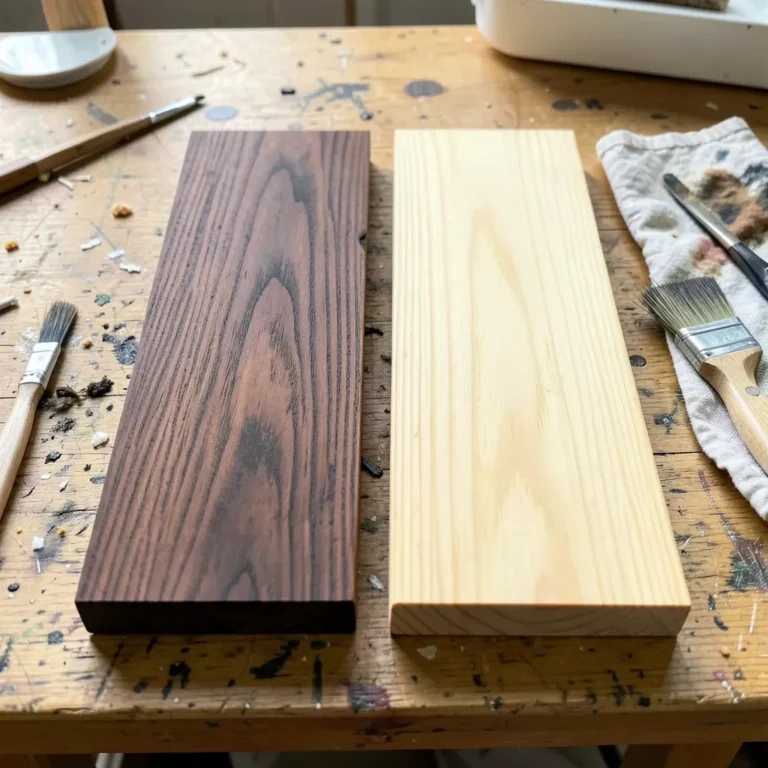
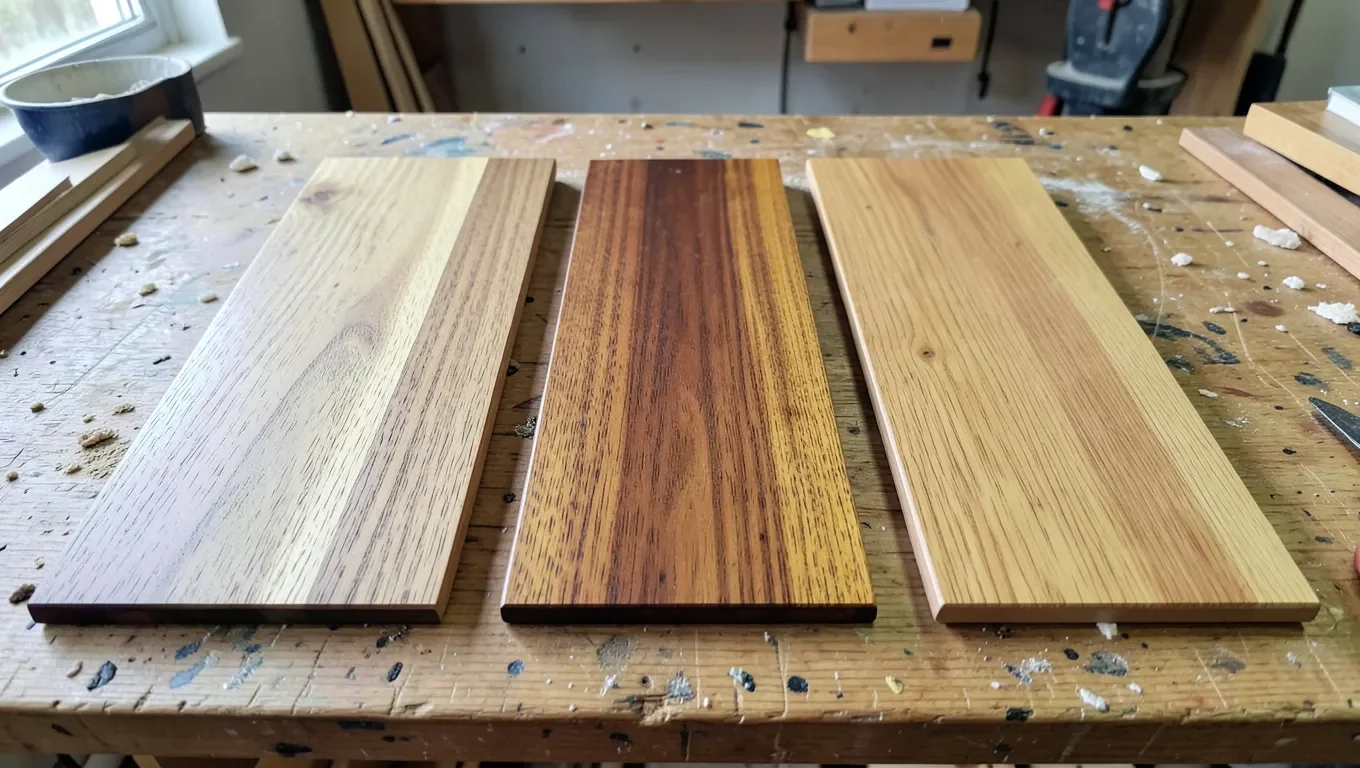
Wood species stain very differently because of grain type and density, not because one wood is universally “better.” Open, evenly structured woods like walnut, mahogany, and oak (plus poplar with a conditioner) take stain evenly on their own. Pine, maple, and birch have wide density swings within the same board, so they blotch unless you pre-treat them first.
That difference is not a myth or a coin flip. It comes down to two measurable things: how a species’ pores are arranged (ring-porous vs. diffuse-porous) and how much its density varies from one spot on a board to the next. Below is a practical breakdown of which species stain evenly out of the can, which ones need help first, and exactly what to reach for when a wood is prone to blotching.
Which Woods Need a Pre-Stain Conditioner First
Best Fix For Blotchy Stain
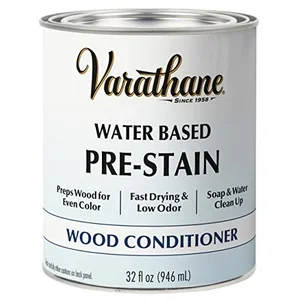 |
Varathane Pre-Stain Wood Conditioner – $18.29 Apply this before staining pine, maple, birch, or any blotch-prone wood to slow and even out absorption.
|
Not every wood on this list needs that step. The two sections below split species into the ones that take stain evenly right out of the can and the ones that need a conditioner or a gel stain to avoid a blotchy, spotted finish.
Woods That Stain Evenly Without Much Prep
Walnut is about as forgiving as stained wood gets. It’s diffuse-porous with a fairly uniform density, and its own heartwood color is already close to a medium-brown stain, so even a light coat looks rich and consistent board to board.
Mahogany has straight, consistent grain and stains evenly with almost no extra prep. It’s a common choice for fine furniture partly because it takes a deep, uniform reddish-brown tone without patchiness.
Oak is ring-porous, meaning it has large vessels concentrated in a repeating band each growing season. That pattern is bold, but it’s consistent from board to board, so stain settles into the same places every time instead of pooling randomly. The result is even, if strongly figured, color rather than blotching. Red oak and white oak both behave this way, though white oak’s pores are partly blocked by cell structures called tyloses, so it drinks slightly less stain and can come out a shade lighter than red oak from the same can.
Cherry has a fine, uniform texture that absorbs stain fairly evenly compared to pine or maple, though very dark stains can still show mild unevenness. Many woodworkers use a light hand or a gel stain on cherry, partly because its natural color deepens into a rich reddish patina on its own over time.
Poplar is closed-grain and fairly uniform in density, but it’s still soft and porous enough to drink stain unevenly on its own, especially around the greenish or purple mineral streaks it’s known for. With a pre-stain conditioner, though, it takes stain quite evenly, which is why it’s such a common paint- and stain-grade substitute for pricier hardwoods. See our full poplar staining guide for the conditioner timing that works best on it.
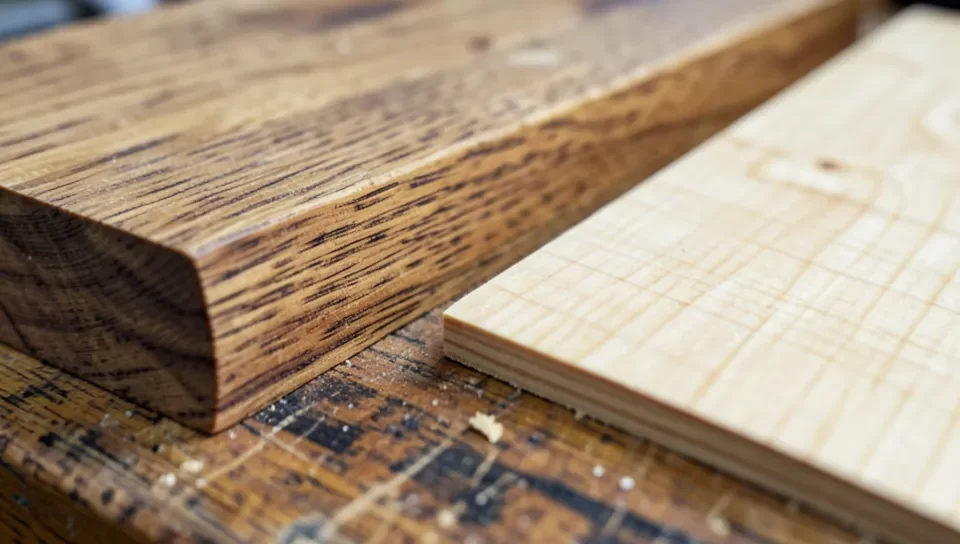
Woods That Blotch Without a Pre-Stain Conditioner
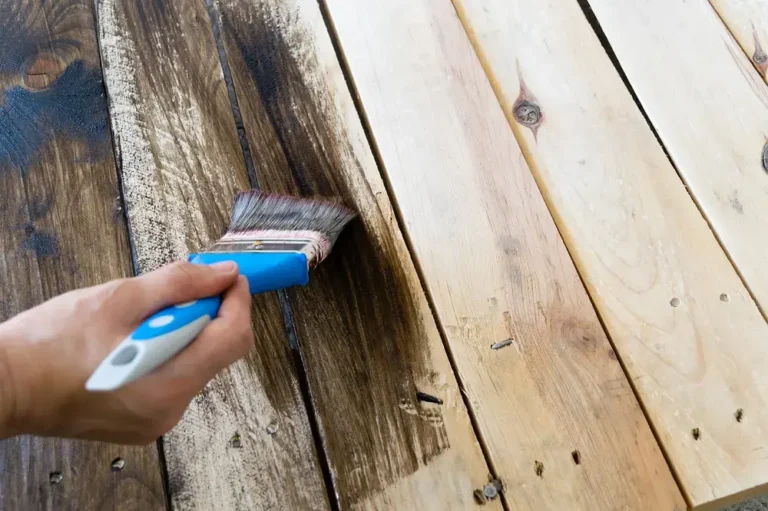
Pine is the classic blotchy softwood. Its density swings sharply between the soft earlywood and harder latewood in the same growth ring, and resin pockets absorb stain at yet another rate. Raw stain on pine almost always comes out patchy unless you condition it first.
Maple has a tight, closed grain, but its density varies noticeably from one spot on a board to the next, and even within the same board. That inconsistency is exactly what causes maple’s well-known blotching problem with oil-based stains. If you’re working with maple specifically, our maple staining guide covers the gel-stain and conditioner combination that gets a dark, even tone without the splotches.
Birch behaves a lot like maple: tight diffuse-porous grain with uneven density, so it drinks stain unpredictably. Birch plywood in particular is notorious for blotching because face veneers can vary in density sheet to sheet. A conditioner or a gel stain solves it the same way it does for maple.
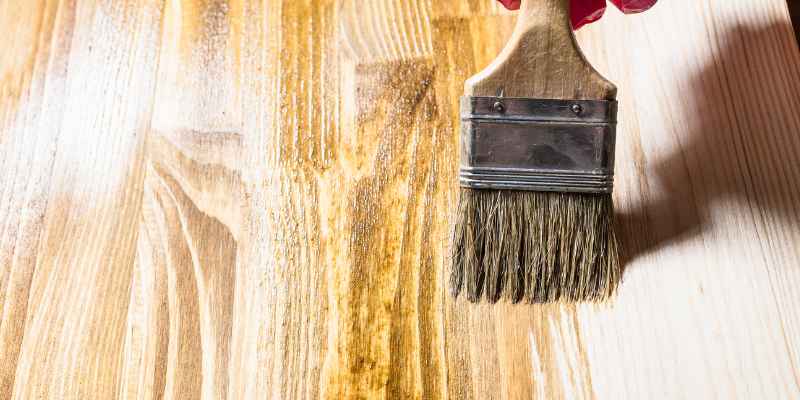
Why Grain Structure Determines Stain Absorption
Two things decide how evenly a species takes stain: pore type and density consistency. Ring-porous hardwoods like oak and mahogany concentrate their large vessels in a ring each growing season, so the grain pattern repeats consistently from board to board and stain settles into that pattern the same way every time. Diffuse-porous species spread smaller vessels evenly throughout each ring; walnut and cherry pair that even pore spacing with fairly consistent density, so they also take stain evenly.
Maple, birch, and pine are the outliers. Their density swings noticeably between earlywood and latewood, and pine adds resin pockets on top of that. Raw stain gets absorbed at different rates within inches of the same board, and that uneven absorption is what shows up as blotching once the stain dries.
How To Prep Any Wood So Stain Goes On Evenly
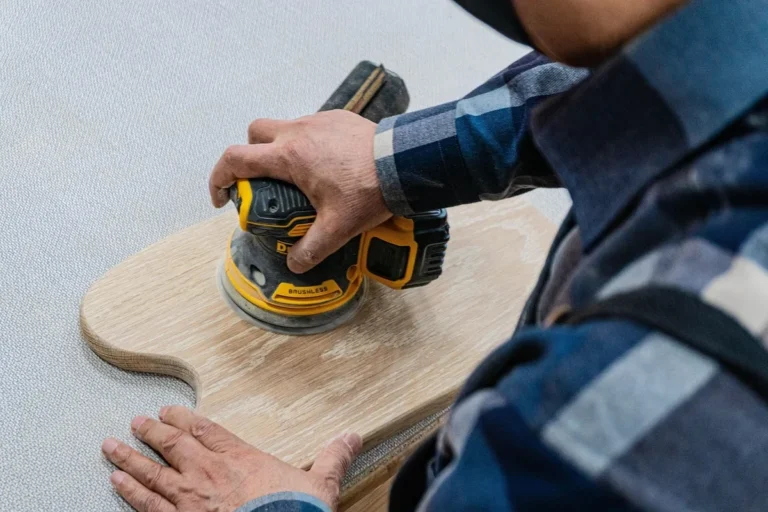
Start by sanding with 120-grit, then 220-grit, always moving with the grain. Skipping grits or sanding across the grain leaves scratches that trap stain and show up as dark lines once you’re done. Wipe the surface with a tack cloth or a barely damp rag to pull off dust before you condition or stain.
On blotch-prone woods, apply a pre-stain conditioner and let it sit for the time the label specifies, usually 5 to 15 minutes, then wipe off the excess before it fully dries. Applying stain over a conditioner that’s already dried hard will block absorption instead of evening it out, so timing matters more than most people expect.
Always test on an offcut from the actual board you’re using, not a random scrap of a different species, since even boards from the same tree can vary. That test piece tells you whether you need a conditioner at all, and how the final color will actually look before you commit to the real project.
One detail most guides skip: end grain absorbs stain far faster than face grain on every species, not just the blotch-prone ones. The exposed cell ends soak up far more liquid, so tabletop edges, the ends of a shelf, or any exposed end grain on a project will come out noticeably darker than the flat faces unless you seal them first with a lighter coat of conditioner or a thin coat of shellac. On a species like walnut that otherwise needs no prep at all, that end-grain darkening is often the only blotching you’ll actually see.
Pre-Stain Conditioner vs. Gel Stain: Which Fixes Blotching Better
A pre-stain conditioner works by partially sealing the wood’s pores before you apply stain, so the stain can’t be absorbed unevenly in the first place. It’s applied first, as a separate step, and needs to be wiped off before it fully dries.
A gel stain takes a different approach: instead of soaking into the wood, it sits more on the surface, like a thick, pigmented film. That makes it far more forgiving on blotch-prone woods because it doesn’t rely on even absorption to look even. Gel stain is also the better choice on vertical surfaces, since it won’t run or drip the way a thin liquid stain can.
For maple, birch, or pine, either approach works. Use a conditioner if you want the stain to actually penetrate the wood for a traditional look, or use a gel stain if you want a more foolproof, film-forming finish with less risk of blotching even if your prep isn’t perfect.
Frequently Asked Questions
Which wood takes stain most evenly?
Walnut, mahogany, and oak take stain the most evenly with little to no prep. Walnut and mahogany have consistent density and grain, while oak’s ring-porous structure absorbs stain in a repeating, predictable pattern rather than randomly.
Which woods are most likely to blotch when stained?
Pine, maple, and birch blotch most often. All three have density that varies noticeably within the same board, so raw stain gets absorbed unevenly unless you use a pre-stain conditioner or gel stain first.
Do I need a pre-stain conditioner on every wood?
No. Walnut, mahogany, and oak generally don’t need one. Poplar benefits from a conditioner because of its mineral streaks, and pine, maple, and birch need one almost every time to avoid blotching.
Is gel stain better than a pre-stain conditioner for blotchy wood?
Neither is strictly better; they solve blotching differently. A conditioner partially seals the wood so raw stain absorbs more evenly, while gel stain sits closer to the surface like a film, which makes it more forgiving even when a wood’s density varies a lot from spot to spot.
Conclusion
Which wood takes stain best comes down to grain type and density consistency, not luck. Walnut, mahogany, and oak stain evenly with minimal prep. Poplar needs a conditioner because of its mineral streaks, and pine, maple, and birch need a pre-stain conditioner or gel stain almost every time to avoid blotching. Test on an offcut first, condition when the species calls for it, and the color you get will match what you were picturing.
Sponsored / affiliate links. As an Amazon Associate I earn from qualifying purchases. I may earn additional commission from eligible campaigns.