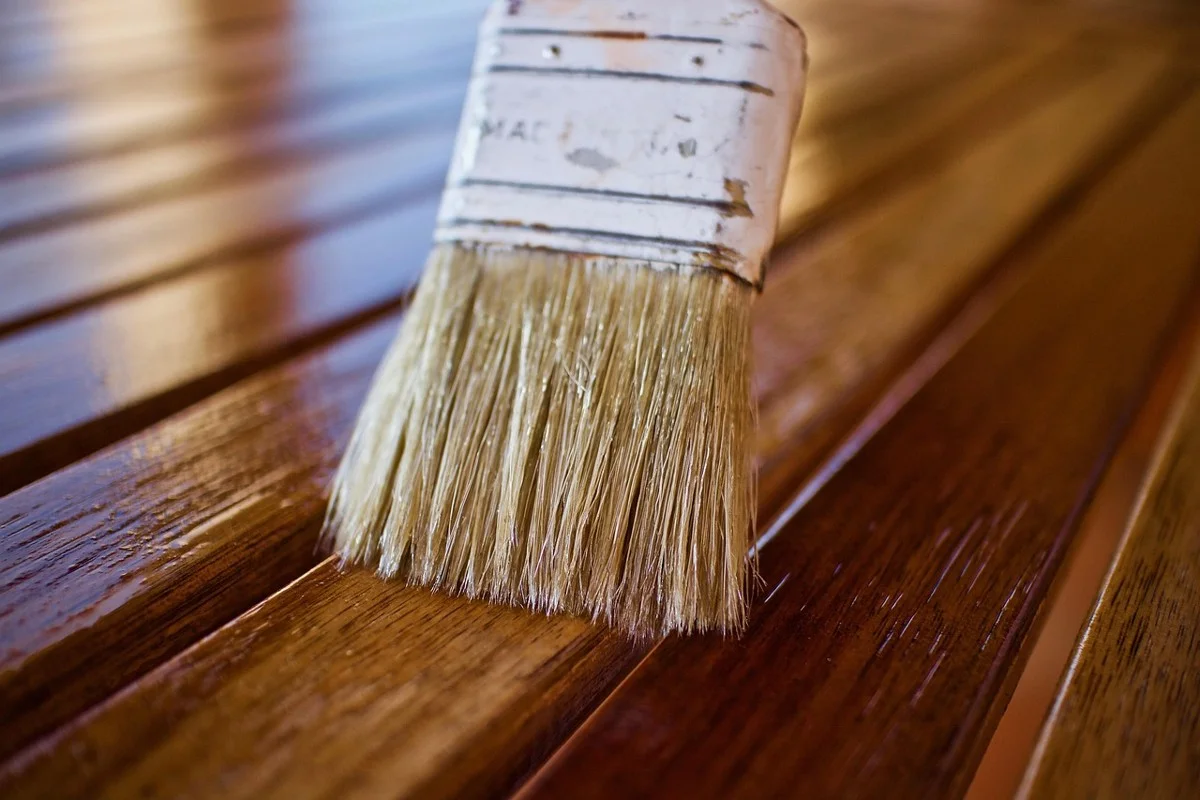
What Kind of Rag to Use for Staining Wood (Plus Safe Disposal)
Use a soft, low-lint cotton rag to stain wood, ideally an old T-shirt or a knit cotton square about 12 to 17 inches across, and keep a second clean cloth for wiping off. Cheesecloth and microfiber are reasonable alternatives for specific jobs, but rags soaked in oil-based stain can heat up and ignite on their own if piled up while they dry.
The wrong cloth leaves lint in the finish or a blotchy tone, and the wrong disposal habit can start a fire in a garage. This guide compares the common rag materials, shows which one fits the wipe-on and wipe-off steps, explains the one disposal rule that matters, and covers what to do with the rags afterward. For the full stain process, see our how to stain wood guide.
Which Rag Works Best for Staining Wood
Best Cotton Staining Rag Pick
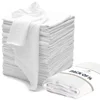 |
VALENGO Lint Free Rags, 100% Cotton T-Shirt Cloths, 17×17 in, Pack of 14 Jersey-knit cotton squares sold for staining wood, in a size that folds into a wipe-on pad and a separate wipe-off pad.
|
As an Amazon Associate we earn from qualifying purchases.
Finishers are not unanimous, and that is useful to know. In a long-running Woodweb finishing thread, contributors recommended thick cotton cut into 12 by 12 inch squares, old white cotton socks, cellulose shop wipes such as WypAll, and terry-cloth sponges for hand application. One used cheesecloth to wipe stain on and T-shirt rags to wipe it off. The common thread is soft, absorbent, and not linty. Source: Woodweb, Wiping Stain Rags.
Rag Materials Compared for Staining
No independent lab has ranked these cloths, so the table below summarizes what finishers report in the sources linked on this page, plus basic handling cautions. It is not a set of test scores. Use it to match the cloth to the step.
| Material | Best used for | Watch out for |
|---|---|---|
| Cotton T-shirt or jersey knit | Both wipe-on and wipe-off | Wash old shirts first and cut off seams, buttons and printed graphics |
| Thick cotton squares (about 12 x 12 in) | General wiping; one contributor preferred them over T-shirt knit | Frayed edges can shed threads, so trim them |
| Cheesecloth | Wipe-on in thin coats (one Woodweb contributor’s method) | Open weave can leave threads on rough or fuzzy wood; test on a scrap |
| Cellulose shop wipes (WypAll type) | Fast wiping when you want to throw the cloth away | Single-use in practice, so the wet-rag disposal rules still apply |
| Microfiber | Removing excess stain from a smooth surface | Holds a lot of liquid, so it can lift stain unevenly on open grain |
| Paper towels | Small touch-ups only | Weaken when wet and can leave fragments in a wet finish |
| Terry cloth | Rubbing stain into bare wood by hand | Loops can catch on splinters and leave loose fibers |
The wipe-on and wipe-off split matters more than the fabric name. Trimaco, a maker of painter’s rags, says excess stain that is not wiped off will fail to absorb and turn into a sticky, shiny mess, so the second, drier cloth does real work. Source: Trimaco, wiping stain with a cloth.
The Lint-Free Label Is Not a Guarantee
This is the angle most rag lists skip. In the Woodweb thread above, one finisher reported that rags sold as lint-free were not free of lint or any better than plain cotton. A tag is a marketing claim, not a standard. What you can control is preparation:
- Wash new cloths once so loose fibers come out before the cloth touches the project. This is a common-sense precaution, not something the sources above test.
- Cut off hems, seams and prints on T-shirt rags. Loose stitching and printed areas do not absorb evenly.
- Pre-wipe the bare wood with a dry cloth or tack cloth so the stain cloth does not drag sanding dust across the grain.
- Test on a scrap board from the same lumber. Ten seconds on a scrap tells you more than any label.
How to Use a Rag to Apply and Wipe Off Stain
- Fold a wipe-on pad from one clean cloth so you have a smooth, unfrayed face. Keep a second folded pad dry for wiping off.
- Load the pad, not the wood. Wet the pad from the can and wipe stain onto the wood in the direction of the grain.
- Work in sections small enough to wipe off before the stain starts to dry. Feather the pad into the wet edge of the last section to avoid dark overlap lines, as Trimaco advises.
- Wipe off excess with the dry pad, again with the grain, and swap to a fresh face of the cloth as it fills.
- Handle the used cloths correctly (see the safety section below) before you start on the topcoat.
For corners and carvings, some finishers brush the stain in and wipe the flat areas with a cloth right after, a two-tool approach Trimaco also describes. If you are still choosing between stain and dye, our dye vs stain comparison covers how each behaves on the grain.
Microfiber, Cheesecloth and Paper Towels: When They Make Sense

Microfiber is absorbent, which is good for lifting excess stain off a smooth surface but can pull stain back out of open-grain wood if you press hard. We cover it in depth in can you use a microfiber cloth to stain wood. Cheesecloth’s open weave spreads a thin coat, but it can leave threads on rough wood, so keep it for smooth, well-sanded surfaces. Paper towels are the weakest option for a job where stain sits wet on the surface, because the paper breaks down and the fragments can end up in the finish.
Fire Safety: What Happens to Oil-Soaked Rags
This is a real fire hazard, not boilerplate. The Cambridge, Massachusetts Fire Department warns that rags used with natural oil paints, varnishes, stains and turpentine release heat as they dry, and if they are packed closely together they can smolder and ignite. Left in a pile, or thrown into a box with little ventilation, they can release heat on their own. Source: Cambridge Fire Department.
The San Rafael, California fire department tells homeowners to assume that all paints, stains and oils used will spontaneously combust, and to follow the manufacturer’s disposal guidelines. Its listed options are to place the materials in a metal container with a tight top, lay them out flat on the ground to dry away from structures, or soak them in a bucket of water and then lay them out. Source: City of San Rafael, oily rags.
Freetown, Massachusetts gives a stepwise version for occasional users: let the rags dry completely outdoors and separated from each other, put the dried rags in a small airtight metal container such as an old metal paint can, cover them with water mixed with an oil-breakdown detergent, and take the sealed container to a household hazardous waste collection event. Frequent users are pointed to a listed oily-waste container emptied by a licensed contractor. Source: Town of Freetown, safe disposal of oily rags.
| Do | Do not |
|---|---|
| Lay used rags flat and separated, outdoors, away from buildings | Ball rags up, stack them or leave them in a heap |
| Or put them in a metal container with a tight lid, under water | Toss them in an indoor trash can or laundry hamper |
| Check the stain can’s label and your local hazardous waste rules | Assume rags from a can you have never read are harmless |
| Follow the disposal steps above even for one small rag | Put wet rags in a plastic bag |
Our stain safety page, is wood stain flammable, goes deeper on the chemistry and container choices. If you are clearing out leftover cans as well, read how to dispose of wood stain and paint.
How Long Do Stain Rags Take to Dry?
Drying time depends on the product, temperature, and how thinly the cloth is spread. In the Woodweb thread, one contributor said professional stains dry in about a day while a consumer brand such as Minwax may need two to three days. That is one person’s report, not a manufacturer spec, so use the label on your can and treat any rag as unsafe until it is completely dry and stiff.
Cleaning and Reusing Stain Rags
Rags used with water-based stain can usually be rinsed and reused for the same stain color. Cloths that held oil-based stain are a different matter: because the fire risk sits in the oil residue, do not run them through a washer or dryer while wet, and let them air-dry flat outdoors first. At a few dollars per dozen, most people are better off treating oil-stain rags as single-use and disposing of them the way the fire-department guidance above describes.
If your problem is a stained brush rather than a rag, see how to clean wood stain off a brush. If you are applying a conditioner first, read can I apply wood conditioner after stain.
Frequently Asked Questions
What kind of rag is best for staining wood?
A soft, absorbent, low-lint cotton cloth is the safest all-round choice. Old cotton T-shirts, cotton jersey squares and thick cotton rags are the materials finishers most often recommend, and cheesecloth is used by some for the wipe-on pass. Whatever you choose, test it on a scrap board first.
Can I use paper towels to apply stain?
You can in a pinch for wiping off, but paper breaks down when it is wet and can leave bits behind in a wet finish. Cotton cloth or a cellulose shop wipe holds together better, and shop-wipe products are used by finishers for exactly this job.
Are rags that say lint-free really lint-free?
Not always. One finisher in a Woodweb thread found that rags marketed as lint-free were no better than ordinary cotton rags. Treat the label as a starting point and shake out and pre-wipe any new cloth.
How do I dispose of rags soaked in oil-based stain?
Never leave them balled up in a pile, box or trash can. Fire departments advise laying them flat outdoors, away from buildings, until they are fully dry, or soaking them in water in a metal container with a tight lid. Then follow your local household hazardous waste rules and the stain manufacturer’s label.
Can I wash and reuse stain rags?
Rags used with water-based stain can usually be rinsed and reused. Rags with oil-based stain should not go into a washer or dryer while wet, because the oil residue is the fire risk. Let them dry flat outdoors first, and treat heavily stained ones as single-use.
Final Thoughts
Pick a soft cotton rag, keep a dry one for wiping off, test on a scrap, and never let oil-soaked cloth sit in a pile. That single habit, laying rags flat outdoors or sealing them under water in metal, is what separates a clean finish from a garage fire.
Sponsored / affiliate links. As an Amazon Associate I earn from qualifying purchases. I may earn additional commission from eligible campaigns.
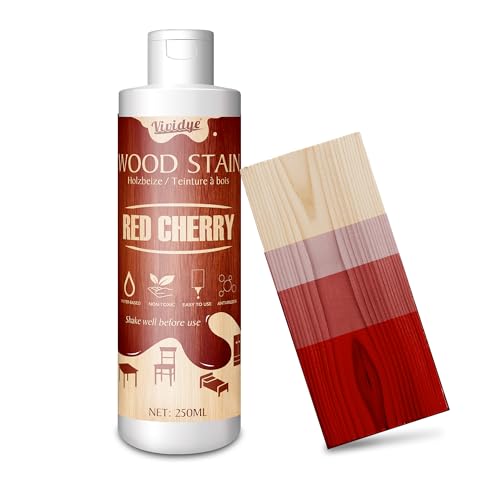 Wood Stain, 8.5oz/250ml Water Based Wood Stain for Indoor and Outdoor Furniture, Cabinet, Door, Trim and More - Fast Drying, Low Odor&Non-Toxic, Easy to Apply, Multiple Finishes (Red Cherry)
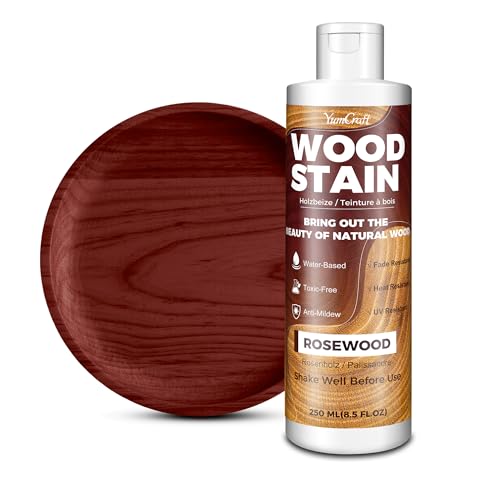 Water Based Wood Stain 8.5oz/250ml, Matte Fast Drying Stain & Varnish, Low Odor Non-Toxic Indoor Outdoor Wood Paint for Furniture, Cabinet, Door, Window, Wardrobe, Paneling, Trim & Multiple Finishes