How to Start a Craftsman Chainsaw: Quick & Easy Guide
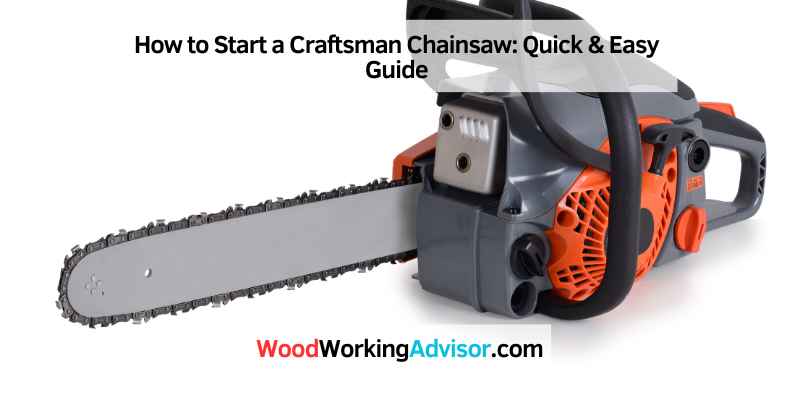
To start a Craftsman chainsaw, first, make sure you have the necessary safety gear and tools. Then, follow the manufacturer’s instructions for fueling and starting the chainsaw.
Craftsman chainsaws are reliable and powerful tools for cutting trees, pruning branches, and shaping wood. Before you start using your chainsaw, it is essential to familiarize yourself with the safety precautions and follow the manufacturer’s instructions. Proper usage and maintenance will ensure that your chainsaw lasts longer and performs efficiently.
We will guide you on how to start a Craftsman chainsaw, step by step. We will also provide some tips on how to maintain your chainsaw and troubleshoot common problems. So, let’s get started!
Introduction To Chainsaw Basics
To kickstart a Craftsman Chainsaw, begin by engaging the chain brake and pushing the primer bulb. Then, set the choke to the “Full” position before pulling the starter rope until the engine fires up. Remember to swiftly move the choke to “Half” to keep the chainsaw running smoothly.
Chainsaws are versatile tools that can be used for a wide range of tasks, such as cutting firewood, pruning trees, and trimming bushes. However, operating a chainsaw can be dangerous if proper safety precautions are not taken. In this article, we will discuss the basics of starting a Craftsman chainsaw, including essential chainsaw terminology and safety measures you need to take before using your chainsaw.
Safety First: Preparing To Use Your Chainsaw
Before starting your chainsaw, it is crucial to take necessary safety precautions to prevent accidents or injuries. Here are a few essential safety tips to keep in mind:
- Wear protective gear, including gloves, eye and ear protection, and sturdy boots.
- Check the chainsaw for any damage or wear and tear, including the chain, bar, and sprocket.
- Ensure that the chain brake is engaged before starting the chainsaw.
- Clear the area where you will be using the chainsaw of any obstacles, such as rocks or debris.
Essential Chainsaw Terminology
Before you start using your chainsaw, it is crucial to understand some basic chainsaw terminology. Here are a few essential terms to help you get started:
| Term | Definition |
| Bar | The long, flat piece of metal on which the chain moves. |
| Chain | The loop of teeth that spins around the bar to cut wood. |
| Choke | A setting that increases the amount of fuel in the engine during startup. |
| Throttle | The lever that controls the speed of the chainsaw. |
| Chain Brake | A safety feature that stops the chain from moving. |
By understanding these basic terms and taking necessary safety precautions, you can safely start your Craftsman chainsaw and tackle any outdoor project with confidence.
Selecting The Right Craftsman Chainsaw
Factors To Consider When Choosing A Chainsaw
Power: Ensure it matches your cutting needs.
Bar Length: Select based on the size of wood you will be cutting.
Weight: Choose a comfortable weight for extended use.
Benefits Of Craftsman Chainsaws
Reliability: Known for durability and long-lasting performance.
Performance: Provides smooth cutting experience with power.
Warranty: Offers peace of mind with a reliable warranty.
Pre-start Safety Inspection
Before starting a Craftsman chainsaw, it’s crucial to conduct a pre-start safety inspection to ensure everything is in proper working order. This inspection involves checking the chain tension, ensuring proper fuel and oil levels, and examining the overall condition of the chainsaw. These steps are essential for the safe and efficient operation of the tool.
Checking The Chain Tension
Proper chain tension is vital for safe chainsaw operation. Loose chains can derail or kick back, posing significant danger to the user. Inspect the tension by pulling the chain away from the guide bar to ensure it moves freely but does not sag. Use the appropriate tool to adjust the tension as needed, following the manufacturer’s guidelines.
Ensuring Proper Fuel And Oil Levels
Before starting the chainsaw, it’s important to ensure that adequate fuel and bar and chain oil are present. Running the chainsaw without sufficient lubrication can cause damage to the engine and the chain. Check the fuel level visually and inspect the oil reservoir to confirm it’s filled to the recommended level. Refill if necessary, using the specified oils for the chainsaw.
The Starting Process

To start a Craftsman chainsaw, first, ensure the chain brake is engaged for safety. Then, push the primer bulb several times, set the choke to the ‘full’ position, and pull the starter rope until the engine ignites. Adjust the choke and throttle to begin cutting efficiently.
Positioning Your Chainsaw
Before starting your Craftsman chainsaw, it’s important to position it correctly to ensure safe and efficient operation. Begin by placing the chainsaw on a stable surface, such as a workbench or the ground, ensuring that the chain does not come into contact with anything. Make sure the chain brake is engaged by pulling it towards the front handle until you hear a click.
Priming The Engine
Next, you’ll need to prime the engine to ensure a smooth start. Locate the primer bulb, usually located on the side of the chainsaw near the fuel tank. Press and release the bulb several times, ensuring it fills with fuel. This process helps to draw fuel into the carburetor, making it easier to start the engine.
Using The Choke
The choke is a crucial component in starting your Craftsman chainsaw. Locate the choke lever, typically found near the air filter cover or on the side of the chainsaw. Move the lever to the “choke” or “cold start” position. This setting restricts the amount of air entering the carburetor, enriching the fuel mixture and making it easier to start the engine.
Once the choke is engaged, firmly grip the chainsaw handles with both hands, ensuring a secure grip. Place your left foot through the rear handle, allowing you to stabilize the chainsaw while starting it.
With the chainsaw properly positioned, primed, and the choke engaged, it’s time to pull the starter rope. Give it a firm, quick pull to start the engine. If the engine doesn’t start on the first attempt, repeat the process until it does.
Once the engine has started, you can disengage the choke by moving the lever to the “run” or “warm start” position. Give the chainsaw a few moments to warm up before beginning any cutting tasks.
Remember, safety is paramount when starting a chainsaw. Always wear protective gear, such as gloves, goggles, and ear protection. Familiarize yourself with the manufacturer’s instructions and follow proper chainsaw handling techniques.
The Actual Start
Pulling The Starter Cord
Before starting your Craftsman chainsaw, ensure that the chain brake is engaged and that the saw is placed on a flat surface. Hold the front handle with your left hand and place your right foot through the rear handle for stability. Pull the starter cord firmly to engage the engine. If the engine doesn’t start after a few pulls, refer to the troubleshooting steps below.
What To Do If The Chainsaw Doesn’t Start
- Check the fuel level and refill if necessary.
- Inspect the spark plug for signs of wear or damage, and replace if needed.
- Clean the air filter to ensure proper airflow to the engine.
- Examine the fuel filter and replace it if clogged or dirty.
- Ensure the on/off switch is in the “on” position.
Post-start Checks
Once you have successfully started your Craftsman chainsaw, it is important to perform a few checks to ensure everything is in working order before you begin your cutting tasks. These post-start checks will help maintain the performance and safety of your chainsaw. Let’s take a closer look at some essential checks you should perform.
Idle Speed Adjustment
Proper idle speed adjustment is crucial for the smooth operation of your Craftsman chainsaw. To adjust the idle speed:
- Let the chainsaw run for a couple of minutes to warm up.
- Locate the idle speed adjustment screw on the chainsaw’s carburetor.
- Using a screwdriver, turn the idle speed adjustment screw clockwise to increase the idle speed or counterclockwise to decrease it.
- Keep adjusting the screw until the chainsaw idles smoothly without the chain moving.
Remember to check the manufacturer’s instructions for the specific idle speed range recommended for your chainsaw model.
Chain Brake Test
The chain brake is an essential safety feature that helps prevent accidents while operating a chainsaw. To test the chain brake:
- Ensure the chainsaw is fully assembled and the engine is off.
- Hold the chainsaw firmly with one hand on the rear handle and the other on the front handle.
- With your forearm positioned on the front handle, apply pressure to activate the chain brake.
- The chain should come to an immediate stop when the chain brake is engaged.
If the chain does not stop or there is any issue with the chain brake, do not use the chainsaw and consult a professional for assistance.
Performing these post-start checks will help keep your Craftsman chainsaw running smoothly and ensure your safety while operating it. Remember to always follow the manufacturer’s instructions and guidelines for your specific chainsaw model.
Maintenance Tips For Longevity
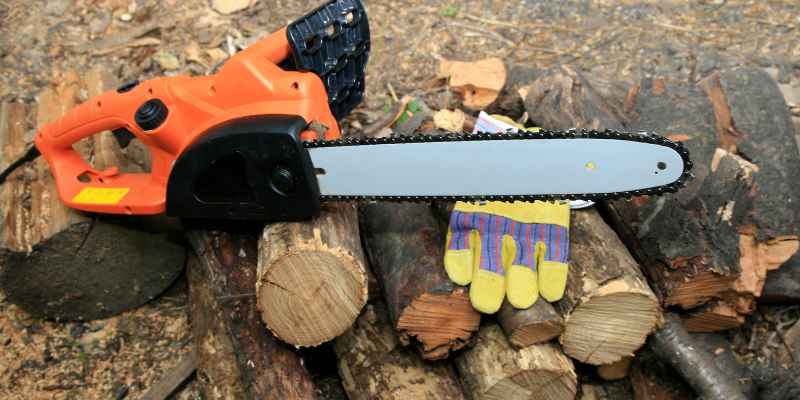
Proper maintenance is key to ensuring a long lifespan for your Craftsman chainsaw. By following these maintenance tips, you can keep your chainsaw running smoothly for years to come.
Regular Cleaning
- Remove debris after each use
- Clean air filters every 5 hours of use
- Inspect spark plug regularly
Chain Sharpening Techniques
- Use a round file for sharpening
- Maintain proper cutting angles
- Check chain tension before sharpening
Storing Your Chainsaw Properly
- Empty fuel tank before storage
- Store in a dry and cool place
- Use a cover to protect from dust
Troubleshooting Common Issues
Starting a Craftsman chainsaw can be a daunting task if you encounter common issues. This troubleshooting guide provides step-by-step instructions to help you start your chainsaw smoothly and efficiently. From checking the fuel and oil levels to properly adjusting the choke and throttle, these tips will ensure a successful start every time.
Dealing With A Flooded Engine
If the chainsaw engine is flooded, follow these steps:
- Remove the spark plug.
- Pull the starter cord several times to clear excess fuel.
- Let the spark plug dry or replace it with a new one.
- Reinstall the spark plug and attempt to start the chainsaw.
Solving Ignition Problems
When facing ignition issues, consider the following:
- Check the spark plug for wear or damage.
- Inspect the ignition switch for proper connection.
- Ensure the stop switch is in the correct position.
- Clean or replace the air filter if necessary.
Chain Maintenance Challenges
For maintaining the chainsaw chain, keep these tips in mind:
- Regularly inspect the chain for damage or wear.
- Adjust the tension according to the manufacturer’s guidelines.
- Lubricate the chain after each use for smooth operation.
- Sharpen the chain regularly to ensure optimal cutting performance.

Frequently Asked Questions
How Do I Start A Craftsman Chainsaw?
To start a Craftsman chainsaw, follow these steps: 1. Ensure the chainsaw is on a flat surface. 2. Engage the chain brake by pushing the front handguard forward. 3. Set the Master Control Lever to the choke position. 4. Pull the starter rope until the engine fires.
5. Move the Master Control Lever to the run position. 6. Squeeze the throttle trigger to start cutting.
What Type Of Fuel Does A Craftsman Chainsaw Use?
Craftsman chainsaws typically use a mixture of gasoline and oil for fuel. The recommended fuel mixture ratio for most Craftsman chainsaws is 40:1, which means mixing 3. 2 ounces of 2-cycle oil with 1 gallon of gasoline. Be sure to use a high-quality 2-cycle oil specifically designed for chainsaws to ensure optimal performance and longevity.
How Often Should I Sharpen The Chainsaw Blade?
The frequency of sharpening the chainsaw blade depends on usage and cutting conditions. As a general guideline, it is recommended to sharpen the blade every 3-5 hours of use or whenever you notice a decrease in cutting efficiency. Regularly inspect the chain for signs of dullness, such as difficulty in cutting or excessive sawdust.
Sharpening the blade regularly will ensure safer and more efficient cutting performance.
Conclusion
Mastering the art of starting a Craftsman chainsaw is essential for safe and efficient operation. By following the correct steps and maintenance tips, you can ensure a smooth and reliable performance from your chainsaw. With a little practice, you’ll be able to confidently start your Craftsman chainsaw every time you need it.