How to Tell If Cedar is Treated: Expert Tips and Tricks
Is your cedar treated or not? Knowing the difference is crucial.
Treated cedar has specific characteristics that set it apart. Cedar is a popular choice for outdoor projects due to its durability and natural resistance to decay. But treated cedar has additional benefits. It lasts longer and withstands harsh conditions better.
Identifying treated cedar can help ensure your project stands the test of time. This blog will guide you through simple steps to recognize treated cedar. Whether you are working on a deck, fence, or any outdoor structure, knowing this can save you time and money. Let’s dive into the details and make sure you’re using the right type of cedar for your needs.
Identifying Cedar Wood
Identifying cedar wood is essential for various woodworking projects. Cedar is valued for its beauty, durability, and natural aroma. Knowing how to identify cedar can help you determine if it is treated. This guide will explain the natural characteristics of cedar and its common uses.
Natural Characteristics
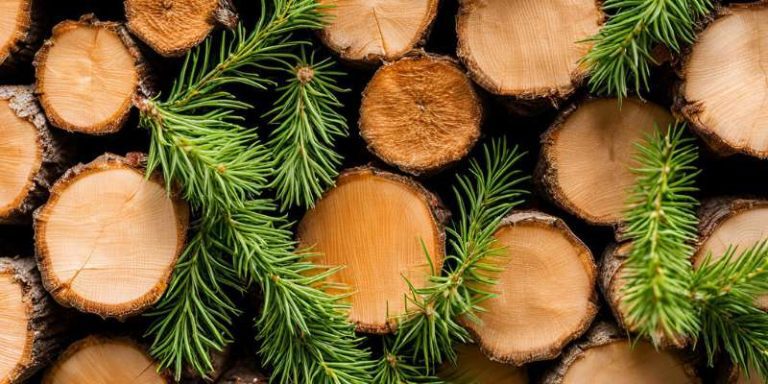
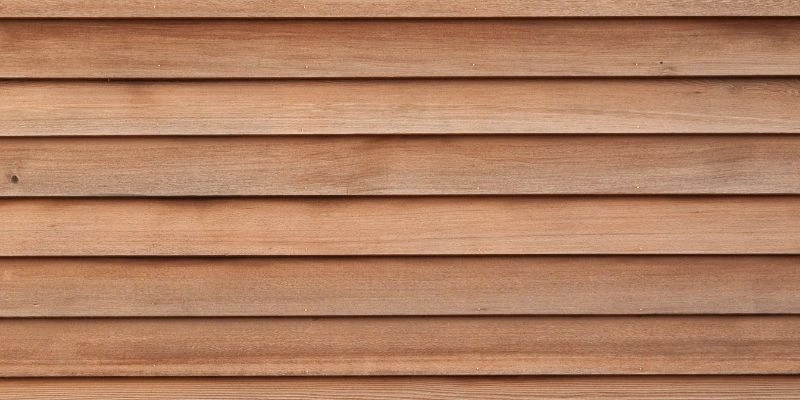
Cedar wood has a distinctive reddish-brown color. Its grain is straight with occasional knots. The texture is smooth and fine. Cedar emits a pleasant, aromatic scent. This scent is due to the natural oils present in the wood. These oils help resist moisture and decay.
Cedar is lightweight but strong. It has a soft feel when touched. The wood can have a range of colors, from pale pinkish-brown to dark reddish-brown. Its color often deepens with age. Cedar’s natural beauty makes it a popular choice for various projects.
Common Uses
Cedar is commonly used for outdoor projects. It is ideal for fences, decks, and siding. Its natural resistance to decay makes it perfect for these uses. Cedar is also used indoors. It is often found in closets and chests. The wood’s aroma helps repel insects.
Cedar is also popular in furniture making. It is used for making tables, chairs, and benches. The wood’s beauty and durability make it a favorite among woodworkers. Cedar is also used in saunas. Its natural oils can withstand high humidity and heat.
Visual Inspection
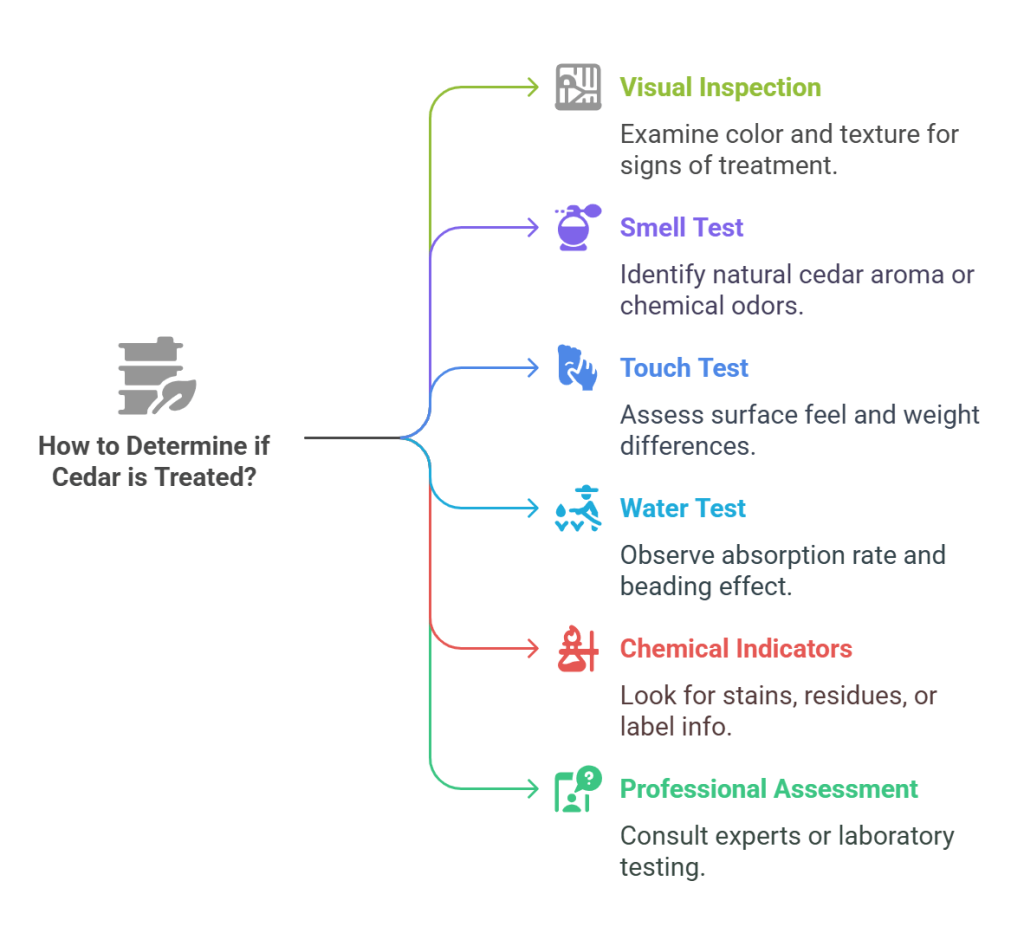
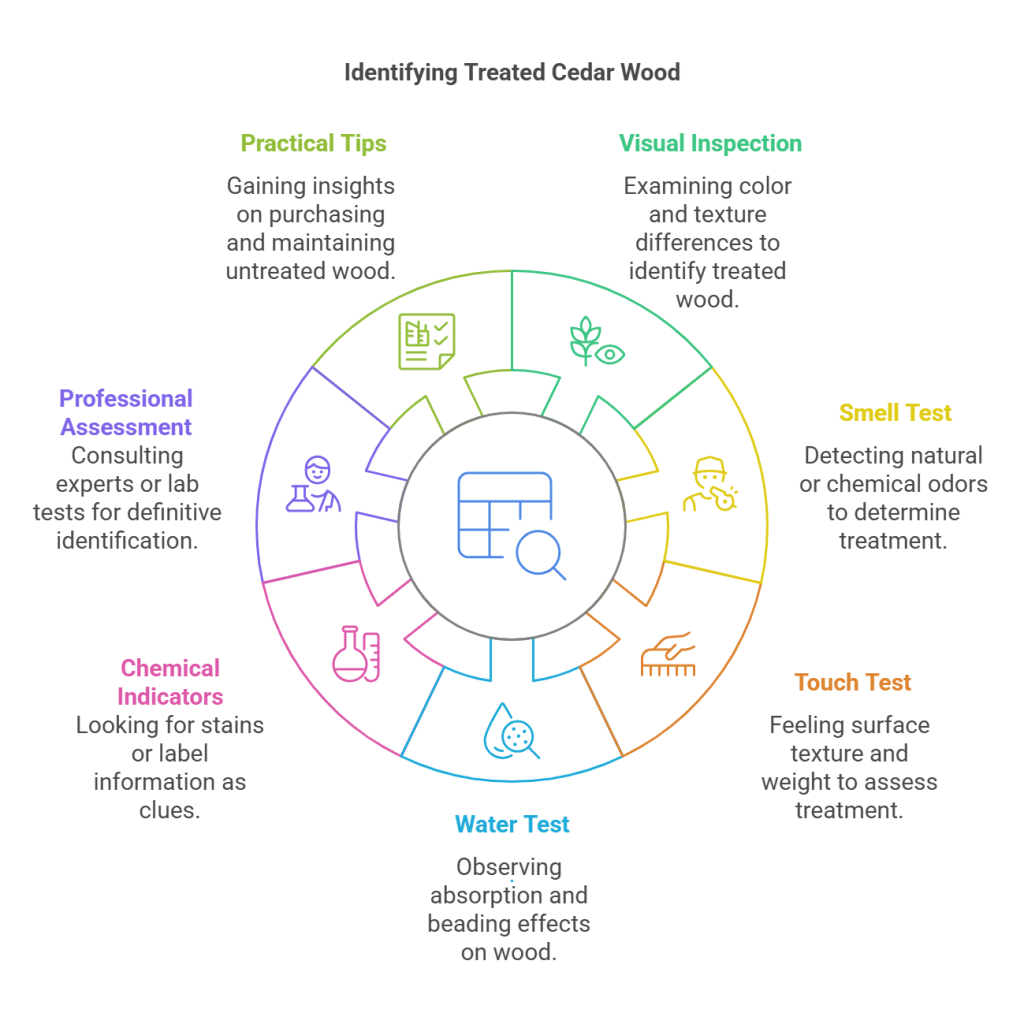
Wondering if the cedar wood you have is treated or not? One of the simplest ways to determine this is through a visual inspection. This method involves checking the wood’s appearance for certain tell-tale signs. Let’s break it down into some key areas you should focus on.
Color Differences
The color of cedar wood can give you a significant clue about its treatment status. Naturally, cedar has a lovely reddish-brown hue. Over time, this color can fade to a silvery gray if exposed to the elements. However, treated cedar usually has a more uniform color. Here’s a quick comparison:
| Type | Color |
|---|---|
| Natural Cedar | Reddish-Brown, Fades to Silver |
| Treated Cedar | Uniform Color, Often Darker |
Remember the last time you painted your fence? Treated cedar looks like it has a coat of paint, but it’s the treatment that gives it that consistent appearance.
Texture Clues
Feel the cedar wood. Yes, you read that right. The texture can also provide some insights. Natural cedar tends to have a rougher, more varied texture. On the other hand, treated cedar feels smoother and sometimes even waxy. Here are some points to consider:
- Natural Cedar: Rough, irregular texture.
- Treated Cedar: Smooth, sometimes waxy feel.
Think of it like comparing sandpaper to polished wood. The treated wood feels more finished.
So, next time you’re trying to figure out if your cedar is treated, use your eyes and hands. Look at the color and feel the texture. Simple as that!
Smell Test
Identifying if cedar is treated can be tricky. One effective method is the smell test. Cedar has a unique smell that can indicate if it’s treated or natural. Let’s explore how to use your nose to tell the difference.
Natural Cedar Aroma
Natural cedar has a distinct, pleasant smell. This aroma comes from the wood’s natural oils. It smells fresh and earthy. Imagine walking in a forest. The scent is calming and woodsy.
Chemical Odors
Treated cedar often has a chemical smell. This odor can be sharp and unnatural. It might remind you of paint or glue. The smell can be strong and off-putting. It indicates the wood has been treated with chemicals. This chemical smell is a clear sign.
Touch Test
The touch test is a simple method to determine if cedar is treated. By feeling the wood, you can identify certain characteristics. These clues will help you know if the wood has undergone treatment. Let’s explore the touch test in detail.
Surface Feel
Start by running your fingers over the surface of the wood. Treated cedar often feels smoother than untreated cedar. This is due to the chemicals used in the treatment process. The chemicals create a layer that makes the wood feel slick. Untreated cedar, on the other hand, has a more natural texture. It feels a bit rougher and more fibrous.
Weight Comparison
Hold a piece of cedar in each hand. One treated, one untreated. Notice the difference in weight. Treated cedar usually feels heavier. The chemicals used in treatment add extra weight to the wood. Untreated cedar is lighter because it lacks these chemicals. This weight difference is a strong indicator of treatment.
Water Test
To determine if cedar is treated, try the water test. This simple test can reveal a lot about the wood. It involves observing how water interacts with the surface of the cedar. Let’s explore how to perform this test effectively.
Absorption Rate
First, pour a small amount of water on the cedar. Watch how quickly the wood absorbs the water. Untreated cedar absorbs water swiftly. The wood surface will soak up the water in seconds. Treated cedar, on the other hand, repels water. The water remains on the surface, showing slow absorption.
Beading Effect
Next, observe the beading effect. If the water forms beads on the surface, the cedar is likely treated. Treated wood has a protective layer that causes water to bead up. Untreated cedar doesn’t have this protective layer. The water spreads out and gets absorbed instead.
By using these simple steps, you can tell if your cedar is treated. The water test is quick and easy. It provides clear results on the wood’s treatment status.
Chemical Indicators
Identifying whether cedar wood is treated or not can be a bit tricky, especially if you’re not familiar with the nuances of wood treatment. One effective way to determine this is by looking for chemical indicators. These signs can help you figure out if your cedar has been chemically treated. Below, we will explore two main indicators: stains and residues, and label information.
Stains And Residues
One way to tell if your cedar wood has been treated is by checking for stains and residues. Treated wood often has visible signs that set it apart from untreated wood. Here are a few things to look for:
- Discoloration: Treated wood may have a greenish or brownish tint due to the chemicals used.
- Oily Residue: Sometimes, you might find an oily or waxy residue on the surface of the wood. This is a sign that chemicals have been applied.
- Crystallized Particles: Look for small, shiny crystals on the surface. These particles can be remnants of the treatment chemicals.
Next time you inspect cedar wood, bring a magnifying glass. It can help you spot these tiny details. Trust me, your eyes will thank you!
Label Information
Another surefire way to determine if cedar wood is treated is by checking the label. Yes, labels can be a treasure trove of information! Here’s what to look for:
- Manufacturer’s Details: The label often includes the name and contact information of the manufacturer. If you have any doubts, you can always reach out to them for clarification.
- Treatment Codes: Many wood products come with specific codes that indicate the type of treatment used. For example, “PT” stands for pressure-treated.
- Certification Stamps: Look for stamps from certified organizations that regulate wood treatment standards. These stamps often include information about the type of chemicals used.
Reading the label might seem boring, but it can save you from potential headaches down the line. It’s like reading the fine print before signing a contract – always a smart move!
By paying close attention to these chemical indicators, you can make informed decisions about using cedar wood in your projects. Whether you’re building a deck or crafting furniture, knowing if your wood is treated can make all the difference.
Professional Assessment
Determining if cedar is treated can be tricky. Sometimes, professional help is needed. Experts have the tools and knowledge to identify treated wood. They use precise methods to give accurate results. This section will cover how professionals can help.
Consulting Experts
Consulting experts is a wise choice. They have experience with various wood types. They can tell treated from untreated cedar. Experts often use visual clues and chemical tests. They check for signs of treatment. They might find residues or changes in wood color. Their experience makes them reliable.
Laboratory Testing
Laboratory testing offers precise results. Samples of cedar are analyzed in controlled settings. Scientists use advanced methods to detect chemicals. They look for preservatives like copper or arsenic. These tests give a clear picture of treatment status. It’s a thorough approach for accurate results.
Practical Tips
Cedar wood is a popular choice for various projects due to its durability and natural resistance to decay. Knowing whether your cedar is treated can impact its longevity and how you care for it. Here are some practical tips to help you identify if cedar is treated and ensure you maintain it properly.
Purchasing Advice
When buying cedar, always ask the seller about its treatment. Treated cedar often has a greenish or brown tint. Check for any tags or labels on the wood indicating treatment. Treated cedar may have a distinct chemical smell. Examine the surface for any residue or oily texture. This can be a sign of treatment. Never rely solely on appearance; seek confirmation from the supplier.
Maintenance Tips
Proper maintenance extends the life of your cedar. Treated cedar requires less frequent sealing. Clean the wood regularly to prevent mold and mildew. Use a soft brush and mild soap. Avoid harsh chemicals that can damage the treatment. Inspect for any signs of wear or damage. Repair promptly to maintain the wood’s integrity. Apply a protective finish if necessary. This helps to preserve the wood’s appearance and durability.
Frequently Asked Questions
How Can You Tell If Wood Is Pressure Treated Or Cedar?
Pressure-treated wood has a greenish tint and visible treatment marks. Cedar wood has a natural reddish-brown color and a pleasant aroma.
How Can You Tell If Wood Is Treated Or Untreated?
To tell if wood is treated, look for greenish or brownish tint. Smell for chemical odors. Check for end tags or stamps indicating treatment.
What Year Did They Stop Putting Arsenic In Treated Lumber?
The use of arsenic in treated lumber stopped in 2003. The EPA phased out CCA-treated wood for residential use.
How Long Will Untreated Cedar Last Outside?
Untreated cedar can last 10-15 years outside. Its natural oils resist decay and insect damage. Regular maintenance can extend its lifespan.
Conclusion
Identifying treated cedar is important for your projects. Look for color changes. Smell can be a key indicator too. Check the wood’s texture and weight. Treated cedar often feels different. Use these tips to ensure you choose the right cedar.
This can help in making better decisions. Happy building!