How to Make Wood Slick: Wax, Dry Lube and UHMW Tape by Job
To make wood slick, rub paraffin or a silicone-free paste wax on wood-on-wood parts like drawer runners, and use a silicone-free dry lubricant or UHMW tape on saw tables, fences and sled runners. Skip silicone sprays near anything you plan to finish, because the residue causes fisheyes. This guide matches each job to the right fix, covers slides and game boards, and flags where slick is dangerous.
Which Slick Fix Fits Which Job?
Best Silicone-Free Dry Lube Pick
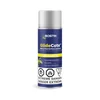 |
Bostik GlideCote 10.75 oz Aerosol Lubricant ($19.95) A silicone-free dry film for saw tops, fences and jigs. The maker says it will not cause fisheyes, which is the finishing problem this guide warns about with silicone sprays.
|
As an Amazon Associate we earn from qualifying purchases.
“Slick” means different things in a shop: a drawer that glides, a saw table that lets a board slide, a jig that does not drag. The fix that is perfect for one can ruin another, and the table below is the part most how-to pages skip. It pairs each job with a method and with what to keep away from it.
| Job | Best fix | What NOT to use |
|---|---|---|
| Wood drawer runners and kickers | Paraffin or a plain candle rubbed on both contact surfaces, or paste wax (Fine Woodworking forum posters) | Silicone spray; also do not wax your way out of a drawer that binds because it is swollen or out of square |
| Table saw top, jointer bed, router table | Silicone-free paste wax, or a silicone-free dry film lubricant | Silicone furniture polish, aerosol polish such as Pledge, and car wax (Popular Woodworking) |
| Crosscut sled runners and miter-slot rails | UHMW plastic strips, or waxed hardwood runners | Screws driven down from the sled top into UHMW, which can swell and jam in the slot (Fine Woodworking forum) |
| Fences, miter gauge faces, underside of a sled | Self-stick UHMW slick tape, 0.035 in thick (Infinity Tools listing) | Tape over a dirty or gummy surface: clean and flatten first |
| Hand plane sole | A rub of paraffin about every ten strokes (Popular Woodworking) | Silicone sprays, which can drift onto wood you plan to finish |
| Slide or game board (shuffleboard, cornhole) | Paraffin on a slide; a made-for-purpose wax on game boards | Anything on stairs, ramps, decks or walkways |
Paste Wax and Paraffin: The Cheap Default
Fine Woodworking’s guide to waxes sorts the common ingredients: carnauba is a hard, quick-drying wax that buffs to a glossy sheen, while beeswax and paraffin are soft. Paraffin is a petroleum byproduct, the same material as candles. The same guide is blunt that waxes give little protection against moisture, chemicals and abrasion, so treat wax as a glide layer, not a finish.
Popular Woodworking prefers a paste wax sold for floors and furniture on machinery tops, because it dries fast before buffing and is cheap. It steers readers away from car waxes, which often contain silicone, and notes that floor and furniture waxes leave silicone out because silicone makes surfaces a slip hazard. For plain paraffin, Popular Woodworking’s paraffin tip is to rub it on table saw, router table and jointer surfaces, miter gauge sides, router base plates and drawer sides. The same page says paraffin will not contaminate wood you plan to finish with an oil-based finish, and that a block of canning wax costs under $5 and lasts for years.
- Apply thin: a thin coat of paste wax that you let haze and then buff off leaves a slick film without a gummy build-up (general paste wax practice, check the can).
- Rub paraffin in the direction of travel: go with the way the board or drawer will move.
- Renew when it drags: there is no sourced interval, so re-wax when pushing a board starts to feel stiff again.
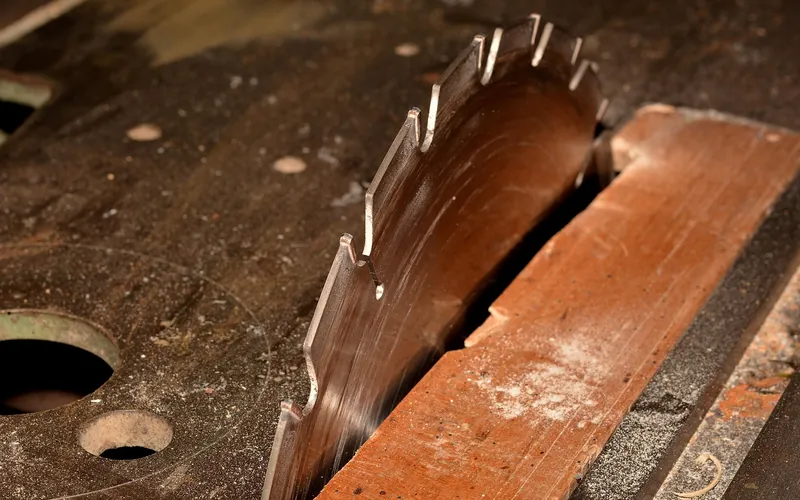
If the top is rusty or pitted, wax only masks the problem. Clean it first using the steps in how to clean a table saw top and see how to keep tools from rusting for rust control. Our table saw top coating guide compares wax and spray coatings for the top itself, so this article stays on the wider question of slick wood and jigs.
Drawer Runners and Other Wood-on-Wood Parts
Fit comes first. A drawer that binds because the sides are swollen, the box is racked or the runner is rough will not be saved by wax; plane or sand the high spot, then wax. Once the fit is right, Fine Woodworking forum members describe rubbing a paraffin bar or plain white candle firmly on the contact surfaces of both the drawer and the cabinet opening. They report some flaking in the first few weeks and then drawers that work easily for years before they need rewaxing. One contributor says a good fit plus paste wax performs as well as metal glides. Those are shop reports rather than lab tests, so treat the interval as a rough guide.

Wax the hidden contact faces only: runners, kickers, cabinet sides and the bottoms and sides of the drawer box. Do it last, after any finish on the visible parts has cured, so you are never wiping wax across a surface you still plan to coat. For how finish choice changes the feel of wood, see sheen vs surface feel.
Dry Lubricant and UHMW Tape for Saw Tables, Fences and Sleds
Two non-wax options suit tool surfaces. The first is a dry film aerosol. Retailer listings for Bostik GlideCote say it contains no silicone and no oils, will not stain wood or cause fisheyes, and is up to 30 percent slicker and lasts up to three times longer than paste wax. Those are the maker’s claims, not our testing. The listings describe it for metal, laminate and plastic surfaces, which is why it fits cast iron tops and fences better than bare wood drawers. Amazon lists the 10.75 oz can at $19.95, about $1.86 an ounce, against under $5 for a block of paraffin.
The second option is UHMW (ultra-high-molecular-weight polyethylene). The Infinity Tools listing for its self-stick tape, 0.035 inch thick and 3 inches wide, describes a very low coefficient of friction comparable to Teflon, a pressure-sensitive adhesive, and uses on saw and router table fences, miter gauges and under a coping sled. Fine Woodworking forum members also use UHMW strips as sled runners; the warning there is to drill and countersink the screws and not drive them from the sled top into the plastic, because it can swell and jam in the slot.
That makes the choice mostly about the part. Fixed surfaces you wipe and rewax, like saw tops, suit wax or dry film. Parts that scrape every pass, like fence faces and sled bases, suit tape that never needs reapplying. For jig ideas, browse our table saw jigs, the crosscut sled guide and the miter gauge guide.
Why Silicone Is the Wrong Slick Near a Finishing Project
Silicone makes things slick, which is exactly why people reach for it, and also why it causes trouble. Popular Woodworking warns against furniture polish containing silicone oil on any shop tabletop that touches wood, and against aerosol sprays in general, because silicone can drift and settle on wood and cause fisheye defects in the finish. The fix is to choose silicone-free products from the start, not to try to clean up after. That is the real reason woodworkers who finish their own work pick paraffin, a floor or furniture paste wax or a labeled silicone-free dry film.
Slick Finish vs Slick Surface
A glossy finish feels smooth, but smooth and low-friction are different goals. If you only want a smooth, silky furniture surface, sand through the grits in order with the grain and finish with oil, wax or a film finish. Our guides cover the options: using shellac on wood and sanding shellac for a fast, sandable film, tung oil vs mineral oil for oil choices, canola oil on wood for kitchen items and darkening furniture with wax for tinted wax. Because waxes protect little on their own, put them over a cured finish when you want durability.
Slides, Shuffleboard, Cornhole and Docks
For a backyard wood slide, rubbing plain paraffin on clean, dry wood in the direction of travel is the usual fix, and it wears off outdoors, so expect to repeat it after rain or heavy sun. Table shuffleboard and cornhole boards use purpose-made powder or slide waxes sold for those games. Use only the product the game maker names, keep it on the play surface and sweep or wipe overspray off nearby floors. No treatment keeps wood slippery in the rain for long, and wet wood that is waxed is the worst case for footing.
Safety: Where You Must Never Make Wood Slick
- Never on walking surfaces: do not wax or lubricate stair treads, floors, ramps, decks or dock boards. Floor and furniture waxes avoid silicone because silicone is a slip hazard, per Popular Woodworking.
- Check flammability: aerosol dry lubricants and solvent-based waxes can be flammable. The GlideCote can carries hazard pictograms and an “Extreme Danger” warning on its listing image. Read the label, ventilate, keep sparks and open flame away, and follow the can’s disposal advice for rags.
- Keep tops tidy: wipe overspray and wax haze off floors and bench legs before you walk or work there.
- Keep it off food surfaces: do not use shop lubricants on cutting boards or utensils.
Frequently Asked Questions
How do you make wood slick for drawer runners?
Fit the drawer first, then rub paraffin or a plain candle onto the contact surfaces of both the drawer and the cabinet opening, or buff on a thin coat of paste wax. Fine Woodworking forum members report that it flakes at first and then lasts for years.
What can I put on a table saw top to make it slide better?
Use a silicone-free paste wax made for floors and furniture, or a silicone-free dry film lubricant. Popular Woodworking prefers a quick-drying paste wax and warns against silicone polishes and aerosol sprays on shop tabletops.
Can I use silicone spray to make wood slick?
You can, but it is a poor choice near finishing work. Silicone can transfer to wood and cause fisheyes in a finish, so choose paraffin, paste wax or a labeled silicone-free dry film instead.
Does paraffin wax hurt a wood finish?
Popular Woodworking says paraffin will not contaminate wood you plan to finish with an oil-based finish because it is petroleum based. Wax any finished parts last and confirm compatibility for other finish types on the finish maker’s label.
How do you make a wood slide slippery?
Rub plain paraffin on clean, dry wood in the direction of travel and reapply as it wears off, especially outdoors. Never use slickening products on stairs, ramps, decks or other surfaces where people need traction.
The Short Version
Match the fix to the part: paraffin or paste wax for wood-on-wood, silicone-free dry film or UHMW for tool surfaces, and no silicone near anything you will finish. Keep slick products off every surface people walk on, and read the can for flammability before you spray or wipe.
Sponsored / affiliate links. As an Amazon Associate I earn from qualifying purchases. I may earn additional commission from eligible campaigns.