How to Transport 16 Foot Boards Without a Full-Size Truck
If you don’t have a full-size pickup, the most practical ways to move 16-foot boards are a hitch-mount bed extender on a shorter truck or SUV, a roof rack rated for the load on a car or crossover, or simply having the lumberyard deliver – each works, but they’re not interchangeable, and picking the wrong one for your vehicle is how boards end up on the pavement.
Most guides to transporting long boards assume you already own a full-size pickup with an 8-foot bed. This one is for everyone else – the small-truck, SUV, and no-truck-at-all situations that make up most home-project lumber runs.
Option 1: A Hitch-Mount Bed Extender (Short-Bed Trucks and SUVs)
Best Fix for a Short Bed or SUV
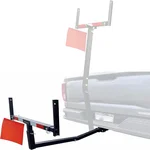 |
MaxxHaul 70231 Hitch Mount Truck Bed Extender – $62.99 The single best upgrade if your truck bed or SUV cargo area is too short for a 16-foot board on its own.
|
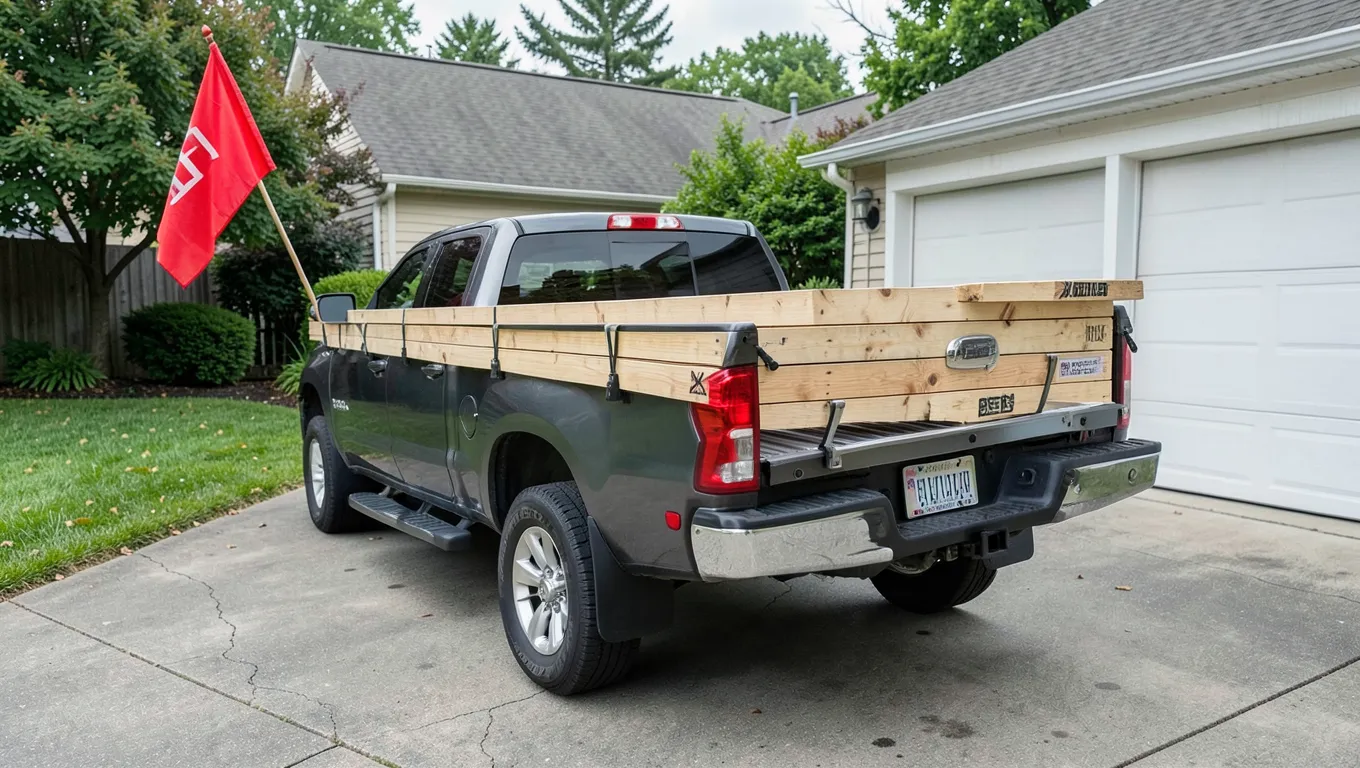
If you have a short-bed pickup, a midsize truck, or an SUV with a hitch receiver, a hitch-mount bed extender is the single best upgrade for this problem. It bolts into the 2-inch receiver, folds out behind the tailgate or hatch, and gives the board somewhere to rest that isn’t just “hanging off the back.” Most models support 300-800 lbs across the extended arm, which is more than enough for a stack of boards, and they fold flat against the vehicle for storage when not in use.
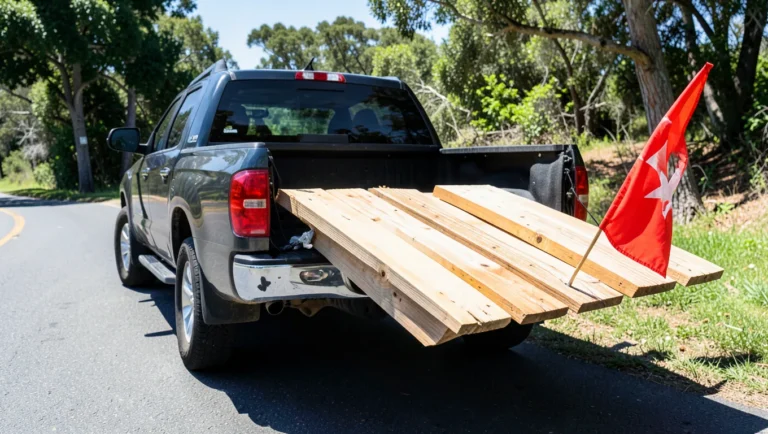
The tradeoff: it only helps with the rear overhang problem. You still need real tie-downs (not the flimsy strap that ships with some extenders) running from the boards to solid anchor points on the vehicle, and you still need a red flag on the trailing end if the boards extend past the extender itself, which they usually will on a load this long.
Option 2: Roof Rack (Sedans, Crossovers, No Truck at All)
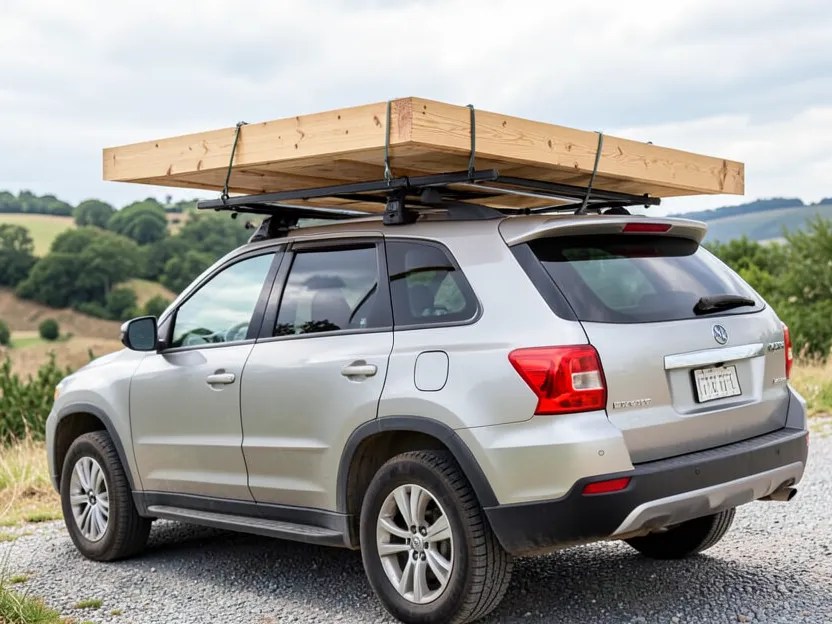
A roof rack with real crossbars (not just decorative roof rails) can carry 16-foot boards if you check two things first: the rack’s dynamic weight rating, and how far the boards will overhang the front and rear of the roofline. A load this long on a compact car will overhang substantially on both ends, which means it needs to be flagged and lit on both the front and rear, not just the back like a truck load.
Tie the boards down at a minimum of two points along the rack, plus a bow-and-stern line running forward to the front bumper area and back to the rear, to stop the load from sliding side to side or shifting under braking. Wind resistance is also a real factor at highway speed on a roof-mounted load this long – plan for a slower, more careful drive than you’d take with the same boards in a truck bed.
Option 3: Skip Transporting Them Yourself
This gets overlooked constantly: most lumberyards and home centers deliver, often for a flat fee that’s less than the cost of a rented truck for a couple of hours, and some will cut boards to a shorter length for free or a small fee if you don’t actually need the full 16 feet for your project. If you’re a single trip away from finishing a project and don’t own a suitable vehicle, delivery or a cut-down is frequently cheaper and safer than improvising a transport method for a one-time need.
A U-Haul or home-center rental truck is the other no-vehicle option, and it sidesteps the overhang problem entirely since a 10-foot cargo van or box truck swallows a 16-foot board with room to spare (check the actual interior length before booking – “10-foot truck” refers to the box’s nominal size, and doors/wheel wells can eat into usable length).
Whichever Option You Pick, These Rules Don’t Change
Regardless of vehicle, a few things stay constant: use rated ratchet straps or a real cargo harness, never bungee cords, for anything extending past the vehicle body. Flag any overhang past 4 feet with a bright marker (a red flag by day, a red light after dark, required in most states). Check your state’s specific overhang limits before a long highway trip – they vary, and some states cap total overhang more tightly than others. And re-check every strap after the first 10-15 minutes of driving; straps that felt tight in the driveway often loosen once the load settles.
Frequently Asked Questions
Can a car or SUV really carry a 16-foot board?
Yes, with a roof rack rated for the load and proper tie-downs at both ends, though the overhang on a compact vehicle will be substantial and needs to be flagged on both the front and rear.
Is a hitch bed extender strong enough for lumber?
Most quality hitch-mount extenders support 300-800 lbs, more than enough for a typical stack of boards, but the extender only supports the load – you still need separate straps to secure it.
Is it cheaper to have lumber delivered than to transport it myself?
Often, yes, especially for a one-time large purchase. Many lumberyards deliver for a flat fee that’s less than renting a truck for a few hours, and it removes any risk of damage or a roadside incident with an improvised transport setup.
What size rental truck fits a 16-foot board?
A 10-foot cargo van or box truck has enough interior length in most cases, but check the specific model’s usable cargo length before booking, since wheel wells and door swing can reduce it below the nominal box size.
Conclusion
Not having a full-size truck doesn’t rule out moving 16-foot boards yourself – a hitch-mount bed extender, a rated roof rack, or a short rental all work. But for a one-time job, don’t overlook simply paying for delivery or a cut-down; it’s often the cheapest and safest option once you account for the cost of straps, a flag kit, and the risk of an improvised setup.
Sponsored / affiliate links. As an Amazon Associate I earn from qualifying purchases. I may earn additional commission from eligible campaigns.