Methods of Rust Prevention for Cast Iron Tools
Keep cast iron dry, limit condensation, and apply a thin coat of wax or a corrosion inhibitor about every 2–6 weeks in winter, sooner after cleaning or damp exposure. Skip that routine and rust can stain, slow feed, and force flattening or cleanup on precision machine surfaces. This guide covers winter rust-prevention methods for table saw tops, jointer beds, and planer beds, plus a practical maintenance routine and safe protectant choices.
Why cast iron rusts in winter shops


Cast iron can rust quickly in winter because cold metal can sweat when warm, moist air hits it. The surface can be dry one hour and damp the next. On table saw tops, jointer beds, and planer beds, that hidden moisture sits in place and starts oxidation before you see a visible film.
Condensation is the winter problem
Temperature swings matter more than steady humidity alone. A cold garage that warms during the day, then drops again at night, can cycle moisture onto a machine top over and over. Dry storage helps because it limits lingering moisture, but the real target is the damp film that forms during those swings.
Cast iron is a porous ferrous metal. That means it can hold a thin film of moisture longer than polished steel, and once water sits too long, rust follows. On precision surfaces, even a light orange haze can transfer to wood or make feed less smooth.
What makes a garage shop worse
Unheated shops, outside walls, and tools stored near doors all raise the risk. Wet lumber, snow tracked in on boots, and covering a machine with a damp tarp can trap moisture against the surface. A common first-timer mistake is wiping a top clean, then covering it before the metal has fully dried.
Picture a jointer bed left cold overnight in a garage that warms up for afternoon work. The bed looks dry, but a thin film forms under the dust on top. By the next morning, that film may be enough to start staining unless the surface was protected.
Which protectant works best on cast iron?
For winter cast iron, the best protectant depends on the surface and how flat it must stay. Paste wax is a strong choice for precision machine tops because it leaves little residue. Oil can work, but it is easier to overapply. Rust-preventive sprays can last longer, but some leave a film that you may not want on feed surfaces.
Oil versus paste wax versus rust-preventive spray
Oil or fat finishes create a thin protective layer after drying. They are useful after washing and before storage, but they should be applied sparingly to avoid residue on table saw tops and jointer beds. Seasoning works on bare cast iron too, but it is a slower, periodic barrier rather than a quick fix for every winter cleanup.
Paste wax gives a smoother feel and is usually favored on precision surfaces because it dries hard and does not stay tacky. Rust-preventive sprays can offer longer protection in a cold, damp garage, but they are more often chosen for less exact parts or storage periods where a bit of residue is acceptable.
When residue matters most
Residue matters whenever the tool surface must stay flat, slick, and clean. A table saw top with sticky film can drag stock, collect dust, and smear onto cut pieces. A jointer bed or planer bed with heavy oil can do the same. That is why heavy oily coatings are a poor fit for those surfaces unless you can wipe them back to a very thin film.
Say your table saw top is bare cast iron and the shop drops below freezing at night. A thin wax coat is usually the cleaner choice than a wet oil layer, because it protects while leaving less drag on boards the next day.
Winter cast iron protection matrix
| Protectant | Ease of application | Residue risk | Protection duration | Precision surface fit | Reapplication interval |
|---|---|---|---|---|---|
| Oil or fat finish | Easy | Moderate to high if overapplied | Short to moderate | Fair if wiped very thin | Every 2–4 weeks in winter, and after washing |
| Paste wax | Moderate | Low | Moderate | Very good for machine tops | Every 2–6 weeks in winter |
| Rust-preventive spray | Easy to moderate | Low to moderate, depending on product | Moderate to long | Good on storage parts; check compatibility on precision tops | Every 4–8 weeks or after cleaning |
For most woodworkers, paste wax is the practical default for cast iron table saw tops and jointer beds. Oil has its place, especially after washing or on removable parts. Spray protectants can make sense for long idle periods or parts that do not contact stock, but they are not always the cleanest choice for precision surfaces.
How do you build a winter maintenance routine?
A winter routine works best when it is simple enough to repeat. Wipe off dust, remove any visible moisture, refresh the protective film before it breaks down, and check the shop for condensation problems. That is more effective than waiting for rust and then trying to remove it from a machine bed.
After-use wiping and drying
After each session, wipe the cast iron clean with a dry cloth. If the surface was washed, cleaned with a damp rag, or exposed to snow or sleet, dry it thoroughly before any coating goes on. Thorough drying matters because water sitting too long causes rust.
A light oil layer is recommended after washing, but only after the surface is fully dry. Use just enough to leave a thin film, then wipe back the excess. On a precision top, a heavy coat is more trouble than help.
Weekly inspection and recoat check
Look for a dull film, fingerprints that stay visible, or any orange specks. Those are signs the barrier has thinned. If the surface feels grabby or the water beads stop appearing, renew the wax or protectant rather than waiting for rust to spread.
Seasoning may need renewal about once per year on some cast iron surfaces, and light rust can sometimes be fixed by re-seasoning. For a winter shop, that yearly reset does not replace the short-interval wipe and recoat routine. It sits on top of it.
Methods rust prevention maintenance checklist
- Day 1: Wipe the table saw top, jointer bed, and planer bed clean after use.
- Day 2: Check for condensation on cold mornings, especially near doors and exterior walls.
- Day 3: Inspect the protective film for dull spots or bare patches.
- Day 4: Reapply paste wax or a thin rust inhibitor where the surface looks dry.
- Day 5: Confirm the shop is in dry storage conditions and tools are not covered while damp.
- Day 6: Look under mobile tools and near low shelves for moisture buildup.
- Day 7: Do a full surface check and reset any area that shows the first sign of oxidation.
What should you do after rust appears?
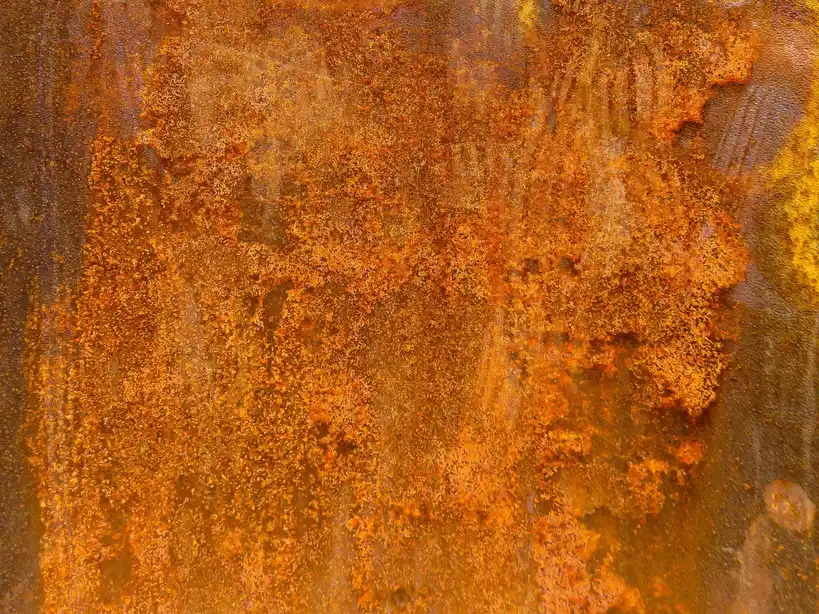
Use the mildest removal method that fits the damage. Light rust on cast iron can often be removed with fine sandpaper or abrasive pads in the 120 to 220 grit range, followed by cleaning and re-protection. Save vinegar or wire-wheel methods for the right kind of part, because they can be too aggressive for precision tops.
Light rust on flat machine surfaces
For a table saw top or jointer bed with light surface rust, use 120 to 220 grit sandpaper or a fine abrasive pad with light pressure. Work gently and keep the motion even. Aggressive methods are discouraged on precise surfaces like table saw beds and plane soles, where you want to protect flatness and finish quality.
Bob Vila lists a typical working time of 15 minutes to an hour per tool for light rust removal, with total time ranging from 15 minutes to 1 day depending on the job. The estimated cost is about $10 depending on supplies. Those figures fit small cleanup jobs, not major corrosion or damaged surfaces.
When vinegar rust removal fits
Vinegar rust removal is a soak-based method, often combined with salt, and it is best for removable parts and non-precision surfaces. Heavier rust may require soaking for 12 hours to several days. A common mix uses about 1/2 cup salt per 1/2 gallon vinegar, but that approach is still better suited to parts you can remove and rinse fully.
Do not use vinegar as a blanket fix for every cast iron surface. Acidic residue must be removed completely, and the method is a poor match for large machined tops where you do not want liquid pooling or later staining. A removable fence bracket is a better candidate than a jointer bed.
Wire wheels and when to avoid them
A wire wheel drill attachment can remove stubborn corrosion faster than hand abrasion, but it is not recommended for highly accurate machined surfaces. It can leave scratches, remove finish unevenly, and round over details you want to preserve. If you use one, wear eye and hand protection and keep it off precision tops.
Suppose a cast iron extension wing has heavier rust than the main table saw top. The wing may tolerate a more active cleanup, while the main top should stay on a gentler path. That split approach keeps the flat, critical surface safer.
Dry storage and condensation control
Dry storage is recommended to avoid lingering moisture. A low-humidity location slows oxidation and gives your protectant a better chance to hold. In a cold garage, the biggest risk is not only humidity; it is the repeated shift from cold metal to warm, moist air.
Cold garage risks and warm-up routines
Is it safe to store cast iron tools in a cold garage? Yes, if you control moisture and protect the surface, but an unheated garage raises rust risk because temperature swings drive condensation. Tools can live there, yet they need a more regular check and a sound protective film than they would in a climate-controlled shop.
If the shop warms up for work, let the surface acclimate before you wipe or coat it. Otherwise, you may trap dampness under the film you just applied. If the tool is already cool and dry, a light wax coat before shutdown is usually the cleaner move.
Covering tools without trapping moisture
Use covers that breathe enough not to trap wet air against the cast iron. Avoid wrapping a machine while the top is still damp from cleaning or from a cold-to-warm temperature shift. A cover should keep dust off, not hold condensation in place.
The same rule applies after vinegar cleanup or any wet rust removal step. Rinse, dry fully, and then protect. If you skip the drying stage, the cover can turn a minor cleanup into a fresh rust problem.
Frequently asked questions
What is the best way to prevent rust on cast iron tools?
The best method is a dry surface, condensation control, and a thin protective coat renewed on a winter schedule. For table saw tops, jointer beds, and planer beds, paste wax is often the cleanest choice. Add a more durable protectant only when residue will not affect the surface.
Should I oil cast iron tools after every use?
Not always. A light oil layer is useful after washing or after damp exposure, but every-use oiling can leave residue on precision surfaces. For many cast iron machine tops, paste wax or a similar dry film is easier to maintain and less likely to transfer onto stock.
Is paste wax better than oil for cast iron rust prevention?
On precision machine tops, paste wax is often better because it leaves less residue and usually feels cleaner in use. Oil can protect well, but it needs tighter control to avoid a greasy film. For long storage or removable parts, oil may still be the better fit.
How dry does a cast iron tool need to be before storage?
It needs to be fully dry to the touch, with no visible moisture and no damp film in corners, seams, or around hardware. If you washed it, dry it thoroughly before applying any protectant. Water sitting too long is what starts the rust cycle.
Can I use vinegar to clean rust off cast iron tools?
Yes, but mainly on removable parts and non-precision surfaces. Vinegar rust removal is a soak method, sometimes with salt, and heavier rust may need 12 hours to several days. Avoid it on large, accurate machine tops where liquid control and residue removal are harder.
How often should cast iron be re-seasoned?
Seasoning may need renewal about once per year, though winter wear can call for a shorter interval if the surface is cleaned often or exposed to damp air. Re-seasoning is a barrier-building step, not a replacement for routine wipe-downs and winter condensation control.
Sponsored / affiliate links. As an Amazon Associate I earn from qualifying purchases. I may earn additional commission from eligible campaigns.