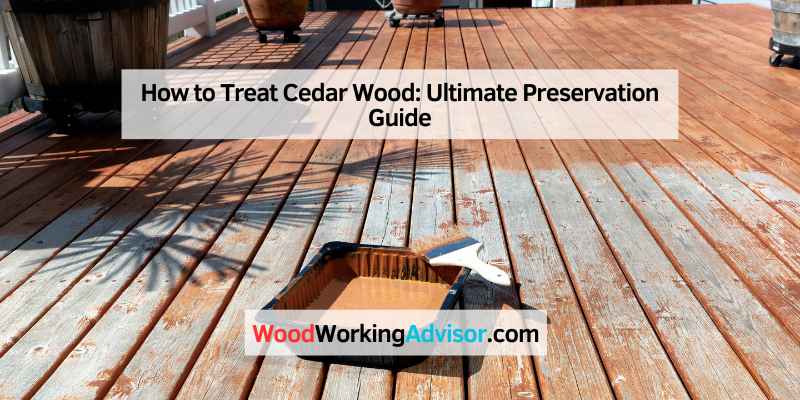
How to Treat Cedar Wood: Ultimate Preservation Guide
To treat cedar wood, use a cedar wood treatment product for good weather resistance and protection. Sealing cedar wood with a hydrophobic barrier prevents water damage, warping, and cracking, enhancing its durability and appearance.
Cedar wood can be protected with a blend of wax and oils, while an oil-based finish is best for preserving its color and fragrance. Cedar wood is naturally resistant to insect damage and rotting, making it a great choice for those who prefer natural products.
With the right treatment and care, a properly installed cedar fence can maintain its great appearance for a long time.
Introduction To Cedar Wood Preservation
The Unique Qualities Of Cedar
Cedar wood is known for its natural durability and resistance to insect damage and rotting due to the presence of natural oils within the wood. Its unique aromatic scent and beautiful grain patterns make it a popular choice for outdoor furniture, decks, and fencing.
Why Preserving Cedar Is Essential
Preserving cedar is essential due to its susceptibility to water damage, which can lead to warping, cracking, and the development of mold and mildew. By creating a hydrophobic barrier through sealing, cedar can be protected from these issues, ensuring its longevity and structural integrity.
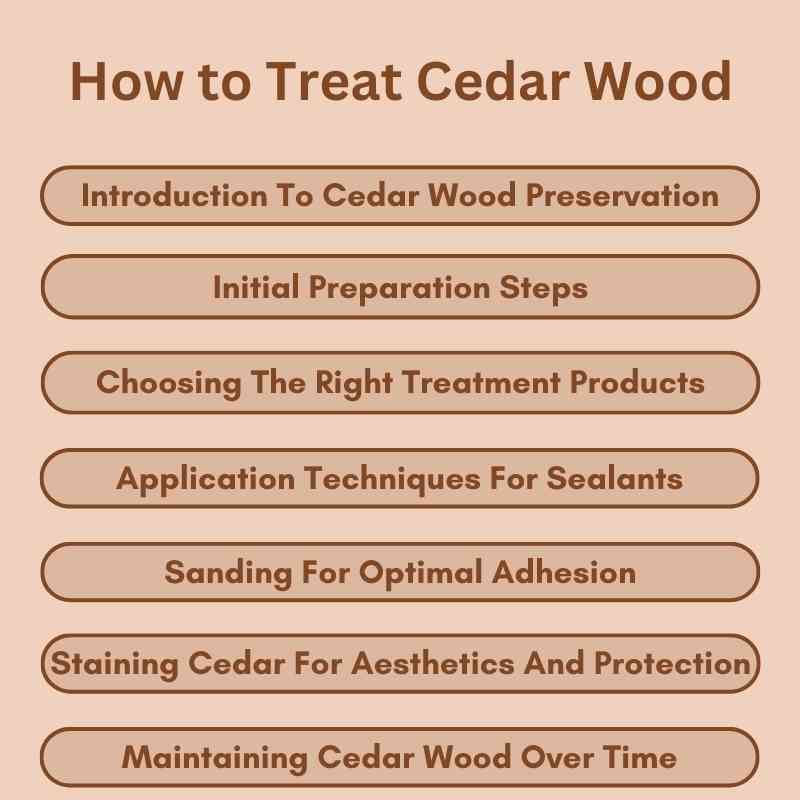
Initial Preparation Steps
To treat cedar wood, start by testing the moisture content and sanding the surface. Apply a cedar-specific treatment or stain and sealer to protect against water damage, mold, and mildew. For natural preservation, consider a blend of wax and oils.
A properly maintained cedar fence or deck can last for years.
Initial Preparation Steps for treating cedar wood are crucial to ensure the best results and longevity of the wood. The first step is to assess the condition of the wood to determine if it needs any repairs or replacements. Next, cleaning the wood thoroughly before treatment is vital to remove any dirt, grime, or previous coatings. Here are some tips for each step:
Assessing Wood Condition
Before starting the treatment process, it’s essential to examine the wood’s condition. Check for any cracks, splits, or rotting areas. If there are any damages, repair or replace them first before proceeding with the treatment. It’s also crucial to check the moisture content of the wood using a moisture meter. The wood should have a moisture content of 15% or less before treatment.
Cleaning Before Treatment
Cleaning the wood is a critical step before treatment to remove any dirt, grime, or previous coatings. Start by removing any loose debris using a stiff-bristled brush or vacuum. Next, use a mild detergent and water to clean the wood thoroughly. Rinse the wood with clean water and let it dry completely before proceeding with the treatment.
There are several products available in the market for treating cedar wood, such as Cedarcide, Cedarshield Wood Treatment, and Stain and Sealer Cedar Wood. These products provide good coverage, weather resistance, and protection against insects and rotting.
Oil Cedar Restores The Original Aroma
Another option is to use oil to restore the original aroma of the cedar wood. Cedar Wood Decking Finish Solutions from Ring’s End is an excellent product for this purpose. It’s easy to use and restores the natural beauty of the wood.
In conclusion, the initial preparation steps are essential for treating cedar wood. Assessing the wood condition and cleaning it thoroughly before treatment will ensure the best results and longevity of the wood. Using the right products, such as Cedarcide, Cedarshield Wood Treatment, and Stain and Sealer Cedar Wood, or oil, such as Cedar Wood Decking Finish Solutions, will provide excellent protection and restore the natural beauty of the wood.
Choosing The Right Treatment Products
When it comes to treating cedar wood, choosing the right treatment products is essential for ensuring its longevity and maintaining its natural beauty. There are various options available, each with its own advantages and considerations. In this section, we will explore the differences between oil-based and water-based sealers, as well as the benefits of using natural waxes and oils.
Oil-based Vs. Water-based Sealers
One of the first decisions you’ll need to make when treating cedar wood is whether to use an oil-based or water-based sealer. Both options have their pros and cons, so it’s important to understand the differences.
| Oil-Based Sealers | Water-Based Sealers |
|---|---|
|
|
Oil-based sealers provide an attractive finish and offer good coverage, making them a popular choice for cedar wood. They also provide excellent weather resistance, protecting the wood from the elements. However, they tend to take longer to dry and may emit higher levels of volatile organic compounds (VOCs).
On the other hand, water-based sealers have a quick drying time and are more environmentally friendly. They have lower VOC emissions and are easier to clean up. However, they may not provide the same level of weather resistance as oil-based sealers.
Natural Waxes And Oils
In addition to sealers, natural waxes and oils can also be used to protect and enhance the appearance of cedar wood. These products create a hydrophobic barrier that repels water, preventing warping, cracking, and mold or mildew growth.
A blend of waxes such as carnauba, bee, and candelilla, combined with oils like linseed, sunflower, and jojoba, can create a formidable preservation concoction for cedar wood. This dynamic duo not only prolongs the life of the wood but also enhances its natural beauty.
When applying natural waxes and oils, it’s important to follow the manufacturer’s instructions and ensure proper ventilation. Additionally, regular maintenance and reapplication may be necessary to keep the cedar wood protected and looking its best.
By choosing the right treatment products for your cedar wood, you can ensure its longevity and maintain its natural beauty for years to come. Whether you opt for an oil-based or water-based sealer, or decide to use natural waxes and oils, proper treatment will help protect the wood from water damage, rot, and other environmental factors.
Application Techniques For Sealants
To treat cedar wood, utilize a sealant application technique to protect it from water damage, warping, and cracking. Sealing creates a barrier that repels water, preventing issues like mold and mildew. Consider using a blend of wax and oils to enhance durability and preserve the wood’s natural characteristics.
When it comes to treating cedar wood, applying sealants is an important step to protect it from water damage, warping, and cracking. Proper application techniques ensure that the sealant is evenly distributed, providing optimal coverage and enhancing the wood’s durability. In this section, we will explore two common application methods: brush and spray.
Brush Vs. Spray Methods
Both brush and spray methods have their advantages and considerations when it comes to applying sealants on cedar wood.
Brush Method:
The brush method involves using a paintbrush to apply the sealant onto the wood surface. This technique allows for greater control and precision, especially when working with intricate details or tight spaces. It ensures that the sealant reaches all the nooks and crannies of the cedar wood, providing thorough coverage. Additionally, using a brush allows you to work the sealant into the wood, enhancing its absorption and effectiveness.
Spray Method:
The spray method involves using a sprayer to evenly distribute the sealant over the cedar wood surface. This technique is ideal for larger areas or when working with rough or uneven surfaces. It provides a quick and efficient way to apply the sealant, saving time and effort. However, it is important to ensure that the spray is set to a fine mist to achieve even coverage without oversaturating the wood.
Ensuring Even Coverage
Regardless of the application method chosen, ensuring even coverage is essential for the best results. Here are some tips to achieve uniform application:
- Prepare the wood surface: Before applying the sealant, make sure the cedar wood surface is clean, dry, and free from any debris or previous coatings.
- Follow the manufacturer’s instructions: Different sealants may have specific application guidelines, such as recommended drying time between coats.
- Apply multiple thin coats: Instead of one thick coat, it is better to apply multiple thin coats. This allows for better absorption and avoids excess buildup.
- Work in small sections: To ensure even coverage, work on small sections at a time, applying the sealant in smooth, overlapping strokes.
- Back brush or back roll: After applying the sealant, use a brush or roller to backbrush or backroll the wood surface. This helps to distribute the sealant evenly and remove any excess.
By following these application techniques and ensuring even coverage, you can effectively seal and protect your cedar wood, prolonging its lifespan and maintaining its natural beauty.
Sanding For Optimal Adhesion
To ensure optimal adhesion, it is important to treat cedar wood properly. One crucial step is sanding the wood before applying any finish or sealant. Sanding helps to create a smooth and even surface, allowing the finish to adhere better and provide long-lasting protection to the cedar wood.
Sanding is a crucial step in treating cedar wood for optimal adhesion. It helps to remove any existing finishes, smooth out rough patches, and create a clean surface for the treatment to adhere to. Here are some tips for sanding cedar wood effectively:
Selecting The Right Grit
Choosing the right grit sandpaper is essential to achieve a smooth finish. A lower grit, such as 60 or 80, is ideal for removing any existing finishes or rough patches on the wood. Once the surface is smooth, switch to a higher grit, such as 120 or 150, to create a finer finish. A final sanding with a very fine grit, like 220 or 240, can produce a surface that is ready for staining or sealing.
Sanding Tips For A Smooth Finish
When sanding cedar wood, there are a few tips to keep in mind to achieve a smooth finish:
- Use a sanding block or sanding sponge to ensure even pressure and prevent uneven surfaces.
- Sand with the grain of the wood to avoid scratches and create a smoother finish.
- Wipe the wood with a tack cloth or damp cloth to remove any sawdust before applying the treatment.
Proper sanding is essential for achieving optimal adhesion when treating cedar wood. By selecting the right grit, following sanding tips, and creating a clean surface, you can ensure that the treatment will penetrate the wood and provide long-lasting protection.
Staining Cedar For Aesthetics And Protection
When it comes to enhancing the beauty and durability of cedar wood, staining is a popular choice. Staining not only adds a touch of color to the wood but also provides protection against the elements.
Choosing The Right Stain Color
When selecting a stain color for your cedar wood, consider the natural hue of the wood and the desired aesthetic outcome. Lighter stains highlight the wood grain, while darker stains offer a rich, dramatic look.
Application Tips For Stains
- Clean the surface: Ensure the cedar wood is free from dust, dirt, and debris before applying the stain.
- Test the stain: Always perform a small test patch to confirm the color and absorption of the stain.
- Apply evenly: Use a brush or cloth to apply the stain in the direction of the wood grain for a smooth finish.
- Allow drying time: Let the stain dry completely between coats to ensure proper adhesion and color depth.
Maintaining Cedar Wood Over Time
To maintain cedar wood over time, it’s important to treat it with a protective sealant to prevent water damage, warping, and cracking. Applying a blend of wax and oils can enhance durability and prolong the wood’s life while preserving its natural color and fragrance.
Regular Inspections
Regularly inspect cedar wood for signs of damage or wear.
Look for cracks, splits, or discoloration that may indicate issues.
Address any problems promptly to prevent further deterioration.
Touch-up Treatments
Apply touch-up treatments as needed to maintain cedar wood.
Use a quality wood sealant or protective finish for best results.
Ensure even application to protect the wood effectively.
Troubleshooting Common Cedar Wood Issues
To treat cedar wood, it’s important to address common issues like water damage, mold, and insect infestation. Applying a protective sealant can help prevent warping and cracking, while a blend of wax and oils can enhance durability and preserve the wood’s natural beauty.
Regular maintenance and proper sealing can extend the life of cedar wood and maintain its appearance.
Dealing With Mold And Mildew
Cedar wood is prone to mold and mildew growth, affecting both appearance and integrity. To remove mold and mildew, create a solution of water and white vinegar. Scrub affected areas and rinse thoroughly.
Preventing And Repairing Water Damage
Water damage can lead to warping and cracking in cedar wood. Apply a water-repellent sealant annually to prevent water penetration. For existing damage, sand affected areas and reapply a protective finish.
Cedar wood requires proper care to maintain its beauty and longevity. When faced with mold, mildew, or water damage, taking proactive steps is key to preserving the wood’s natural charm and durability. By addressing these issues promptly, you can enjoy your cedar wood products for years to come.
Special Considerations For Outdoor Cedar Projects
When treating cedar wood for outdoor projects, there are special considerations to keep in mind to ensure longevity and durability.
Protecting Against UV Damage
UV rays can cause damage to cedar wood over time, leading to discoloration and degradation. To protect against UV damage, consider using a UV-resistant sealant or finish specifically designed for outdoor use.
Addressing Climate-specific Challenges
Cedar wood is susceptible to changes in climate, which can impact its stability and appearance. In regions with high humidity, regular sealing can help prevent moisture absorption and minimize the risk of warping or cracking.
Eco-friendly Preservation Options
To treat cedar wood in an eco-friendly way, consider using natural oils like linseed, sunflower, and jojoba, or a blend of wax and oils for enhanced durability and preservation. These options not only protect the wood but also enhance its natural beauty, making them the best finish for cedar wood.
Eco-Friendly Preservation Options for Cedar Wood
If you’re looking for eco-friendly ways to preserve your cedar wood, there are several options available. Using sustainable products, natural DIY solutions, and proper sealing techniques can all help protect your cedar wood while minimizing your environmental impact.
Using Sustainable Products
When it comes to preserving cedar wood, there are several sustainable products available that can help protect your wood while minimizing your environmental impact. Products like Cedarshield Wood Treatment and Cedarcide are both eco-friendly options that are easy to use and provide good protection against weather and pests. These products are also available at major retailers like Home Depot and Amazon, making them easily accessible for homeowners.
Natural DIY Solutions
If you prefer to use natural DIY solutions, there are several options available that can help preserve your cedar wood. For example, a blend of wax and oils, such as carnauba wax and linseed oil, can create a formidable preservation concoction that not only prolongs the life of your cedar wood but also enhances its durability. Additionally, vinegar and baking soda can be used to clean and brighten cedar wood, while also helping to protect against mold and mildew.
Proper Sealing Techniques
Sealing your cedar wood is also an effective way to protect it from water damage, warping, and cracking. Applying a hydrophobic barrier, such as a sealant made from linseed oil, can repel water and prevent these issues from occurring. Proper sealing techniques can also help prevent the development of mold and mildew, which can compromise the structural integrity of your cedar wood.
In conclusion, there are several eco-friendly preservation options available for cedar wood, including using sustainable products, natural DIY solutions, and proper sealing techniques. By taking these steps, you can help protect your cedar wood while minimizing your environmental impact.
Finishing Touches For Enhanced Durability
Enhance the durability of cedar wood by applying a blend of wax and oils to create a protective barrier. This treatment not only extends the wood’s lifespan but also enriches its resilience, making it less susceptible to environmental damage and decay.
Applying A Final Topcoat
Applying a final topcoat is an essential step in treating cedar wood to enhance its durability. A topcoat acts as a protective layer, shielding the wood from moisture, UV rays, and other environmental factors that can cause damage over time. It also adds a polished finish, giving the wood a beautiful and professional look.
When selecting a topcoat for your cedar wood, it’s important to choose a product that is specifically designed for exterior use and compatible with cedar. Look for topcoats that offer good weather resistance, easy application, and good coverage. Some popular options include products like Cedarcide Cedarshield Wood Treatment and Cedar Wood Decking Finish Solutions.
The Role Of Sanding In Final Finishing
Sanding plays a crucial role in the final finishing of cedar wood. It helps to smoothen the surface, remove imperfections, and prepare the wood for the application of the topcoat. Sanding also helps to open up the wood pores, allowing better absorption of the topcoat and ensuring a more even and long-lasting finish.
When sanding cedar wood, start with a coarse-grit sandpaper to remove any roughness or blemishes. Gradually progress to finer-grit sandpapers to achieve a smooth and polished surface. Be sure to sand in the direction of the wood grain to avoid damaging the natural beauty of the cedar.
After sanding, it’s important to remove any sawdust or debris from the wood surface before applying the topcoat. This can be done by using a clean cloth or vacuum cleaner. Ensuring a clean surface will result in a better bond between the wood and the topcoat, enhancing the overall durability of the cedar wood.
By applying a final topcoat and properly sanding the cedar wood, you can significantly enhance its durability and protect it from the elements. These finishing touches not only ensure the longevity of your cedar wood but also contribute to its aesthetic appeal.
Professional Insights And Tips
When it comes to treating cedar wood, it’s important to follow expert recommendations to ensure its longevity and protection. This section will provide you with valuable insights and tips to help you make the most out of treating your cedar wood.
Expert Recommendations
Experts recommend using a high-quality wood treatment product specifically designed for cedar wood, such as Cedarshield Wood Treatment. This product offers easy application, pleasant scent, and provides excellent protection against insects and rotting.
For sealing cedar wood, consider using a cedar-specific stain and sealer like Oil Cedar Restores The Original Aroma. This product not only enhances the natural beauty of cedar but also restores its original aroma. It is important to note that cedar wood does not necessarily need to be chemically treated, as its natural oils already offer some level of protection.
Avoiding Common Mistakes
When treating cedar wood, it is crucial to avoid common mistakes that can compromise its durability and appearance. Here are some key points to keep in mind:
- Do not overlook the importance of cleaning the wood surface before applying any treatment. Use a suitable wood cleaner and make sure to remove all dirt, grime, and previous coatings.
- Ensure that the wood is completely dry before applying any treatment. Moisture can hinder the effectiveness of the treatment and lead to issues such as warping and cracking.
- Apply the treatment evenly and in accordance with the product instructions. Avoid excessive application, as it can result in a sticky or blotchy finish.
- Regular maintenance is essential to prolong the life of your cedar wood. Periodically inspect the wood for any signs of damage or wear and reapply the treatment as needed.
By following these expert recommendations and avoiding common mistakes, you can ensure that your cedar wood remains protected, beautiful, and long-lasting.
Frequently Asked Questions
Does Cedar Wood Need To Be Treated?
Cedar wood does not need to be chemically treated because it has natural oils that deter insects and prevent rotting. However, it is recommended to seal cedar wood to protect it from water damage, warping, and cracking. Using a blend of wax and oils can enhance its durability.
An oil-based finish is the best choice for preserving the color and fragrance of aromatic cedar. Proper care and maintenance will ensure that your cedar wood lasts a long time.
Does Cedar Wood Need To Be Sealed?
Yes, cedar wood should be sealed to prevent water damage, mold, and mildew, enhancing its durability and appearance. Sealing creates a protective barrier against moisture, preserving the wood’s natural beauty and structural integrity. Use a blend of wax and oils or an oil-based finish for optimal protection.
What Can I Put On My Cedar Wood To Protect It?
To protect cedar wood, you can use a variety of products such as sealers, oils, and treatments. Some good options include Cedarshield Wood Treatment, stain and sealer for cedar wood, and oil to restore its original aroma. Sealing cedar wood can prevent water damage, warping, cracking, and mold.
A blend of wax and oils can also enhance its durability. For aromatic cedar, an oil-based finish can preserve its color and fragrance while protecting it from wear and tear. Proper care is essential to maintain the beauty and longevity of cedar wood.
What Is The Best Finish For Cedar Wood?
For cedar wood, the best finish is an oil-based one. This type of finish not only enhances the natural color and fragrance of aromatic cedar but also protects it from wear and tear. Using an oil-based finish will bring out the rich reddish-brown tones of the wood and ensure its longevity.
Conclusion
Treating cedar wood is essential for its longevity and beauty. Whether sealing, staining, or using protective oils, the right treatment can enhance durability and protect against water damage, rot, and insects. By following the proper guidelines for cedar wood treatment, you can ensure that your wood maintains its natural charm for years to come.