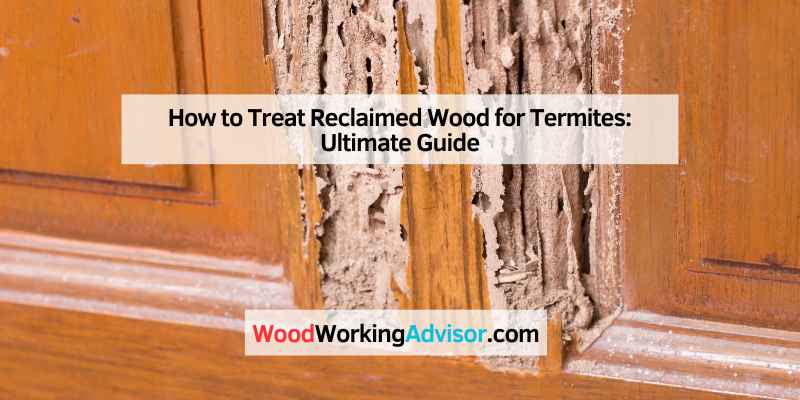
How to Treat Reclaimed Wood for Termites: Ultimate Guide
To treat reclaimed wood for termites, use a borate solution or apply a professional-grade insecticide. Regular inspections can help identify any termite activity early.
Reclaimed wood adds character and charm to any space, but it can harbor pests like termites. Proper treatment is essential to preserve its beauty and integrity. Termites can cause significant damage, making preventive measures crucial for homeowners. Treating reclaimed wood ensures it lasts longer and remains safe for use in construction or furniture.
Understanding how to effectively manage termite risks can save you time and money in the long run. Whether you’re restoring old furniture or using reclaimed wood for new projects, taking the right precautions will help maintain its quality and prevent infestations.
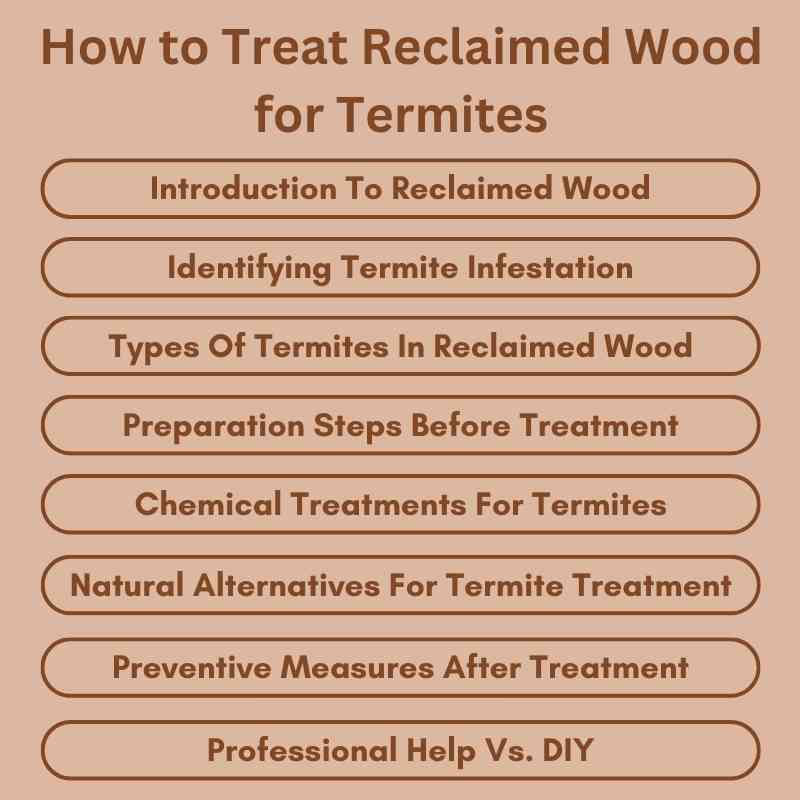
Introduction To Reclaimed Wood
Reclaimed wood has gained popularity for its unique charm and sustainability. It is often used in homes, furniture, and decor. Many love its character and history.
Using reclaimed wood can come with risks. Termites and other pests may inhabit it. Before using this wood, inspect it carefully. Proper treatment is essential to prevent damage.
Consider these methods for treating reclaimed wood:
- Heat treatment can kill pests effectively.
- Liquid insecticides provide a strong defense.
- Regular maintenance helps avoid future infestations.
Identifying Termite Infestation
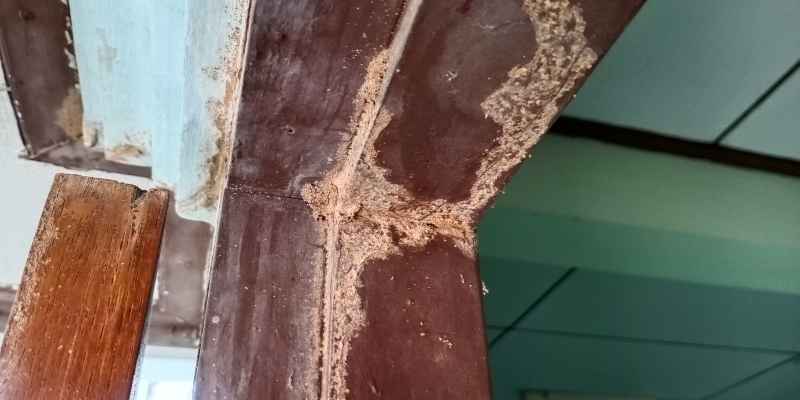
Identifying a termite infestation is crucial for protecting your reclaimed wood. Look for small holes in the wood surface. These holes indicate that termites are tunneling inside the wood. Frass, or termite droppings, resembles sawdust and often appears near infested areas.
Another sign includes sawdust piles under wooden items. This usually indicates active termites. Mud tubes can also be found on walls or foundations. They help termites travel and stay moist.
Early detection is essential. It can save your wood from severe damage. Regular inspections help find problems before they worsen. Treating reclaimed wood quickly prevents costly repairs.
Types Of Termites In Reclaimed Wood
Drywood termites live in dry wood. They do not need soil contact. These termites create small holes in wood. They cause damage over time. Spotting their frass can help identify an infestation.
Subterranean termites live underground. They need moisture and soil contact. These termites build tunnels to access wood. They can cause severe structural damage quickly. Regular inspections can prevent large infestations.
| Termite Type | Habitat | Damage Type |
|---|---|---|
| Drywood Termites | Dry wood | Small holes and frass |
| Subterranean Termites | Soil | Severe structural damage |
Preparation Steps Before Treatment
Start by removing loose debris from the reclaimed wood. Use a soft brush or a vacuum to clear dust and dirt. This step helps in identifying any hidden infestations.
Make sure to check for visible signs of termites. Look for small holes or tunnels in the wood. These signs indicate where termites may be present.
After cleaning, allow the wood to dry completely. Moisture can attract more pests. Dry wood is less likely to harbor future infestations.
Chemical Treatments For Termites
Borate-based solutions are effective for treating reclaimed wood. They penetrate the wood and kill termites. These solutions are safe for people and pets. Apply them to all surfaces of the wood.
Commercial termite killers are another option. They often contain strong chemicals. Use these products carefully and follow the instructions. Always wear protective gear while applying them.
Some popular commercial options include:
| Product Name | Active Ingredient | Application Method |
|---|---|---|
| Termidor | Fipronil | Soil treatment |
| Advantage | Imidacloprid | Wood injection |
| Ortho Bug-B-Gon | Bifenthrin | Spray application |
Natural Alternatives For Termite Treatment
Essential oils are great for treating termites. Tea tree oil and orange oil can repel them. Mix these oils with water for a spray. Apply this solution on reclaimed wood.
Diatomaceous earth is another effective option. It contains tiny, sharp particles that harm termites. Sprinkle it around wooden areas to create a barrier. Reapply after rain or cleaning for best results.
Preventive Measures After Treatment
Sealing the wood is essential for protecting reclaimed materials. Use a high-quality sealant to create a barrier. This helps prevent moisture and pests from entering. Apply the sealant evenly for the best results. Ensure all surfaces are covered, including edges and ends.
Maintaining a dry environment is crucial. Termites thrive in damp places. Keep wood stored in a well-ventilated area. Avoid placing it directly on the ground. Use dehumidifiers to reduce moisture levels indoors. Regularly check for leaks or water damage to maintain dryness.
Professional Help Vs. DIY
Knowing when to call the experts is crucial for reclaiming wood. If you see significant damage or a large infestation, professional help is needed. Experts have advanced tools and knowledge to handle severe cases effectively.
For smaller issues, DIY treatments can work well. Start by inspecting the wood closely for signs of termites. Use a wood treatment solution that penetrates deeply. Regularly apply the treatment to ensure long-lasting protection.
Also, keep the wood dry and well-ventilated. Termites thrive in moist environments. Seal any cracks or openings to prevent future infestations.
Long-term Care For Reclaimed Wood
Regular inspections of reclaimed wood are essential. Check for any signs of termite activity. Look for small holes or sawdust-like powder. Inspect both the wood surface and the surrounding area.
Immediate action on recurrence is crucial. If you find termite damage, treat it right away. Use a termite spray or consult a professional. Timely treatment can save your wood from further damage. Always monitor the area for new signs of pests.
Frequently Asked Questions
How Can I Identify Termite Damage In Reclaimed Wood?
To identify termite damage, look for hollowed-out wood, small holes, and frass (termite droppings). Tap on the wood; a hollow sound indicates infestation. Checking for mud tubes around the wood can also help. Conduct regular inspections to catch issues early and protect your reclaimed wood.
What Treatments Are Effective For Termites In Reclaimed Wood?
Effective treatments include borate solutions, insecticidal sprays, and heat treatment. Borate penetrates wood fibers to eliminate termites. Insecticidal sprays target active infestations. Heat treatment raises the temperature to kill termites. Consider consulting a pest control expert for the best solution tailored to your reclaimed wood.
How Can I Prevent Termites In Reclaimed Wood?
To prevent termites, store reclaimed wood off the ground. Use sealed containers to minimize moisture. Regularly inspect wood for signs of infestation. Additionally, consider applying a protective finish or borate treatment to deter termites. Maintaining a dry environment is crucial for prevention.
Is Reclaimed Wood Safe After Termite Treatment?
Yes, reclaimed wood can be safe after proper termite treatment. Ensure all termites are eliminated before using the wood. Following treatment, seal the wood with a protective finish. This helps prevent future infestations while maintaining the wood’s aesthetic appeal and structural integrity.
Conclusion
Protecting reclaimed wood from termites is essential for preserving its beauty and integrity. Implementing preventive measures and treatments can ensure your wood remains safe. Regular inspections and proper maintenance are key. By following these steps, you can enjoy your reclaimed wood for years to come, free from termite damage.