How Long Does Lacquer Take to Dry on Wood? (Touch, Recoat & Cure Times)
Lacquer dries to the touch in about 15 to 30 minutes and can usually be recoated within 1 to 2 hours. Full cure, when the film reaches maximum hardness, takes 24 to 48 hours for normal handling and up to two to four weeks depending on the type of lacquer, humidity, and how thick each coat was sprayed or brushed.
Lacquer is one of the fastest-drying finishes available for wood, and that speed comes down to simple chemistry: it dries almost entirely by solvent evaporation, not by the slow oxidation reaction that oil-based finishes like tung oil or boiled linseed oil rely on. That same fast evaporation is also what causes the two most common lacquer headaches, blushing and orange peel, when conditions or technique aren’t right. Below are the real drying and cure times for each type of lacquer, what actually controls that timeline, and how to avoid the defects that show up when lacquer dries too fast or too slow.
Lacquer Drying Timeline: Touch, Recoat, and Full Cure
Best Clear Lacquer Spray Pick
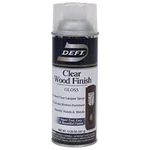 |
Deft Clear Wood Finish Gloss Lacquer Spray – $20.16 A 100% nitrocellulose lacquer in aerosol form, the same fast-drying, self-leveling chemistry covered in this guide, ready to spray straight from the can.
|
Lacquer doesn’t dry in one single step. It passes through three distinct stages, and treating them as the same thing is the most common mistake beginners make.
| Stage | Typical Time | What It Means |
|---|---|---|
| Dry to touch | 15 – 30 minutes | Surface solvents have flashed off; the film feels dry but is still soft underneath |
| Safe to recoat | 30 minutes – 2 hours | The next coat’s solvents can still “burn in” and fuse with the layer below |
| Safe to handle/stack | 24 – 48 hours | Normal use without denting the film, though it’s still gaining hardness |
| Full cure | 2 – 4 weeks | Maximum hardness and chemical resistance reached; safe to wax or polish aggressively |
Thin, sprayed coats in a warm, dry shop can sit at the fast end of that range, sometimes flashing dry to the touch in as little as 5 to 10 minutes. Thick brushed coats in a cold or humid garage can sit well past the slow end, so treat these as starting points, not guarantees.
Why Lacquer Dries So Fast (and Why “Oil-Based” Is the Wrong Label)
One of the most common mix-ups in wood finishing is calling lacquer an “oil-based finish.” It isn’t. Traditional nitrocellulose and CAB-acrylic lacquers are solvent-based, meaning the resin is already fully formed and simply dissolved in a fast-evaporating solvent, usually lacquer thinner. As soon as the solvent flashes off into the air, the resin is left behind as a hard film. There’s no chemical reaction happening, just evaporation, which is why the process is so much faster than an oil finish.
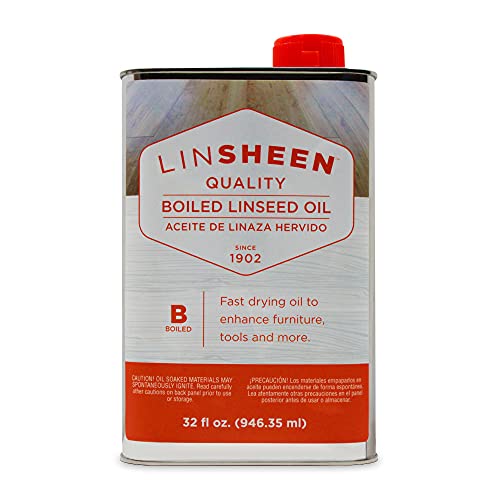
Oil-based finishes like tung oil, boiled linseed oil, and oil-based polyurethane work the opposite way: they cure through oxidation, a slow chemical reaction with oxygen in the air that gradually cross-links the oil molecules into a solid film. That’s a real chemical change, not just evaporation, and it’s why a coat of oil-based polyurethane can stay tacky for 6 to 8 hours or longer even though it “feels dry” faster in spots.
The solvent-evaporation process also explains a genuinely useful lacquer trick: each new coat’s solvent partially re-dissolves the surface of the coat beneath it, letting the two layers chemically fuse, or “burn in,” into a single film as they dry. That’s why lacquer often doesn’t need sanding between coats the way polyurethane does, though a light scuff-sand still improves final gloss by knocking down dust nibs and overspray texture.
Types of Lacquer and How Fast Each One Dries
Nitrocellulose lacquer is the traditional furniture and musical-instrument finish. It’s touch-dry in 15 to 30 minutes and can typically be recoated within 30 to 60 minutes. It has excellent leveling and a warm, slightly amber tone that deepens with age, but it’s softer than polyurethane and more vulnerable to alcohol, water rings, and abrasion, which is why it shows up more on cabinets, guitars, and antiques than on kitchen tabletops.
Acrylic (CAB-acrylic) lacquer dries by the same solvent-evaporation mechanism but usually a touch faster, often 15 to 20 minutes to the touch. Its main advantage over nitrocellulose is that it stays water-clear and won’t amber over time, which is why it’s preferred on light woods like maple or ash where a warm tint would be unwanted.
Water-based “lacquer” is a bit of a misnomer worth knowing about. Genuine solvent-based lacquer can’t legally or chemically be made water-based, so products sold as “water-based lacquer” are actually waterborne acrylic finishes marketed under a familiar name. They dry by a combination of water evaporation and resin-particle coalescence rather than true solvent-based fusing, which means they generally need 45 minutes to 2 hours between coats (water evaporates slower than lacquer thinner) and won’t burn into previous coats the same way. The upside is far lower odor and VOCs, which matters for indoor use.
What Actually Controls Lacquer Drying Time
Temperature and humidity matter more than any other variable. Warm, dry air (65-85°F, under 50% relative humidity) lets solvents flash off quickly and evenly. Cold or humid air slows evaporation and is the single biggest cause of the defects covered below.
Coat thickness has an outsized effect because lacquer dries from the outside in. A thin sprayed coat might be dry to the touch in under 10 minutes, while a heavy, flooded coat can stay soft for hours because the surface skins over and traps solvent underneath, which is also what causes wrinkling.
Wood species and porosity play a smaller but real role. Open-grained, porous woods like oak or ash pull some solvent into the wood itself and can feel dry slightly faster on the surface than dense, closed-grain woods like maple or cherry.
Airflow speeds evaporation but has to be balanced against dust contamination and fume safety, covered in the safety section below. A gentle cross-breeze from an open window works better than pointing a fan directly at a wet piece, which can blow dust into the finish or ripple the surface.
Common Drying Defects (and the Real Reason They Happen)
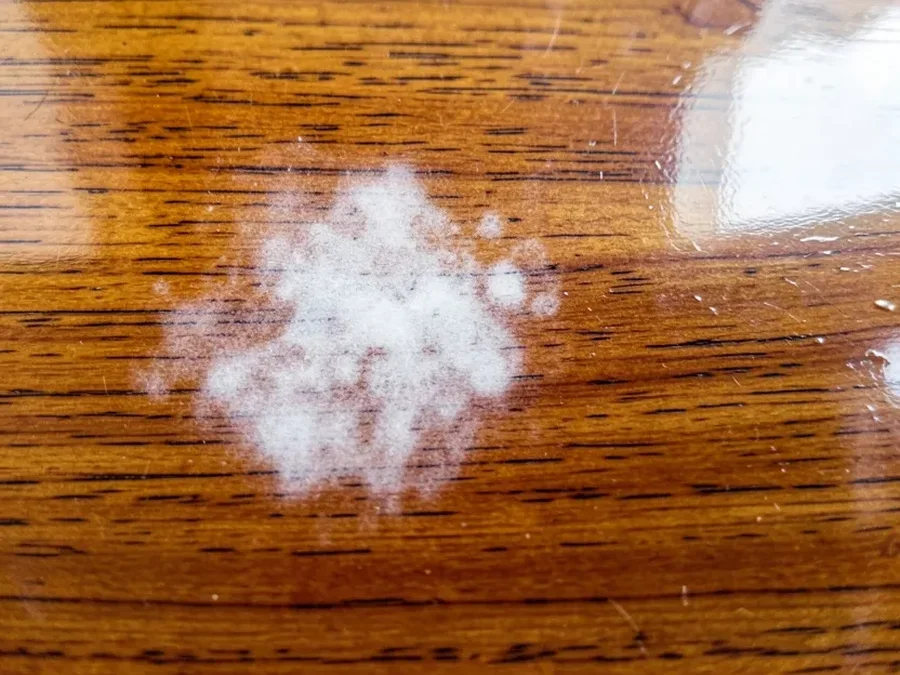
Blushing is the cloudy, milky-white haze that sometimes appears in a lacquer finish, and it’s a direct side effect of how fast lacquer dries. As the solvent flashes off, it pulls heat away from the surface (the same cooling effect as rubbing alcohol evaporating on skin), and if the humidity is high enough, that localized cooling condenses moisture straight out of the air and traps it in the film before it can fully harden. The fix for an existing blush is gentle heat, a hairdryer on low held a few inches away, which lets the trapped moisture evaporate back out. The prevention is simple: don’t spray lacquer on a humid day, or add a retarder to slow evaporation enough that moisture doesn’t condense.
Orange peel is the pebbly, uneven texture that shows up when lacquer starts skinning over before it has a chance to level out flat. It’s usually caused by holding the spray gun too far from the surface, moving too slowly, or spraying in conditions so warm and dry that the solvent flashes off mid-air before the droplets can merge into a smooth film. Keeping a consistent 6-to-8-inch gun distance, moving at a steady pace, and thinning the lacquer slightly in hot weather all help the film stay wet long enough to self-level.
How to Apply Lacquer for the Best Results
Start with a clean, fully sanded surface. Remove all dust with a tack cloth, sand with the grain using a fine grit, and make sure the wood is completely dry before the first coat goes on. Any trapped moisture in the wood itself will slow drying and can contribute to blushing regardless of shop humidity.
For full step-by-step technique, including gun setup and coat count, see our guide to applying lacquer to wood. In short: apply thin, even coats rather than one heavy one, wait for each coat to reach the recoat window above, and do a final light scuff-sand with 320-400 grit before the last coat for the smoothest possible gloss.
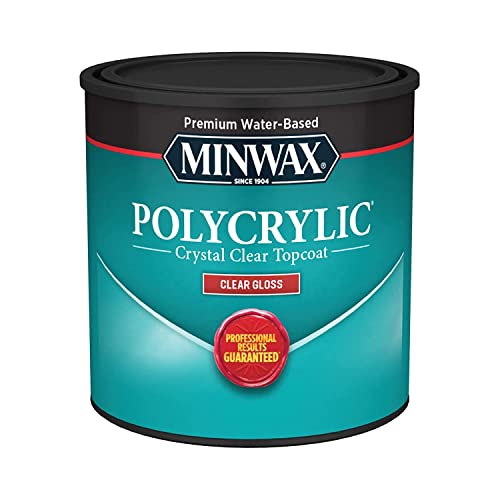
If you’re comparing lacquer’s recoat window against a different finish, our breakdown of how long to wait between coats of polycrylic is a useful side-by-side, since polycrylic’s waterborne chemistry behaves closer to the “water-based lacquer” products discussed above than to true solvent lacquer.
Lacquer vs Other Finishes: How the Dry Times Compare
Lacquer dries to the touch in a fraction of the time polyurethane does. A coat of oil-based polyurethane typically needs 6 to 8 hours before it’s dry enough to handle and 24 hours before recoating, because it’s curing through oxidation rather than just losing solvent. Water-based polyurethane is faster than oil-based poly but still generally needs 2 to 4 hours between coats.
Varnish sits at the slow end of the spectrum, often requiring a full 24 hours between coats, but it makes up for the wait with better moisture and heat resistance, which is why it shows up on outdoor furniture and tabletops where lacquer would struggle. Warm temperatures speed any of these finishes’ drying times, but the underlying mechanism, evaporation for lacquer versus oxidation for oil-based finishes, is what really separates a 30-minute recoat from an overnight wait.
Choosing between them comes down to the project. For furniture, cabinets, or instruments where you want a fast turnaround and easy touch-ups, lacquer wins. For anything exposed to water, heat, or heavy daily wear, varnish or polyurethane’s slower but tougher cure is the better trade-off.
Safety While Lacquer Dries
Lacquer solvents are flammable and the fumes are strong enough to cause headaches or dizziness in an unventilated space. Spray or brush in a well-ventilated area with cross-airflow, wear a respirator rated for organic vapors (not just a paper dust mask), and keep the work area away from pilot lights or other ignition sources. Nitrile gloves protect skin from the solvent, and safety glasses guard against overspray.
Let sprayed rags and filters dry flat outdoors before disposal, lacquer-soaked rags can self-heat and combust if balled up in a trash can, and dispose of leftover product according to local hazardous-waste rules rather than pouring it down a drain.
Frequently Asked Questions
How Long Does Lacquer Take To Dry On Wood?
Lacquer is dry to the touch in about 15 to 30 minutes and safe to recoat within 1 to 2 hours. Full cure to maximum hardness takes 24 to 48 hours for normal handling and up to two to four weeks depending on humidity, temperature, and coat thickness.
Is Lacquer Oil-Based Or Solvent-Based?
Lacquer is solvent-based, not oil-based. It dries through solvent evaporation rather than the slow oxidation reaction that oil-based finishes like tung oil or oil-based polyurethane rely on, which is exactly why lacquer dries so much faster.
Can You Speed Up Lacquer Drying Time?
Yes. Good airflow, warm temperatures between 65-85°F, low humidity, and thin coats all speed up drying. Avoid pointing a fan or heat gun directly at wet lacquer, since uneven heat can cause bubbling or an uneven finish. Steady, indirect airflow is safer than direct heat.
Why Does Lacquer Turn Cloudy Or Blush While Drying?
Blushing happens when fast solvent evaporation cools the surface enough to condense humidity directly into the wet film, trapping moisture as a cloudy haze. It’s most common on humid days. Gentle, low heat can pull the trapped moisture back out of an already-dry finish.
Is Lacquer Safe To Use Indoors?
Lacquer can be used indoors with proper ventilation. The solvent fumes are strong and flammable, so open windows for cross-airflow, wear an organic-vapor respirator, and keep the area away from open flames or pilot lights while spraying and drying.
Conclusion
Lacquer’s speed comes from chemistry, not marketing: it dries by solvent evaporation rather than the oxidation that slows down oil-based finishes, which is why a 30-minute touch-dry and an hour-long recoat window are realistic rather than optimistic. That same speed is exactly what causes blushing and orange peel when humidity, distance, or technique are off, so match your environment and application method to the timeline above and full cure will follow in a few weeks without surprises.
Sponsored / affiliate links. As an Amazon Associate I earn from qualifying purchases. I may earn additional commission from eligible campaigns.