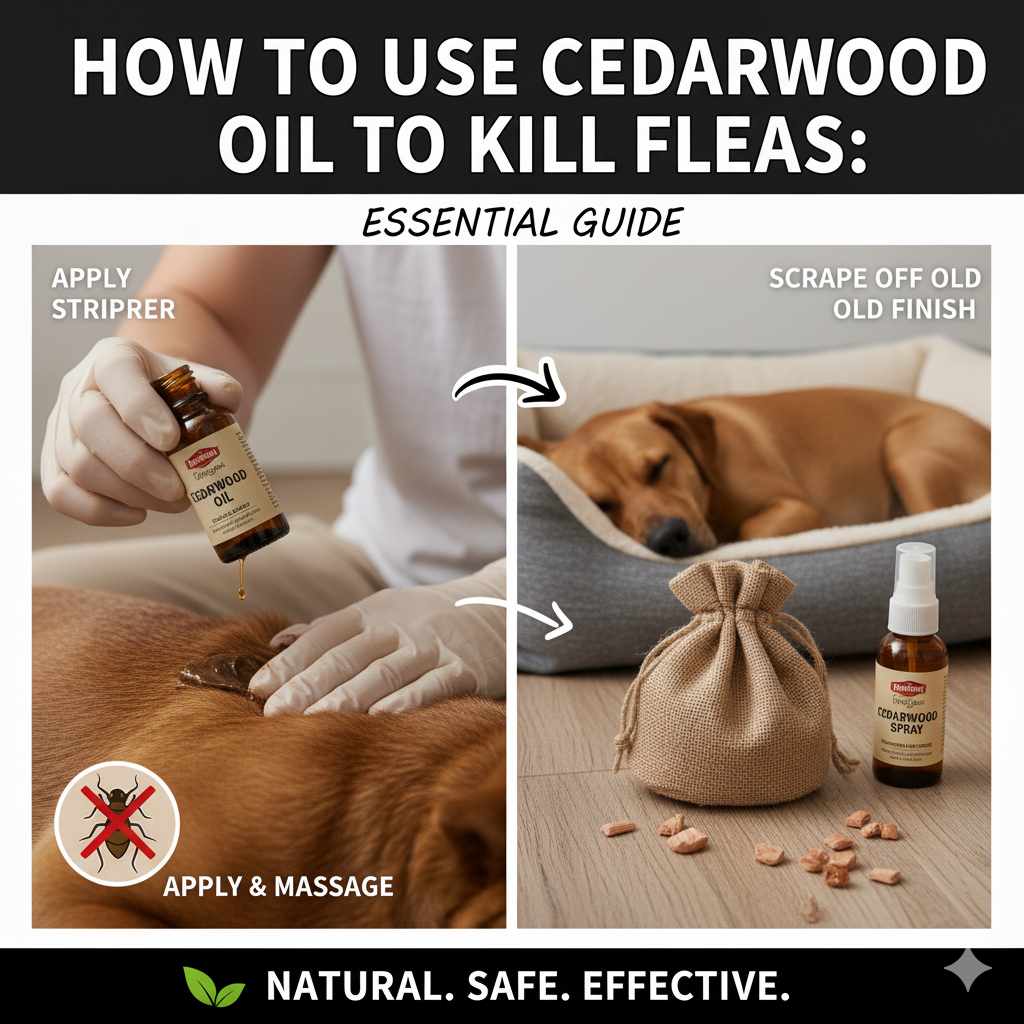
How to Use Cedarwood Oil to Kill Fleas: Essential Guide
Quick Summary: Cedarwood oil is a natural, effective way to deter and kill fleas on pets and in your home when used correctly. Dilute it properly for pet safety and apply strategically around your home to create flea-free zones.
Dealing with fleas can be a real headache, right? You love your furry friends, but those tiny pests can make everyone miserable. It’s frustrating when you see your pet scratching non-stop, or worse, start finding flea bites on yourself! But don’t worry, there are solutions that don’t involve harsh chemicals. Many people are looking for natural ways to keep their homes and pets safe. I’m here to guide you through how you can use cedarwood oil, a fantastic natural option, to tackle flea problems. We’ll cover how to use it safely and effectively, turning your home back into a comfortable haven for everyone.
Understanding Cedarwood Oil for Flea Control
Cedarwood oil comes from the wood of cedar trees. It’s known for its pleasant, woody scent, which is great for us humans, but it’s not so pleasant for fleas and other insects. This essential oil contains compounds that disrupt the fleas’ nervous systems and respiration, ultimately leading to their demise. It’s a natural alternative that can be effective without the potential side effects of some synthetic pesticides.
Think of it like this: just as we might use certain scents to keep pesky moths away from our closets, cedarwood oil acts as a natural repellent and killer for fleas. It works on multiple levels – it can kill adult fleas, and its scent can also deter flea eggs and larvae from developing. This dual action makes it a powerful tool in your flea-fighting arsenal.
Why Choose Cedarwood Oil?
There are several good reasons why cedarwood oil is becoming a popular choice for natural flea control:
- Natural and Non-Toxic: When used correctly and diluted, it poses less risk to pets and humans compared to many commercial flea treatments.
- Pleasant Aroma: Unlike strongly chemical-smelling products, cedarwood oil has a fresh, woodsy scent that many people find appealing.
- Repellent Properties: It doesn’t just kill fleas; it discourages them from coming back.
- Environmental Friendliness: It’s a biodegradable option.
Types of Cedarwood Oil
When you’re looking for cedarwood oil, you’ll likely find a few different types. For flea control purposes, the most commonly recommended are:
- Virginiana Cedarwood Oil: This is often derived from the Juniperus virginiana (Eastern Red Cedar) tree. It is considered one of the most effective for repelling and killing insects.
- Atlas Cedarwood Oil: This comes from the Cedrus atlantica tree. It’s also effective, though sometimes considered a bit milder than Virginiana.
Always look for 100% pure, therapeutic-grade essential oil. Avoid products that are “fragrance oils” or “perfume oils,” as these are often synthetic and won’t have the desired natural properties.
Safety First: Dilution is Key!
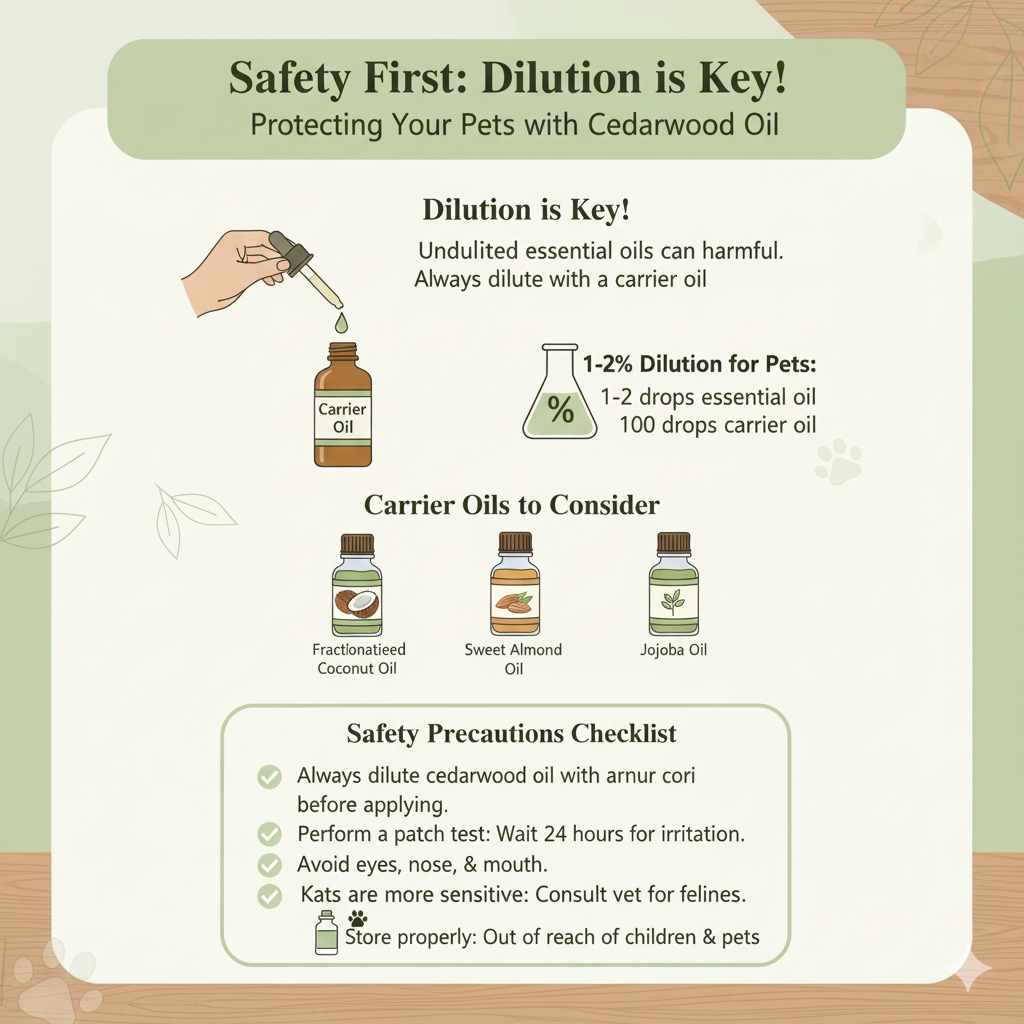
This is the most crucial step, especially when you’re using essential oils around pets. Undiluted essential oils can be irritating and even harmful. Cedarwood oil is potent, so always dilute it with a carrier oil before direct application to pets or prolonged contact with surfaces where pets might lick.
A good rule of thumb for dilution is to start very low. A common recommendation for topical use on pets is a 1-2% dilution. This means for every 100 drops of carrier oil, you would add only 1-2 drops of cedarwood essential oil.
Carrier Oils to Consider
Carrier oils are vegetable oils that help dilute essential oils and make them safer for skin application. Good choices include:
- Fractionated Coconut Oil
- Sweet Almond Oil
- Jojoba Oil
Safety Precautions Checklist:
- Always dilute cedarwood oil with a carrier oil before applying it to your pet’s fur or skin.
- Perform a patch test: Apply a tiny, diluted amount to a small area of your pet’s skin and wait 24 hours to check for any redness or irritation.
- Avoid eyes, nose, and mouth: Be very careful not to get the oil in these sensitive areas.
- Keep away from ingestion: Do not let your pet lick the treated areas excessively.
- Cats are more sensitive: Use with extreme caution on cats, if at all. Many essential oils, including some cedarwood varieties, can be toxic to felines. Consult your veterinarian.
- Store properly: Keep essential oils out of reach of children and pets.
How to Use Cedarwood Oil on Your Pets
When used correctly and safely, cedarwood oil can be a comfortable way to help manage fleas on your dog. Remember, the key is safety and proper dilution.
Method 1: The Flea Comb Spray
This is a gentle way to introduce the oil and get it into your pet’s fur.
- Mix the Solution: In a small, clean spray bottle, combine 1 cup of water with 5-10 drops of 100% pure cedarwood essential oil. For a more potent flea comb spray, you can add 1 tablespoon of a carrier oil, like fractionated coconut oil, to help the essential oil disperse better in the water. Shake well before each use.
- Prepare Your Pet: Brush your pet thoroughly to remove loose fur and any visible fleas.
- Lightly Mist the Comb: Lightly mist your flea comb with the cedarwood oil solution. Do not drench it.
- Comb Through Fur: Gently comb through your pet’s fur, paying close attention to areas where fleas often hide, such as the base of the tail, behind the ears, and along the back.
- Wipe and Dispose: After each stroke, wipe the comb with a paper towel. You can dip the used comb into a separate bowl of soapy water to kill any fleas you’ve collected.
- Repeat Regularly: Use this method daily or every other day as part of your grooming routine.
Method 2: Diluted Topical Application (Spot Treatment)
This method is for direct application to your pet’s fur, but it requires the most careful dilution.
- Create the Diluted Oil: Mix 1-2 drops of cedarwood essential oil with 1 tablespoon of a carrier oil (fractionated coconut oil, sweet almond oil, etc.).
- Perform a Patch Test: Apply a tiny amount of this diluted mixture to an inconspicuous area of your pet’s skin (like the back of their neck). Wait 24 hours to ensure there’s no adverse reaction.
- Apply Sparingly: If the patch test is clear, apply a small amount of the diluted mixture along your pet’s back, from the base of the neck to the tail. Focus on areas that don’t have immediate access for licking. A little goes a long way!
- Avoid Sensitive Areas: Do NOT apply near the eyes, mouth, or genitals.
- Observe Your Pet: Watch your pet for any signs of discomfort, scratching at the application site, or lethargy. If you notice anything unusual, wash the area immediately with soap and water and discontinue use.
Important Note for Cats
Cats lack a certain liver enzyme and can be much more sensitive to essential oils than dogs. While some sources claim certain cedarwood varieties are safe for cats, it is critical to consult with your veterinarian before using any essential oils on your feline companion. Many commonly available essential oils can be toxic to cats, even in diluted forms. If your vet approves, an extremely diluted concentration (far less than for dogs) may be recommended, often with careful observation.
How to Use Cedarwood Oil to Kill Fleas in Your House
Fleas don’t just live on your pets; they also lay eggs and develop in your home environment. Addressing the whole environment is key to getting rid of them for good.
Method 1: Cedarwood Oil Spray for Home Surfaces
This spray will help kill fleas and deter them from untreated areas. You can use this on pet bedding, carpets, furniture, and curtains.
- Mix the Spray: In a large spray bottle (about 16 oz), add 1/4 cup of witch hazel or rubbing alcohol (which acts as an emulsifier to help oil and water mix), 1 tablespoon of carrier oil (optional, but can help scent last longer), and 20-30 drops of cedarwood essential oil. Fill the rest of the bottle with distilled water.
- Shake Well: Before each use, shake the bottle vigorously to ensure the oils are dispersed.
- Test a Small Area: Before spraying widely, test the solution on an inconspicuous area of upholstery or carpet to ensure it doesn’t stain or damage the material.
- Spray Targeted Areas: Lightly mist pet bedding, carpets, rugs, upholstery, and curtains. Focus on corners, crevices, and edges where fleas and eggs might hide.
- Allow to Dry: Let the surfaces air dry completely before allowing pets or children to come into contact with them.
- Ventilate the Room: Ensure the room is well-ventilated while you are spraying and until the surfaces are dry.
Method 2: Cedar Chips and Sachets
This is a more passive but effective way to keep flea-prone areas less hospitable to fleas.
- Obtain Cedar Chips: You can buy cedar chips or shavings designed for craft projects or pet bedding. Make sure they are pure cedar wood and not treated with any chemicals or perfumes.
- Create Sachets: Fill small fabric bags or sachets with cedar chips.
- Place Strategically: Place these sachets in areas where fleas might be found or where your pets frequent. Good spots include:
- Inside pet beds
- Underneath pet bedding
- In closets
- Under furniture
- In drawers where pet items are stored
- Refresh Regularly: The scent of cedarwood gradually fades. Refresh the sachets by gently crushing the chips to release more scent or replace them with fresh chips every few months.
Method 3: Cedarwood Oil Diffuser
Using a diffuser can help disperse the cedarwood scent throughout your home, creating an unwelcoming environment for fleas.
- Add Water: Fill your essential oil diffuser with water up to the designated line.
- Add Cedarwood Oil: Add 5-10 drops of pure cedarwood essential oil to the water.
- Turn On Diffuser: Run the diffuser in rooms where your pets spend a lot of time, or in areas you suspect have a flea presence.
- Duration and Frequency: Run the diffuser for 30-60 minutes at a time. Ensure good air circulation in the room.
- Pet Safety: Always ensure your pets can leave the room if they find the scent too strong. Some essential oils can be irritating to a pet’s respiratory system, so monitor them for any signs of distress like coughing or heavy breathing.
Cedarwood Oil vs. Other Natural Flea Treatments
While cedarwood oil is a great option, it’s helpful to see how it stacks up against other natural flea remedies. This comparison can help tailor your approach.
| Treatment Method | Pros | Cons | Effectiveness Against Fleas |
|---|---|---|---|
| Cedarwood Oil | Natural, pleasant scent, repels and kills, versatile for pets and home, relatively safe when diluted. | Requires careful dilution and application, may not kill all life stages instantly, less effective on heavily infested animals without other treatments. | Kills adult fleas and larvae, strong repellent against eggs and new fleas. |
| Diatomaceous Earth (Food Grade) | Kills fleas by dehydrating them, completely natural, safe for most pets when food-grade is used and handled properly. | Dry application can be messy, dusty, and irritating to lungs if inhaled by pets or humans; needs to be reapplied after cleaning or rain. | Kills adult fleas and larvae on contact. |
| Neem Oil | Natural insecticide, insect growth regulator, has anti-inflammatory properties. | Strong, unpleasant smell for some; requires dilution for topical use; can be toxic if ingested in large amounts. | Disrupts flea life cycle, reduces egg hatching, kills larvae and adult fleas. |
| Essential Oils (e.g., Lavender, Peppermint – with caution) | Can repel fleas. Lavender is generally considered safer for dogs than peppermint. | Many essential oils are toxic to cats and can be irritating to dogs if not properly diluted. Peppermint can be very potent. | Primarily repels; direct killing action is variable and depends heavily on the specific oil and concentration. |
When using any natural remedy, it’s important to remember that effectiveness can vary depending on the severity of the infestation and individual pet sensitivities. Often, a multi-pronged approach is best. For severe infestations, you might need to combine cedarwood oil treatments with other methods or even consult a veterinarian.
Tips for Maintaining a Flea-Free Home
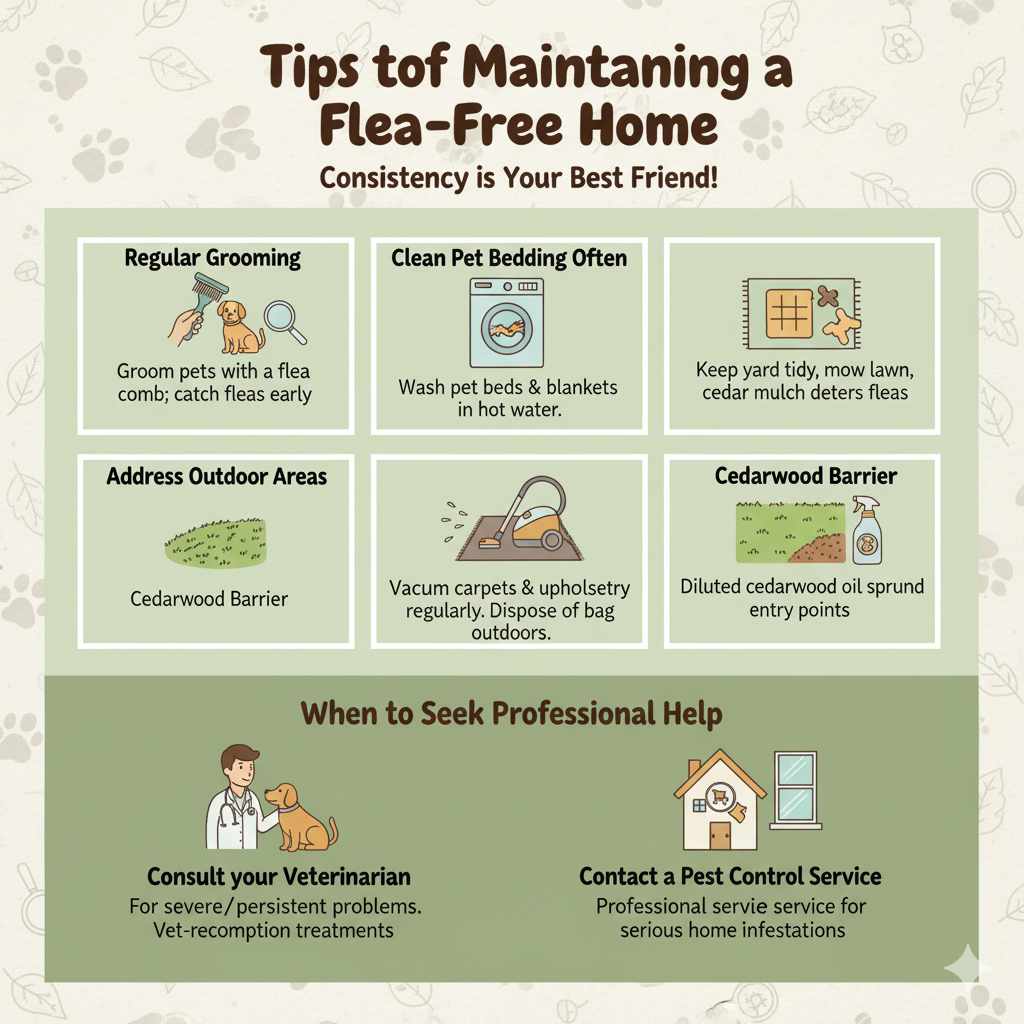
Once you’ve tackled the initial flea problem, maintaining a flea-free environment is key to preventing recurrence. Consistency is your best friend here!
- Regular Grooming: Continue to groom your pets regularly, ideally with a flea comb. This allows you to catch any stray fleas early.
- Clean Pet Bedding Often: Wash pet beds, blankets, and toys frequently in hot water. This washes away eggs, larvae, and adult fleas.
- Vacuum Frequently: Vacuum carpets, upholstery, and floors regularly, especially in areas where your pets sleep or play. Pay attention to edges, seams, and under furniture. Dispose of the vacuum bag immediately after vacuuming or empty the canister outdoors to prevent fleas from escaping.
- Address Outdoor Areas: Fleas spend time outdoors too! Keep your yard tidy, mow the lawn regularly, and consider natural yard sprays if the problem persists outdoors. Cedar mulch in garden beds can also help deter fleas.
- Consider a Cedarwood Barrier: You can create a subtle barrier by using diluted cedarwood oil spray around entry points to your home, like window sills and door frames.
When to Seek Professional Help
While natural remedies are excellent, they might not be sufficient for very severe or persistent infestations. If you’ve tried various methods consistently and still see a significant flea problem after several weeks, it might be time to:
- Consult your Veterinarian: They can recommend prescription-strength treatments for your pet that are safe and highly effective.
- Contact a Pest Control Service: For serious home infestations, a professional pest control service can identify the extent of the problem and apply targeted treatments.
Frequently Asked Questions (FAQ)
Here are some common questions about using cedarwood oil for flea control:
Q1: How often should I apply cedarwood oil to my pet?
A1: For topical applications (highly diluted), start with once a day or every other day. For flea comb sprays, you can use it daily during grooming. Always observe your pet for any signs of irritation and adjust frequency as needed. Never apply undiluted oil.
Q2: Can I use cedarwood oil on puppies or kittens?
A2: It’s best to be extremely cautious with very young animals. Their systems are more sensitive. Always consult with your veterinarian before using any essential oils on puppies or kittens. Ensure any application is highly diluted and avoid areas they can easily lick.
Q3: Will cedarwood oil kill flea eggs and larvae?
A3: Cedarwood oil is known to have some effect on flea eggs and larvae due to its repellent and disruptive properties. However, its primary strength is in killing adult fleas and deterring new ones. For comprehensive control of all life stages, it might need to be used in conjunction with thorough cleaning and vacuuming.
Q4: How long does the scent of cedarwood oil last?
A4: The scent can last for several hours to a day, depending on the application method and environmental factors. For home sprays or cedar chips, the scent will gradually dissipate, requiring reapplication or refreshing over time.
Q5: Is cedarwood oil safe for all types of pets?
A5: It’s generally considered safer for dogs than many other essential oils, but always requires proper dilution. For cats and other small animals like rabbits or birds, extreme caution is advised, and veterinary consultation is highly recommended, as they are much more sensitive to essential oils and can suffer serious adverse effects.
Q6: How much cedarwood oil should I use in a diffuser?
A6: Start with 5-10 drops per diffuser cycle (typically 30-60 minutes). Ensure the room is well-ventilated and that your pets can leave the area if the scent is too strong for them.