Oil vs Water Based Deck Stain: Durability, Cost & Which to Choose (2026)
Oil-based deck stain penetrates deeper into wood fibers and lasts 2–5 years on horizontal surfaces — but costs more ($35–120/gal) and takes 24–48 hours to dry. Water-based deck stain dries in 1–2 hours, costs less ($20–90/gal), and resists mildew better, but may need reapplication every 1–3 years and can fail unevenly. For most decks, oil-based is better for raw softwood in high-traffic areas; water-based suits composite decks and humid climates where mold is a concern.
| Feature | Oil-Based | Water-Based |
|---|---|---|
| Lifespan | 2–5 years | 1–3 years |
| Dry time | 24–48 hours | 1–2 hours |
| Cost (per gallon) | $35–$120 | $20–$90 |
| VOC level | High (~420 g/L) | Low (50–100 g/L) |
| Best for | Raw wood, high traffic | Composite, humid climates |
Types Of Deck Stains
Best Oil-Based Stain for Raw Softwood Decks
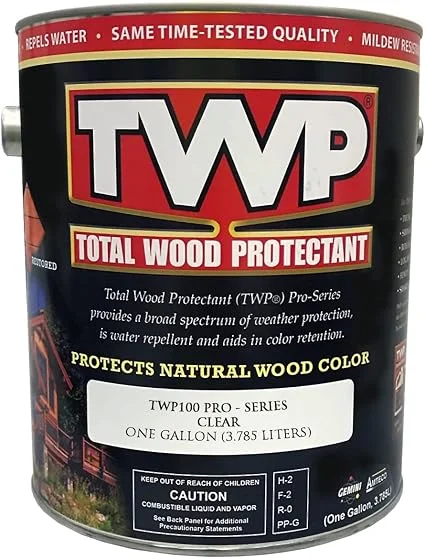 |
TWP 100 Series Deck Stain, 1 Gallon – $58.28 This guide’s conclusion favors oil-based stain for most raw softwood decks (pine, cedar, pressure-treated) – TWP 100 is a widely-used pro-grade oil penetrating stain built for exactly that use.
|
Deck stains protect wood from sun, rain, and wear. Choosing the right type helps keep your deck beautiful. Two main types of stains are oil based and water based. Each type has unique features and benefits.
Oil Based Stains
Oil based stains soak deep into the wood. They highlight the wood’s natural grain and color. These stains last longer on rough wood surfaces. They resist water and sun damage well. Applying oil based stains takes more time to dry. They also have a strong smell during application. Cleaning tools after use requires solvents like mineral spirits. Oil based stains darken wood slightly and give a rich, warm look.
Water Based Stains
Water based stains dry faster than oil based types. They offer clear colors that do not change wood’s shade much. These stains have less odor and clean up easily with soap and water. Water based stains form a thin layer on the wood surface. They resist fading and mildew better in humid areas. These stains are safer for the environment and for people applying them. They may need more frequent reapplication than oil based stains.
Oil vs Water Based Deck Stain: Full Comparison
Here is a complete comparison of oil and water based deck stains across all key performance categories:
| Category | Oil-Based | Water-Based |
|---|---|---|
| Lifespan (horizontal) | 2–5 years | 1–3 years |
| Lifespan (vertical/rails) | 4–6 years | 2–4 years |
| Dry time (touch) | 4–12 hours | 1–2 hours |
| Full cure time | Up to 7 days | 1–3 days |
| Price per gallon | $35–$120 | $20–$90 |
| VOC level | High (~420 g/L) | Low (50–100 g/L) |
| Cleanup | Mineral spirits | Soap and water |
| Wood penetration | Deep (into fibers) | Surface layer |
| Mildew resistance | Moderate | Better |
| UV resistance | Good | Excellent (modern formulas) |
| Composite decks | Not recommended | Works well |
| Recoating | Clean and recoat (no strip) | May need stripping first |
| Top brands | TWP 100, Armstrong Clark, SuperDeck | Defy Extreme, Olympic Elite, Behr |
Application Process
The application process is a key step in staining your deck. It affects the final look and how long the stain lasts. Both oil-based and water-based stains need careful work for good results. The steps vary slightly between the two types. Knowing what to do helps you avoid mistakes and saves time.
Preparation And Tools
Start by cleaning the deck thoroughly. Remove dirt, dust, and old finish. Use a deck cleaner or mild soap with water. Let the surface dry completely before staining.
For oil-based stains, use natural bristle brushes or a sprayer. These tools help the stain soak into the wood. For water-based stains, synthetic brushes or rollers work best. They spread the stain evenly over the surface.
Wear gloves and old clothes to protect yourself. Cover plants and nearby areas to avoid stains. Stir the stain well to mix the color and oils or water.
Drying And Curing Times
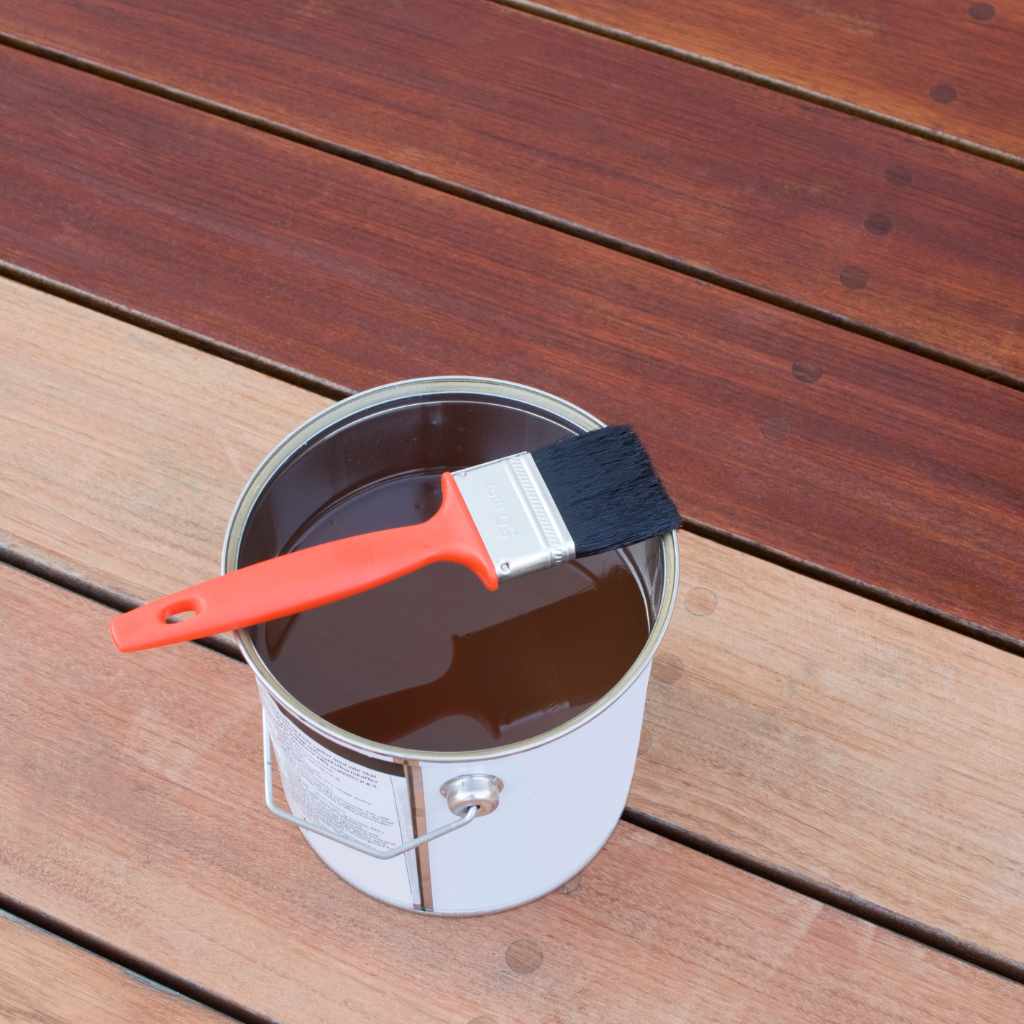
Oil-based stains take longer to dry. Usually, they need 24 to 48 hours to dry to the touch. Full curing can take up to a week. During this time, avoid heavy foot traffic or placing furniture on the deck.
Water-based stains dry faster. They are usually dry within 2 to 4 hours. Full curing happens in 1 to 3 days. This speed allows for quicker use of the deck after staining.
Both types need good air flow and dry weather. Avoid staining on rainy or very humid days. Proper drying and curing protect the wood and keep the color vibrant.
Appearance And Finish
The appearance and finish of a deck stain shape the overall look of your outdoor space. Choosing the right stain affects how the wood shows its natural beauty. Both oil-based and water-based stains offer unique looks. Their differences in color and texture can change your deck’s style.
Color Options
Oil-based stains usually have rich, deep colors. They tend to bring out warm tones in the wood. This type of stain often darkens the wood slightly. Water-based stains come in a wider range of colors. They offer more natural and lighter shades. These stains keep the wood grain visible and bright.
Texture And Gloss
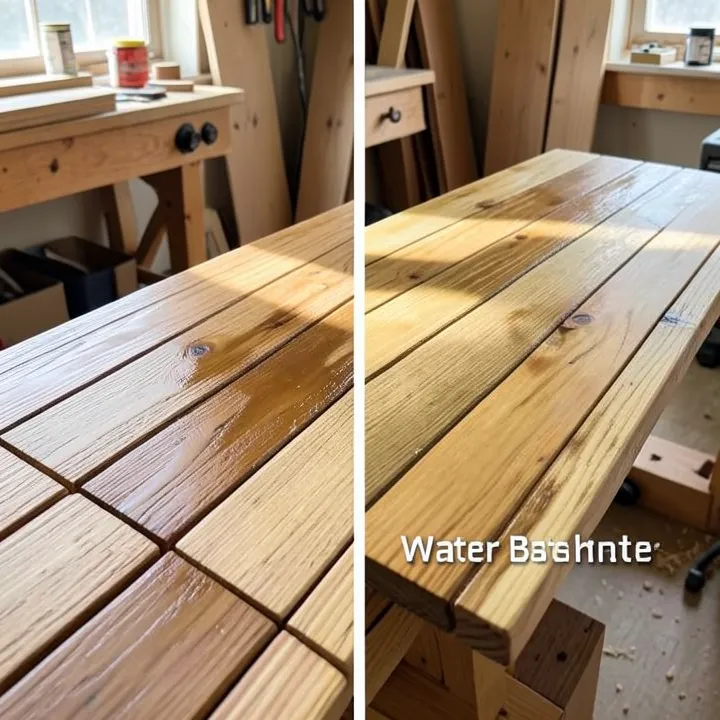
Oil-based stains create a smooth and glossy finish. This finish can look shiny and polished. The texture feels a bit thicker on the wood surface. Water-based stains dry faster and feel lighter. They usually provide a matte or satin finish. This finish looks more natural and less shiny.
Durability And Maintenance
Choosing the right stain for your deck affects how long it lasts and how much work it needs. Durability and maintenance are key factors in this decision. Both oil based and water based stains offer benefits and challenges. Understanding these can help keep your deck looking good for years.
Weather Resistance
Oil based stains soak into the wood deeply. This helps protect against rain and sun damage. They create a stronger barrier to water and UV rays. Water based stains sit more on the surface. They dry faster but may need more frequent reapplication in harsh weather. Modern water-based formulas like Defy Extreme use zinc nano-particles for superior UV protection — closing the gap with oil-based in terms of weatherability.
Longevity
Oil based stains usually last longer on decks — typically 2–5 years on horizontal surfaces and up to 4–6 years on vertical surfaces like railings. They resist peeling and cracking better over time, and when they begin to wear, they do so gradually — making recoating easy with just a clean and brighten (no stripping needed). Water-based stains last 1–3 years on horizontal decks. When they fail, they tend to fail unevenly, often requiring stripping before a new coat will look consistent.
Cleaning And Upkeep
Cleaning oil based stained decks requires mineral spirits for tool cleanup. The stain absorbs dirt and grime easily but holds up well to regular washing. Water based stains clean with soap and water. Both types need regular cleaning — typically once or twice per year — to prevent buildup and extend the stain’s life. Reapplying stain every 2–3 years for oil-based, or 1–2 years for water-based, keeps the deck protected and fresh.
Environmental Impact
Voc Levels
VOC stands for volatile organic compounds. Oil based stains typically contain ~420 g/L of VOCs — classified as high and regulated in many states. They release harmful gases during and after application, contributing to air pollution and smog. Water based stains have much lower VOC levels — typically 50–100 g/L. This means better air quality around your home and compliance with stricter environmental regulations. Using low VOC stains helps reduce pollution and protect health.
Eco-friendliness
Water based stains are more eco-friendly overall. They use water as the main solvent, which is safer for the environment. They also clean up easily with just soap and water, reducing chemical waste.
Oil based stains use petroleum products. They take longer to break down and can harm soil and water if spilled. Choosing water based stains helps protect nature and wildlife, especially near decks adjacent to gardens or water features.
This regulatory pressure has already reshaped some product lines from the inside out — Olympic’s flagship Maximum stain, once an oil-based formula, has since been reformulated into a water-based product, a shift several major stain brands have made or are still navigating.
Cost Considerations
Choosing between oil based and water based stains for your deck involves thinking about costs. Knowing the expenses helps you pick the right stain for your budget and needs.
Initial Expense
Oil based stains cost $35–$120 per gallon — higher than most water-based options. Popular oil-based brands include TWP 100 Pro Series (~$50–65/gal) and Sherwin-Williams SuperDeck (~$58–64/gal). Water based stains run $20–$90 per gallon. Olympic Elite (water-based semi-transparent) retails around $42/gal at Lowe’s; Defy Extreme runs $55–70/gal. Oil-based stains typically need fewer coats (1–2 vs. 2–3 for water-based), which can partially offset the higher per-gallon cost.
Long-term Investment
Oil based stains often last longer on decks — typically 2–5 years versus 1–3 years for water-based. This means fewer reapplications over time. A deck that needs recoating every 2 years instead of every 4 years will double your long-term stain cost. However, water based stains save money on cleanup (no mineral spirits needed) and are easier to dispose of safely. Think about how long you plan to keep your deck when calculating total lifetime cost.
Suitability For Different Deck Materials
Wood Types
Oil based stains soak deep into wood. They bring out the natural grain and color, making them ideal for hardwoods and porous softwoods like pine and cedar. They also help protect wood from moisture and sun damage. Water based stains sit more on the surface and dry faster. These are good for softwoods or older wood that may have been previously stained. Water based stains also resist fading better over time with quality UV-inhibitor formulas.
Composite Decks
Composite decks have a plastic and wood mix. Oil based stains do not stick well to composites — they may peel or blotch unevenly. Water based stains work better on composites. They bond well and dry quickly. Water based stains keep composite decks looking fresh and help prevent mold and mildew growth.
Common Problems And Solutions
Peeling And Fading
Peeling happens when the stain loses its grip on the wood. Oil based stains peel less but can fade faster under strong sun. Water based stains stick well but may peel if applied too thick. To fix peeling, sand the affected area lightly. Clean it well and apply a fresh coat of stain. For fading, choose a stain with UV protection. Regular cleaning also slows down fading.
Mold And Mildew Issues
Decks often face mold and mildew in damp, shady spots. Water based stains resist mold better due to their quick drying time. Oil based stains can trap moisture, encouraging mold growth. To prevent mold, keep your deck clean and dry. Use a mold cleaner before staining. Choose stains with mildewcide for added protection. If mold appears, scrub with water and mild detergent, rinse thoroughly, and let it dry before applying stain again.
Choosing The Right Stain
Choosing the right stain for your deck depends on the wood type, climate, and your maintenance preferences. Consider your project needs before deciding.
Project Requirements
Think about the condition of your deck. Oil based stains soak deep into wood — they work well for older decks or wood with cracks. Water based stains suit new decks or composite surfaces where fast drying and low odor matter.
Personal Preferences
Think about ease of cleanup, drying time, and environmental impact. Oil-based stains deliver a warmer, richer look and longer lifespan — worth it if you don’t mind the longer dry time and mineral spirit cleanup. Water-based stains are easier to work with, dry faster, and are safer for users and the environment. Both are valid choices — the decision comes down to your deck type, budget, and how often you want to maintain it.
Frequently Asked Questions
What Are The Key Differences Between Oil And Water-based Stains?
Oil-based stains penetrate deeper into wood fibers and last 2–5 years. They cost $35–120/gal and require mineral spirits for cleanup. Water-based stains form a surface layer, last 1–3 years, cost $20–90/gal, and clean up with soap and water. Oil-based gives a warmer, darker look; water-based stays truer to natural wood color and has far lower VOC levels (50–100 g/L vs ~420 g/L for oil-based).
Which Stain Type Lasts Longer On Outdoor Decks?
Oil-based stains generally last longer — 2–5 years on horizontal surfaces vs 1–3 years for most water-based products. An important advantage of oil-based: when it wears, it wears gradually and can be recoated with just a clean and brighten — no stripping required. Water-based stains tend to fail unevenly and often need stripping before a fresh coat will look consistent. However, modern water-based formulas like Defy Extreme are closing this durability gap.
How Do Oil And Water-based Stains Affect Deck Maintenance?
Oil-based stains require reapplication every 2–4 years and need mineral spirits for cleanup. Water-based stains dry quickly, clean with soap and water, and often require more frequent touch-ups every 1–2 years. Both benefit from annual cleaning. For long-term ease of maintenance, oil-based wins on recoat frequency; water-based wins on simplicity of cleanup and application.
Are Water-based Stains Safer For The Environment And Health?
Yes — water-based stains emit far fewer VOCs (50–100 g/L vs ~420 g/L for oil-based), making them significantly safer for both users and the environment. They’re compliant with low-VOC regulations in California and other strict states. Oil-based stains require proper ventilation during application and contain petroleum-derived solvents that can harm soil and water if spilled.
Is oil based or water based stain better for a deck?
For most raw softwood decks (pine, cedar, pressure-treated), oil-based stain is better because it penetrates deeper and lasts longer. For composite decks, humid climates, or situations where low odor and fast dry time matter, water-based stain is the better choice. If you’re willing to do maintenance every 1–2 years, a quality water-based formula like Defy Extreme can match oil-based performance with less environmental impact.
Conclusion
Choosing between oil-based and water-based deck stain comes down to your priorities. Oil-based stains penetrate deeper, last 2–5 years, and recoat more easily — the better choice for raw wood decks in high-traffic areas. Water-based stains dry in hours, cost less per gallon, and are safer for the environment — ideal for composite decks and climates where mildew is a concern. Consider your deck material, climate, and maintenance schedule before deciding. Proper application and regular cleaning maximize the life of either type.
Sponsored / affiliate links. As an Amazon Associate I earn from qualifying purchases. I may earn additional commission from eligible campaigns.
 DWIL Water Based Wood Stain - Multiple Finishes, Fast Drying, Indoor and Outdoor Furniture, Wood Paneling, Cabinets and More, Low Odor & Non-Toxic (8.5oz Teak)
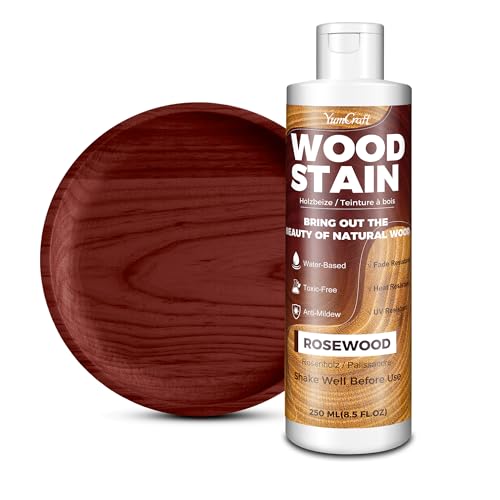 Water Based Wood Stain 8.5oz/250ml, Matte Fast Drying Stain & Varnish, Low Odor Non-Toxic Indoor Outdoor Wood Paint for Furniture, Cabinet, Door, Window, Wardrobe, Paneling, Trim & Multiple Finishes