Exploring the Beauty of Hickory Hardwood Flooring: A Visual and Practical Guide
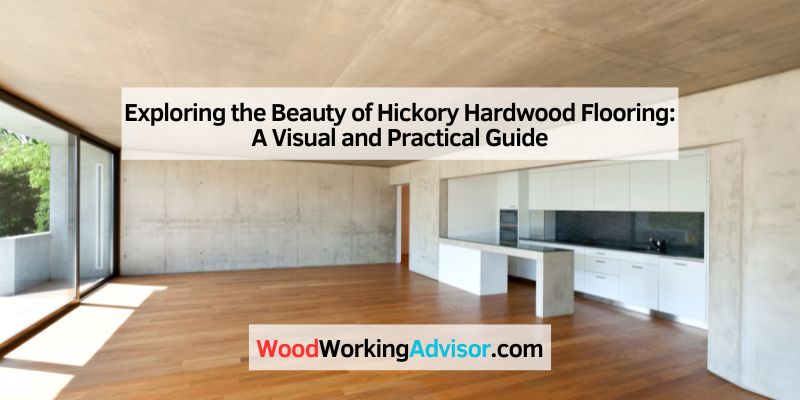
Hey there! If you’re thinking about giving your home a fresh, timeless look, hickory hardwood flooring might just catch your eye. I’ve spent a lot of time diving into the world of hickory floors, and let me tell you, the images of hickory hardwood flooring are absolutely stunning. The unique grain patterns, vibrant colors, and rugged charm make it a standout choice for homeowners across the USA. In this article, I’m going to walk you through everything you need to know about hickory hardwood flooring, from its visual appeal to its practical benefits.
Whether you’re a DIY enthusiast or just browsing for inspiration, I’ve got you covered with all the details to help you decide if hickory is the right fit for your home.
Why Hickory Hardwood Flooring Stands Out
Let’s start with why hickory catches so many eyes. When I first saw images of hickory hardwood flooring, I was hooked. The wood has this bold, natural beauty that’s hard to ignore. Hickory is known for its dramatic grain patterns—swirling lines and knots that give each plank a one-of-a-kind look. Unlike more uniform woods like oak or maple, hickory feels alive with character. Its color palette is another big draw. You’ll see shades ranging from creamy whites to rich, warm browns, sometimes even with hints of red or gold. This variety means every floor tells its own story.
Hickory’s durability is another reason it’s so popular. It’s one of the hardest domestic hardwoods, scoring high on the Janka hardness scale (more on that later). This makes it perfect for busy homes with kids, pets, or heavy foot traffic. I’ve seen hickory floors in homes that look just as good after years of use as they did when they were first installed. If you’re looking for a floor that’s as tough as it is beautiful, hickory is worth a serious look.
The Visual Appeal of Hickory Hardwood Flooring
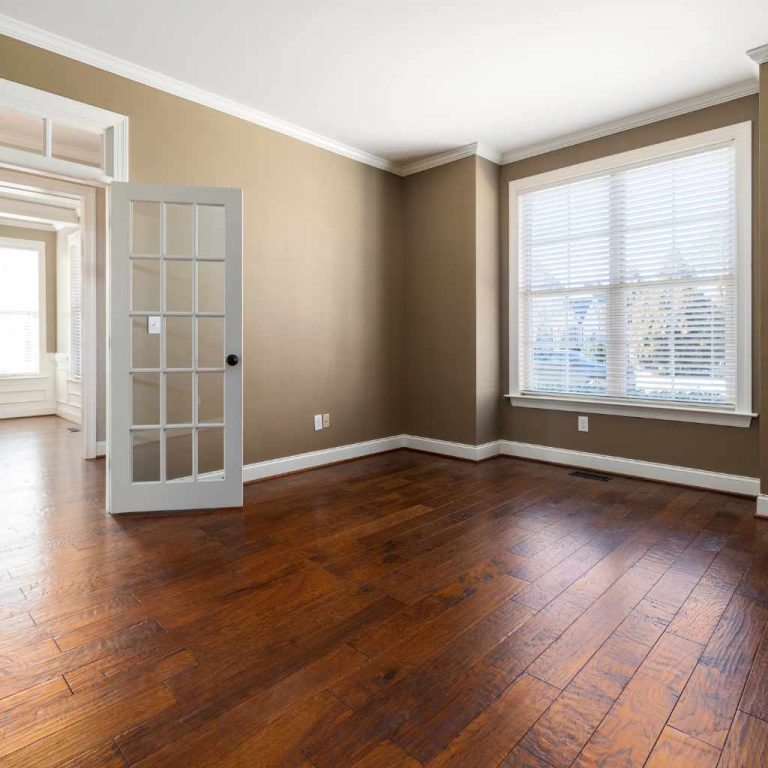
When you browse images of hickory hardwood flooring, you’ll notice how versatile it is. The wood’s natural variation means it fits in just about any style of home. Love a rustic vibe? Hickory’s knots and grain patterns scream cozy cabin charm. Prefer something modern? A sleek, light-stained hickory floor can give your space a clean, contemporary feel. I’ve seen hickory floors steal the show in everything from farmhouse kitchens to urban lofts.
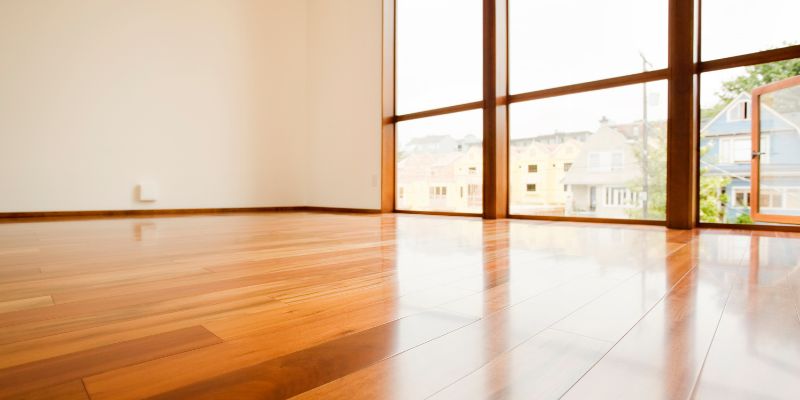
One thing I love about hickory is how it plays with light. The lighter tones reflect sunlight beautifully, making rooms feel bigger and brighter. Darker stains, on the other hand, add warmth and sophistication. When I was helping a friend choose flooring for her living room, we looked at dozens of hickory samples. The way the wood’s colors shifted under different lighting was mesmerizing. If you’re flipping through images online, pay attention to how the lighting in each photo affects the floor’s look. It’ll give you a better sense of how hickory might work in your own space.
Types of Hickory Hardwood Flooring
Not all hickory floors are created equal, and that’s a good thing! There are a few different types to choose from, depending on your style and budget. Here’s a quick rundown of the main options I’ve come across:
| Type | Description | Best For |
|---|---|---|
| Solid Hickory | Made from a single piece of hickory wood. It’s thick, durable, and can be refinished multiple times. | Traditional homes, high-traffic areas |
| Engineered Hickory | A thin layer of hickory over a plywood base. More stable in humid climates and easier to install. | Basements, modern homes, budget-conscious |
| Hand-Scraped Hickory | Textured by hand for a rustic, aged look. Adds extra character to the wood’s natural beauty. | Rustic or vintage-style homes |
| Prefinished Hickory | Comes stained and sealed from the factory. Saves time during installation. | Busy homeowners, quick projects |
I’ve worked with both solid and engineered hickory in different projects. Solid hickory feels incredibly sturdy underfoot, but engineered hickory is a lifesaver in spaces prone to moisture, like basements. If you’re browsing images, you’ll see both types in action, and honestly, it’s hard to tell the difference just by looking. Hand-scraped options are my favorite for that extra touch of personality, especially in older homes.
Choosing the Right Finish for Hickory Flooring
The finish you choose for your hickory floor can make a huge difference in how it looks and feels. I’ve spent hours comparing finishes, and here’s what I’ve learned. A clear or natural finish lets hickory’s wild grain and color variations shine through. It’s perfect if you want that raw, organic look. Light stains, like a soft gray or whitewash, can tone down the wood’s intensity while keeping things bright. Darker stains, like walnut or espresso, add drama and hide dirt better, which is great for families.
When I was picking a finish for my own home, I leaned toward a matte finish. It’s less shiny than high-gloss options, which I find can look a bit too formal. Plus, matte hides scratches better—an important factor if you’ve got pets like I do! If you’re browsing images of hickory hardwood flooring, check out the finishes in different rooms. A glossy finish might pop in a dining room, while a matte one feels cozier in a bedroom.
Hickory’s Durability and Maintenance
Let’s talk about how tough hickory is. On the Janka hardness scale, which measures how resistant wood is to dents and scratches, hickory scores around 1,820. To put that in perspective, red oak is about 1,200, and maple is around 1,450. I’ve seen hickory floors hold up in homes with rambunctious kids and big dogs, and they still look amazing years later. That said, no floor is invincible. Heavy furniture or sharp heels can leave marks, so it’s smart to use felt pads and keep shoes off when possible.
Maintenance is pretty straightforward. I sweep my hickory floors regularly to keep dust and grit from scratching the surface. A damp mop with a mild cleaner works wonders for deeper cleaning. Avoid soaking the floor—too much water can damage any hardwood. If you’re looking at images of hickory floors, you’ll notice how well-maintained ones glow with a warm, lived-in charm. A little care goes a long way.
Installing Hickory Hardwood Flooring
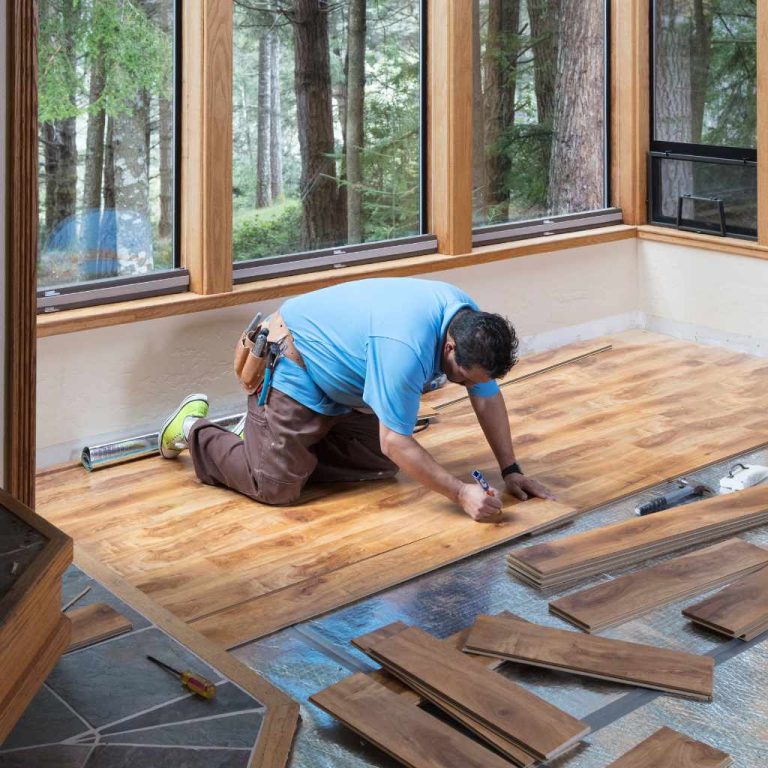
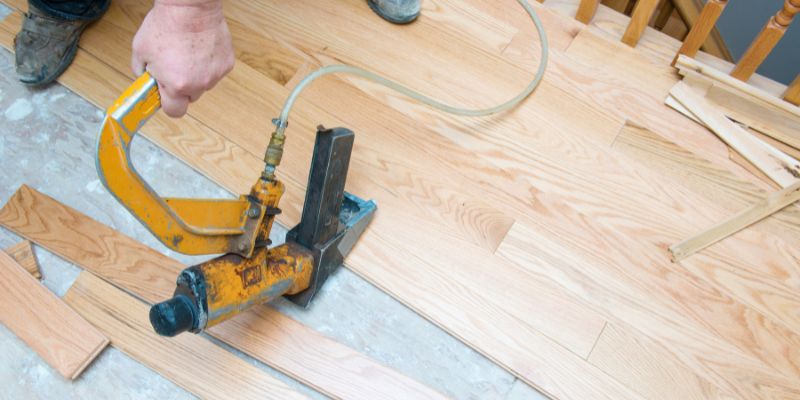
Installing hickory flooring can be a fun project if you’re handy, but it’s not a walk in the park. Solid hickory needs to be nailed or glued down, which requires some skill. I helped a buddy install his hickory floor last summer, and we spent a lot of time making sure the subfloor was level. Uneven surfaces can cause gaps or creaks later on. Engineered hickory is a bit easier, especially with click-lock systems that “float” over the subfloor.
If you’re not up for a DIY adventure, hiring a pro is worth it. I’ve seen too many botched installations that cost more to fix than doing it right the first time. When you’re browsing images of hickory hardwood flooring, imagine the work behind those flawless installations. A good installer will make sure the planks are laid out to highlight the wood’s natural beauty.
Cost of Hickory Hardwood Flooring
Let’s talk money. Hickory flooring isn’t the cheapest option, but it’s not outrageous either. Solid hickory typically costs $5 to $10 per square foot, depending on the grade and finish. Engineered hickory is usually a bit less, around $4 to $8 per square foot. Installation can add another $3 to $5 per square foot if you’re hiring someone. I’ve found that higher-grade hickory, with fewer knots and more consistent color, tends to cost more but looks stunning in formal spaces.
When I was budgeting for my own floors, I shopped around at local suppliers and online retailers. Prices vary, so it’s worth comparing. Also, keep an eye out for sales—h彼此
FAQs
Is Hickory Hardwood Flooring Suitable for Homes with Pets?
Yes, hickory hardwood flooring is a great choice for homes with pets. Its high Janka hardness rating of 1,820 makes it very resistant to scratches and dents. I’ve seen hickory floors in homes with big dogs, and they hold up well. Just be sure to use a matte or satin finish to hide minor scratches, and clean up pet messes quickly to avoid damage.
Can Hickory Hardwood Flooring Be Used in High-Moisture Areas?
Solid hickory isn’t ideal for high-moisture areas like bathrooms or basements because it can warp. Engineered hickory, with its plywood base, is more stable and better suited for these spaces. I’ve installed engineered hickory in a basement, and it’s held up beautifully.
How Do I Maintain Hickory Hardwood Flooring?
Maintaining hickory floors is simple. Sweep regularly to remove grit, and use a damp mop with a mild cleaner for deeper cleaning. Avoid excess water, and use felt pads under furniture to prevent scratches. I’ve found that a little routine care keeps hickory floors looking amazing for years.
What’s the Difference Between Solid and Engineered Hickory Flooring?
Solid hickory is a single piece of wood, great for durability and refinishing. Engineered hickory has a hickory top layer over plywood, making it more stable in humid conditions. I’ve used both, and they both look great—it just depends on your space and budget.
How Long Does Hickory Hardwood Flooring Last?
With proper care, hickory hardwood flooring can last decades. Solid hickory can be refinished multiple times, extending its life even further. I’ve seen hickory floors in older homes that still look stunning after 20 years or more.